The epaulette shark (Hemiscyllium ocellatum) — a small "walking" shark from northern Australia and New Guinea — shows no measurable rise in metabolic rate during egg-laying reproduction, according to a Biology Open study. Researchers monitored oxygen uptake and reproductive hormones in five females and found energy use remained flat throughout reproduction. This low-cost reproductive strategy could help the species continue breeding under environmental stress, supporting reef resilience, though the small sample size means further study is needed.
Walking Shark Defies Expectations: Epaulette Shark Reproduces Without an Energy Spike
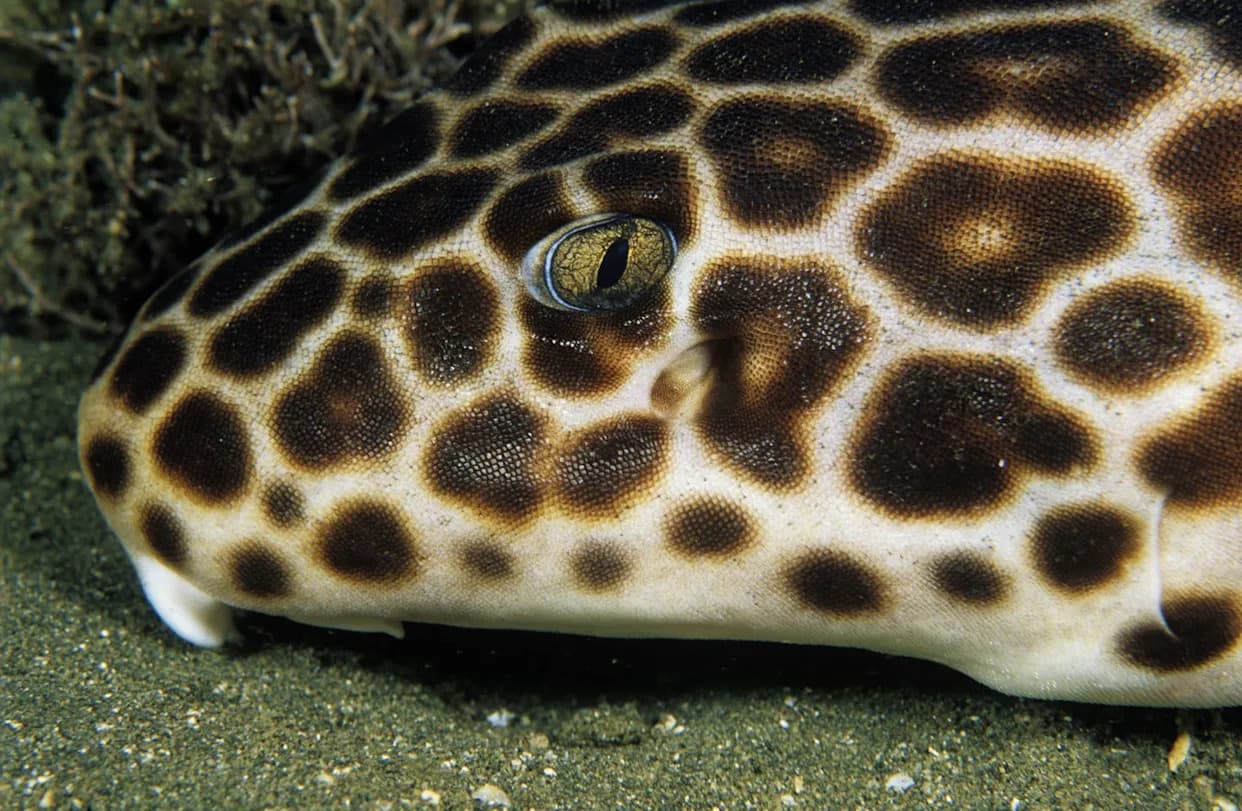
This Creature Breaks the Rules of ReproductionMichel JOZON - Getty Images
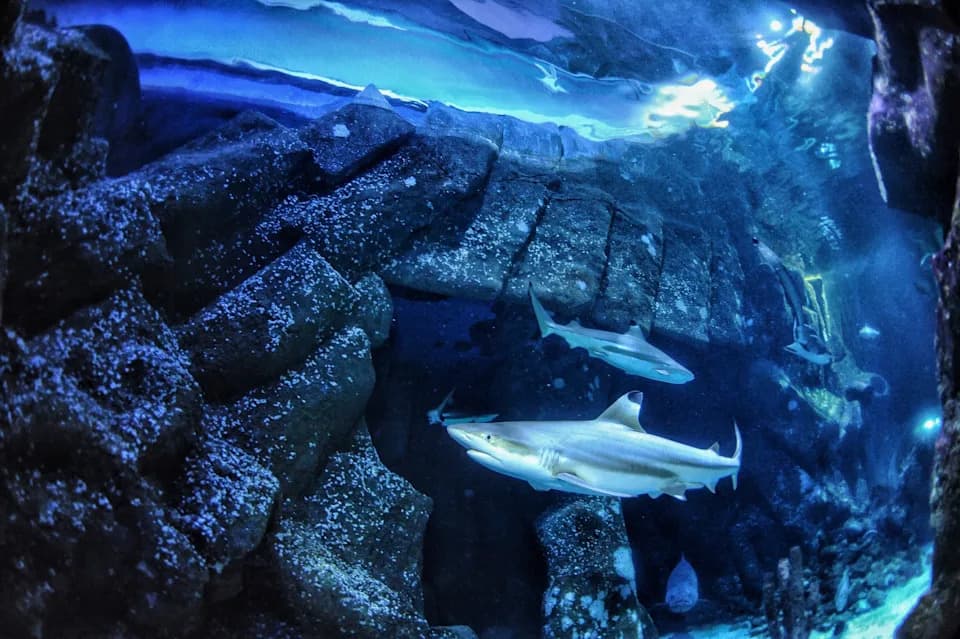
The epaulette shark (Hemiscyllium ocellatum) — a three-foot, reef-dwelling "walking" shark found off northern Australia and New Guinea — appears to reproduce without the large metabolic cost scientists expected. A study published in Biology Open reports no measurable increase in metabolic rate during egg production, a finding that could help this species persist as ocean conditions change.
Study Finds No Reproductive Metabolic Spike
Chondrichthyan fishes (sharks, rays, skates and chimaeras) are generally thought to face high energetic costs during reproduction because many species have small broods and long developmental periods. To test how much energy oviparous (egg-laying) reproduction demands, researchers at James Cook University monitored five female epaulette sharks through their reproductive cycle, tracking oxygen uptake and measuring reproductive hormones.
“Reproduction is the ultimate investment ... you are literally building new life from scratch,” said Jodie Rummer, senior author of the study. “We expected that when sharks make this complex egg, their energy use would shoot up.”
Surprisingly, the team found no obvious uptick in metabolic rate during the reproductive period. "There was no uptick in energy use, it was completely flat," Rummer said, suggesting the epaulette shark may have physiological adaptations that optimize energy allocation during egg formation.
Why This Matters
Because reproduction is often one of the first processes animals sacrifice under stress, a low-cost reproductive strategy could help epaulette sharks continue breeding as ocean temperatures and other stressors increase. Lead author Carolyn Wheeler commented, "Under environmental stress, many species will choose between survival and reproduction, but the epaulette shark might be able to continue to produce eggs, even under such stressors. That's encouraging, because healthy sharks equal healthy reefs."
The broader context is important: some shark relatives have extremely long gestation periods — the frilled shark (Chlamydoselachus anguineus) holds the record at roughly 3.5 years — and many chondrichthyans invest heavily in each offspring. That the epaulette shark, a lineage that genetic evidence suggests emerged only about nine million years ago, can reproduce without a detectable energy spike is notable for both evolutionary biology and reef conservation.
Caveats and Next Steps
The study used a small sample (five individuals) and focused on one oviparous species, so findings should be interpreted cautiously. Additional research across life stages, larger sample sizes and other chondrichthyan species will be needed to determine how widespread this low-cost reproductive strategy is and how it interacts with climate-driven stressors.
For now, the results offer a cautiously optimistic message: the epaulette shark's reproductive physiology may help sustain both the species and the coral reef communities it helps maintain as oceans warm.
Help us improve.