Key Finding: Reanalysis of five large vertebral centra from Australia’s Darwin Formation pushes the earliest appearance of giant lamniform sharks back by about 15 million years to the upper Aptian. Methods: Allometric models based on 111 great white sharks were used to convert centrum diameter to body size. Implications: The Cardabiodontidae individuals are estimated at 6–8 m long and up to ~3 tons, suggesting repeated, rapid evolution of gigantism linked to colder local waters, mesothermy and broad feeding strategies.
Giant Shark Origins Pushed Back 15 Million Years — Darwin Formation Vertebrae Rewrite Lamniform Evolution
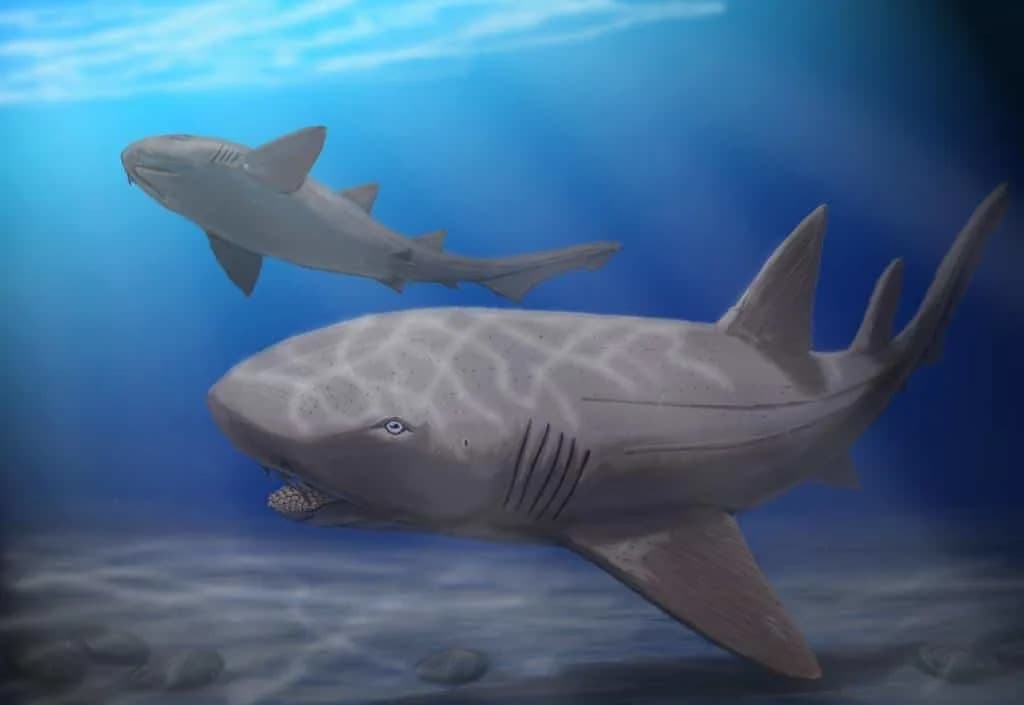
© Dmitry Bogdanov / CC BY 3.0
A reassessment of shelved vertebral fossils from Australia’s Darwin Formation has shifted the timeline for the appearance of large-bodied lamniform sharks by about 15 million years. The study, published in 2025 in Communications Biology, identifies five large vertebral centra as belonging to the extinct Cardabiodontidae family and suggests these sharks were already reaching “mega” sizes in the upper Aptian stage of the Cretaceous.
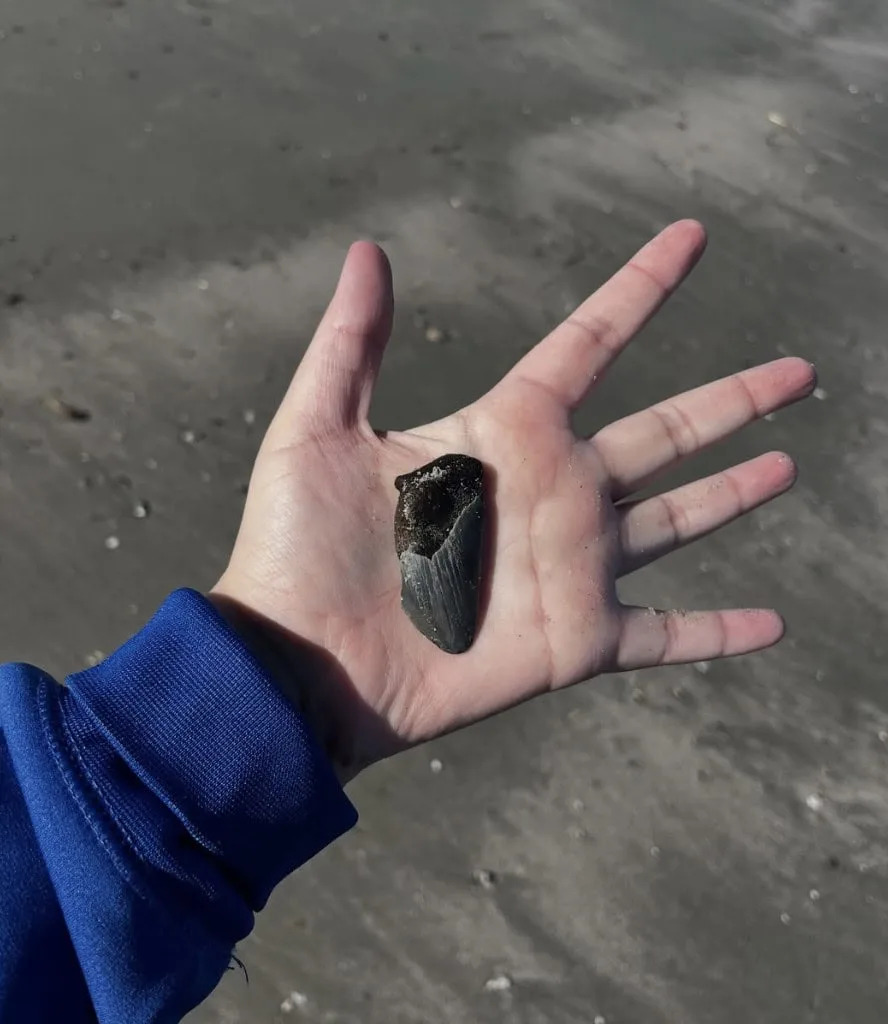
My one-inch Megalodon tooth is big, but nowhere near the largest ever found (which came in around 7.5 inches!).©Jessica Lynn(Jessica Lynn)
What Was Found
Researchers reexamined five vertebral centra, each between 114 and 126 mm in diameter (roughly 4.5–4.9 inches), that had been curated at the Museum and Art Gallery of the Northern Territory. These centra were identified as Cardabiodontidae — an extinct group that includes genera such as Cardabiodon and Dwardius. Because shark skeletons are mostly cartilage, vertebrae and teeth are often the only elements that preserve; well-preserved centra like these are rare and scientifically valuable.
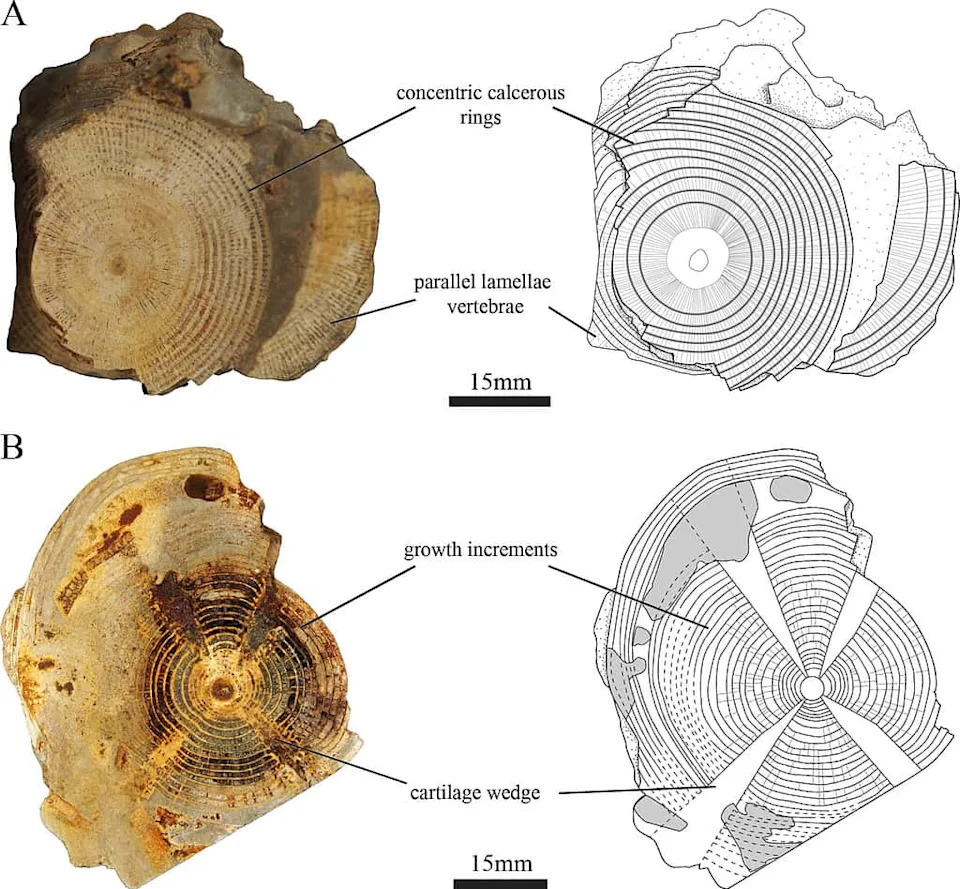
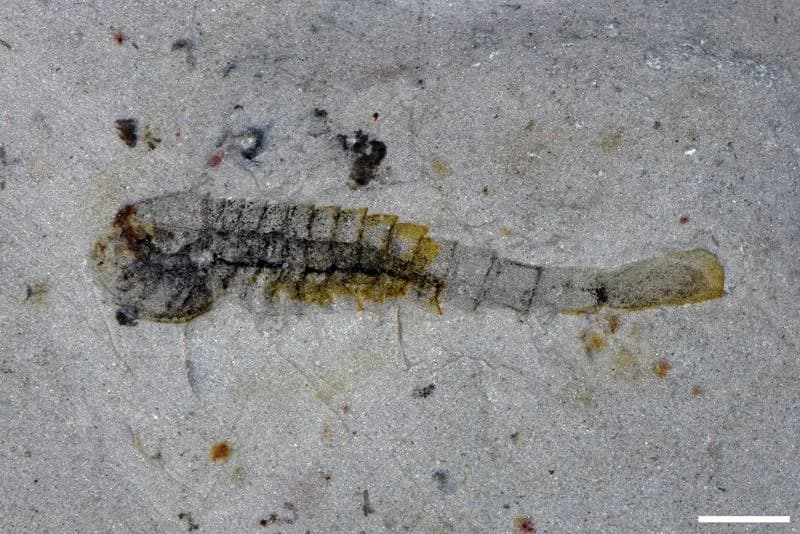
The middle of a shark’s vertebra is densest and most likely to fossilize, while outer rings can give insight into a shark’s potential age.©Jambura PL, Kriwet J / CC BY 4.0 –Original/License(Jambura PL, Kriwet J / CC BY 4.0 )
How Size Was Estimated
To estimate body size, the team built allometric growth models using measurements from 111 modern great white sharks (Carcharodon carcharias). Vertebral diameter in living lamniforms correlates with total length and body mass, and the researchers found strong negative allometry — meaning vertebrae grow proportionally more slowly than overall body length and weight as sharks get larger. Applying those relationships to the Darwin centra produced conservative size estimates.
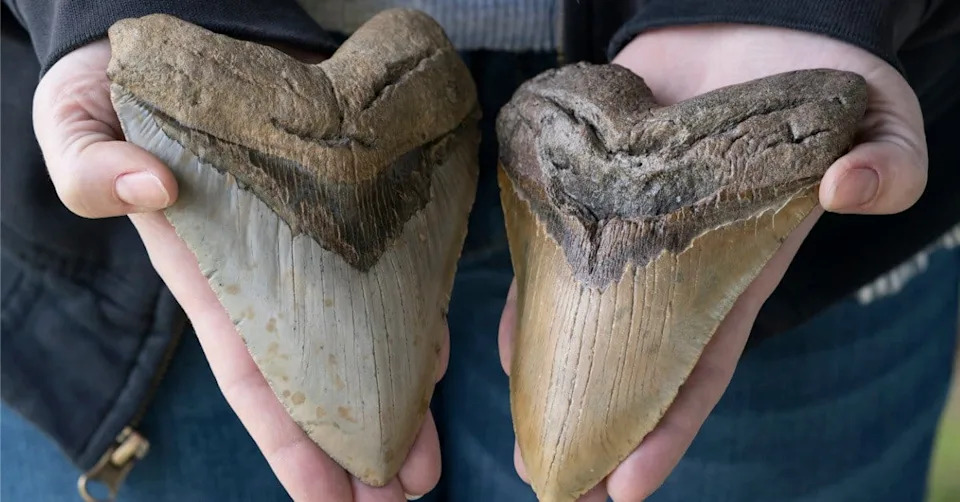
Just by looking at their teeth, you can tell that Megalodons and other large-form lamniform sharks were serious predators in ancient oceans.©iStock.com/Mark Kostich(iStock.com/Mark Kostich)
Estimated Size
The Cardabiodontidae individuals represented by those centra were estimated to measure about 6–8 meters (≈19.7–26.2 feet) in length and potentially weigh up to roughly three tons. The authors emphasize these figures are conservative and that actual sizes could have been larger.
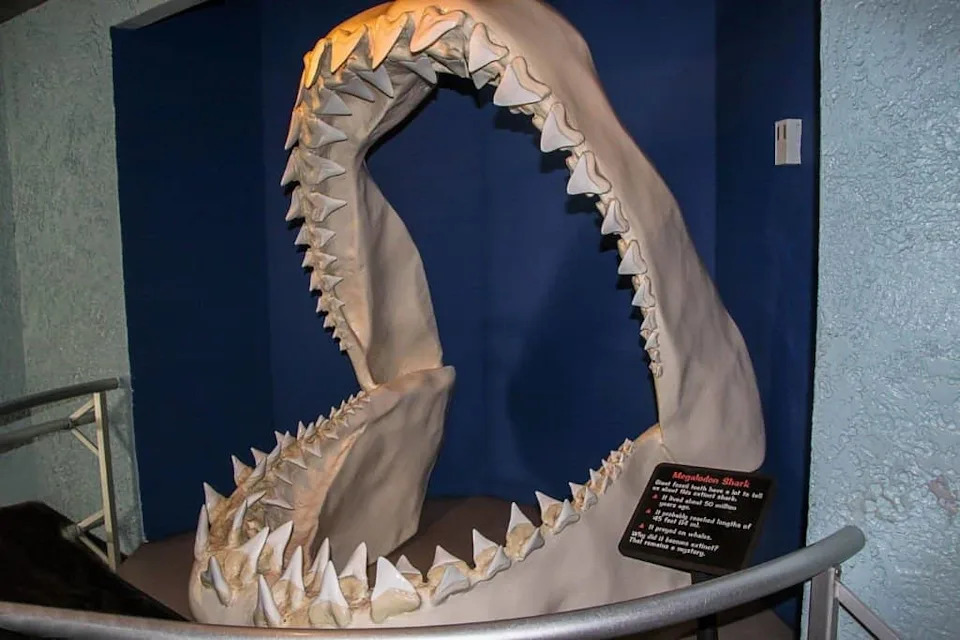
Megalodon sharks were considered the largest to ever exist, even with the new findings.©Mulevich/Shutterstock.com(Mulevich/Shutterstock.com)
Why the Timing Matters
Previous consensus placed the first appearance of mega-bodied lamniforms (≥6 m) in the late Albian. The Darwin Formation specimens date to the upper Aptian, roughly 15 million years earlier, indicating that gigantism in lamniform sharks began sooner and may have evolved multiple times across different lineages and regions. Supporting evidence includes other large centra, such as a 17 cm (6.6 in) centrum from the upper Albian Kiowa Shale of Kansas.
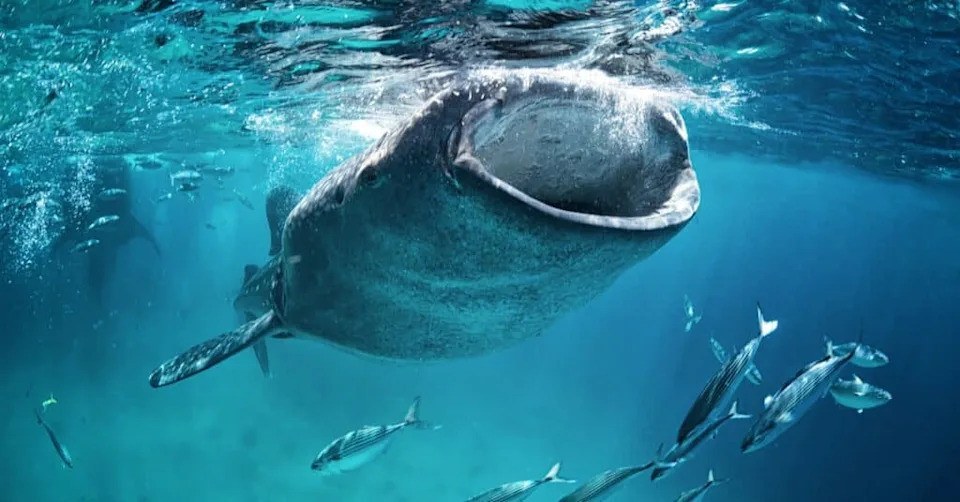
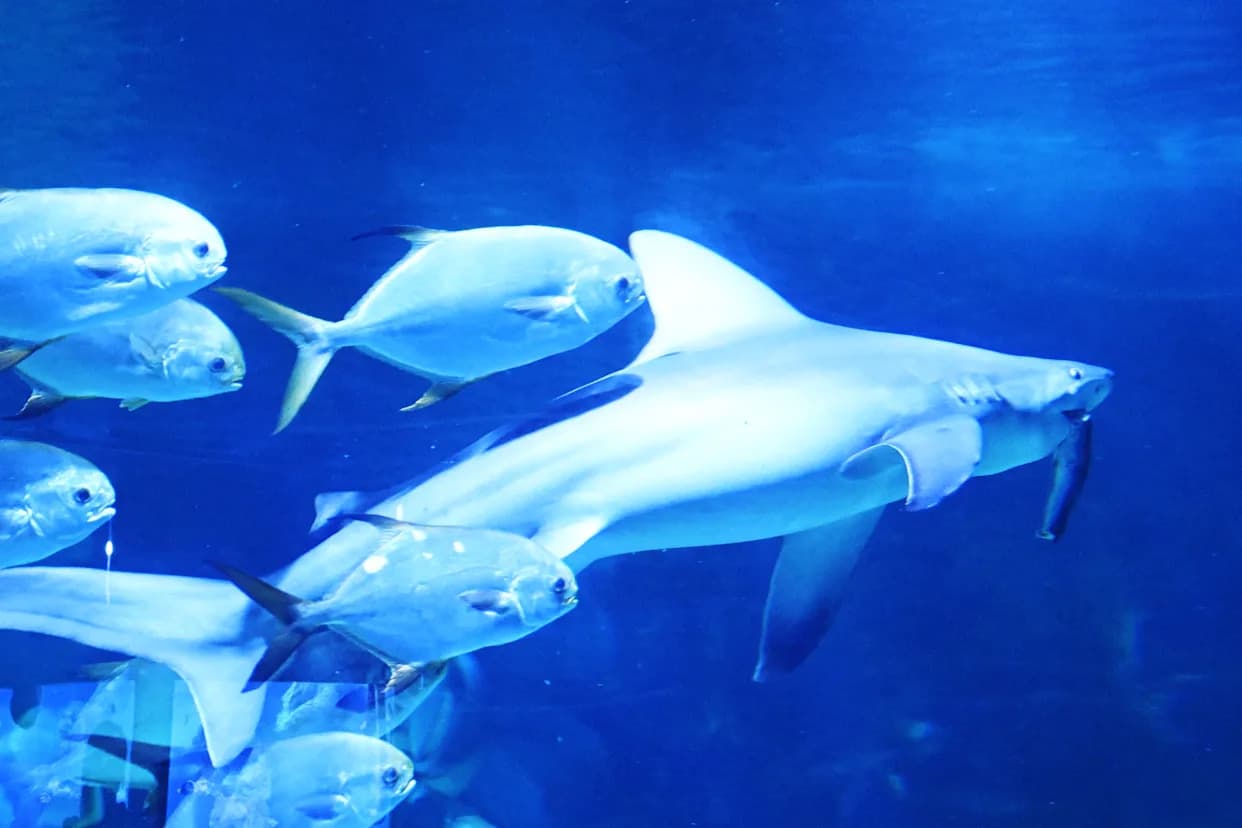
Filter feeders, like the whale shark, strain small prey like plankton from the water through unique filtering gills.©Fata Morgana by Andrew Marriott/Shutterstock.com(Fata Morgana by Andrew Marriott/Shutterstock.com)
Ecological Insights
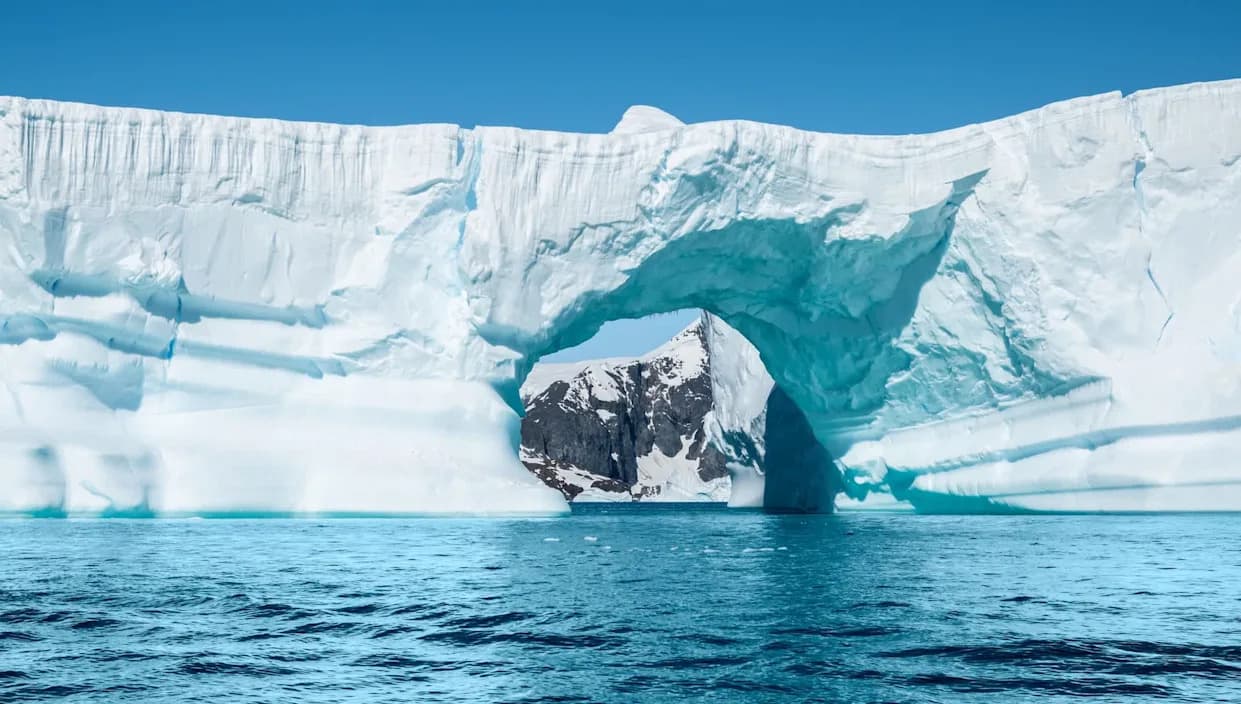
The fossils also offer ecological clues. Although much of the Early Cretaceous was globally warm, the Darwin area experienced colder, sometimes near-freezing conditions. Large body size would reduce heat loss and support extended range and endurance in cooler water. The study suggests a combination of mesothermy (physiological warming above ambient water temperature), opportunistic feeding, and even partial filter-feeding may have supported rapid size increases.
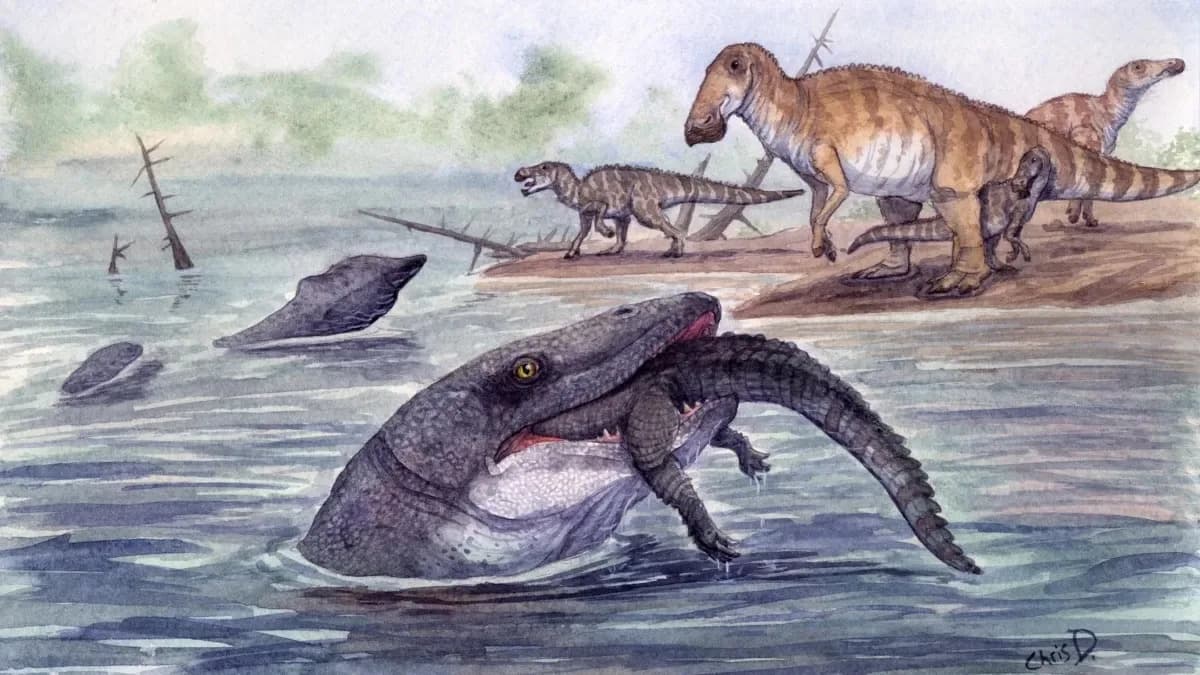
The Darwin Formation assemblage is dominated by medium-sized marine reptiles and fish and represents a shallower-shelf environment on the Money Shoals Platform. That habitat may have favored inshore gigantism first, with later expansion into offshore ecosystems. Cardabiodontidae likely preyed on fish and aquatic tetrapods — sea turtles, ichthyosaurs and possibly early marine mammals — while sharing waters with other apex predators such as the plesiosaur Kronosaurus.
Broader Implications and Open Questions
These findings complicate the narrative of gradual, linear size increase in lamniform sharks. Instead, gigantism appears to have arisen multiple times, in different places and under varying environmental pressures. Key questions remain: Did local cooling spur rapid gigantism? Were some lineages genetically predisposed to large size? And could modern ocean changes — warming, acidification, shifting food webs — influence body-size trajectories in living lamniforms?
For Fossil Enthusiasts
On a personal note, many fossil hunters will relate to the thrill of finding a fragment of deep time on a modern shore. A one-inch megalodon tooth found on Morris Island is a reminder that bits of those ancient oceans still wash up today and connect us to the story told by fossils like the Darwin centra.
Study reference: Communications Biology (2025) — reassessment of Darwin Formation vertebral centra attributed to Cardabiodontidae.
Help us improve.