German researchers exposed over 600 blacktip reef shark teeth to present-day and projected 2300 acidity levels and observed cracks, holes, root corrosion and internal degradation under higher acidity. The findings suggest ocean acidification could weaken shark teeth and impair feeding efficiency, though in vivo protections and tooth replacement may mitigate effects. Experts note the study used isolated teeth and caution that overfishing remains the most immediate threat to many shark populations.
Study Finds Ocean Acidification Can Corrode Shark Teeth, Potentially Weakening Top Predators
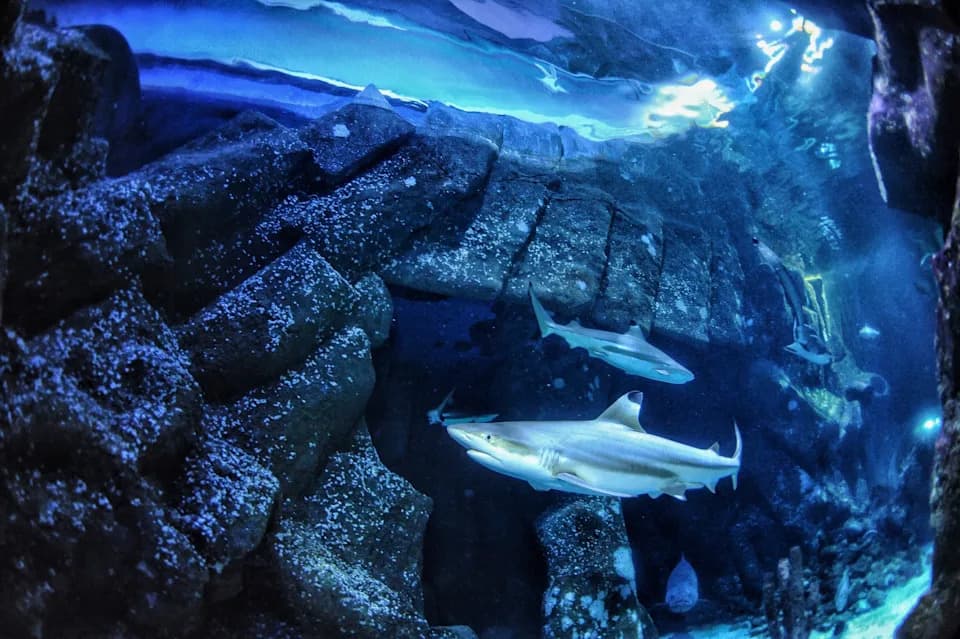
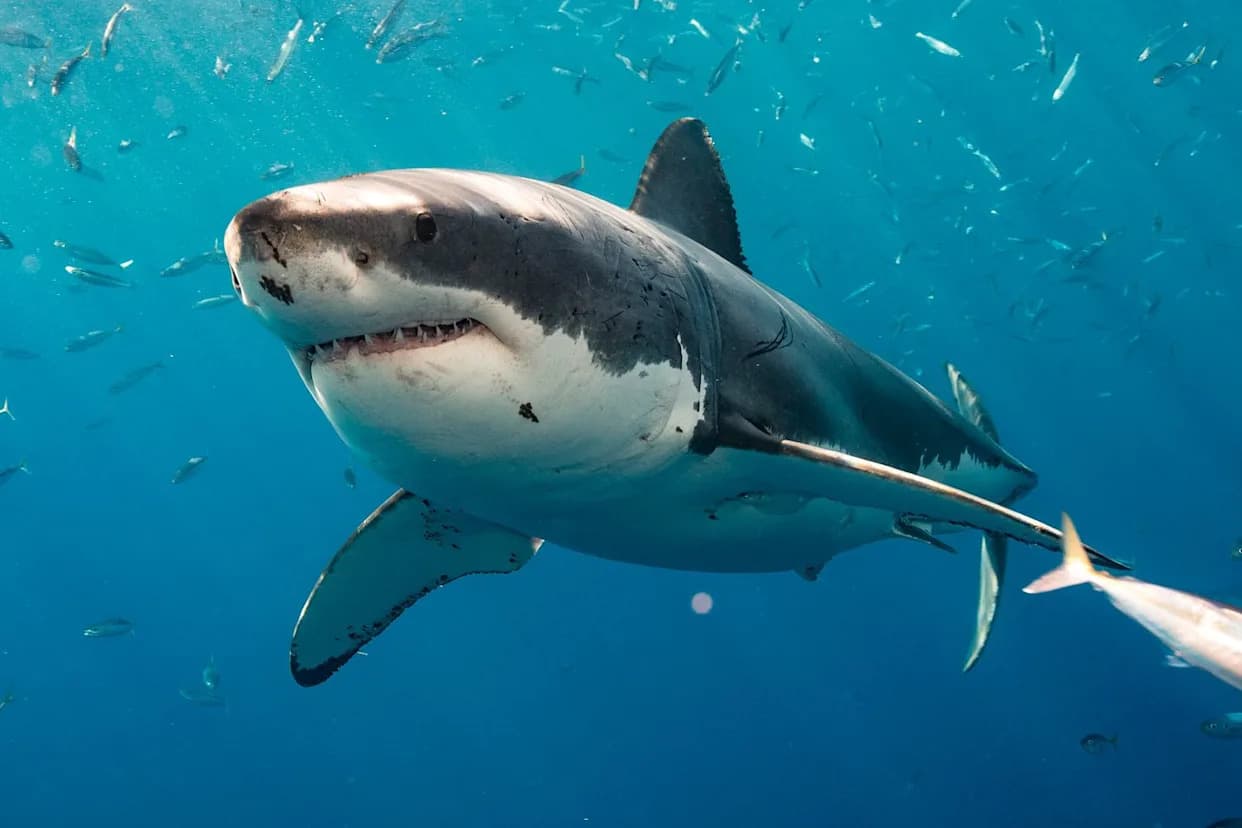
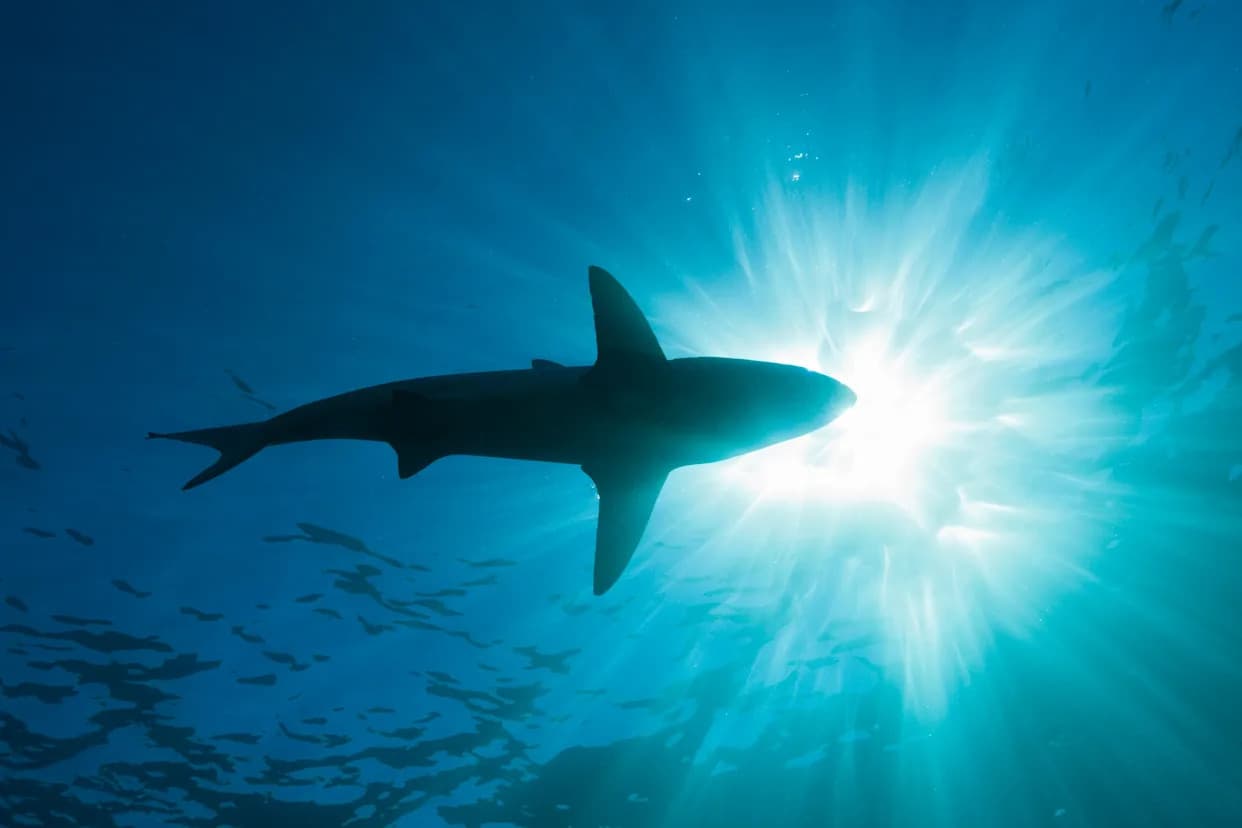
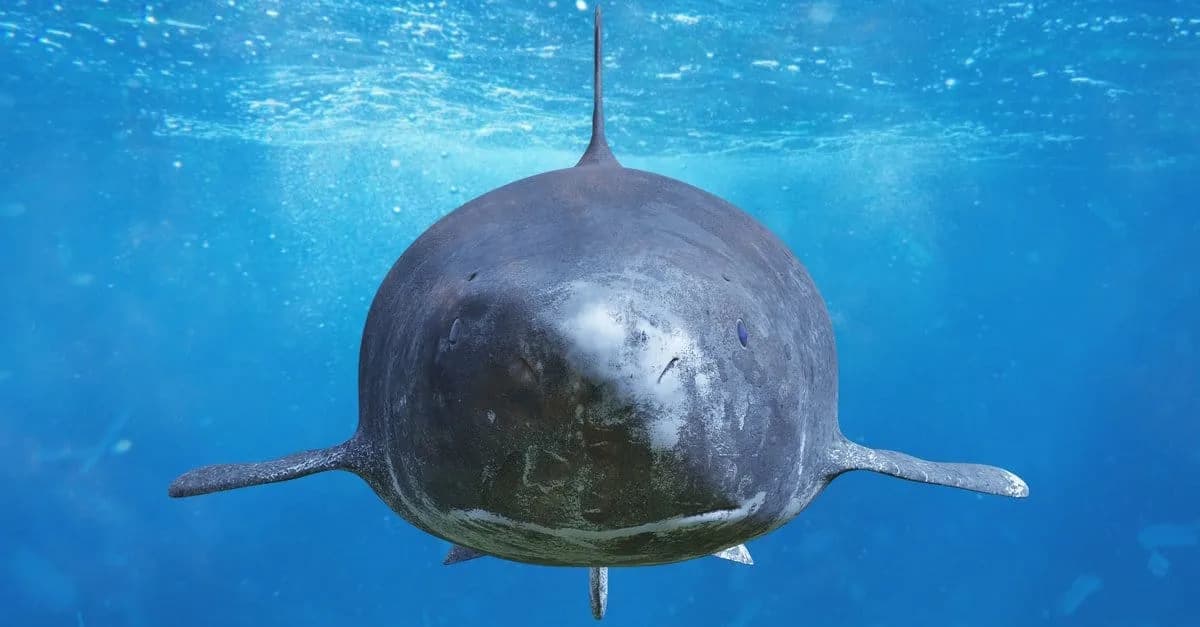
In this undated handout photo provided by Heinrich Heine University Duesseldorf in January 2026, a blacktip reef shark swims at Sealife Oberhausen in Oberhausen, Germany. (Maximilian Baum/Heinrich Heine University Duesseldorf via AP)(ASSOCIATED PRESS)
Sharks depend on continuously renewed, razor-sharp teeth to remain effective predators, but a new study suggests that rising ocean acidity could corrode tooth material and make teeth more prone to cracking and structural failure.
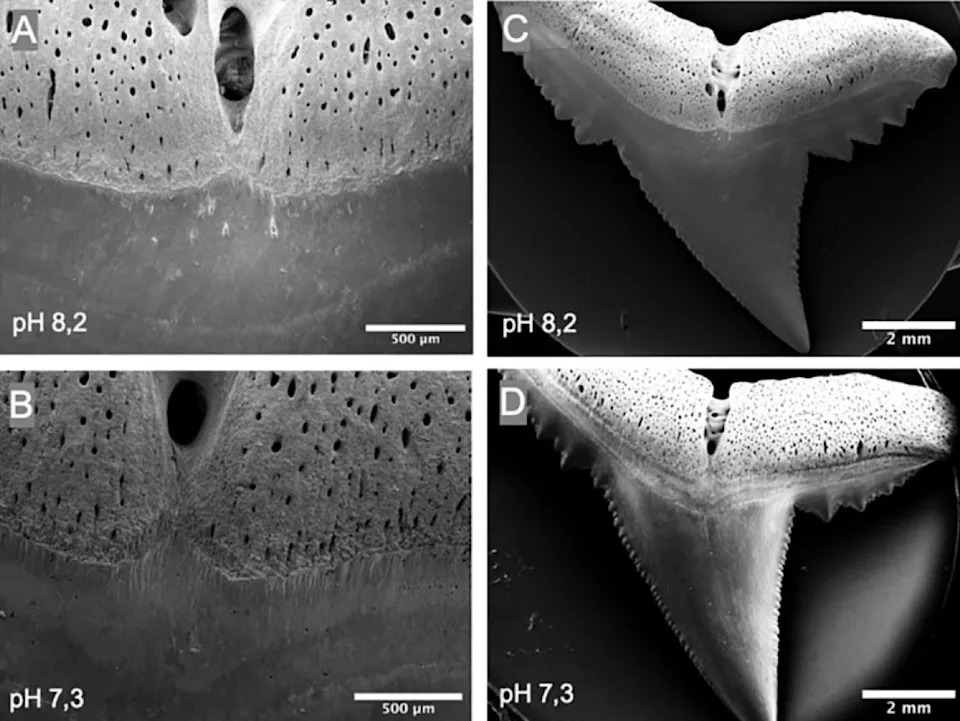
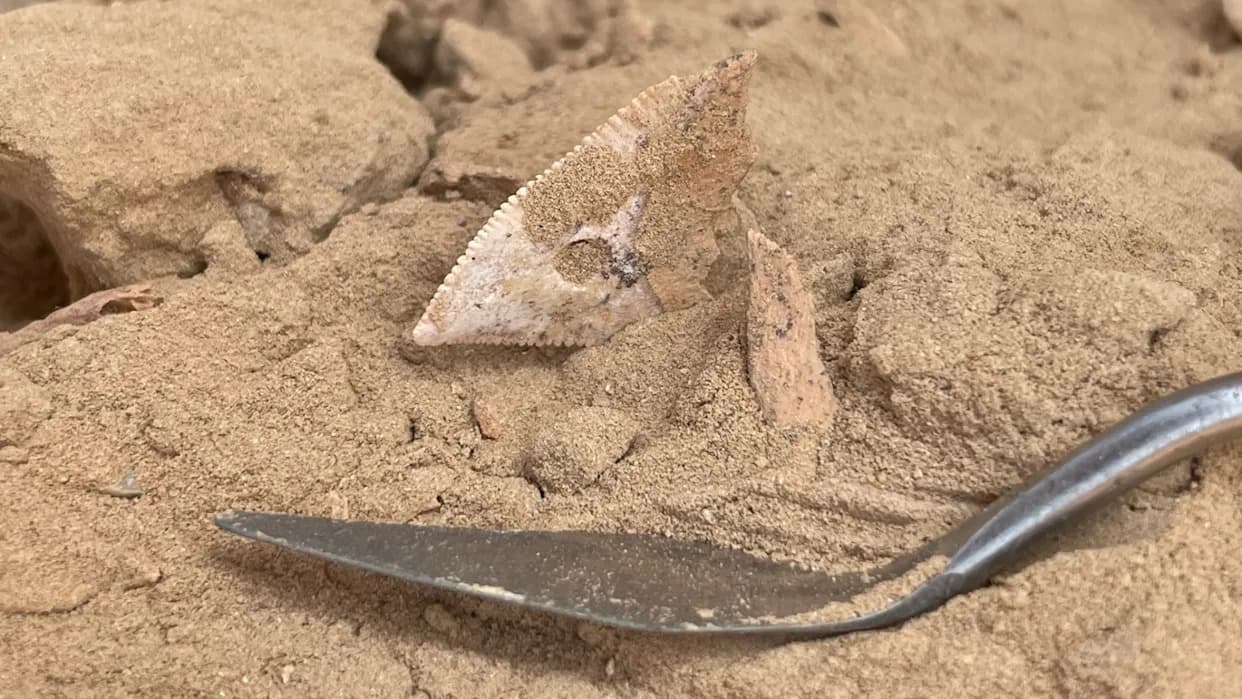
In this undated handout image provided by Heinrich Heine University Duesseldorf in January 2026, shows teeth from a blacktip reef shark, seen in Germany. (Steffen Koehler/Heinrich Heine University Duesseldorf via AP)(ASSOCIATED PRESS)
Study Methods and Findings
German researchers led by Maximilian Baum of Heinrich Heine University Düsseldorf examined more than 600 discarded teeth from blacktip reef sharks housed in an aquarium. The team immersed those teeth in seawater conditions representing present-day acidity and projected acidity for the year 2300. Under the higher-acidity scenario, teeth developed pronounced damage—cracks and holes, corroded roots and internal structural degradation.
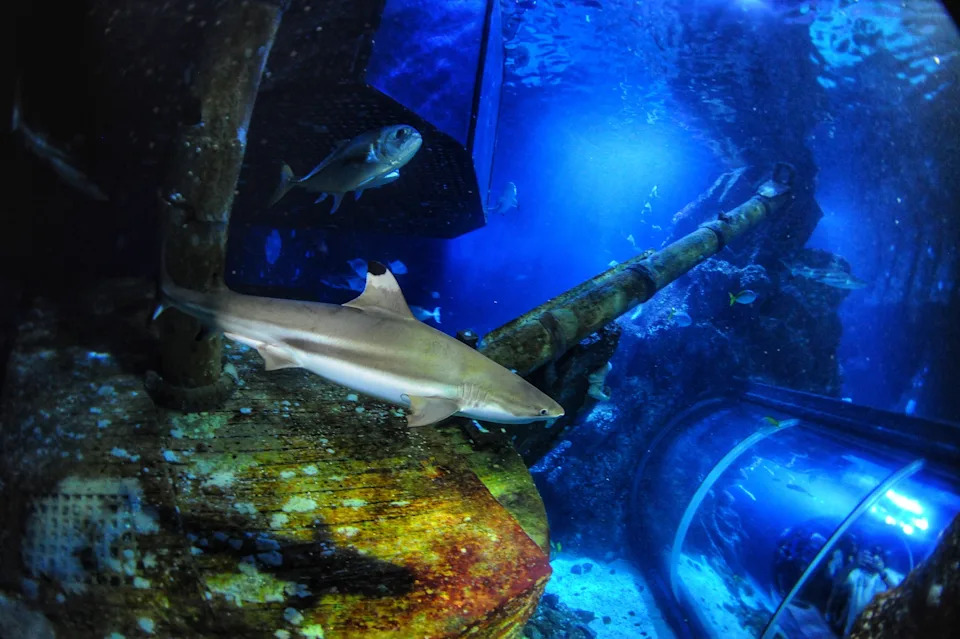
In this undated handout photo provided by Heinrich Heine University Duesseldorf in January 2026, a blacktip reef shark swims at Sealife Oberhausen in Oberhausen, Germany. (Maximilian Baum/Heinrich Heine University Duesseldorf via AP)(ASSOCIATED PRESS)
What This Means For Sharks
The researchers concluded that ocean acidification could significantly alter the morphological properties of shark teeth, potentially reducing their mechanical effectiveness. Because sharks rely on repeated tooth replacement throughout life, this corrosive effect could still impair feeding efficiency if replacements are also exposed to acidic waters.
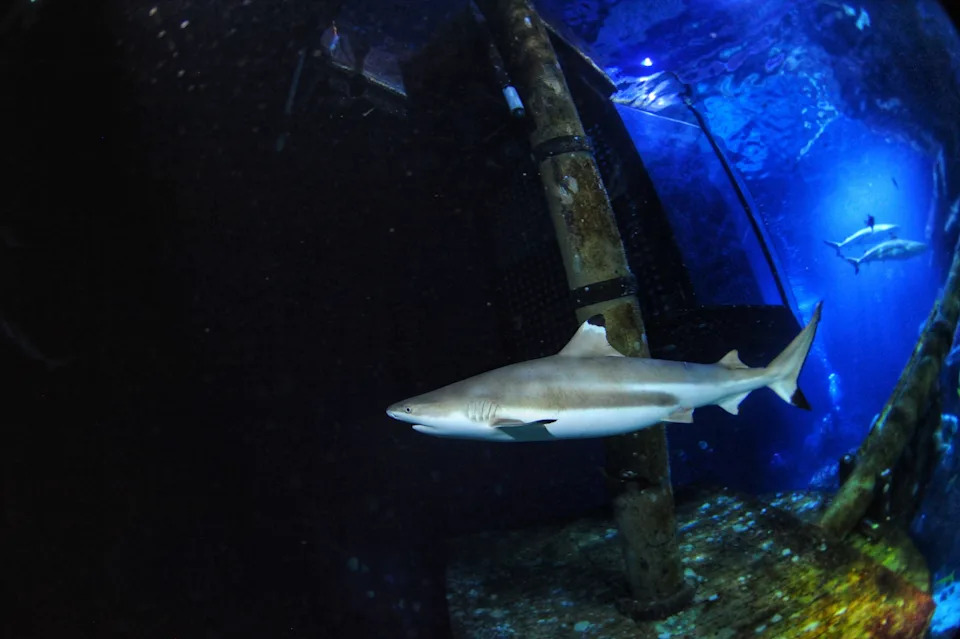
In this undated handout photo provided by Heinrich Heine University Duesseldorf in January 2026, a blacktip reef shark swims at Sealife Oberhausen in Oberhausen, Germany. (Maximilian Baum/Heinrich Heine University Duesseldorf via AP)(ASSOCIATED PRESS)
“We found there is a corrosion effect on sharks' teeth,” Baum said, noting that weakened teeth would add to existing threats such as pollution, overfishing and climate change.
Limitations and Expert Commentary
Independent scientists emphasized important caveats. Nick Whitney of the New England Aquarium noted that developing teeth form inside mouth tissue and may be partially shielded from seawater chemistry for a time, and Gavin Naylor of the Florida Museum of Natural History stressed that overfishing remains the more immediate threat to many shark populations. The study used isolated, discarded teeth (ex vivo), so in vivo effects on living sharks could differ.
Broader Implications
Beyond sharks, ocean acidification threatens organisms that build shells or mineralized structures. Agencies such as NOAA warn that shellfish like oysters and clams will struggle to form shells in more acidic seas, and some research suggests fish scales and other mineralized tissues could become weaker—changes that would ripple through marine food webs.
Publication: The study appears in Frontiers in Marine Science. The authors cite projections that, under high-emission scenarios, ocean waters could become substantially more acidic by 2300—potentially approaching an order-of-magnitude change in acidity relative to today.
Conservation Context: More than one-third of shark species are currently listed as threatened by the International Union for Conservation of Nature (IUCN). While sharks have survived for hundreds of millions of years, the addition of acidification-driven dental corrosion to existing pressures could worsen risks for vulnerable species.
Help us improve.