Researchers using chemical and anatomical analyses of fossils from the Rhynie chert have reclassified the 370‑million‑year‑old genus Prototaxites as a member of an entirely extinct eukaryotic lineage rather than a fungus or plant. The trunk‑like organism reached about 26 ft (8 m) tall and lived between roughly 420 and 370 million years ago. Authors say the fossil represents an independent evolutionary experiment in building large terrestrial organisms and sheds new light on early land ecosystems.
Ancient 26‑ft Giant Reclassified — Prototaxites Placed in an Entirely New Extinct Branch of Life
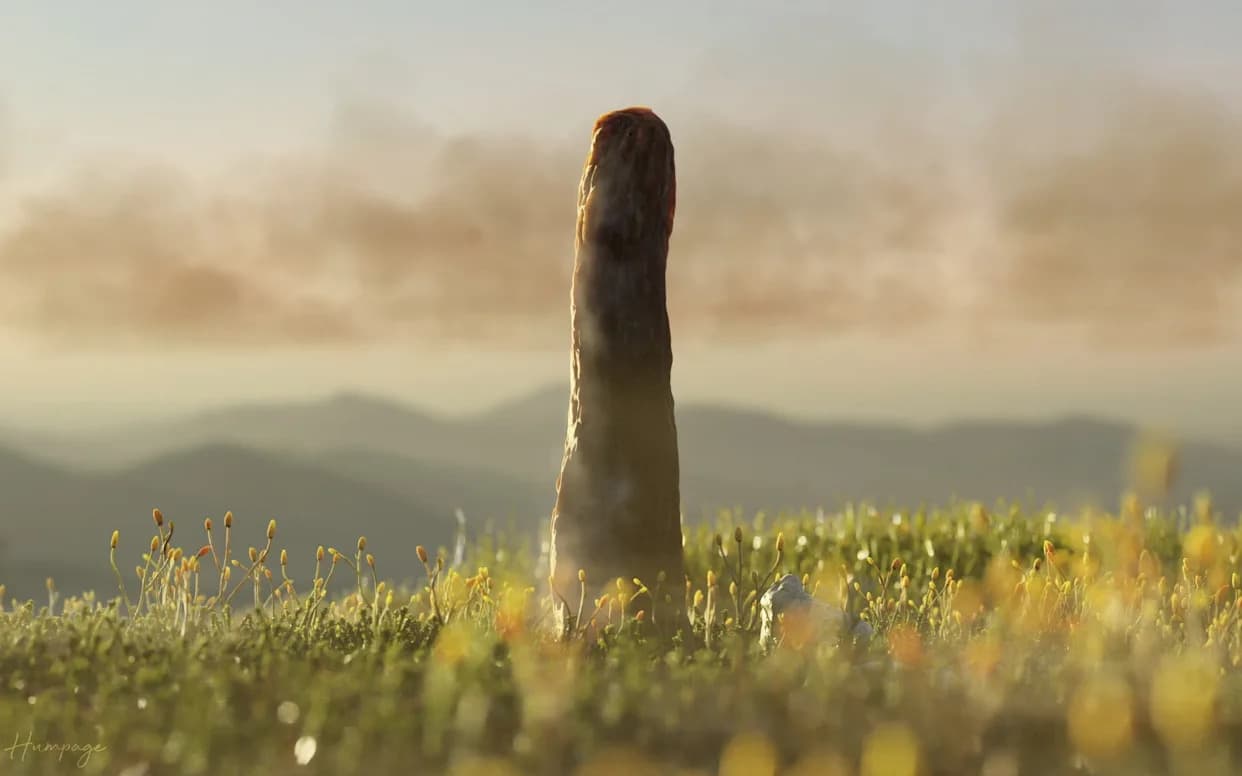
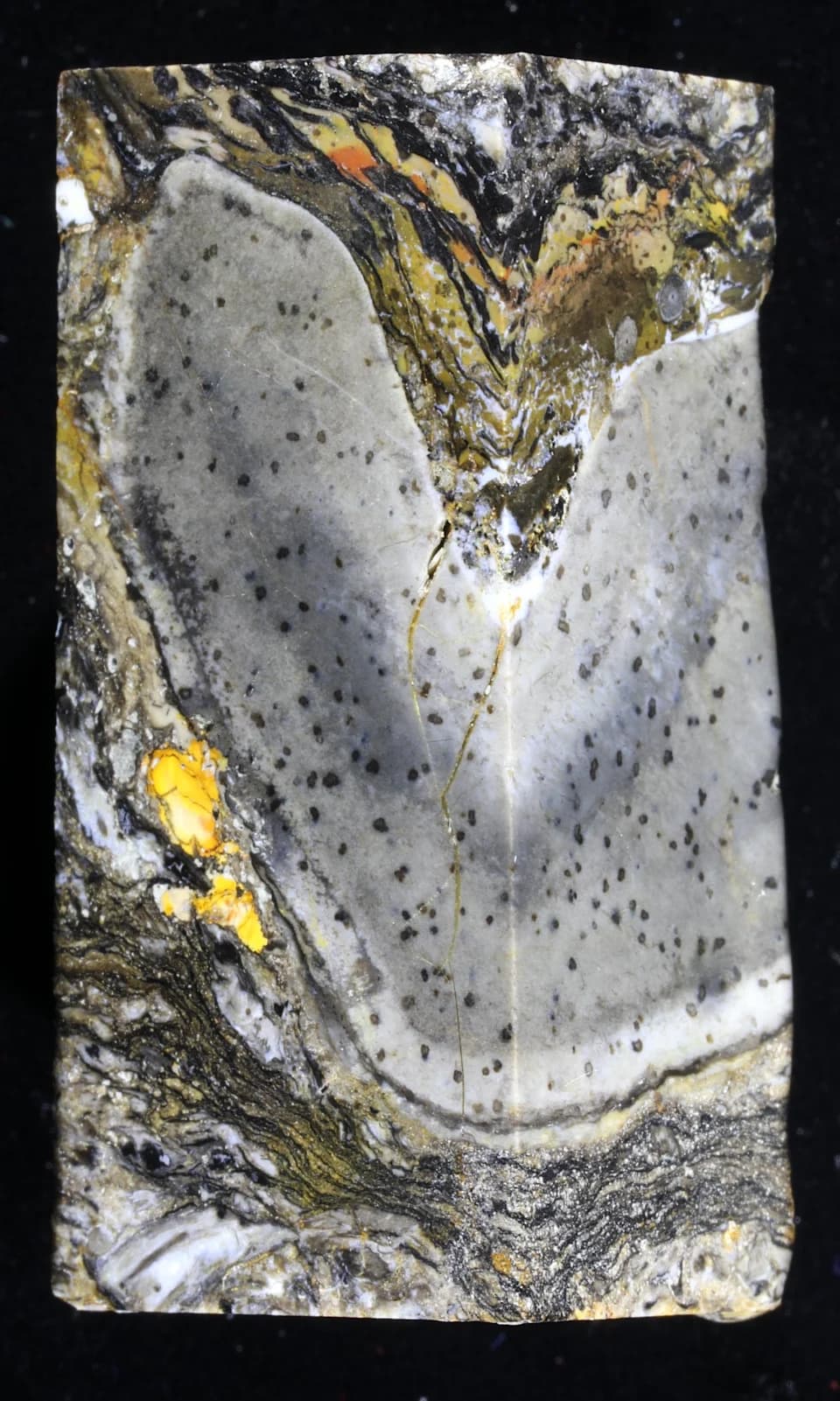
The Prototaxites fossil, which is about 407 million years old, was found near the village of Rhynie in Aberdeenshire - Matt Humpage
Researchers reviewing exceptionally preserved fossils from Scotland have reclassified the mysterious 370‑million‑year‑old organism Prototaxites as neither plant nor fungus but as a representative of an entirely extinct eukaryotic lineage. The towering, trunk‑like fossils — which could reach roughly 26 ft (about 8 m) tall — were studied using chemical and anatomical techniques that compared specimens from the 407‑million‑year‑old Rhynie chert deposit in Aberdeenshire with contemporaneous fungi and plants.
What the team found
The new molecular and structural analyses show that Prototaxites is chemically and structurally distinct from known fungi and plants. The evidence argues against earlier ideas that it was a giant fungus, a conifer, or a lichen‑style symbiosis. Instead, the authors conclude it is best assigned to a separate, now‑extinct lineage of complex eukaryotic life that arose during the Late Silurian to Late Devonian (about 420–370 million years ago).
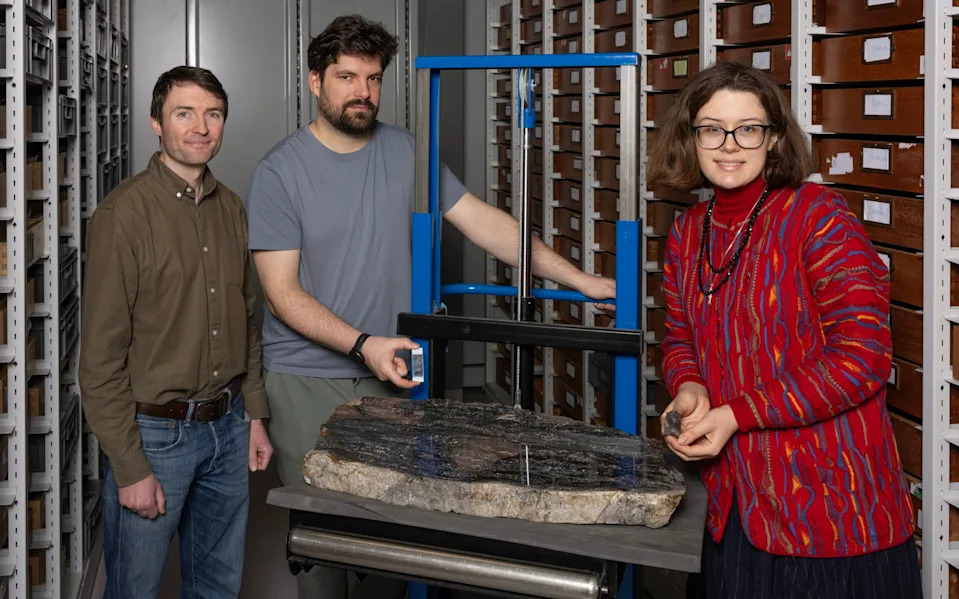
Researchers Sandy Hetherington (L), Corentin Loron (C) and Laura Cooper (R) with sample fossils of the species Prototaxites. - Neil Hanna/PA
“They are life, but not as we now know it — displaying anatomical and chemical characteristics distinct from fungal or plant life, and therefore belonging to an entirely extinct evolutionary branch of life,” said Sandy Hetherington, lead co‑author and research associate at National Museums Scotland.
Historical confusion about Prototaxites dates back to the 19th century: fossils were first collected in 1843 and in 1857 J. W. Dawson suggested they were partly decayed giant conifers. Since then, paleontologists have debated its affinities. The new study used modern molecular fingerprinting and detailed anatomical comparisons of Rhynie chert material — one of the best‑preserved early terrestrial ecosystems — to settle major lines of evidence.
Why this matters
If interpreted correctly, Prototaxites represents an independent evolutionary experiment in building large terrestrial organisms long before modern trees and many land animals dominated continents. As one of the earliest truly giant land organisms, it would have towered over most contemporary plants and animals and contributes important information about early terrestrial ecosystems and the diversity of eukaryotic life in deep time.
“Our study, combining analyses of the chemistry and anatomy of this fossil, demonstrates that Prototaxites cannot be placed within the fungal group,” said Laura Cooper, co‑author and doctoral student at the University of Edinburgh’s Institute of Molecular Plant Sciences. “As previous researchers have excluded Prototaxites from other groups of large complex life, we concluded that it belonged to a separate and now entirely extinct lineage of complex life.”
The findings are published in Science Advances, and they revive interest in how diverse early terrestrial life forms were and how many distinct evolutionary experiments occurred as life colonized land.
Help us improve.