Machimosaurus rex is a newly described giant marine crocodyliform from sandstone deposits in southern Tunisia. The skull exceeds 5 feet, and reconstructions estimate the animal at about 30 feet long and roughly 3 tons—large enough to be an apex marine predator. Its broad skull and stout teeth indicate a crushing bite adapted to eat giant turtles and large bony fish, and the genus appears to have persisted beyond a previously assumed Jurassic–Cretaceous extinction boundary.
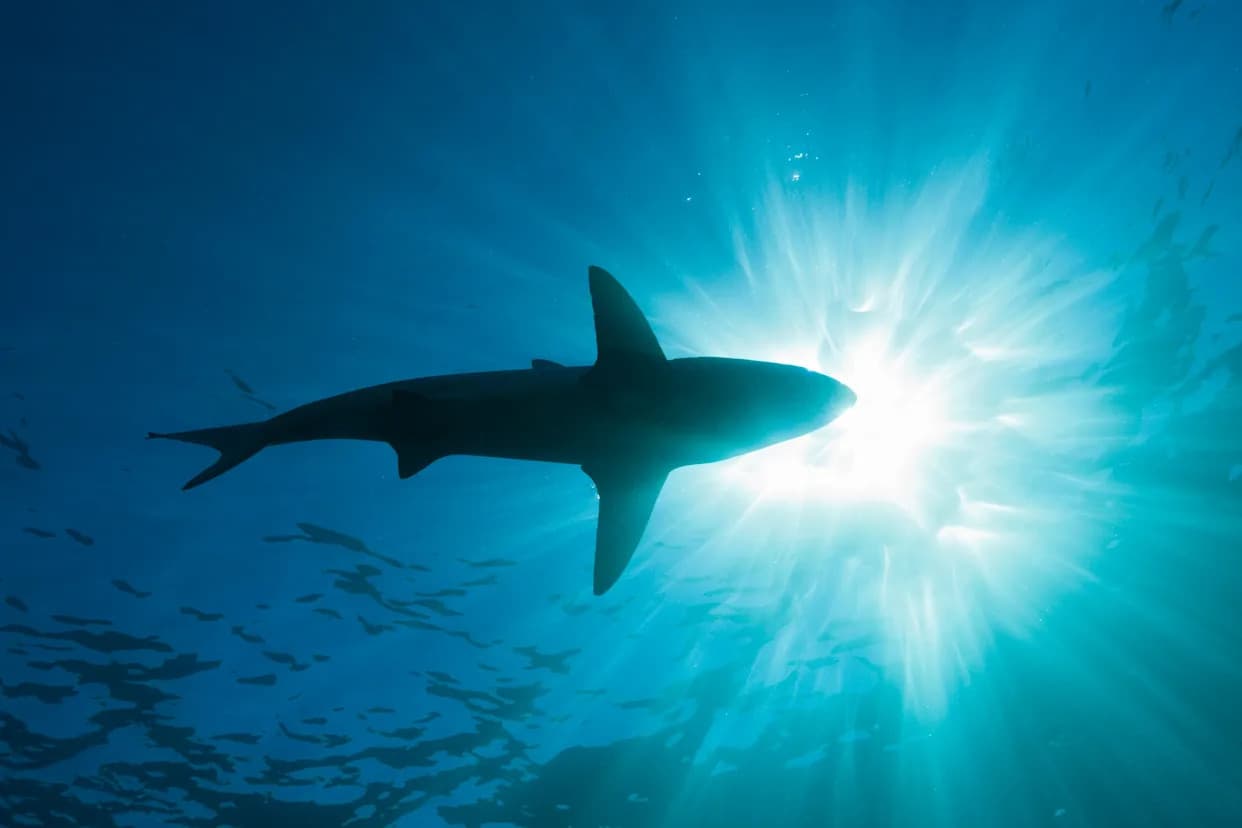
Before Great Whites Dominated, This 30-Foot Crocodile Ruled the Seas
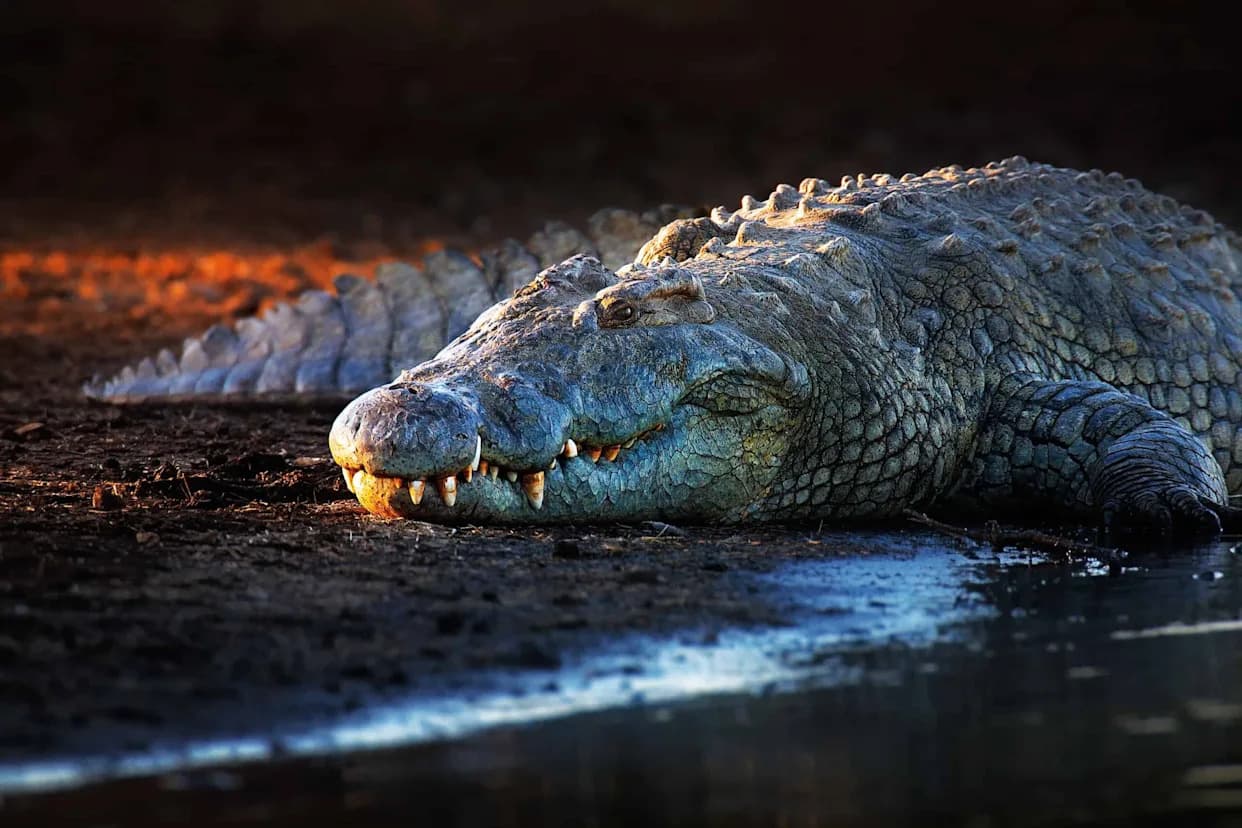
crocodile© Johan Swanepoel/Shutterstock.com
Fossils recovered from sandstone in the modern Sahara reveal a giant marine crocodyliform: Machimosaurus rex, an apex predator estimated at roughly 30 feet long with a skull longer than 5 feet and a body mass near 3 tons. The specimen, described by Federico Fanti and colleagues, expands our understanding of how large sea‑dwelling crocodiles could grow and how long their lineage persisted.

Forget what you know about ancient extinctions. This 3-ton marine crocodile wasn't just an apex predator; it *survived* a supposedly terminal global extinction event.© A-Z Animals
Discovery
While sampling ancient sandstone deposits in southern Tunisia, a team led by Federico Fanti uncovered the large skull and associated remains of Machimosaurus rex. The fossils were found in strata that, during the Jurassic, represented a lagoonal environment connected to the sea. Associated finds—turtles, bony fish and other marine life—support the interpretation of a coastal or shallow marine habitat.
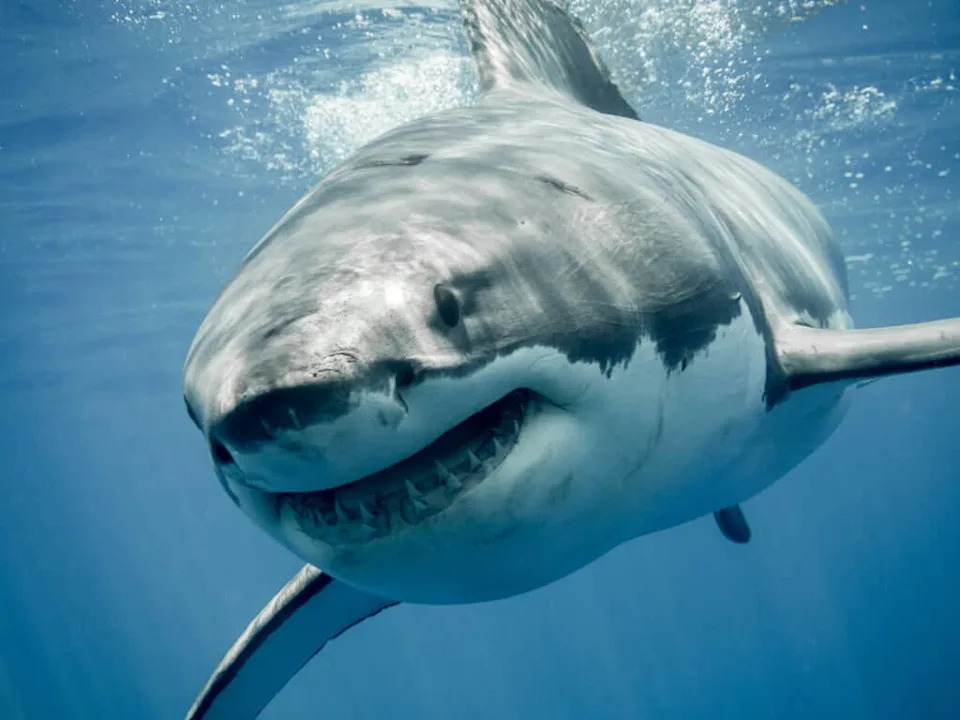
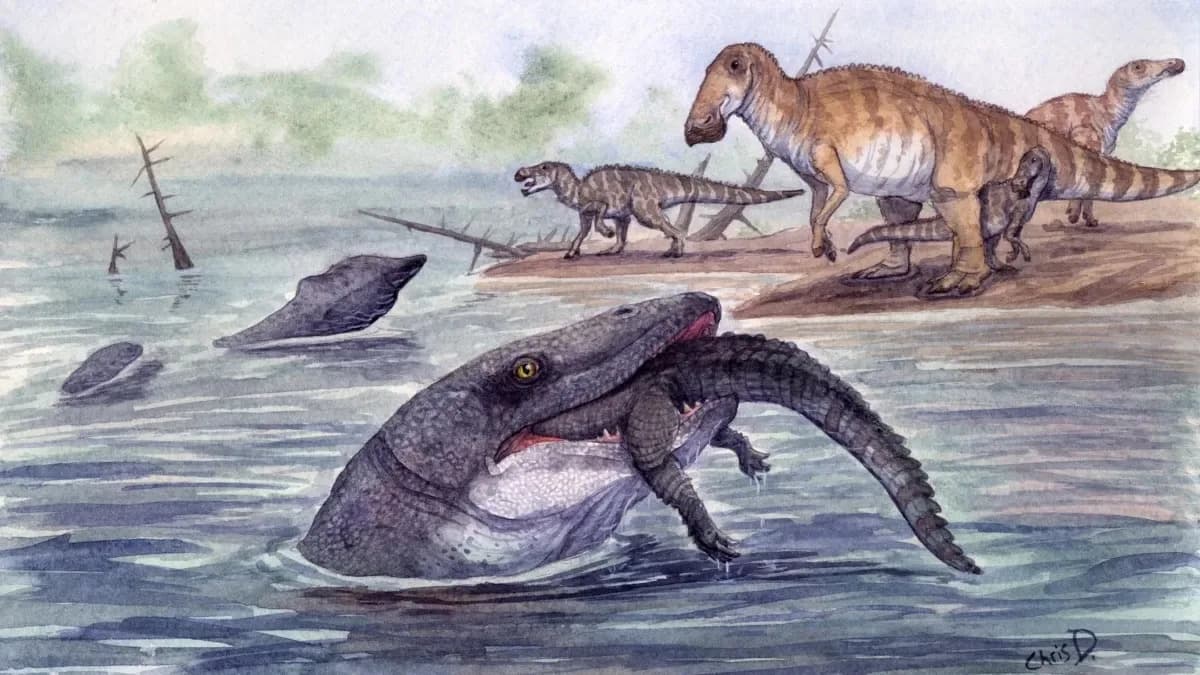
The ancient crocodile species,Machimosaurus rex, was the largest marine crocodile — longer than a great white shark — and one of the largest crocodylians to ever live.©Ramon Carretero/Shutterstock.com
Size and Anatomy
The first exposed element was a skull measuring over five feet in length. Skeletal reconstruction and comparative scaling led researchers to estimate a total body length of about 30 feet and a weight around 3 tons. Machimosaurus rex had a broad, robust skull and relatively short, stout teeth—features consistent with very high bite forces suited for crushing.
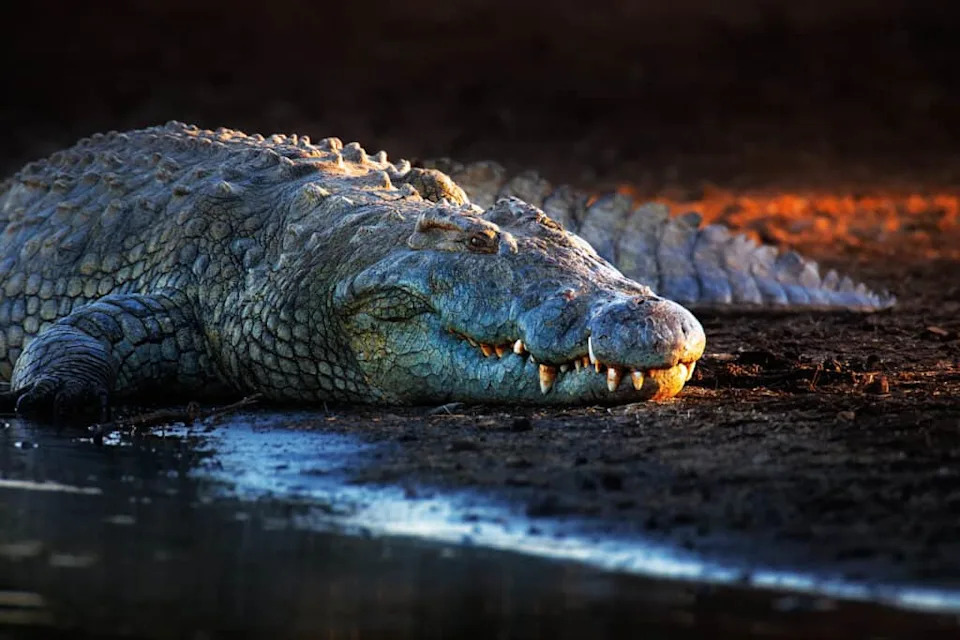
Machimosaurus rexwould have been significantly larger than today’s crocodiles©Johan Swanepoel/Shutterstock.com
“It’s just big. It’s almost the size of a bus.” — Federico Fanti
Diet and Ecology
The skull shape and dentition indicate a crushing feeding style rather than a slashing or piercing one. Machimosaurus rex was likely specialized to feed on hard‑shelled prey such as giant turtles and large bony fish, using powerful bites to crack shells and bones. Its size and adaptations suggest it occupied the apex predator role in its ecosystem, with few contemporaries able to challenge it.

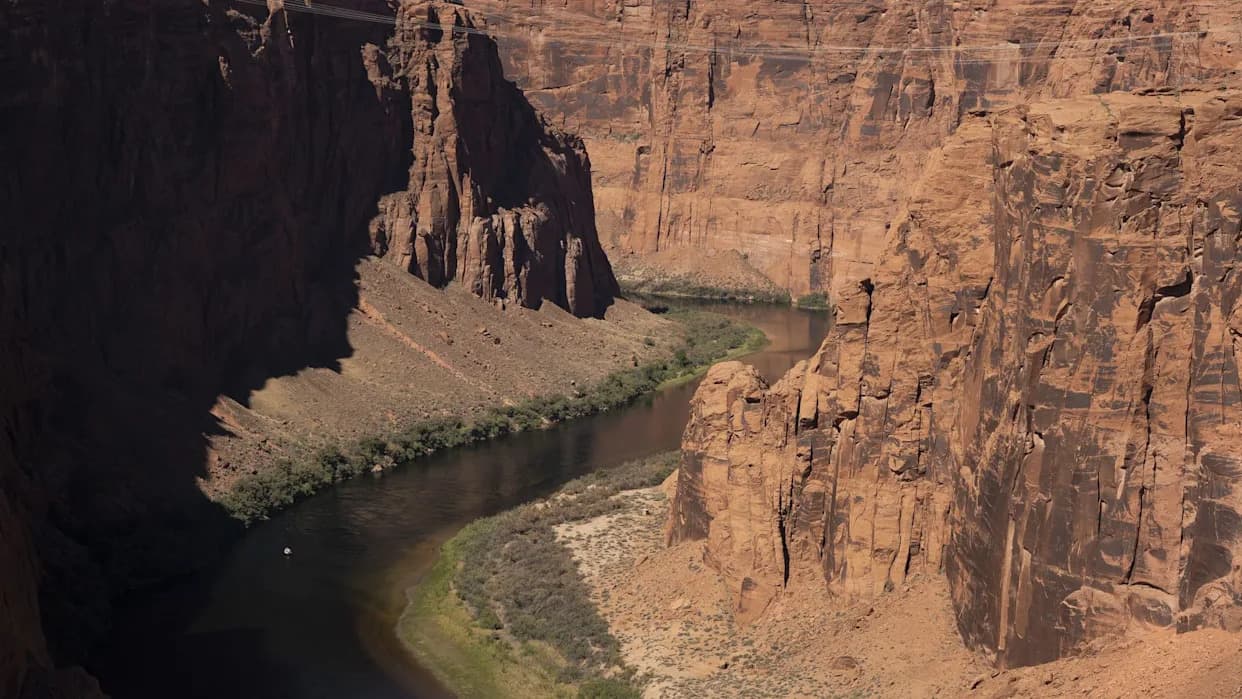
The first fossils of Machimosaurus rex were discovered in the Sahara Desert, although it would have been a lagoon millions of years ago.©Anton Petrus/Shutterstock.com
When It Lived
Although once thought to have been eliminated at a Jurassic–Cretaceous turnover event, evidence indicates the Machimosaurus lineage persisted beyond that boundary. Most researchers currently estimate the genus disappeared around 130 million years ago.
Modern Comparisons
For context, a typical great white shark today measures about 13–16 feet and weighs roughly 4,200–5,000 pounds. Machimosaurus rex would have been roughly twice the length of an average great white and substantially heavier. The largest living crocodylian, the saltwater crocodile, reaches lengths up to about 20 feet and weights around 2,200–2,900 pounds—still notably smaller than this Jurassic giant.
Significance
Machimosaurus rex demonstrates that marine crocodyliforms achieved extraordinary sizes and specialized ecologies long before modern marine predators like the great white shark rose to prominence. The Tunisian finds also underscore the value of Sahara fossil beds for reconstructing ancient coastal ecosystems.
Credits: Fossils described by Federico Fanti and colleagues; specimen recovered from Jurassic sandstone in modern‑day Tunisia.
Help us improve.