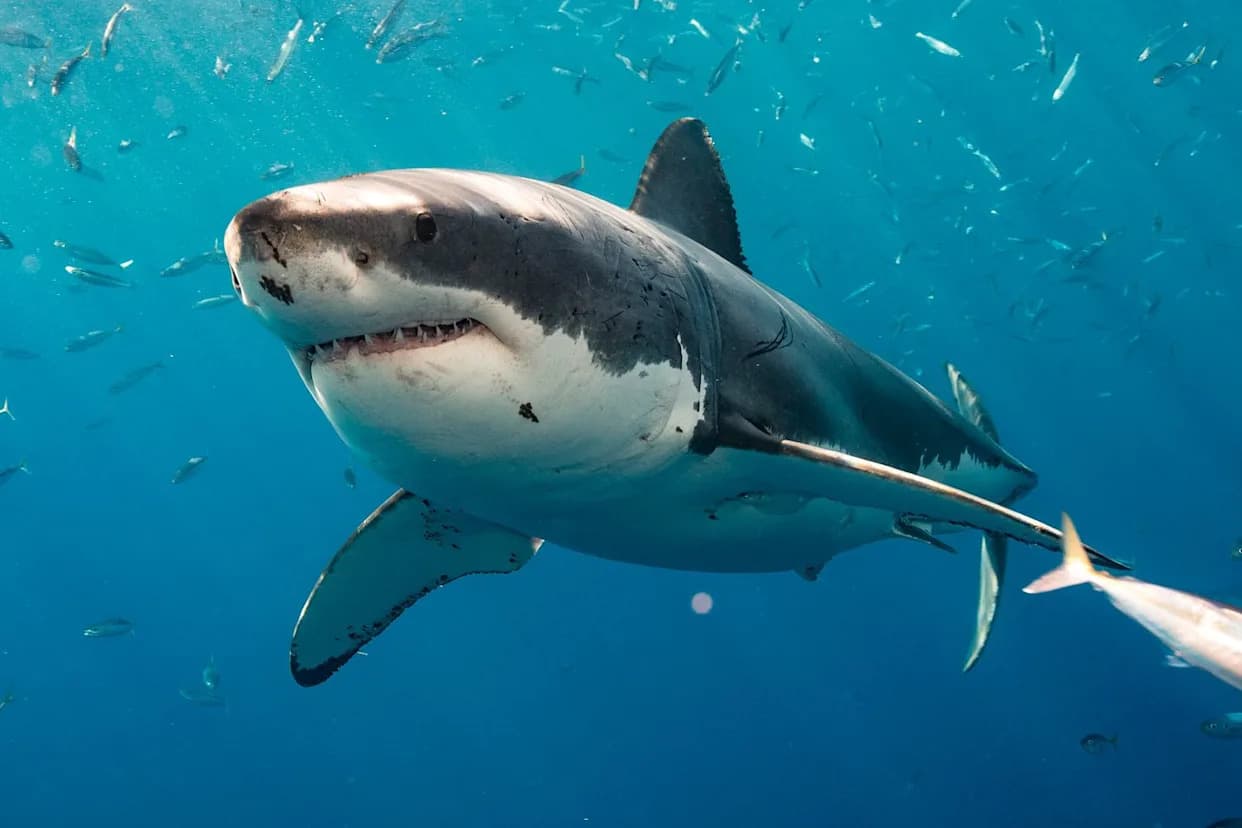
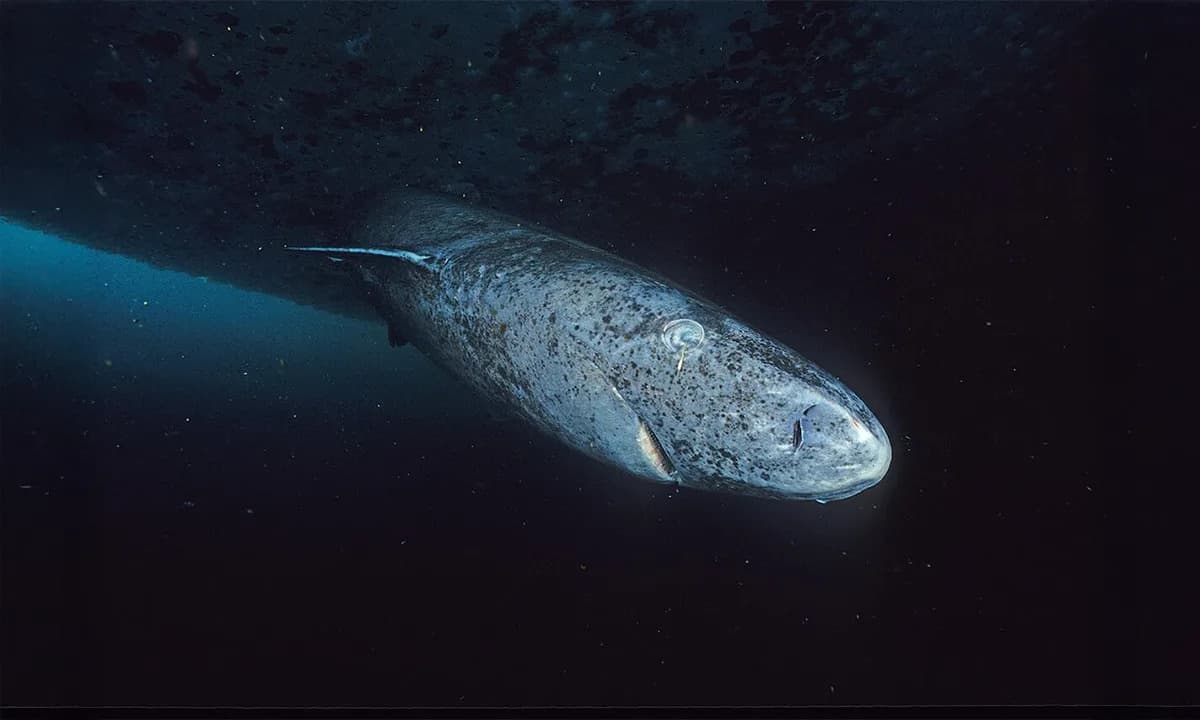
Five fossil vertebrae found on an Australian beach were used to estimate an ancient shark roughly 8 metres long that lived about 15 million years before the megalodon. The research, published in Communications Biology and reported alongside related coverage in Current Biology, suggests very large sharks appeared earlier than previously believed. Scientists plan more searches to find additional remains and better place this giant predator in the shark evolutionary tree.
Giant Ancient Shark Found Off Australia — An 8‑Metre Predator That Pre‑Dates Megalodon
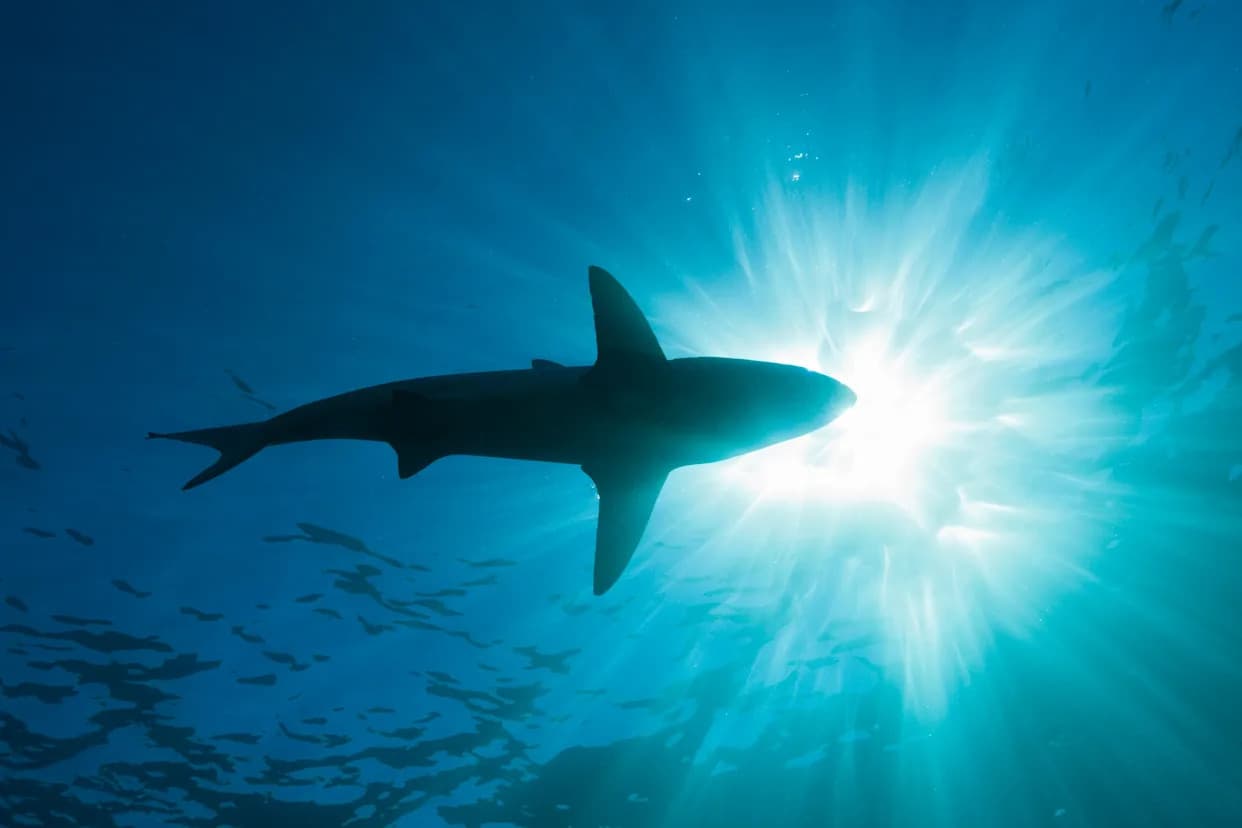
Researchers report that a colossal shark, larger than most modern great whites, patrolled waters off what is now Australia roughly 15 million years before the rise of the megalodon. The estimate appears in a paper published earlier this year in Communications Biology, and related coverage has also appeared alongside reporting in Current Biology.
What Was Found
Paleontologists analysed a set of five fossil vertebrae recovered from an Australian beach. Using standard scaling methods, the team estimated the animal’s total length at about 8 metres — compared with roughly 6 metres for a very large modern great white shark.
“It would’ve looked for all the world like a modern, gigantic shark, because this is the beauty of it,” said Benjamin Kear, senior curator at the Swedish Museum of Natural History and a co‑author of the study, to the Associated Press. “This is a body model that has worked for 115 million years, like an evolutionary success story.”
Why It Matters
Sharks have a deep evolutionary history on Earth — roughly 450 million years — but direct relatives of the modern great white first appear in the fossil record around 135 million years ago, and those early forms were generally small (around 1 metre). Previous discoveries had suggested truly massive species such as the megalodon — which may have reached up to about 17 metres — emerged nearer to 100 million years ago. The new vertebra analysis suggests that giant-bodied sharks appeared earlier than those previous estimates implied.
Next Steps
The research team plans further fieldwork and targeted searches for comparable remains to better map shark body‑size evolution through deep time. Recovering additional fossils would help place this eight‑metre predator more securely within the shark family tree and clarify when very large marine predators first evolved.
Note on Interpretation: Length estimates based on a small number of vertebrae are inherently provisional. The authors and reporting outlets emphasise that additional specimens are needed to confirm taxonomy, exact size and evolutionary relationships.
Help us improve.