Researchers from five institutions have identified a new genus and species of hadrosaur from the Bisti Badlands in New Mexico. The newly recognized duck‑billed dinosaur is far larger than typical hadrosaurs, estimated near 8 tons, and its teeth and jaws confirm a herbivorous diet. The discovery — tied to specimens collected nearly 100 years ago and recent field finds — highlights a coastal, jungle environment 75 million years ago and underscores the need for more fieldwork to find additional specimens.
New Giant Hadrosaur Discovered in New Mexico’s Bisti Badlands
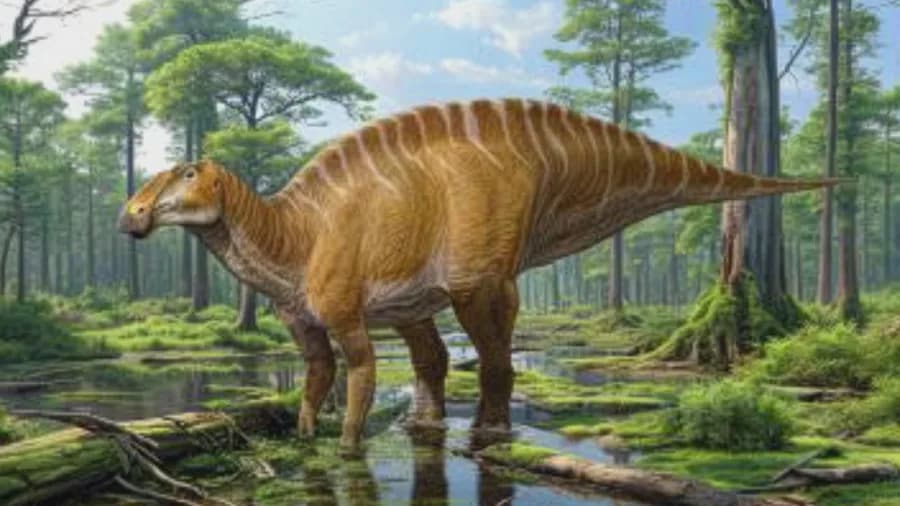
New dinosaur discovered sheds light on New Mexico’s Bisti Badlands
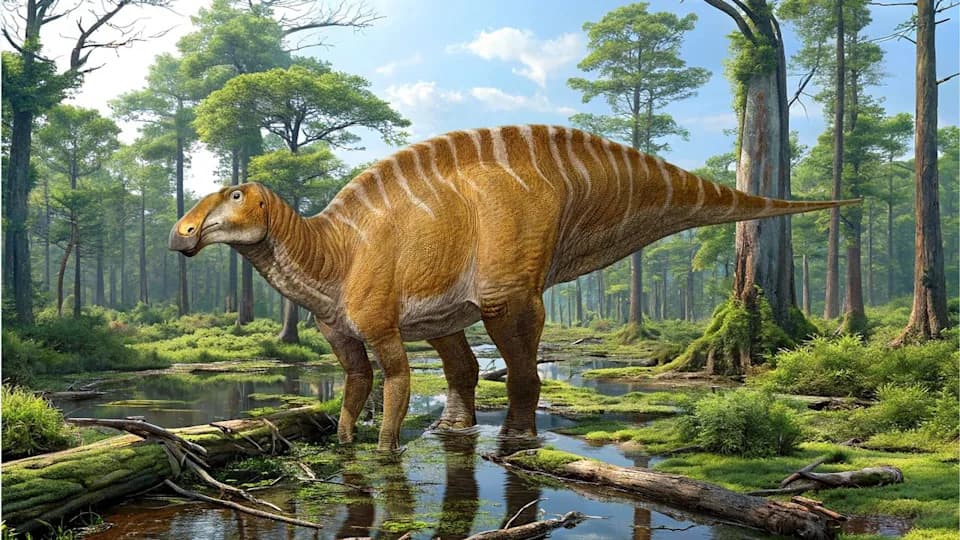
Researchers have identified a previously unknown genus and species of hadrosaur — the duck‑billed dinosaurs — from fossils recovered in New Mexico’s Bisti Badlands. The find reveals a much larger member of this familiar group and offers new insight into the region’s Late Cretaceous environment.
A Coastal Past Revealed
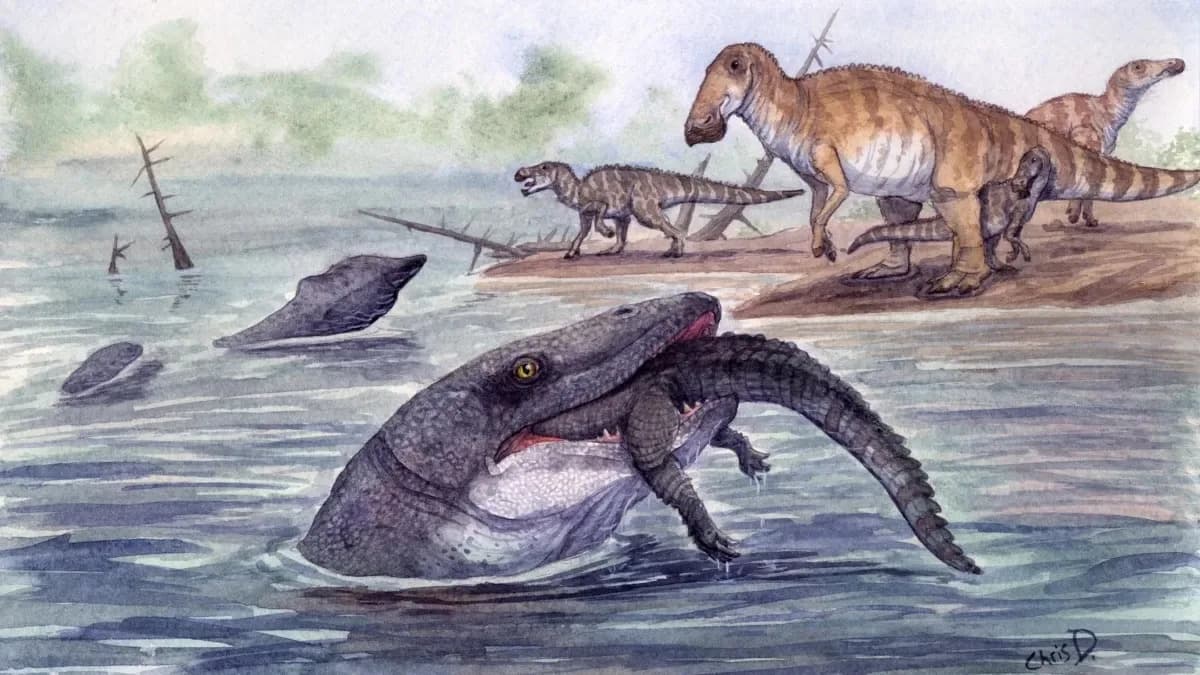
Although the Bisti Badlands are now high desert, about 75 million years ago much of central North America was traversed by a broad seaway. That coastal setting supported lush vegetation and extensive habitats that sustained large herbivores like hadrosaurs.
The Discovery
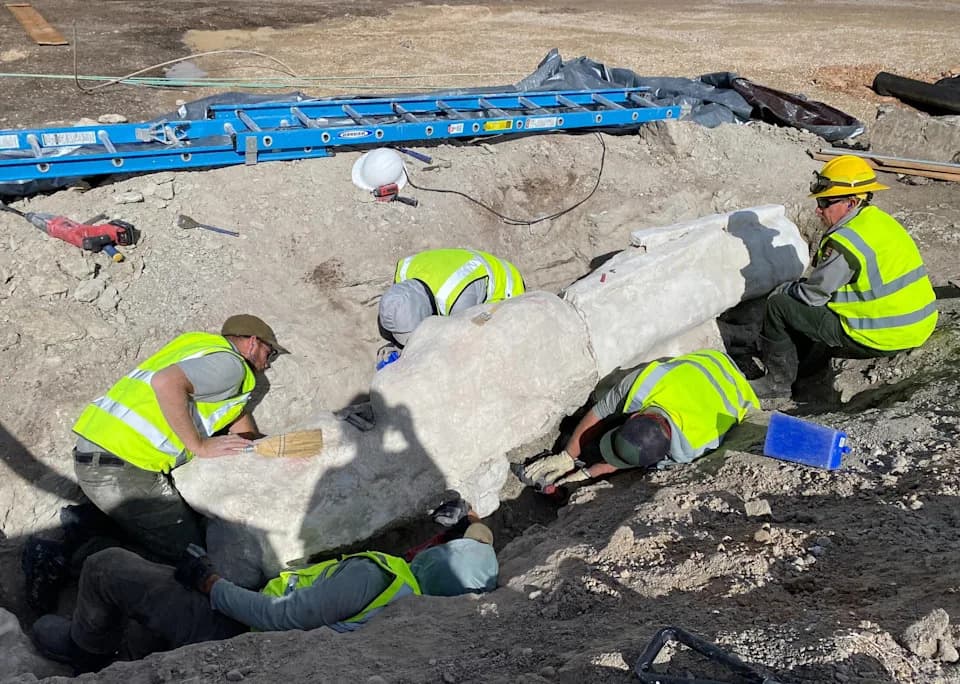
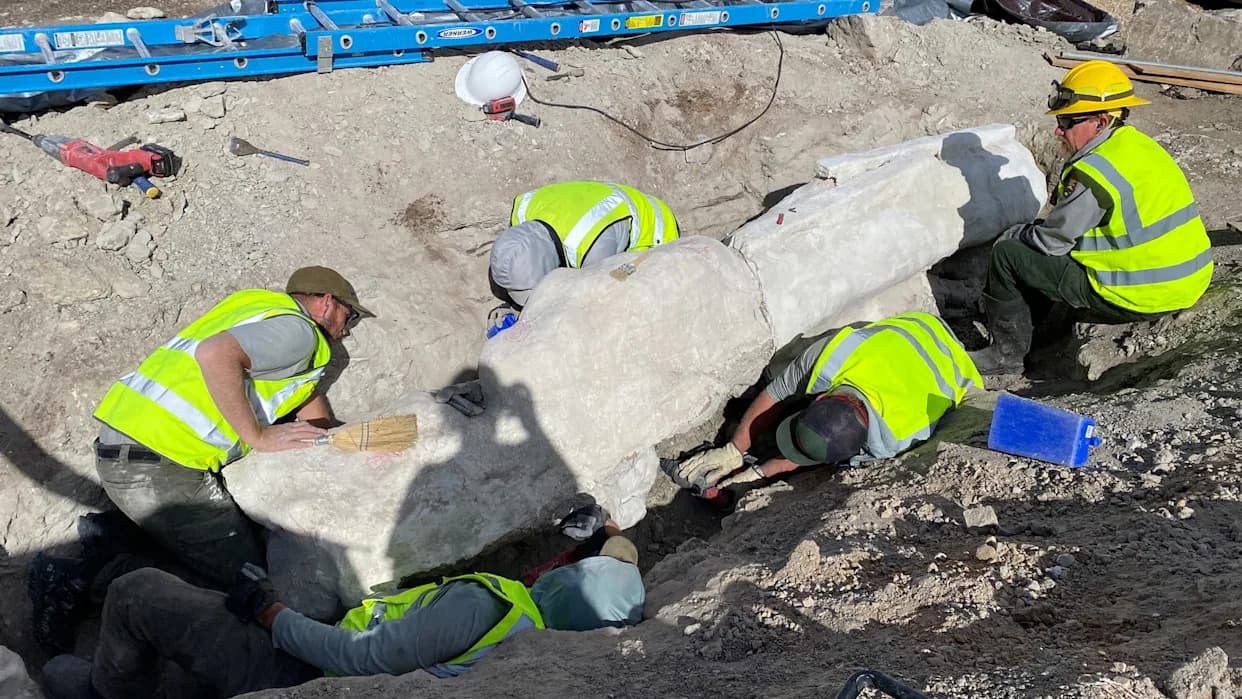
Paleontologists from five institutions across two countries examined museum collections and new field material and determined the fossils represent a new genus and species. Some of the original specimens date back nearly 100 years and resemble material held in national collections, while a more recent jaw discovery helped confirm the identification.
“The original specimens were found about 100 years ago. Then this museum was involved with excavating in the area, and they found a jaw that was similar to things that are at the Smithsonian that were found about a hundred years ago,” said Anthony Fiorillo, PhD, executive director of the New Mexico Museum of Natural History & Science.
How Big Was It?
Co-authors Anthony Fiorillo and Spencer Lucas report that the new hadrosaur was substantially larger than many of its relatives. Where typical duck‑billed dinosaurs weighed roughly 2–3 tons, this species is estimated to have approached 8 tons.
Evidence from tooth and jaw anatomy confirms these animals were herbivores. As Dr. Lucas noted, the dense coastal jungles west of the seacoast would have provided ample plant food to sustain such large plant‑eaters.
Next Steps
What else remains hidden in the Bisti Badlands is unknown. Drs. Fiorillo and Lucas stress that more fieldwork is essential: the discovery implies there should be additional individuals and potentially other new species waiting to be found. Both researchers continue their study at the New Mexico Museum of Natural History & Science while the facility is closed for renovations.
Contact and Credits: The research involved scientists from five institutions in two countries; material examined included historic specimens and newly excavated remains. Further publication details and formal taxonomic names will appear in the peer‑reviewed paper describing the species.
Help us improve.