New research published in PeerJ suggests Tyrannosaurus rex reached full size at about 40 years old—later than previous estimates of around 25. Scientists analyzed growth rings in leg bones from 17 specimens and used a composite statistical method to reconstruct life-long growth trajectories. The findings imply slower, steadier growth to roughly eight tons at maturity and raise taxonomic questions about specimens such as Jane and Petey, which may not be true T. rex.
T. rex May Have Taken 40 Years To Reach Full Size, Study Finds
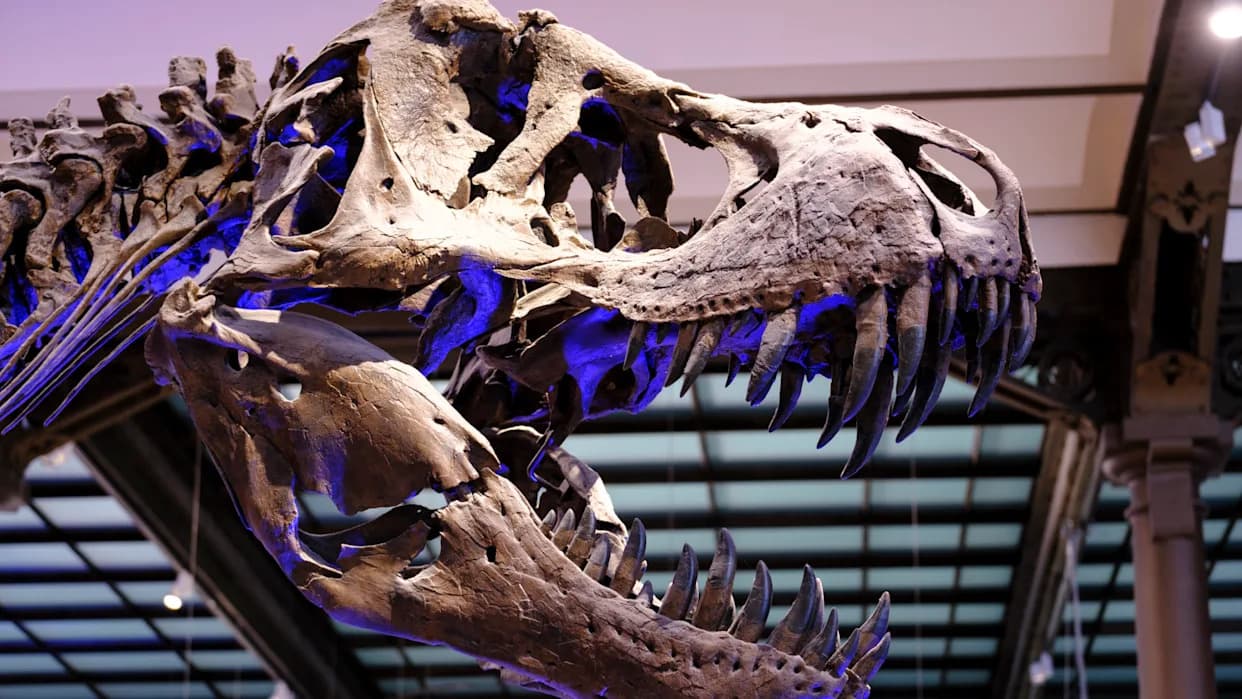
The skeleton of a Tyrannosaurus rex is seen in the Dinosaur Gallery of the Royal Belgium Institute of Natural Sciences in Brussels, Belgium.
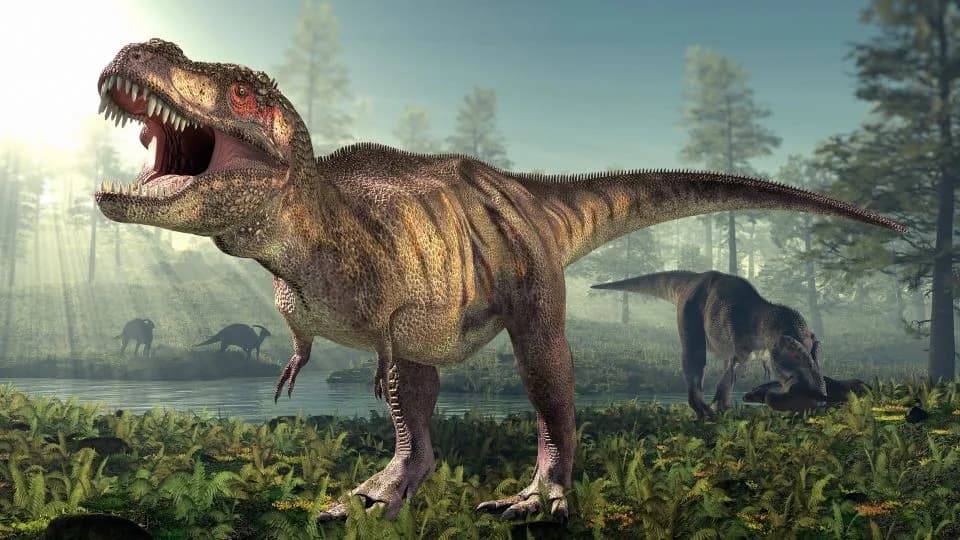
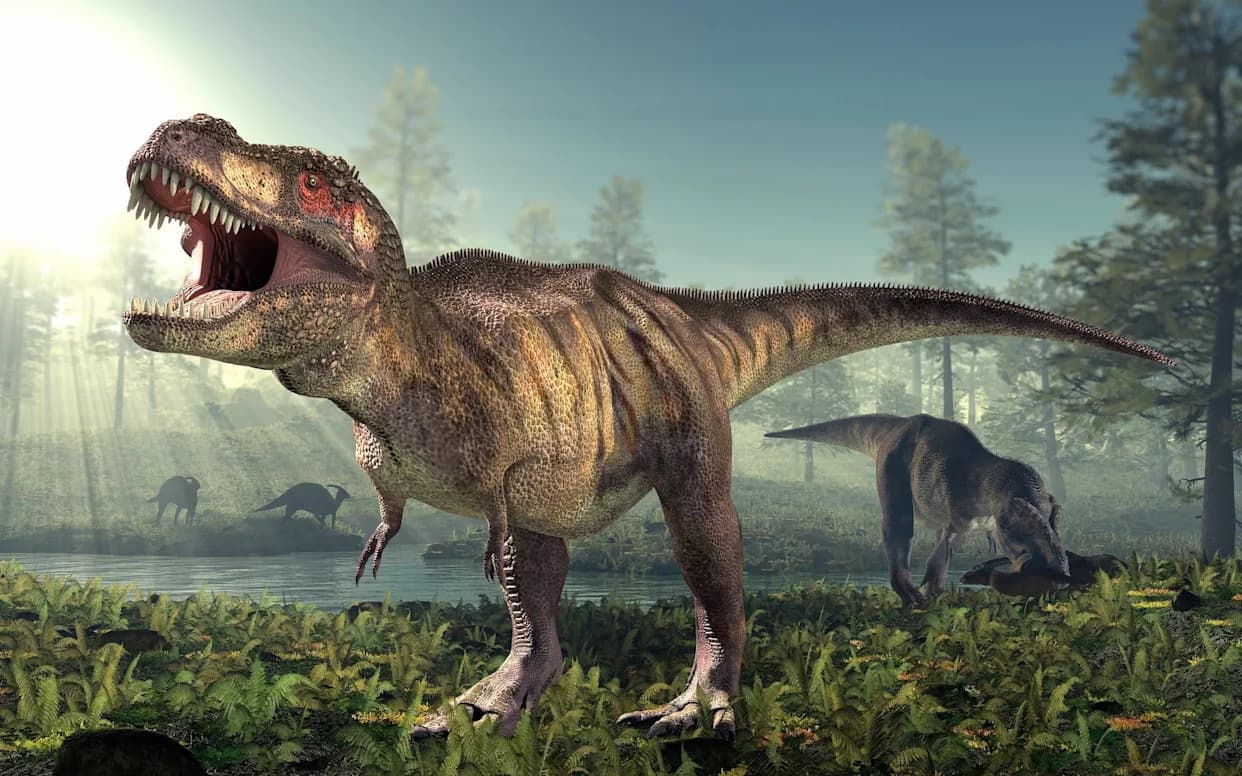
Tyrannosaurus rex remains one of the world’s best-known dinosaurs, but new research is refining how this iconic predator grew. T. rex lived in western North America during the Cretaceous Period (about 145 to 66 million years ago) and likely survived until the meteor impact that ended the reign of non-avian dinosaurs.
A study published in PeerJ challenges previous estimates that T. rex reached adulthood at roughly 25 years. By combining bone histology with a new statistical method, the authors argue that individuals reached full size—around eight tons—only after about 40 years, implying a longer, slower growth trajectory than earlier work suggested.
The research team examined 17 tyrannosaur specimens spanning juvenile to adult stages. They developed a composite statistical approach that stitches growth records from multiple individuals into a single growth trajectory. Because thin cross-sections of leg bones typically preserve only the last one to two decades of growth, combining specimens was essential to reconstruct life-long growth patterns.
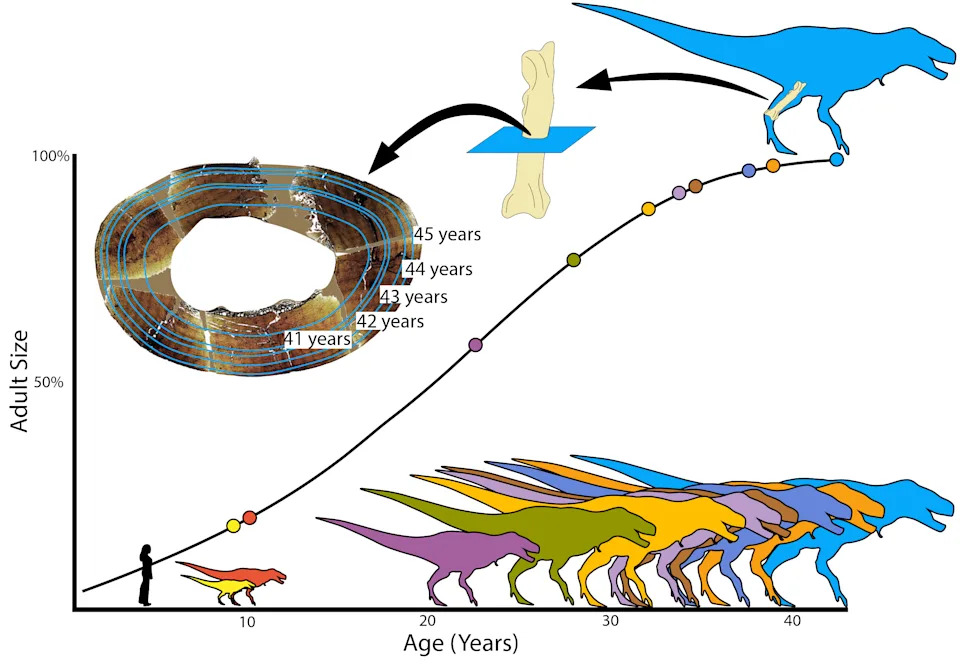
A graph showing how theTyrannosaurus rexmay have grownImage: Dr. Holly Woodward Ballard.
“The composite growth curve provides a much more realistic view of how Tyrannosaurus grew and how much they varied in size,” said Nathan Myhrvold, a mathematician and paleobiologist and co-author of the study.
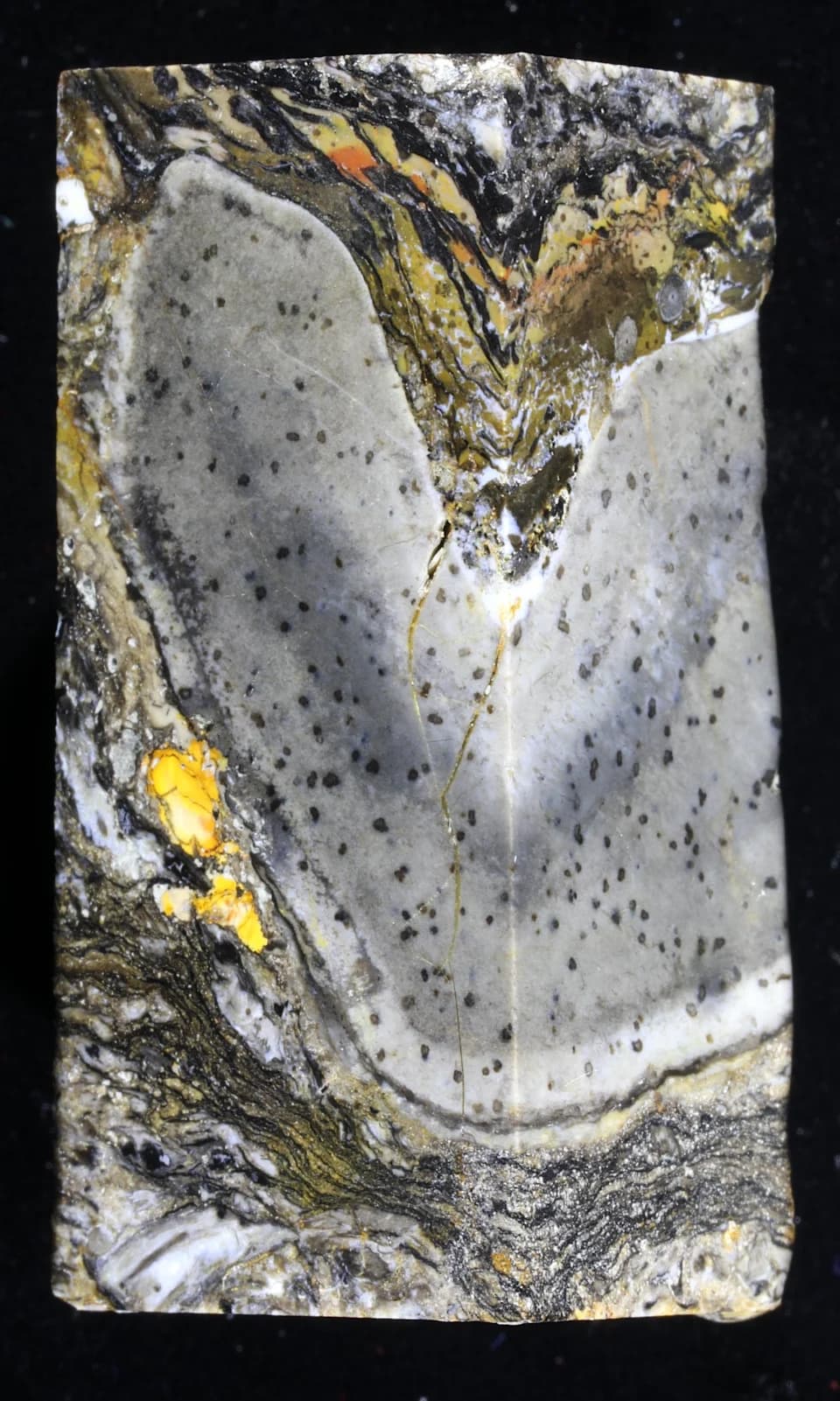
Researchers also re-examined bone slices under specialized lighting to reveal previously overlooked annual growth rings. "Examining the growth rings preserved in the fossilized bones allowed us to reconstruct the animals’ year-by-year growth histories," said Holly Woodward, a co-author and professor of anatomy at Oklahoma State University.
Working with Chapman University paleontologist Jack Horner, the team assembled a larger and more detailed dataset of histological records than used in many past studies. Their results indicate T. rex grew more steadily and over a longer period than many earlier models suggested. A prolonged growth phase could have allowed juveniles and subadults to occupy different ecological roles before reaching the apex-predator size of mature individuals.
The paper also raises taxonomic questions. Some of the 17 specimens may not be true T. rex, echoing ongoing debate about whether some small fossils represent a distinct genus, Nanotyrannus. The study highlights that well-known specimens nicknamed Jane and Petey may belong to different species, which could explain why their growth histories do not align statistically. These species-identification debates remain contested and active in the paleontological community.
Overall, the study demonstrates how combining histology, advanced imaging and new statistical techniques can revise long-standing assumptions about dinosaur life histories and ecology.
Help us improve.