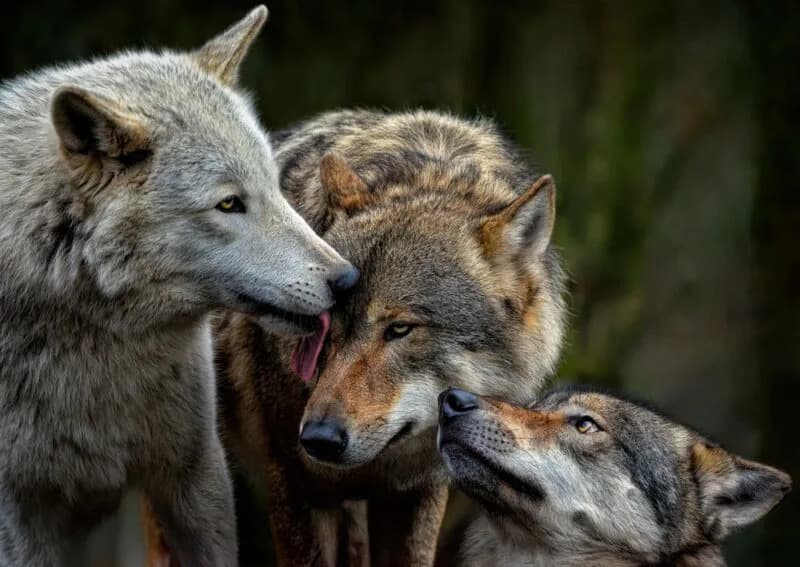
Researchers sequenced a high-coverage woolly rhinoceros genome recovered from the stomach contents of a 14,400-year-old wolf pup found in Siberian permafrost. Comparisons with genomes dated to about 18,000 and 49,000 years ago showed stable genetic diversity and no signs of long-term inbreeding or genetic deterioration. The results suggest the woolly rhino likely experienced a rapid collapse at the end of the last Ice Age, plausibly driven by abrupt warming. The finding also highlights a novel source of ancient DNA and a warning about how fast environmental change can eliminate even seemingly healthy populations.
Last Meal, Last Genome: Woolly Rhino DNA Recovered From 14,400-Year-Old Wolf Pup Suggests Sudden Extinction
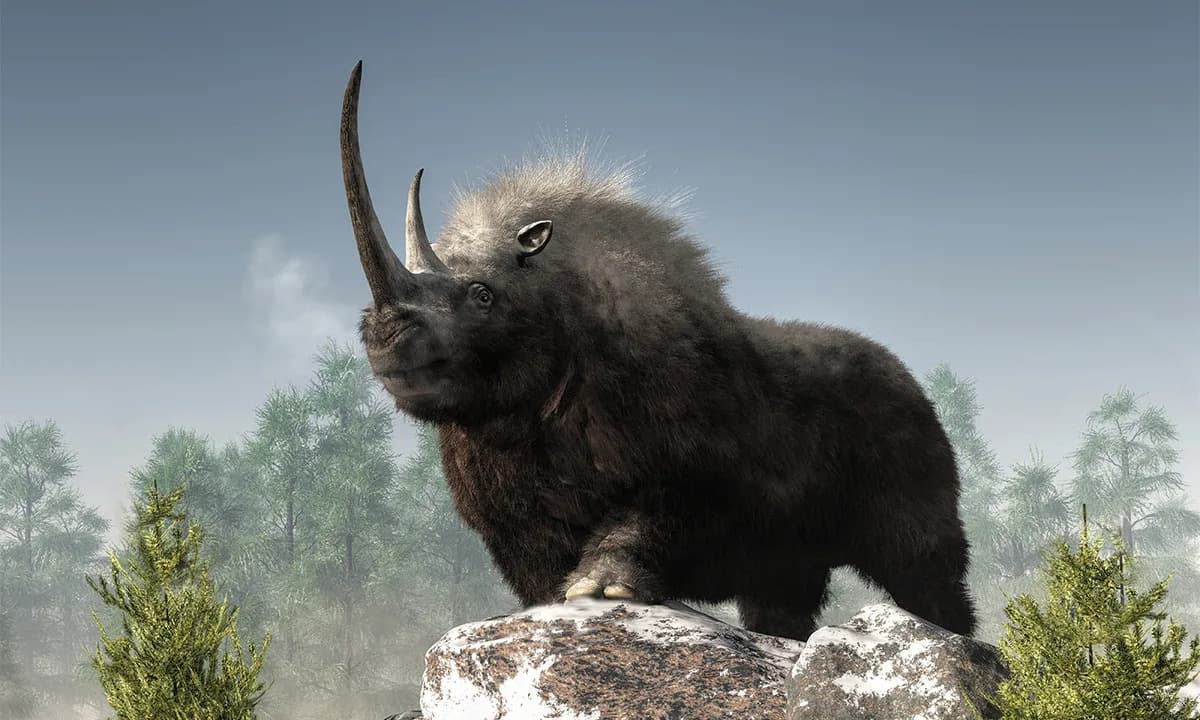
Lead image: Daniel Eskridge / Shutterstock
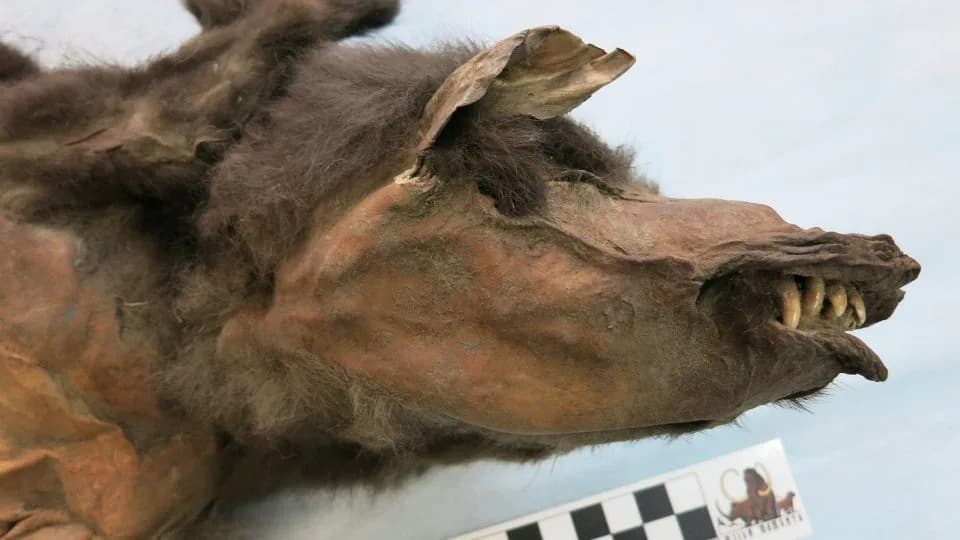
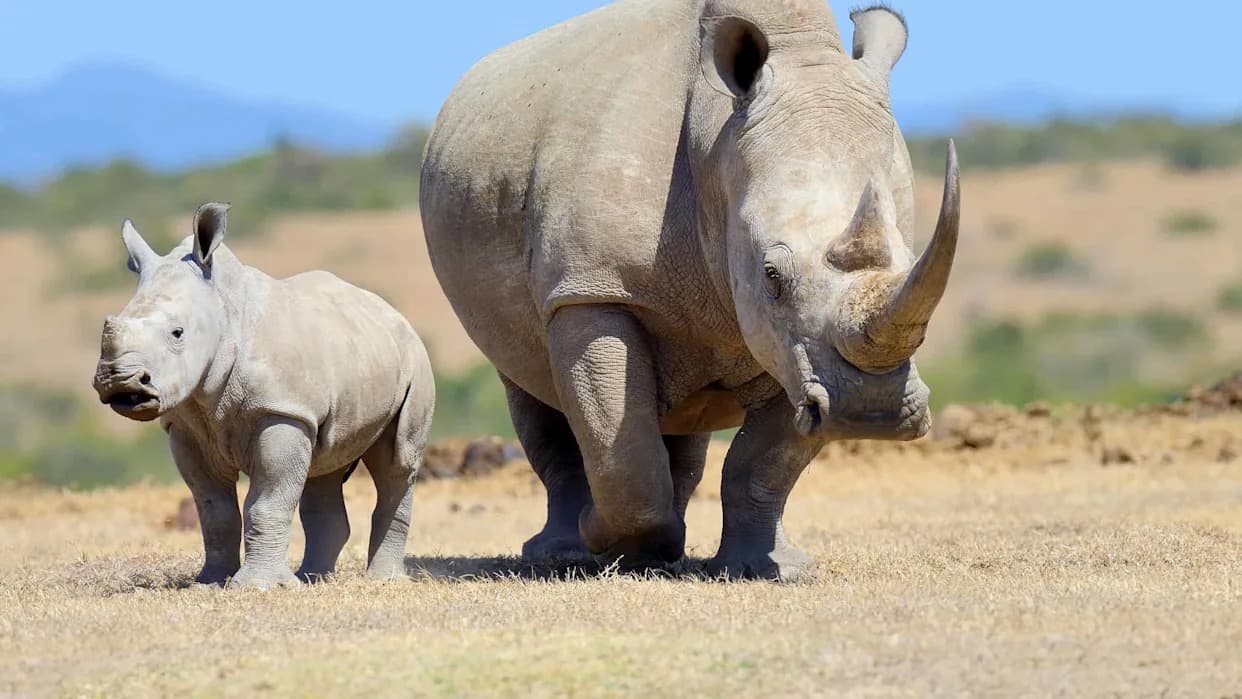
A preserved wolf pup recovered from the Siberian permafrost yielded an extraordinary surprise: a chunk of frozen meat in its stomach that proved to be woolly rhinoceros tissue. Radiocarbon dating places the wolf—and therefore its last meal—at about 14,400 years old. Researchers extracted a high-coverage genome from that muscle tissue, producing one of the latest and most complete genomic snapshots of the woolly rhinoceros (Coelodonta antiquitatis).
What the Study Found
Published in Genome Biology and Evolution, the international team from Sweden, Wales, Denmark and Russia compared this newly sequenced genome to two earlier woolly rhino genomes dated to roughly 18,000 and 49,000 years ago. Contrary to expectations, the late Pleistocene genome showed no clear signs of long-term genetic deterioration: there was no marked increase in harmful mutations, no detectable rise in inbreeding, and little change in overall genomic diversity across tens of thousands of years.
Sequencing the entire genome of an Ice Age animal found in the stomach of another animal has never been done before, explained study author and Stockholm University paleogeneticist Camilo Chacón-Duque.
Co-author and Stockholm University paleogeneticist Edana Lord added that analyses revealed a "surprisingly stable genetic pattern with no change in inbreeding levels through tens of thousands of years prior to the extinction of woolly rhinos." That stability suggests the species did not suffer a prolonged genetic decline before disappearing.
Interpretation and Implications
Because the genome shows no slow buildup of genetic problems, the authors propose that woolly rhinoceroses likely experienced a rapid population collapse near the end of the last Ice Age—potentially within a few hundred years—rather than a drawn-out decline. The most plausible driver the team cites is the abrupt warming that accompanied the close of the Ice Age, which would have rapidly altered habitats and resources.
Beyond its paleontological importance, the study offers a sobering reminder: even populations that appear genetically healthy can be wiped out quickly by fast environmental change. Recovering a high-quality genome from meat preserved in a predator's stomach is also a novel method that could help fill gaps in the fossil record and improve our understanding of extinction dynamics.
Note: This research was highlighted in Nautilus and provides new genomic evidence about the timing and possible causes of the woolly rhinoceros extinction around 14,000 years ago.
Help us improve.