A University of Zurich-led review of 774 mammal populations in European and North American zoos over 53 years finds average ages rising and fewer females reproducing. The share of species with reproducing females has fallen to 69% in Europe and 49% in North America. Researchers warn that small, ageing groups (fewer than 150 individuals) are vulnerable to disease and say new management strategies — including, controversially, targeted culls when no other option exists — may be required.
Aging Zoo Populations Threaten Conservation — Study Says Targeted Culls May Be Needed
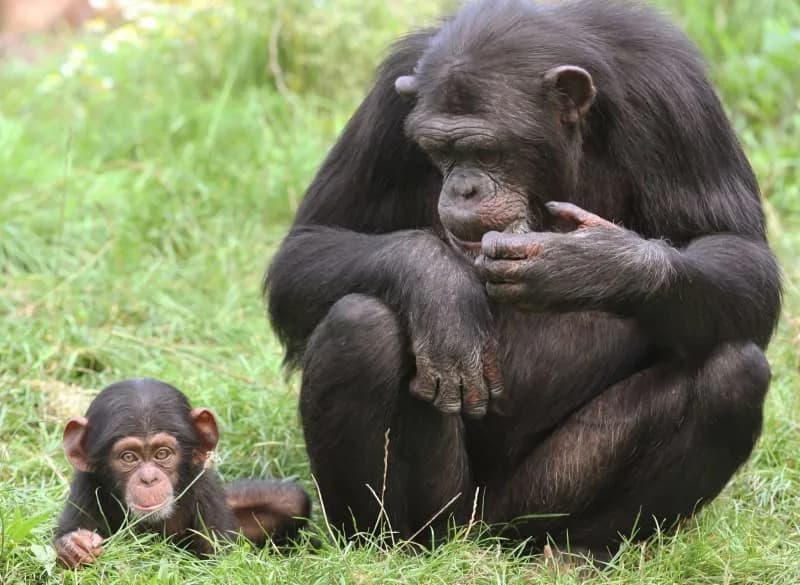
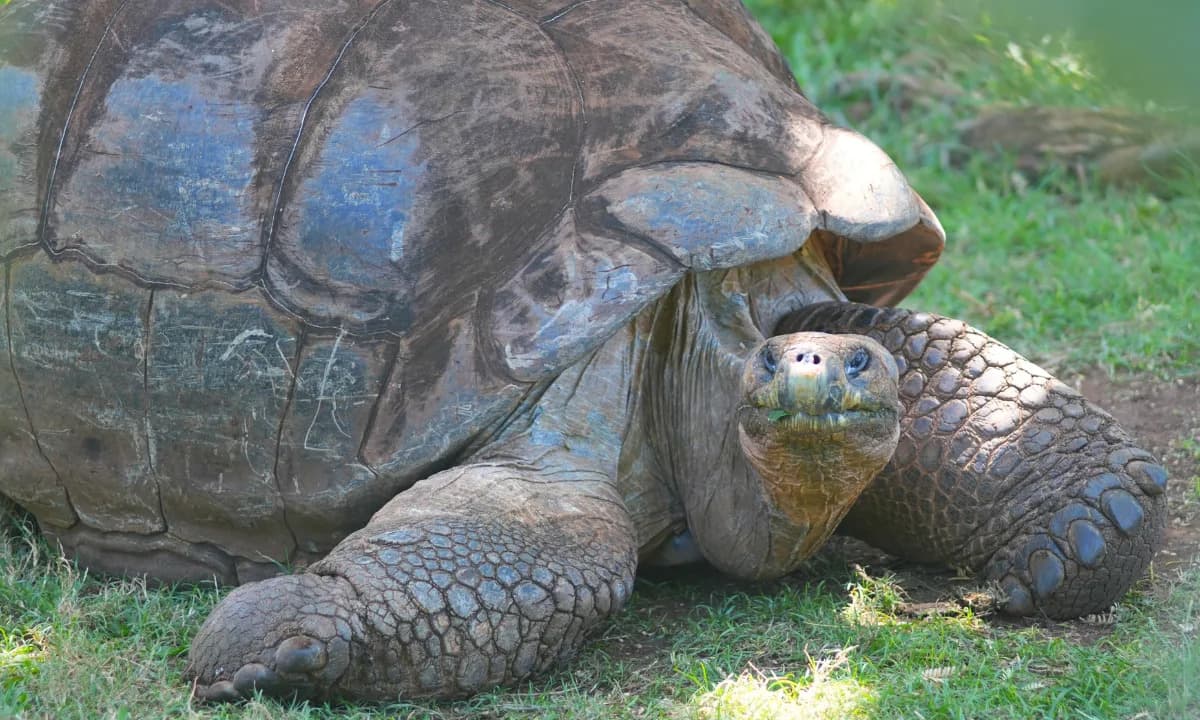
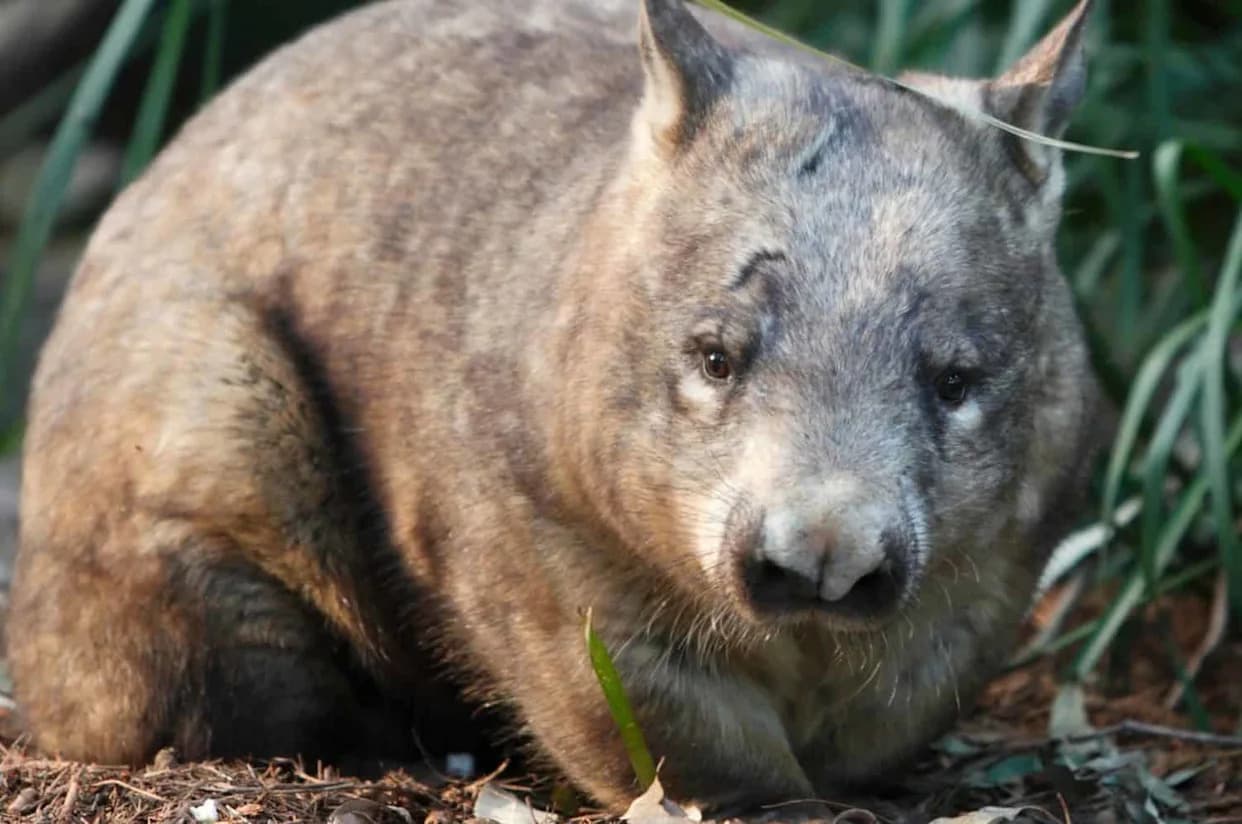
A sweeping study of 774 zoo populations finds animals are getting older while breeding drops, prompting researchers to call for targeted culls to make space for the young. How can zoos balance animal welfare, public acceptance and the survival of endangered species? Holger Hollemann/dpa
A major new analysis led by Marcus Clauss at the University of Zurich warns that many zoos in Europe and North America are facing increasingly older mammal populations — a trend that could undermine efforts to conserve endangered species unless managers adopt new strategies, including, controversially, targeted culls.
Study Findings
The researchers examined 774 captive mammal populations, from hoofed species to primates and carnivores, across European and North American zoos over a 53-year period. They found that, across species, more populations are now dominated by older animals than by younger ones, and average ages have steadily risen.
Reproductive capacity has declined in many groups: the share of species with females still reproducing has dropped to about 69% in Europe and 49% in North America.
'If I could constantly build new enclosures, this measure would probably not be necessary,' Clauss told dpa. 'But if I keep all animals into old age in a world with limited enclosure space, I have no room for the next generation.'
Risks and Implications
The authors warn that ageing populations are less resilient to threats such as infectious disease. Small populations — the study highlights groups of fewer than 150 individuals — with low reproduction rates are particularly vulnerable and could be wiped out by an outbreak.
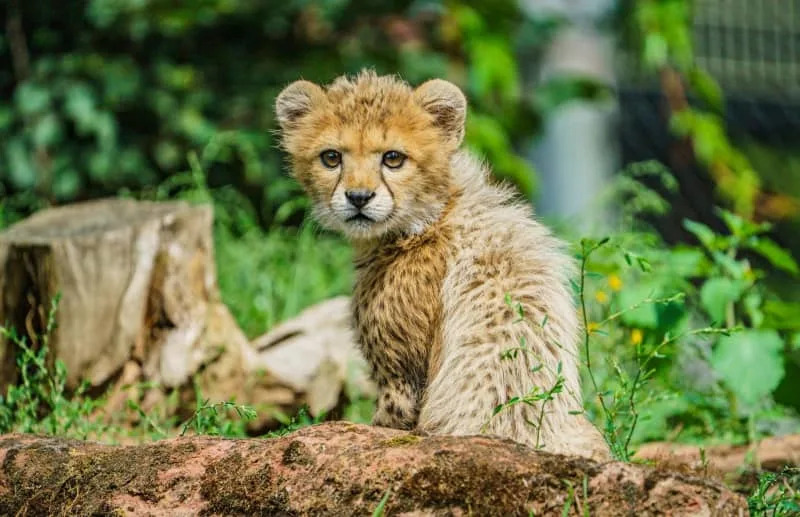
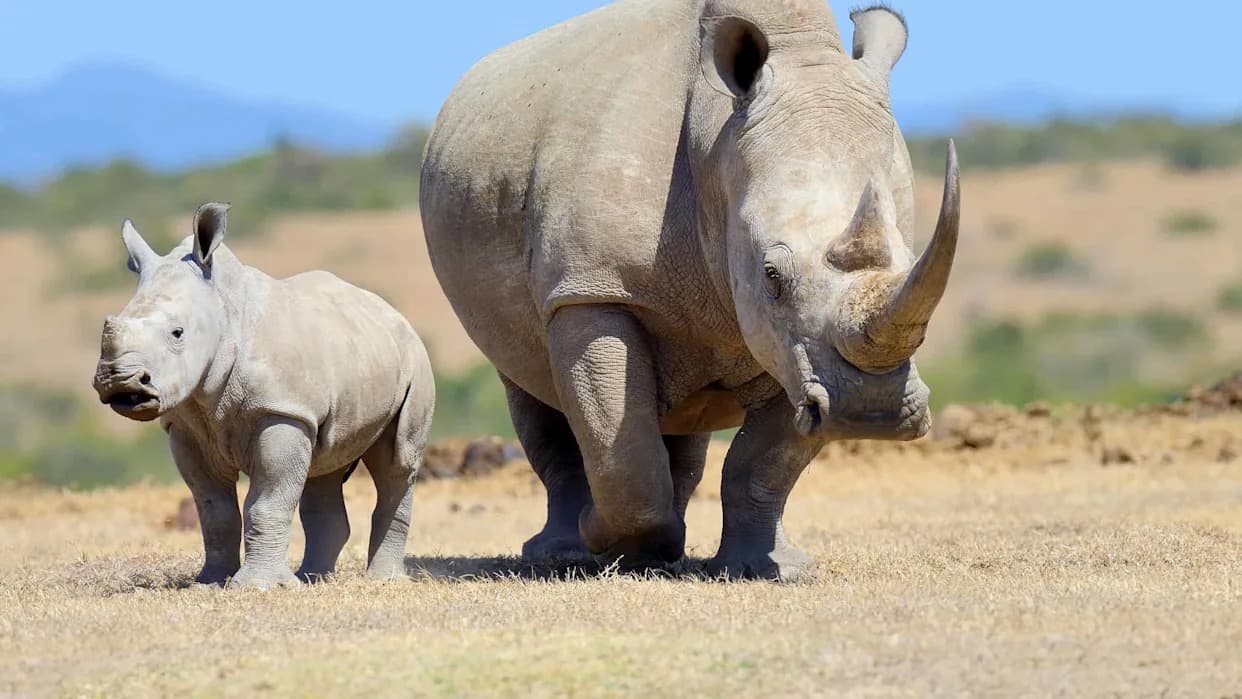
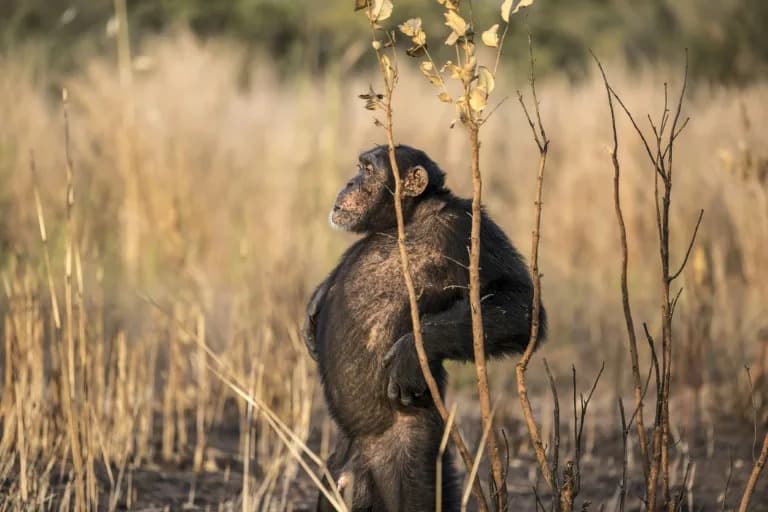
A sweeping study of 774 zoo populations finds animals are getting older while breeding drops, prompting researchers to call for targeted culls to make space for the young. How can zoos balance animal welfare, public acceptance and the survival of endangered species? Andreas Arnold/dpa
Because space and placement options are limited, the team says institutions may need a realistic, ethically informed strategy to manage numbers and genetic health. That could include transfers, targeted contraception, changes to breeding programs, enclosure expansion where feasible — and, in some cases, carefully considered culls to create space for younger, breeding animals.
Controversy and Policy
Calls for culls have already provoked public outcry: in summer 2025, protests followed after Nuremberg Zoo euthanized 12 baboons citing space constraints. Zurich Zoo says relocation is its first option but that transfers are limited. 'Culls are always carried out in accordance with the law, with animal welfare in mind and after thorough consideration of all options,' the zoo added.
Clauss cautioned that the aim is not wholesale killing but a strategic rethink of how zoos manage ageing collections to preserve species into the future. He said public discussion, transparent decision-making, and legally and ethically robust guidelines will be essential if contentious measures are to be considered.
Recommendations
The study encourages zoos, conservation authorities and the public to consider a wider range of tools — improved transfer networks, prioritized breeding programs, contraception, enclosure investment and, as a last resort, tightly regulated targeted culls — accompanied by clear communication and welfare safeguards.
Help us improve.