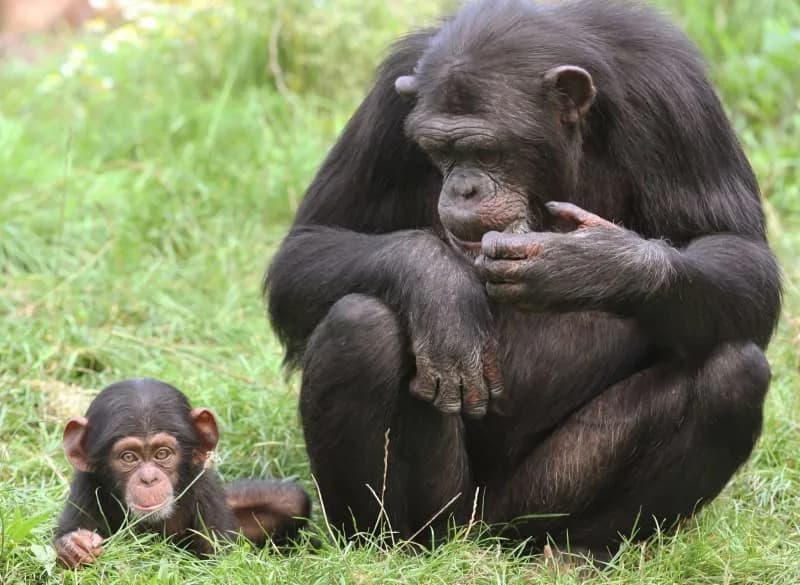
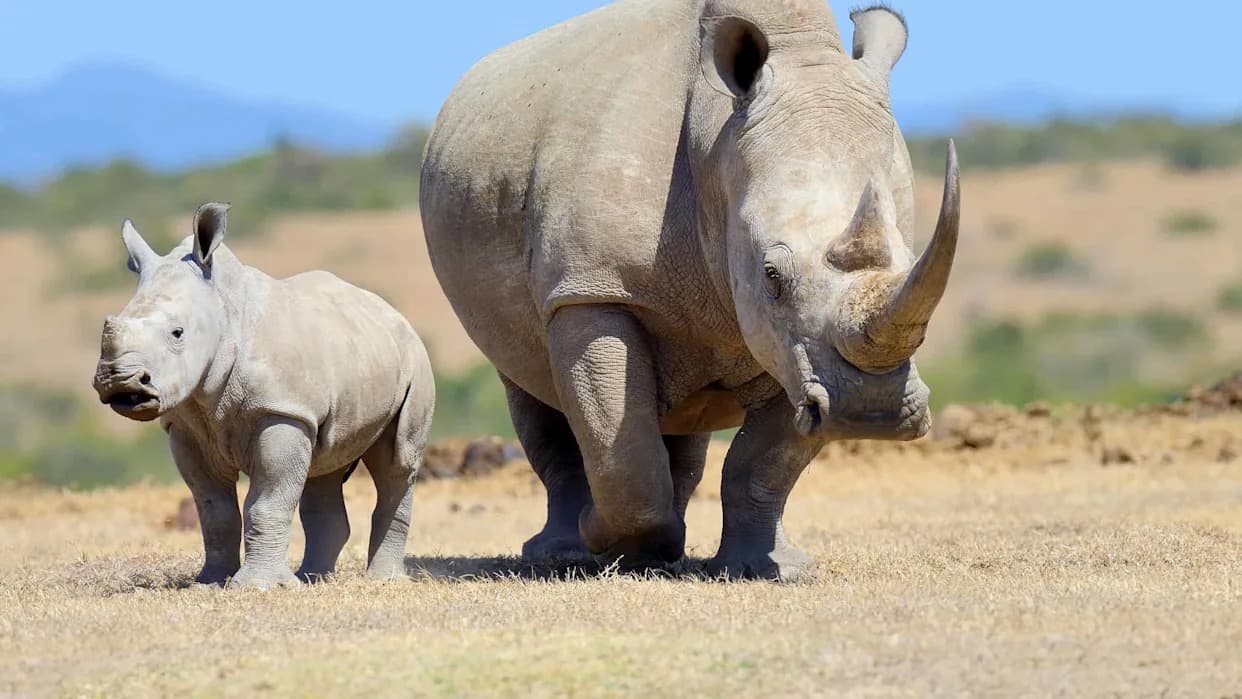
A PNAS study of 774 mammal populations across European and North American zoos (1970–2023) finds rising median ages and a growing share of senior animals. At the same time, captive reproduction is declining: 76% of high-priority populations in North America and 79% in Europe show falling proportions of actively reproducing females. The authors warn an aging zoo population could undermine reintroduction programs and genetic resilience, and call for more space or a strategic reallocation of enclosures to prioritize endangered species.
Zoo Populations Are Aging: Longer Lives, Fewer Babies, Big Consequences for Conservation
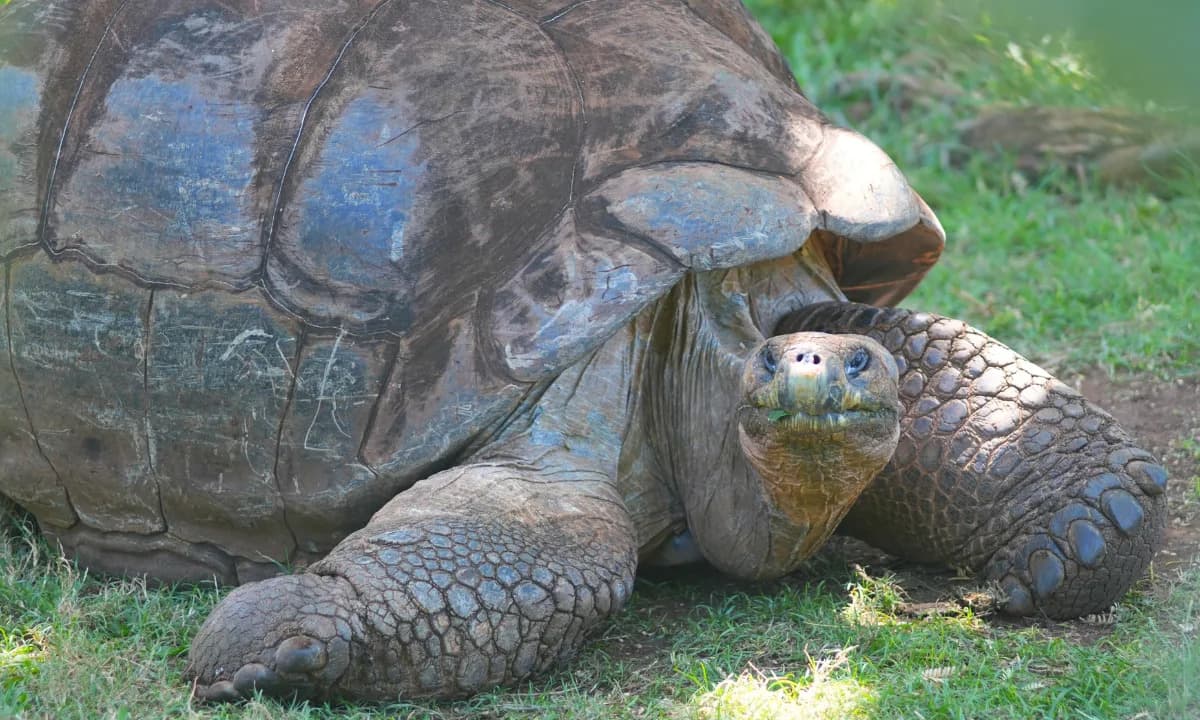
Lead image: MJM Pictures / Shutterstock(Western Santa Cruz Tortoise at Honolulu Zoo. Credit: MJM Pictures / Shutterstock.)
We often hear about aging human populations, but the same demographic shift is now unfolding in zoos. A recent PNAS study finds that captive mammals in European and American zoos are living longer than ever, and that longer lifespans are being accompanied by declining reproduction — a combination that poses real risks for conservation programs.
Study Findings
Led by zoo population biologist João Pedro Meireles at the University of Zurich Clinic for Zoo Animals, researchers analyzed demographic data from 774 mammal populations in European and North American zoos spanning 1970–2023. The study shows clear and consistent increases in median age and the share of senior animals across regions, taxonomic groups, conservation statuses, and management strategies.
Why Zoos Are Getting Older
Improved veterinary care, nutrition, and animal husbandry have extended lifespans for many species in human care — a positive achievement. But as enclosures fill, zoos are increasingly limiting births because of space and logistical constraints. For high-priority (conservation-focused) populations, the authors report that 76% in North America and 79% in Europe showed decreasing trends in the proportion of actively reproducing females.
How Reproduction Is Being Limited
Zoos reduce births through several methods: hormonal contraception, surgical sterilization (castration), and spatial or social management that keeps males and females separated. Older animals also have biologically lower reproductive success, even in species without menopause.
"Population structures have shifted from pyramids to diamond shapes," the paper notes — a visible bulge of older animals where young, breeding cohorts are thinning.
Conservation Consequences
Researchers warn this aging trend could undermine zoos' roles as an insurance network for endangered species. An older, less-reproductive population reduces the capacity to maintain self-sustaining programs, support reintroduction efforts, and preserve genetic diversity over time.
Recommended Responses
The study’s authors call for strategic responses: build more accredited zoo and sanctuary space, expand enclosures in existing institutions, or reallocate exhibit space to prioritize endangered species — even if that means displaying fewer species overall. These measures would help balance improved survival with sufficient reproductive capacity to meet conservation goals.
Context
For perspective, the study’s findings mirror broader demographic trends in people: for example, the United States Census Bureau projects a 42% rise in Americans aged 65 and older from 2022 to 2050. Just as human societies must adapt to older populations, zoos and conservation systems must adapt to an aging animal population.
Bottom line: Longer animal lifespans are a success of modern zoo care — but without space and management changes, those gains could weaken zoos’ conservation utility.
Help us improve.