The northern hairy‑nosed wombat has recovered from roughly 35 individuals in the early 1980s to more than 400 today thanks to legal protection, predator‑proof fencing and active habitat management. Key measures included declaring Epping Forest a scientific national park (1971), building a 12‑mile predator‑proof fence and translocating animals to Richard Underwood (2009) and Powrunna State Forest (2024–2025). Despite gains, over 95% of the population still resides at Epping Forest, and threats — predation, habitat loss, climate change and limited genetic diversity — mean the species remains critically endangered.
Northern Hairy‑Nosed Wombat: From ~35 To Over 400 — A Fragile Conservation Triumph
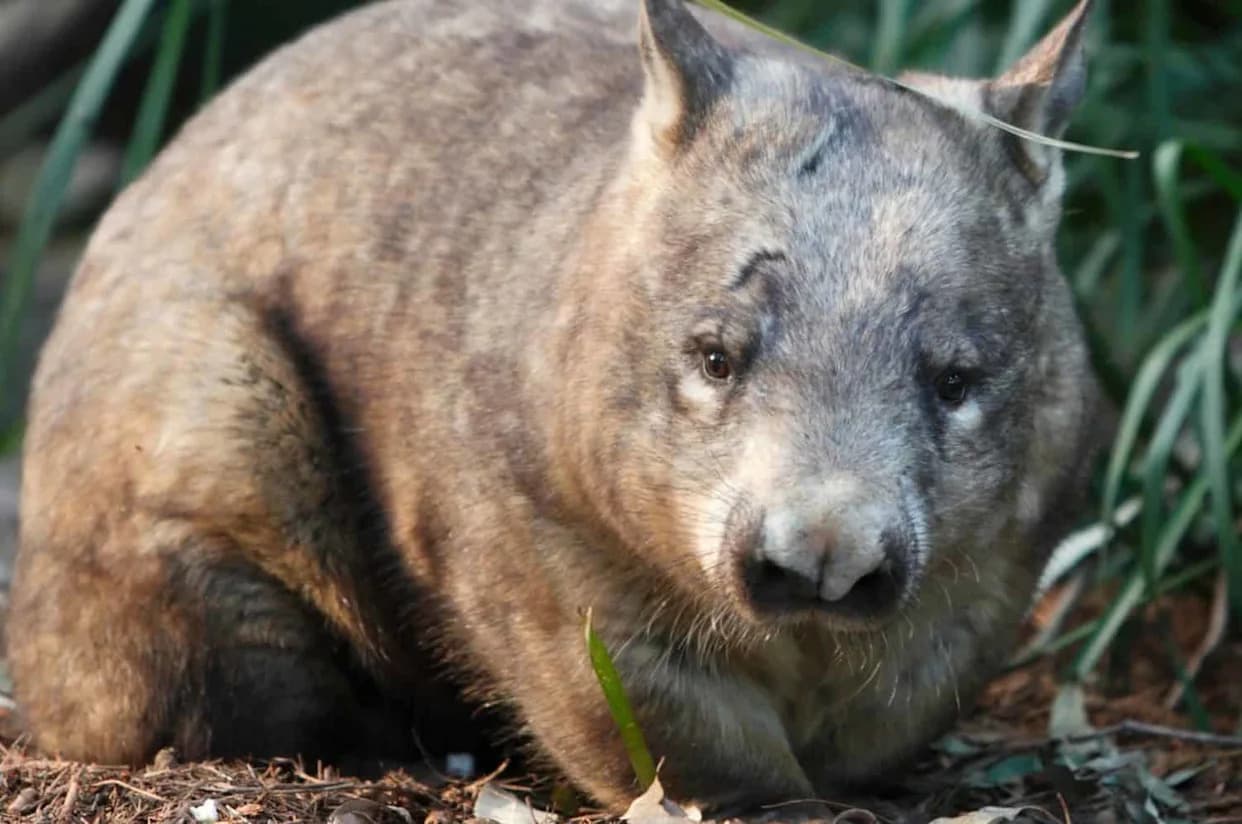
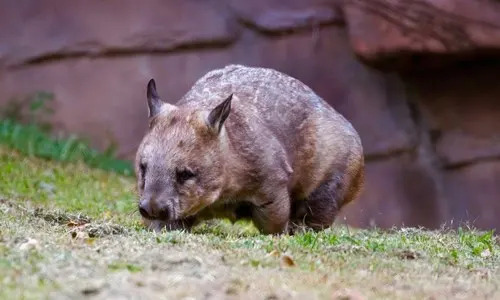
The close-up shot highlights the northern hairy-nosed wombat in the wild environment.© Nisansala99/Shutterstock.com(Nisansala99/Shutterstock.com)
The northern hairy‑nosed wombat (Lasiorhinus krefftii) has staged one of Australia’s most remarkable conservation recoveries: from roughly 35 animals in the early 1980s to more than 400 today. That rebound is the result of decades of targeted protection, intensive habitat management and carefully planned translocations — but the species remains highly vulnerable.
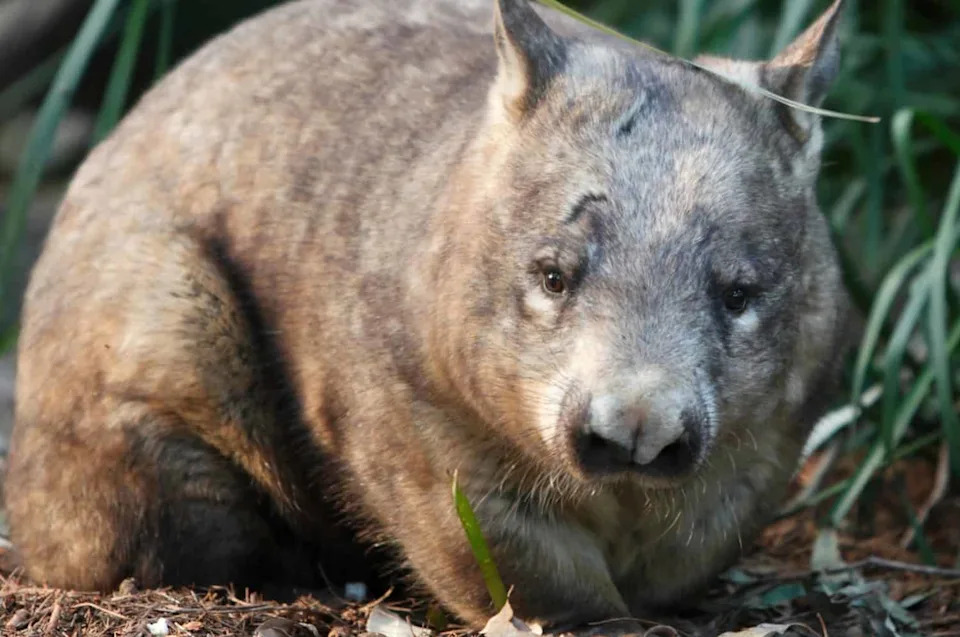
The northern hairy-nosed wombat is one of the rarest marsupials in the world.©Nisansala99/Shutterstock.com(Nisansala99/Shutterstock.com)
What Makes This Wombat Special?
The northern hairy‑nosed wombat is a compact, burrowing herbivore about the size of a medium dog, with coarse grey‑brown fur and a hair‑covered nose. A sandy‑soil burrow specialist that feeds almost exclusively on native grasses, it is considered one of the rarest marsupials in the world.
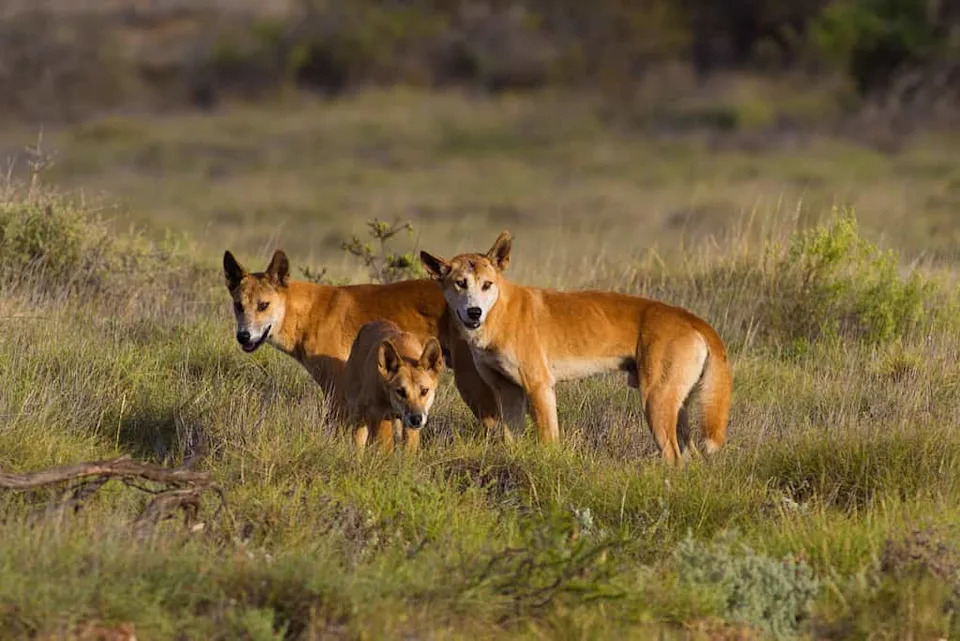
Wild dingoes are natural predators that once posed a serious threat to northern hairy-nosed wombats.©indianoceanimagery/ via Getty Images(indianoceanimagery/ via Getty Images)
A Narrow Escape From Extinction
By 1982 the entire species was confined to Epping Forest National Park in central Queensland — a classic example of the “single‑population problem.” Small population size and geographic concentration left the species vulnerable to fire, drought, disease and genetic inbreeding. In response, authorities legally protected the last known habitat when Epping Forest was declared a scientific national park in 1971 and intensified conservation actions in the decades that followed.
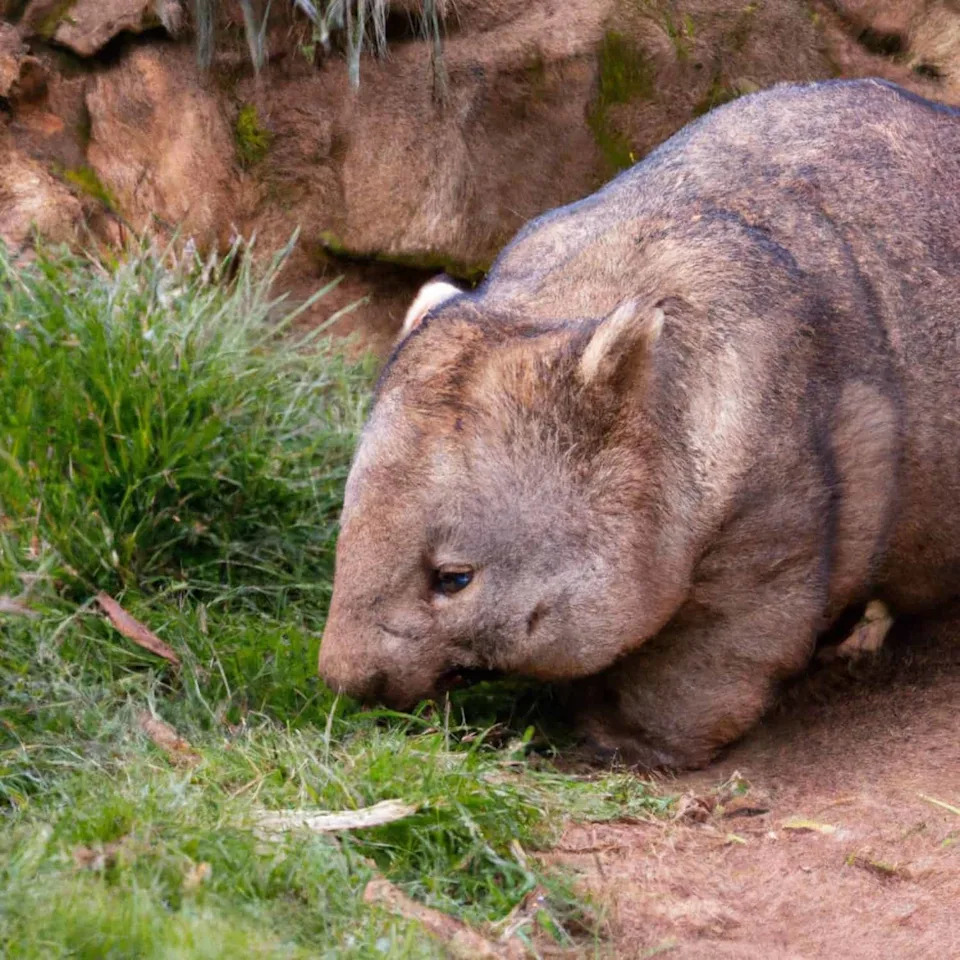
Translocations to additional sites helped reduce risk and support population growth outside the original refuge.©Bruyu/Shutterstock.com(Bruyu/Shutterstock.com)
Key Conservation Actions
Predator Protection: To reduce losses to wild canines (dingoes and feral dogs), teams built a predator‑proof fence of more than 12 miles around the core habitat. The fenced reserve dramatically cut predation risk and enabled safer, closer management.
Even with population growth, northern hairy-nosed wombats remain critically endangered and highly vulnerable to environmental threats.©Harsha_Madusanka/Shutterstock.com(Harsha_Madusanka/Shutterstock.com)
Habitat Management: Rangers and scientists secured native grass supplies, controlled invasive weeds, supplied supplementary water in dry spells and even prepared starter burrows at new sites to help translocated animals settle.
Non‑Invasive Monitoring: Researchers used hair sampling and genetic analysis to monitor population size, health and relatedness without repeatedly trapping animals.
Spreading The Risk: Translocations
Because keeping all animals in one place remained risky, conservationists began establishing insurance colonies. In 2009, 15 wombats were moved to Richard Underwood Nature Refuge near St George, southern Queensland. That site produced births and grew modestly. In mid‑2024, teams translocated an initial group of about 15 animals to a third prepared site, Powrunna State Forest, with further moves through July 2025 aimed at building an initial target population of roughly 60 wombats.
Where The Population Stands
Population estimates rose from roughly 35 in the early 1980s to about 133 around 2000–2001 (when dingoes still caused significant losses), then to roughly 300 at Epping Forest by 2021. Today the global population exceeds 400 individuals, a major conservation success — but more than 95% still live at Epping Forest, so the species remains classified as critically endangered.
Ongoing Threats And Next Steps
Persistent threats include predation outside predator‑proof reserves, limited habitat availability, climate change impacts on rainfall and grass growth, and low genetic diversity in small, recovering populations. Continued success will depend on expanding secure colonies, maintaining habitat quality and connectivity, and carefully managing genetics through monitored translocations and breeding plans.
Bottom line: The northern hairy‑nosed wombat’s recovery shows the power of sustained, science‑based conservation — but the job is not finished. Vigilance, funding and coordinated management are essential to turn this fragile comeback into a long‑term success story.
Help us improve.