The Pentagon’s new unclassified defense strategy proposes shifting primary responsibility for deterring North Korea to South Korea, while the U.S. adopts a "more limited" direct role but continues to provide critical support. The plan emphasizes increased burden-sharing with allies and frames the change as strategic prioritization rather than isolationism. It also addresses policies toward China, Russia and Iran, and notes South Korea’s 7.5% defense budget increase and the continued presence of about 28,500 U.S. troops on the peninsula.
Pentagon Proposes Shifting Primary Deterrence of North Korea To South Korea in New Defense Strategy
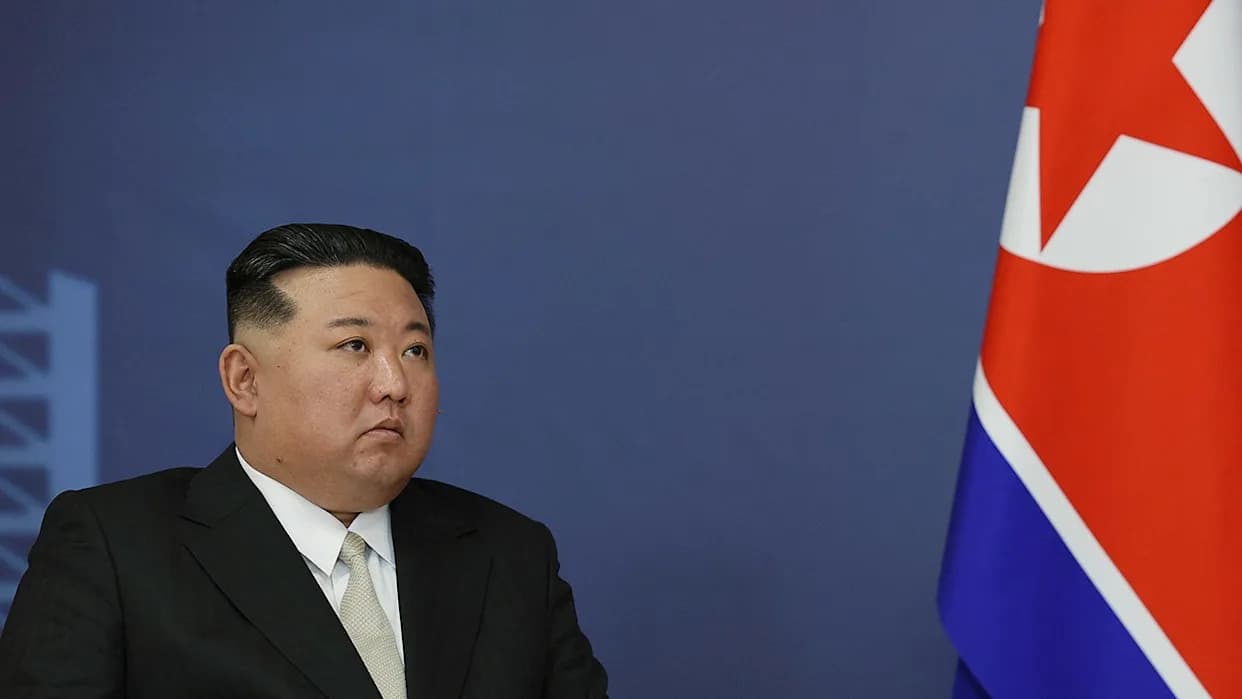
Pentagon plans to give South Korea primary role in deterring North Korea threats under new strategy
The Pentagon, in an unclassified national defense strategy titled "Restoring peace through strength for a new golden age of America," outlines a plan to shift greater responsibility for deterring threats from North Korea to South Korea.
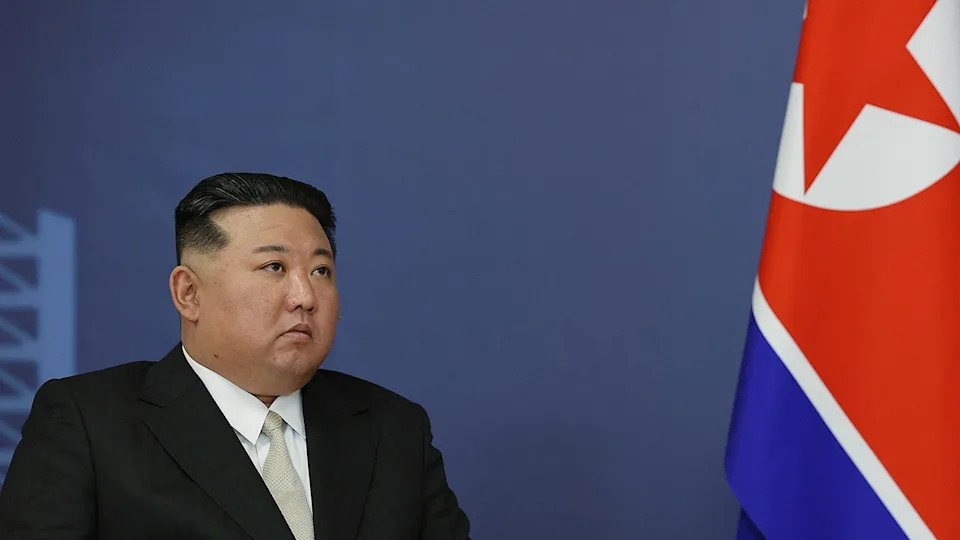
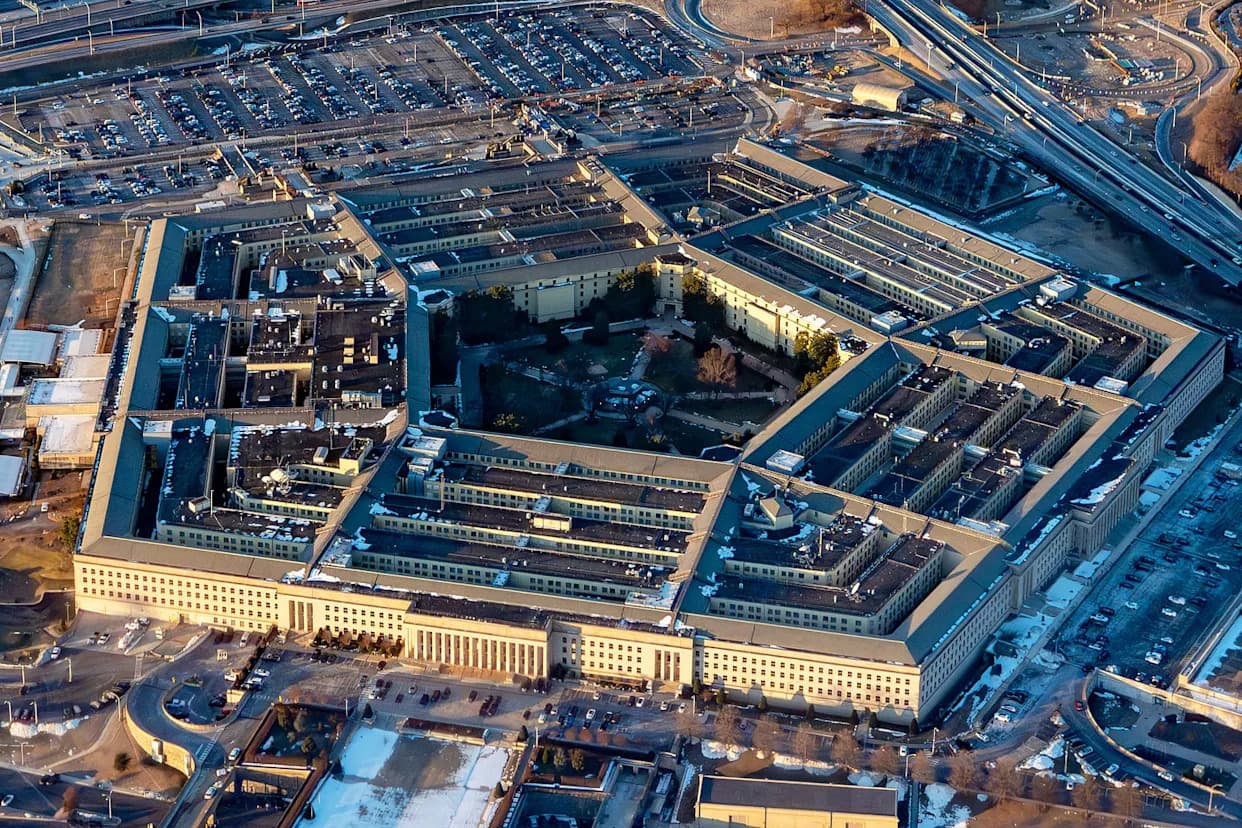
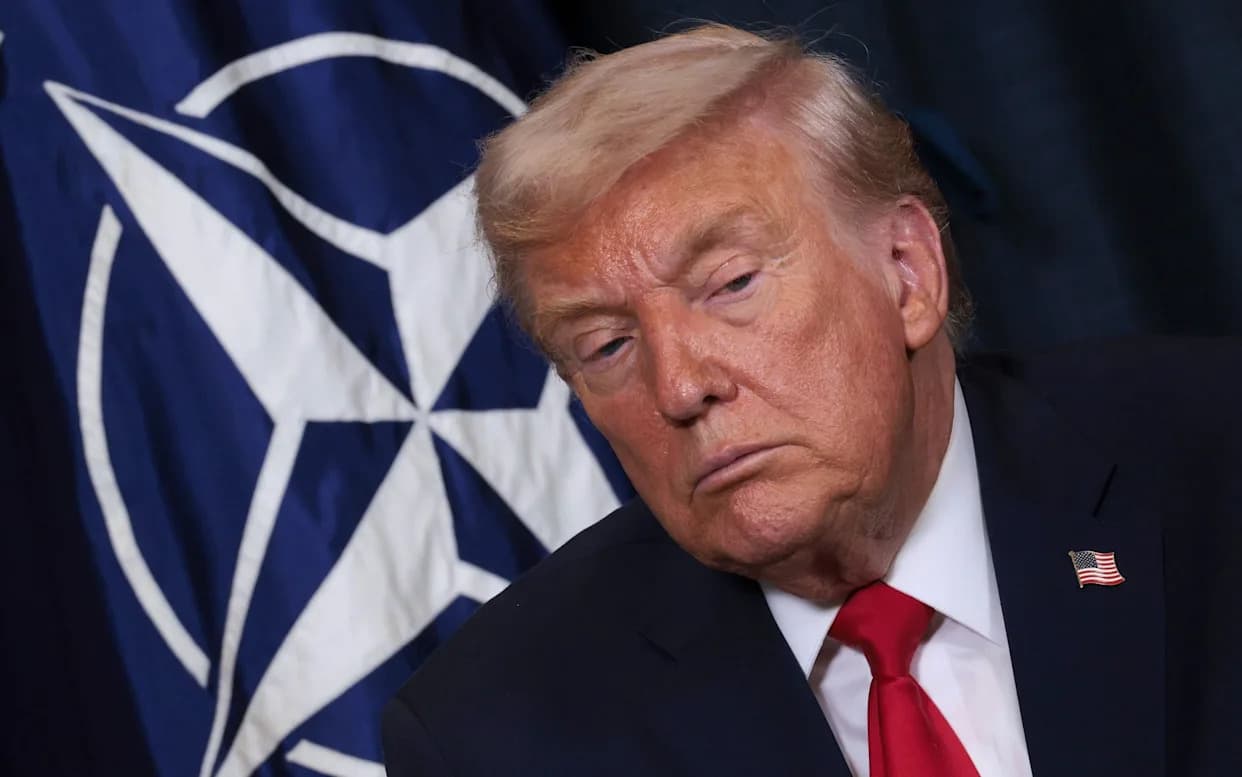
The Pentagon said in an unclassified national defense strategy document titled "Restoring peace through strength for a new golden age of America" on Friday that it plans to shift more of the responsibility of deterring North Korea to South Korea.(Getty Images)
Released Friday and obtained by news outlets, the document says the United States will assume a "more limited" direct role on the Korean Peninsula while continuing to provide critical support to Seoul.
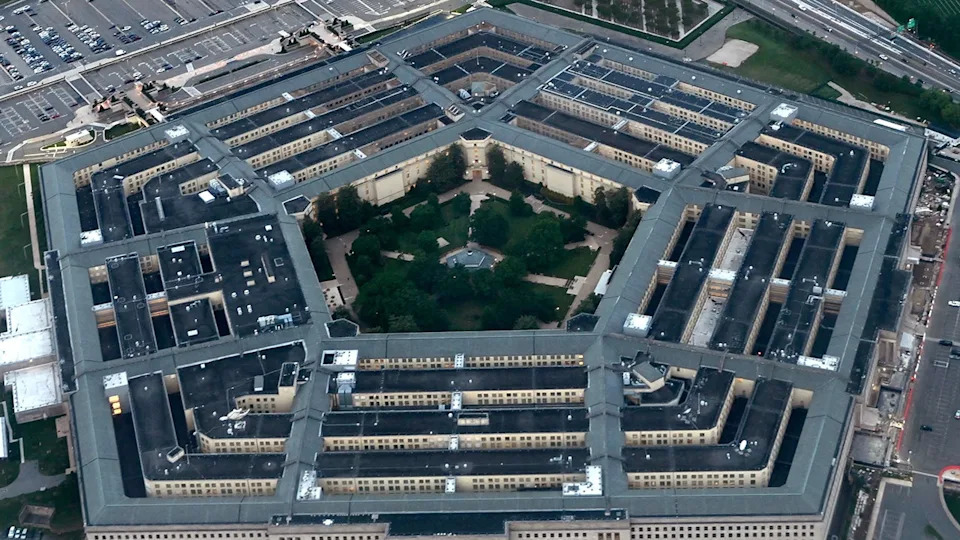
The Pentagon on Friday released an unclassified national defense strategy document titled "Restoring peace through strength for a new golden age of America."
"With its powerful military, supported by high defense spending, a robust defense industry, and mandatory conscription, South Korea is capable of taking primary responsibility for deterring North Korea with critical but more limited U.S. support," the strategy states.
"South Korea also has the will to do so, given that it faces a direct and clear threat from North Korea. This shift in the balance of responsibility is consistent with America’s interest in updating U.S. force posture on the Korean Peninsula. In this way, we can ensure a stronger and more mutually beneficial alliance relationship that is better aligned with America’s defense priorities, thereby setting conditions for lasting peace," the document adds.
Broader Strategic Priorities
The plan frames this Korea policy within a wider shift in U.S. defense posture: prioritizing homeland defense and countering strategic competitors while avoiding "interventionism, endless wars, regime change, and nation building." The document emphasizes that this approach is not "isolationism," but a strategic prioritization of U.S. interests and risks.
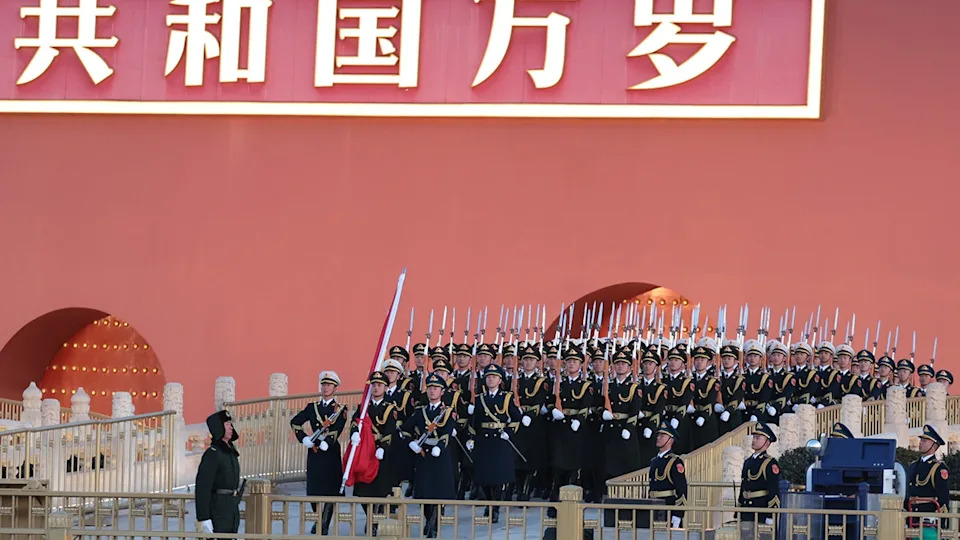
The Pentagon document said it would prioritize threats from China while emphasizing burden-sharing by allies in other areas of the world.
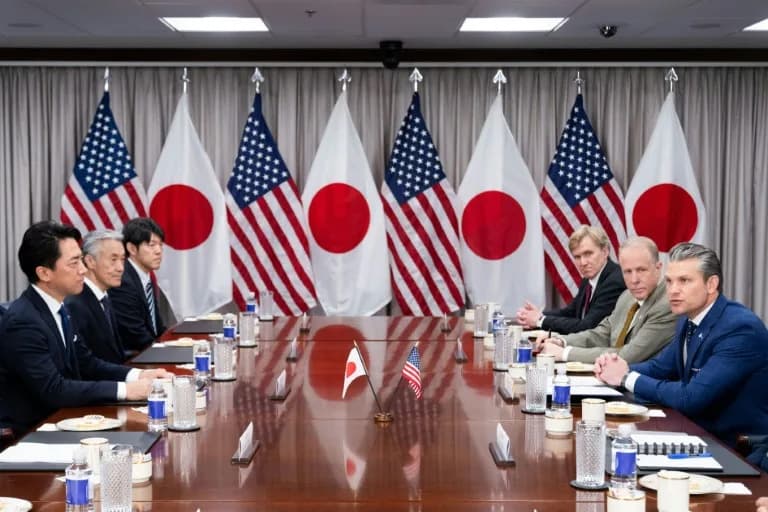
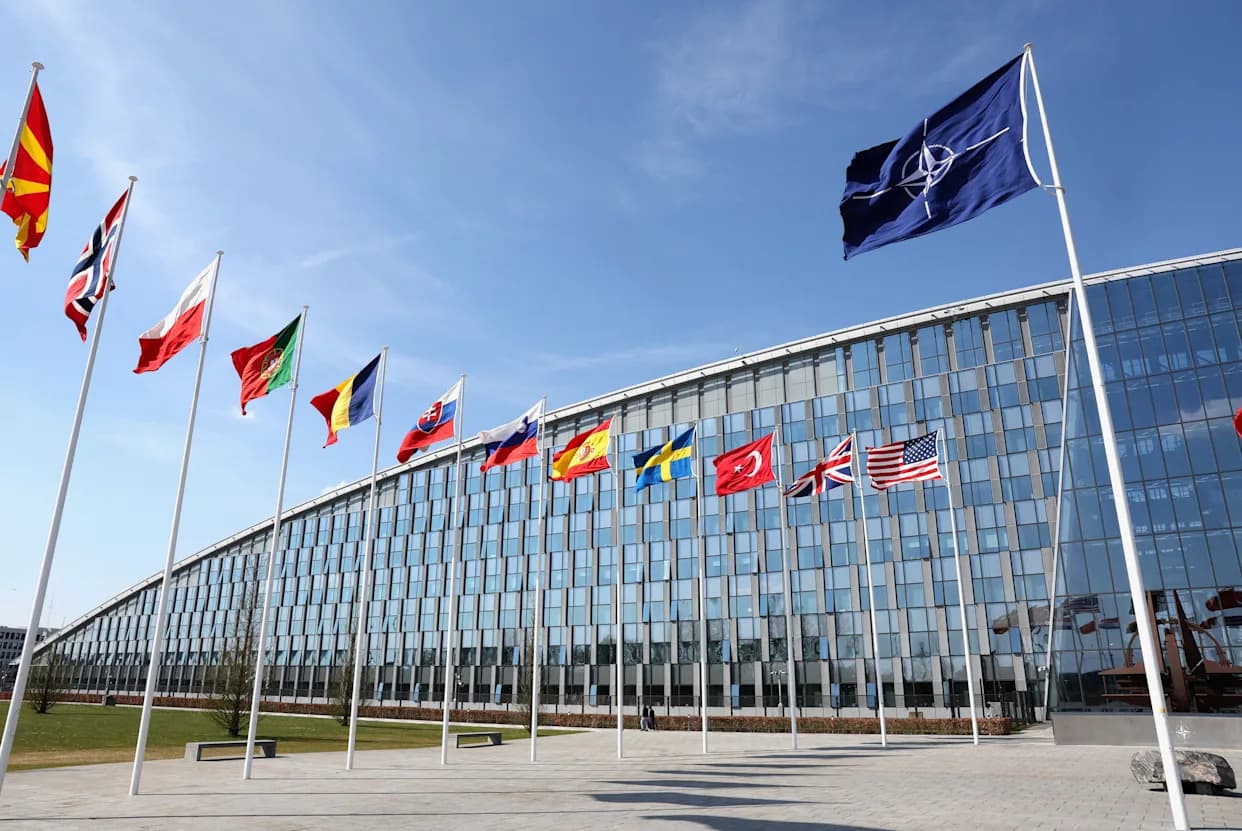
It also calls for increased burden-sharing: "We will insist our allies and partners do their part and lend them a helping hand when they step up." The strategy specifically says Washington intends to deter China "through strength, not confrontation," and describes Russia as a "persistent but manageable" threat to NATO’s eastern members. On Iran, the document reiterates that President Donald Trump has made clear Iran must not obtain a nuclear weapon.
Current Posture And Context
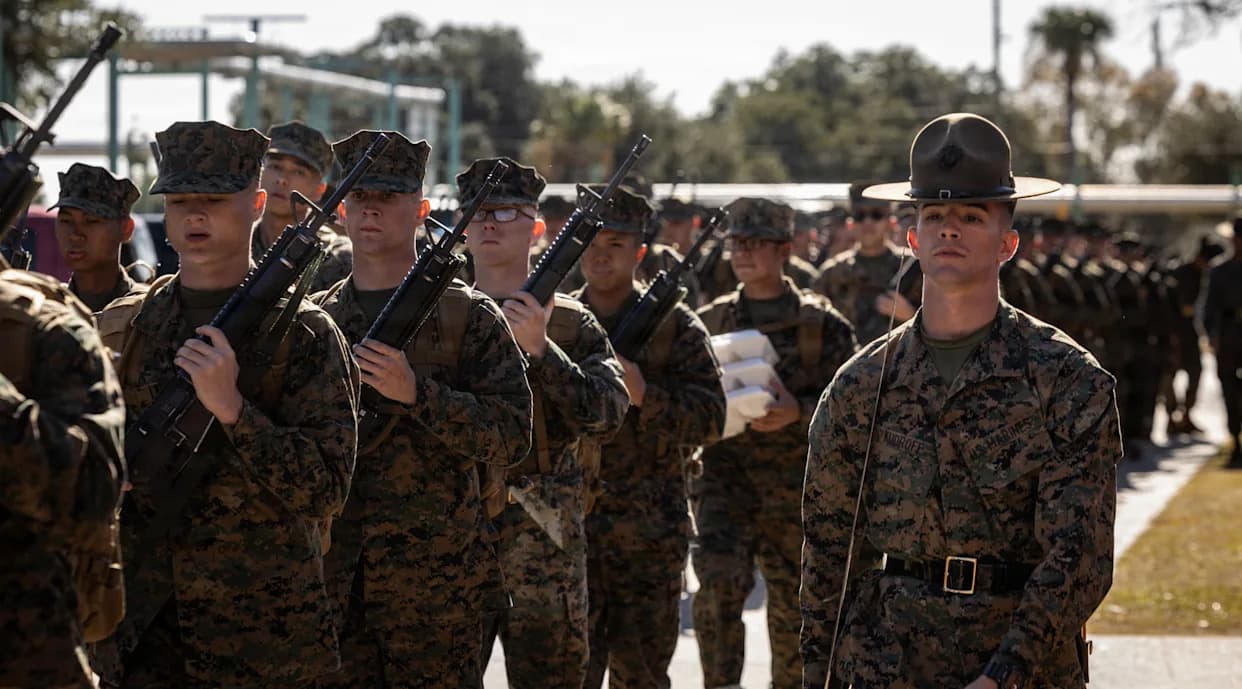
The document notes practical context: South Korea raised its military budget by 7.5% this year, and roughly 28,500 U.S. troops remain stationed on the peninsula. Together, these factors shape the Pentagon’s conclusion that Seoul can assume a larger share of deterrence responsibilities with continued, targeted U.S. support.
Officials describe the proposal as aligning alliance commitments with U.S. defense priorities while encouraging partners to take greater responsibility for regional security.
Help us improve.