Zoochosis (commonly called stereotypies) refers to repetitive, abnormal behaviors in captive animals — such as pacing, swaying, and self-plucking — that often indicate stress or unmet needs. Causes include boredom, limited space, social deprivation, unpredictable routines, and visitor disturbance. Modern responses focus on environmental enrichment, better habitat design, social and cognitive interventions, and evaluating welfare with multiple indicators. Simple changes from zoos and visitors can meaningfully reduce these behaviors.
Zoochosis Explained: Why Some Captive Animals Pace, Pluck, and Repeat
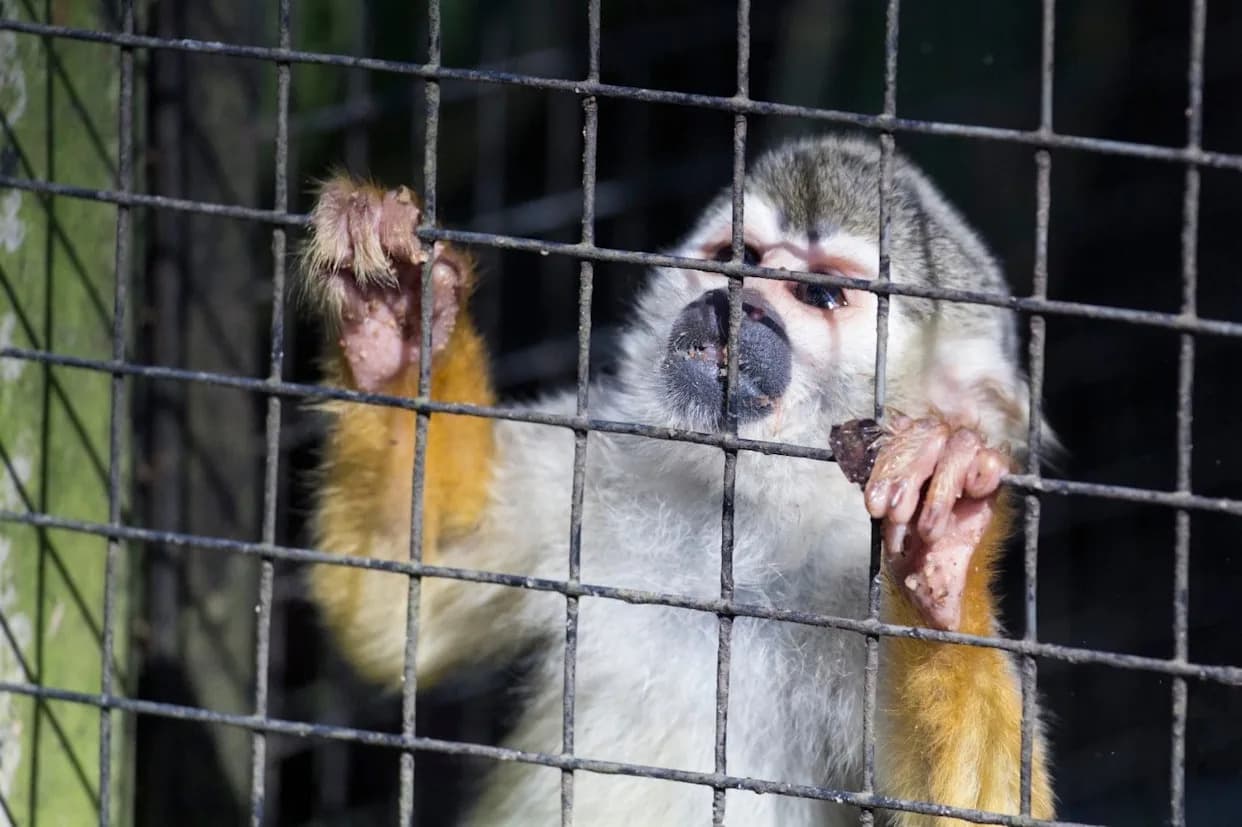
Primates and monkeys, protection area and environmental education, South American zoo© Sergio Re.Oli/Shutterstock.com
A tiger tracing the same worn path along its enclosure, a parrot methodically pulling out feathers until bare skin shows — to many visitors these acts look like unusual habits or individual quirks. For animal-welfare scientists and zookeepers, however, repetitive, apparently purposeless behaviors are red flags that an animal’s environment or experience may not be meeting its needs.
Zoochosis is the popular term for these abnormal, repetitive behaviors; scientists more often use the clinical term stereotypies. Stereotypies are highly repetitive, consistent actions that appear to lack an obvious goal. Examples include pacing, head-rolling, excessive licking, feather- or hair-plucking, and repetitive swimming patterns in captive settings.
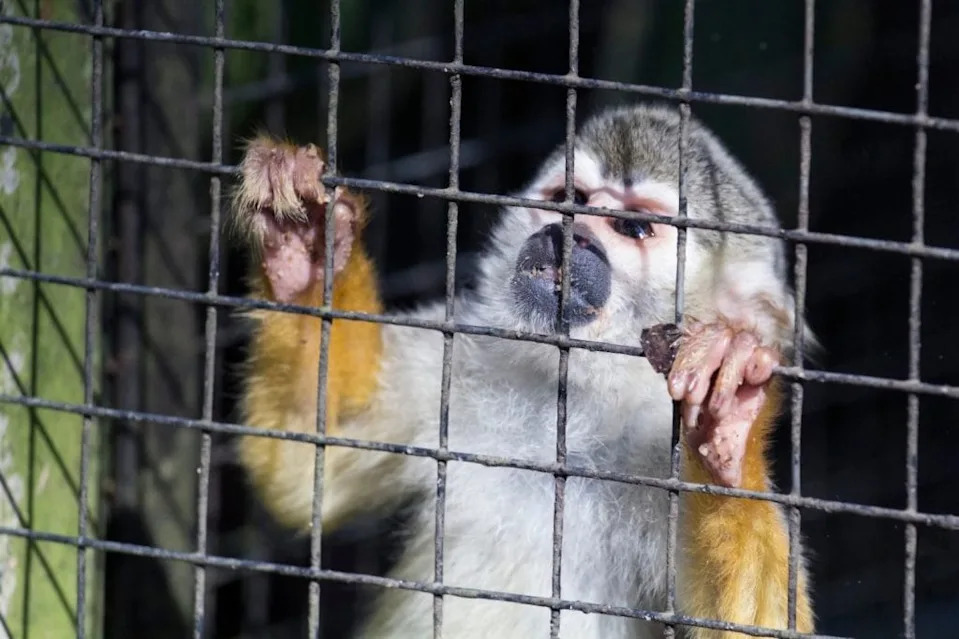
Zoochosis can happen due to a variety of factors.©Sergio Re.Oli/Shutterstock.com(Sergio Re.Oli/Shutterstock.com)
What Causes Repetitive, Abnormal Behaviors?
There is no single cause that explains all stereotypies. Instead, research points to a set of common stressors and environmental deficits that make such behaviors more likely:
- Boredom and Low Challenge: Predictable routines, ready food, and little novelty reduce opportunities for natural foraging and exploration.
- Insufficient Space and Range: Many species are adapted to travel or use complex territories; cramped exhibits often lead to route-tracing and pacing.
- Social Deprivation or Conflict: Isolation, forced proximity to incompatible neighbors, or early-life separation can trigger long-lasting abnormal behaviors, especially in social species like primates.
- Unpredictability and Aversive Events: Sudden loud noises, inconsistent husbandry, or frequent disturbances increase stress and can provoke stereotypies.
- Visitor Disturbance: Crowds, loud noise, teasing, and thrown objects have been linked to increased aggression and abnormal behaviors in some species.
Where the Term Comes From
The word "zoochosis" was popularized in 1992 by Bill Travers, co-founder of the Born Free Foundation, to capture the obsessive, repetitive behaviors he observed in zoo animals. Although not a formal veterinary diagnosis, the term persists in public discourse because it succinctly signals that repetitive behavior usually indicates welfare concerns.
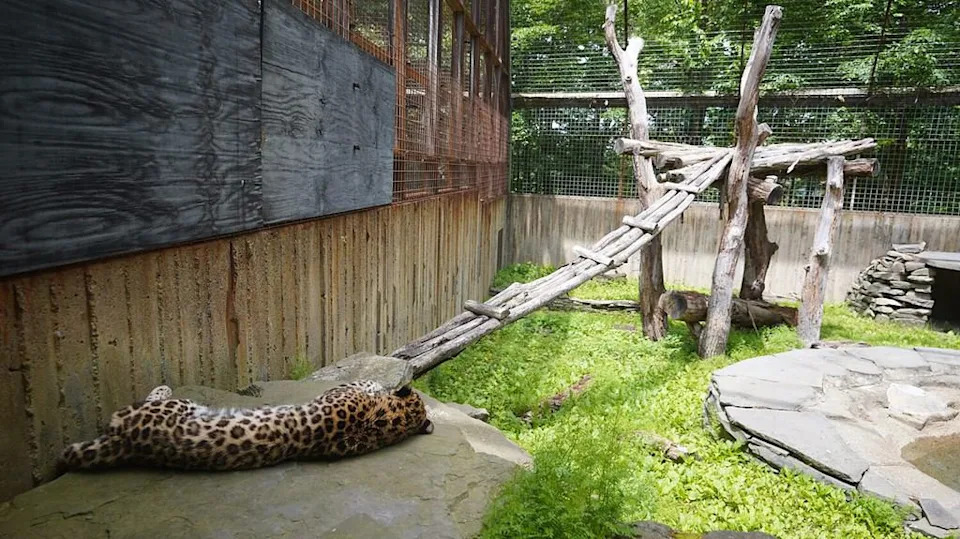
Cheetahs have revealed multiple zoochosis behaviors, like pacing, that scientists can study to help make better animal welfare policies.©305115181/Shutterstock.com(305115181/Shutterstock.com)
How Modern Zoos Respond
Addressing stereotypies is central to modern animal care. Zoos use environmental enrichment and improved habitat design to restore choice, novelty, and species-appropriate activity.
Types of Enrichment
- Feeding Enrichment: Puzzle feeders, hidden food, scattering or timed-release devices to encourage foraging and problem-solving.
- Sensory Enrichment: Rotating objects, new scents (e.g., spices), textures, and safe sound stimuli to stimulate exploration.
- Structural Enrichment: Varied substrate, climbing structures, water features, vertical space, and hiding places to increase environmental complexity.
- Social Enrichment: Compatible groupings, visual barriers to allow choice between contact and privacy, and carefully managed introductions.
- Cognitive Enrichment & Training: Positive-reinforcement training and puzzle tasks that give animals control and mental stimulation.
Research supports the benefits of these interventions. For example, targeted olfactory enrichment (like a cinnamon scent) has reduced pacing in some small cats, and enlarging enclosures has been shown to lower stereotypic pacing in cheetahs.
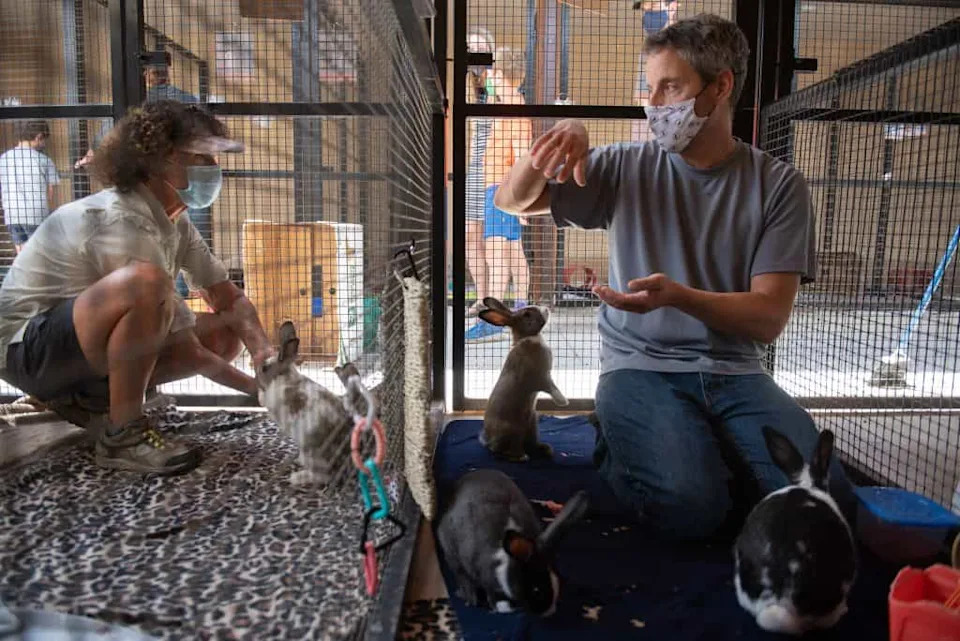
Visitors to a zoo should keep in mind how they might impact an animal’s wellbeing©Best Friends Animal Society(Best Friends Animal Society)
Habitat Design
Contemporary exhibit design prioritizes animal choice and complexity over mere visibility. Key features include three-dimensional environments for climbers and flyers, multiple microhabitats (different light, temperature, and shelter), retreat areas away from crowds, and rotation systems that refresh spaces and manage social dynamics.
What Visitors Can Do
Visitors play a role in animal welfare. Simple, respectful behaviors help reduce stress for animals:
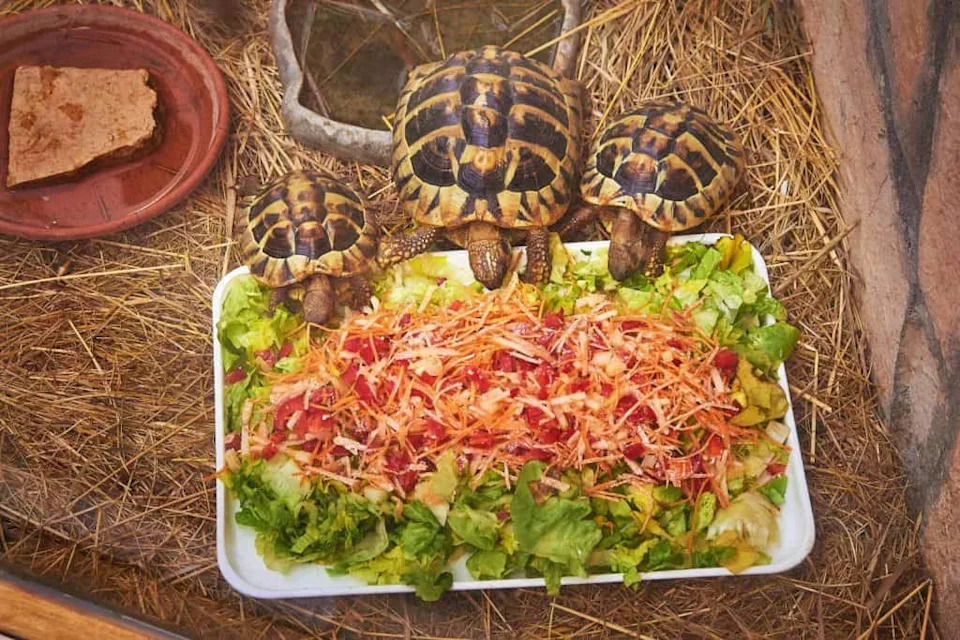
Having nutritional enrichment like treats or puzzles can help lower risk of zoochosis behavior.©PrysMichael/Shutterstock.com(PrysMichael/Shutterstock.com)
- Keep noise levels low and avoid banging on glass or shouting.
- Never tease, feed, or throw objects at animals.
- Respect viewing barriers and signage—retreat areas are important for animal choice.
- Ask staff questions about enrichment and welfare; support accredited institutions that prioritize best practices.
Interpreting Behavior
Repetitive behaviors should prompt concern and investigation, not dismissal as mere quirks. Stereotypies can reflect current stressors or past experiences, and some behaviors may persist even after improvements are made. Welfare experts therefore recommend evaluating animals using multiple measures—behavioral, physiological, and environmental—rather than relying on behavior alone.
Behavior Is Data: Whether you call it "zoochosis" or "stereotypies," repetitive, abnormal behavior is a signal that an animal’s environment or care deserves closer attention.
By combining thoughtful enrichment, smarter exhibit design, careful social management, and informed visitor behavior, zoos can reduce stereotypies and improve the lives of animals in human care.
Help us improve.