
ExplorersWeb’s most-read science stories of 2025 spotlighted wildlife adaptations, historical mysteries and important public-health findings. Top features include Namibian Skeleton Coast lions that now get roughly 80% of their diet from marine prey and the death of primatologist Jane Goodall at 91. The package also clarifies the origin of human bones found on Livingston Island, recounts Marburg virus cases linked to Kitum Cave, and presents a new underwater survey confirming the fate of SS Terra Nova.
ExplorersWeb: Five Most-Read Science Stories of 2025 — From Shoreline Lions to Jane Goodall

Photo: Shutterstock
ExplorersWeb highlights expeditions and “adventure science” that intersect archaeology, space and natural history. In 2025 our most-read items ranged from survival experiments on the International Space Station to fieldwork and archaeological surveys that rewrote little bits of history. Below are the five science stories that drew the most attention this year, followed by a note on other notable findings.
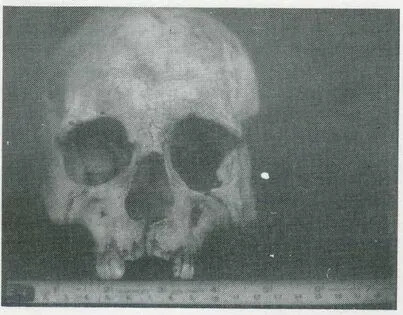
The reconstructed Antarctic skull. Photo: Daniel Torres Navarro
Namibian Lions Return to Seal Hunting
Lions along Namibia’s Skeleton Coast have demonstrated remarkable behavioural flexibility by resuming maritime hunting. These animals are the only known lion population that regularly preys on seals and seabirds. Displaced from the beaches in the mid-20th century, a remnant group of desert-adapted lions has steadily returned to the coast over the past two decades. Initially they hunted largely on land, but three young lionesses revived ancestral shoreline techniques; today roughly 80% of the population’s diet is derived from marine sources.
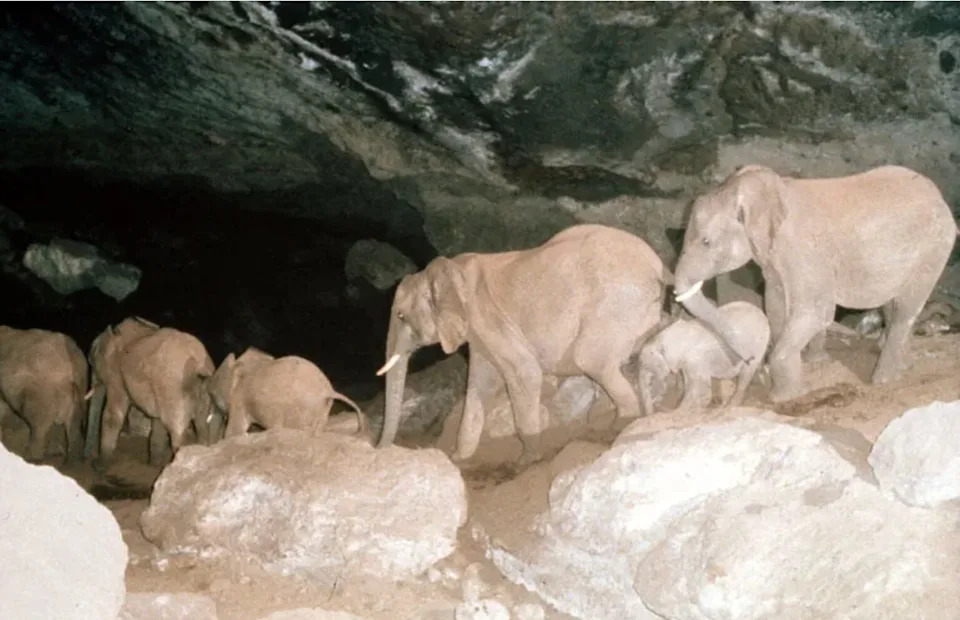
Elephants in Kitum Cave. Photo: Richard Preston
Jane Goodall Dies at 91
In October, world-renowned primatologist and conservationist Jane Goodall died aged 91, peacefully in her sleep while on a speaking tour in California. Goodall transformed primatology through decades of close field observation of chimpanzees at Tanzania’s Gombe Stream National Park. By naming and following individual chimpanzees, she documented tool use, social bonds and emotional complexity that challenged long-held assumptions about human uniqueness. Her legacy includes founding the Jane Goodall Institute, creating the Roots & Shoots youth programme, authoring more than 30 books, serving as a U.N. Messenger of Peace and campaigning globally for conservation.
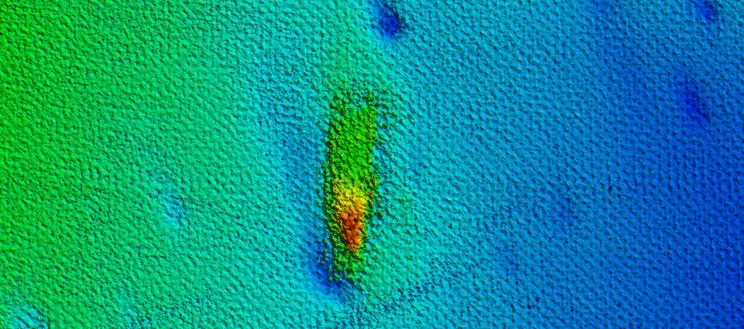
This blob in a sonar scan turned out to be the wreck of the SS Terra Nova. Photo: Schmidt Ocean Institute
What Happened to the Human Remains Found in Antarctica?
Online speculation recently revived an old story about human bones found on Livingston Island, off the northern tip of the Antarctic Peninsula. In 1985 Chilean biologist Daniel Torres Navarro discovered a skull and later two leg bones that belonged to the same individual. Navarro and anthropologist Claudio Paredes attempted sex and ancestry estimates using the methods available at the time, but conclusions were inconclusive. The most plausible explanation remains that the remains belong to someone who reached the island through historic sealing activity or a shipwreck; they do not provide evidence of prehistoric human habitation of Antarctica.
Kitum Cave: A Natural Attraction With a Deadly History
Kitum Cave, on Kenya’s Mount Elgon, is a series of caverns formed by long-term erosion of an extinct volcano. Mineral-rich walls act as a giant salt lick, attracting elephants and other wildlife and drawing tourists to observe them. The cave’s dangers became apparent in the 1980s, when at least two visitors contracted Marburg virus—an often-fatal haemorrhagic disease related to Ebola—after visiting the cave. Kitum remains an example of how wildlife attractions can pose significant zoonotic risks.
New Surveys Reveal the Fate of SS Terra Nova
Maritime archaeologists completed a detailed underwater investigation of the wreck of SS Terra Nova, the wooden ship that carried Robert Falcon Scott on his 1910 Antarctic expedition and later sank off Greenland during World War II. First identified as a sonar contact in 2012, the wreck was revisited with modern submersibles and expert divers. The team confirmed the ship’s identity, documented that the bow had split violently in two, and found personal items and gear consistent with a hurried evacuation as the vessel sank.
Other Notable Highlights
Readers were also interested in a range of other discoveries in 2025: experiments showing moss can survive months attached to the outside of the International Space Station; confirmation of the oldest known black hole observed to date; footage of killer whales displaying unusual affectionate behaviour; and an experimental field effort in which a volunteer accepted repeated snakebites to aid development of a broad-spectrum antivenom.
Note: All items above summarize reporting published by ExplorersWeb in 2025. Where studies or discoveries are ongoing, readers should consult original research reports or follow-up coverage for the latest updates.


