The North Atlantic right whale population (≈384 individuals) has produced 15 calves so far this breeding season, NOAA reports. Although about 20 births would be considered "relatively productive," scientists say the species needs roughly 50 or more calves per year for many years to reverse declines caused mainly by fishing-gear entanglements and vessel strikes. Reproductive intervals have stretched from 3–4 years to about 7–10 years, and ongoing human-caused injuries remain the primary barrier to recovery.
North Atlantic Right Whales See Encouraging Calving Season — But Far More Babies Are Needed to Recover
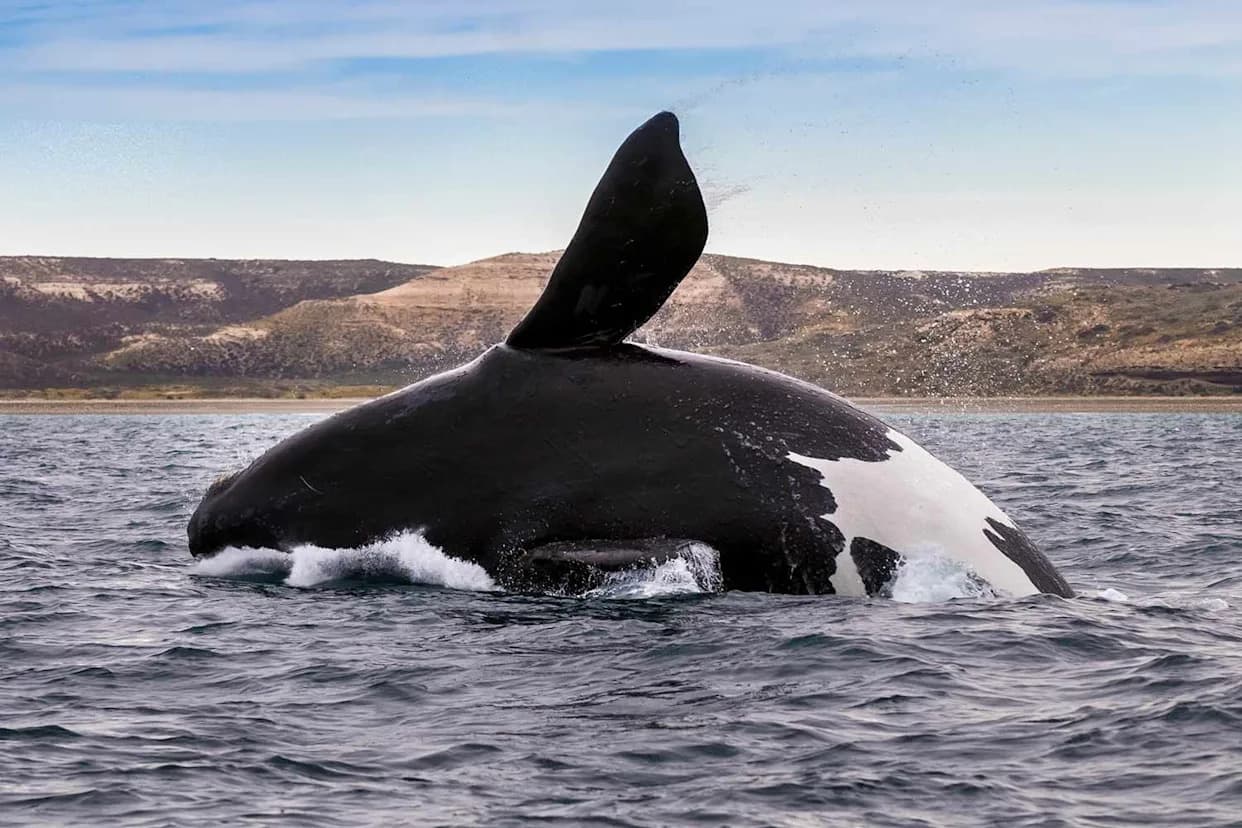
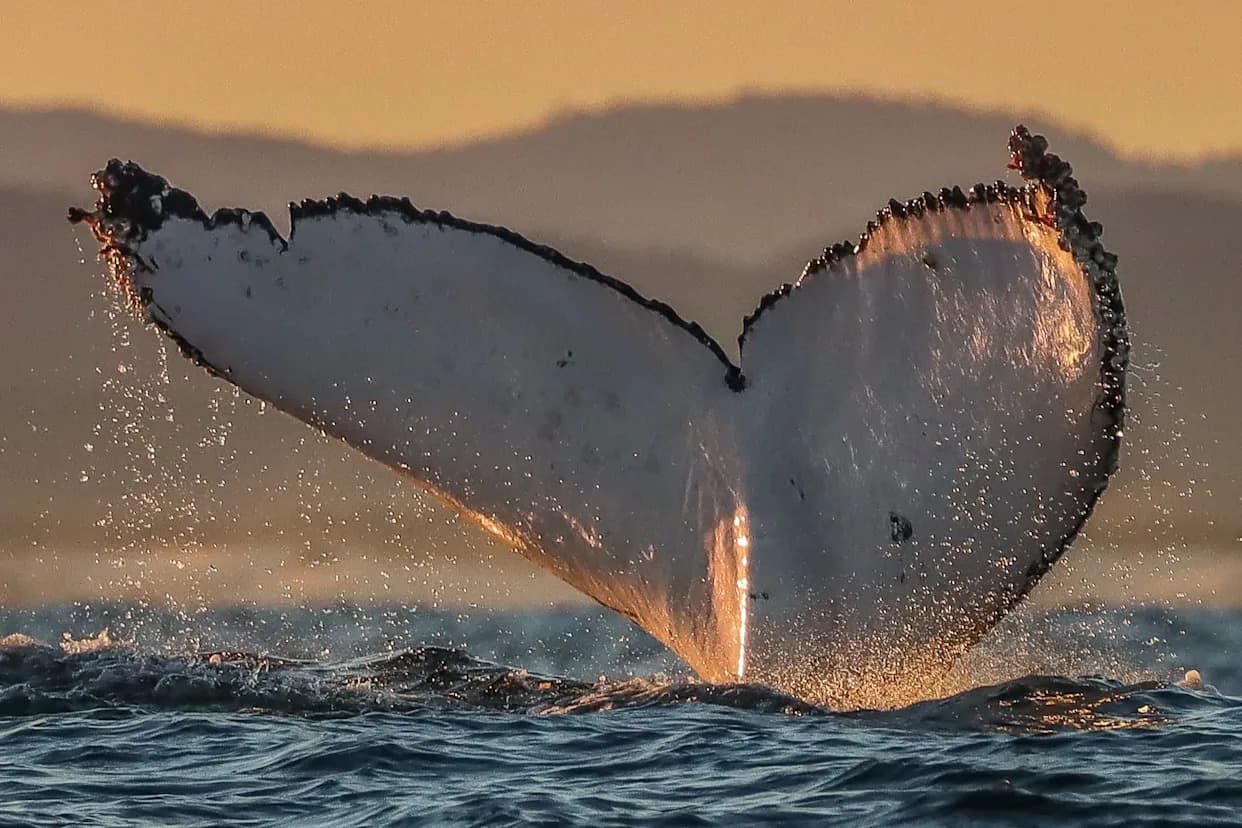
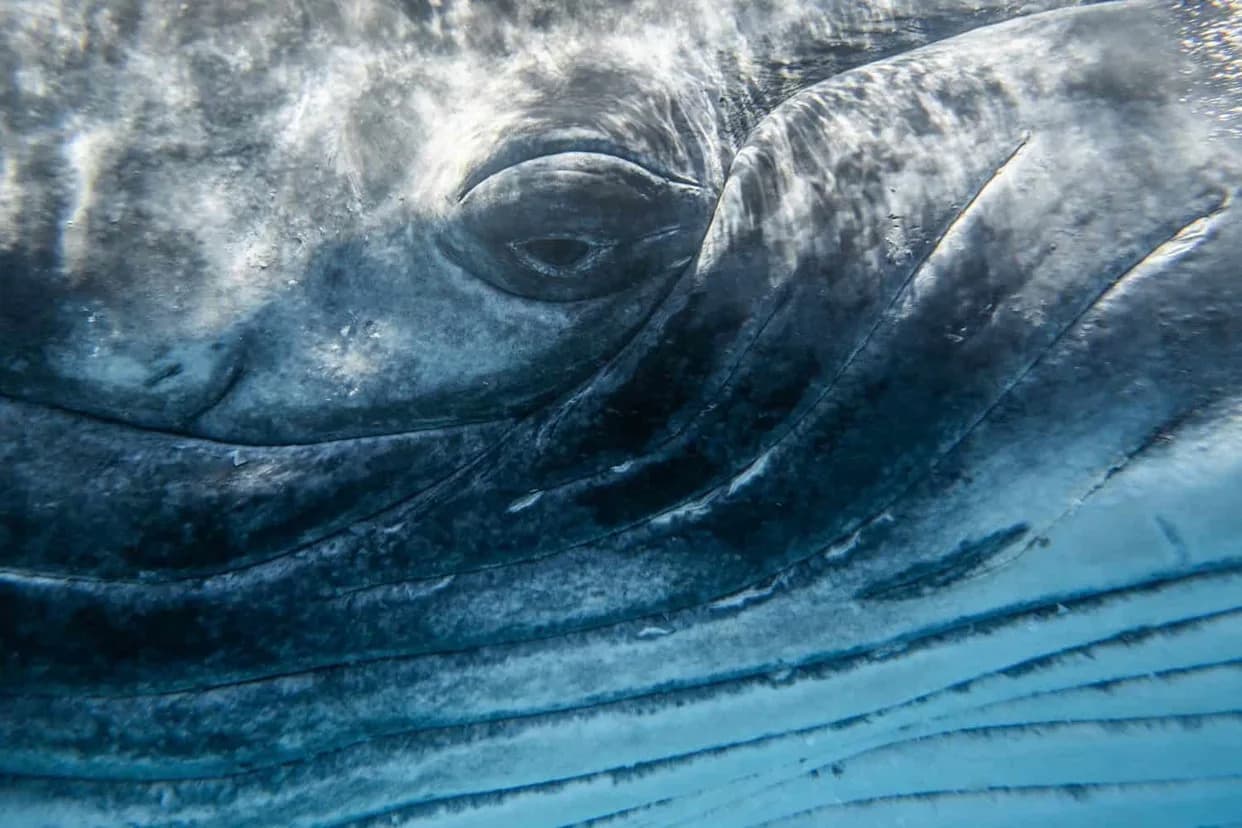
GettyNorth Atlantic right whale.
The North Atlantic right whale population — now estimated at about 384 individuals — has produced 15 calves so far this breeding season, a welcome increase compared with recent years but still well short of what scientists say is required for long-term recovery.
According to a National Oceanic and Atmospheric Administration (NOAA) report released Jan. 5, the species' breeding season runs from mid-November through mid-April. To date, researchers have documented 15 newborn calves; NOAA considers a season with about 20 births to be "relatively productive" given the number of reproductively mature females. However, that level remains insufficient to offset ongoing losses.
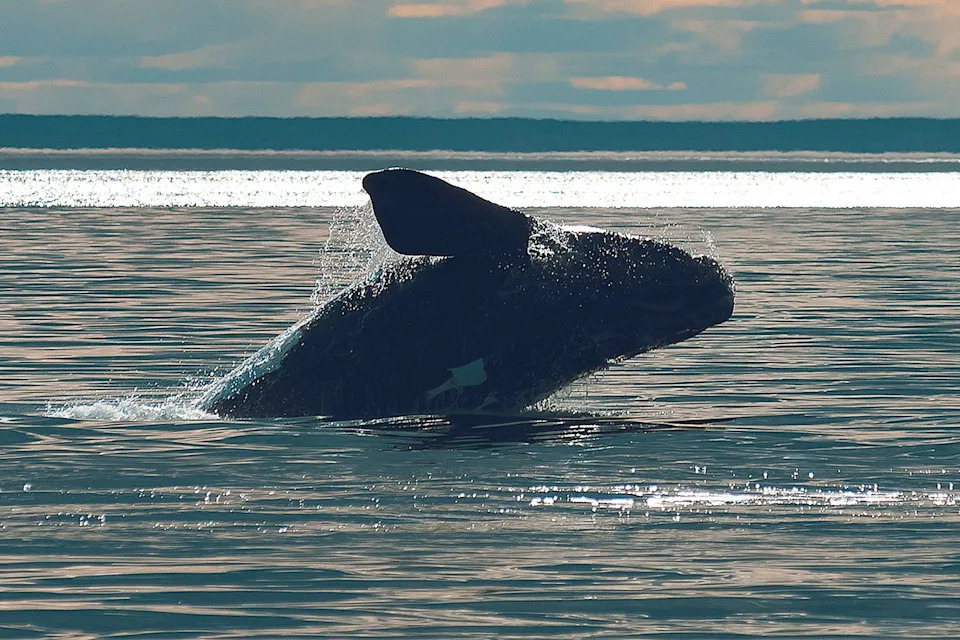
GettyNorth Atlantic right whale.
NOAA warns that, given the current estimates of human-caused mortality and serious injury, the species would need roughly 50 or more calves per year for many years to halt the decline and allow the population to recover.
Reproductive Trends and Causes
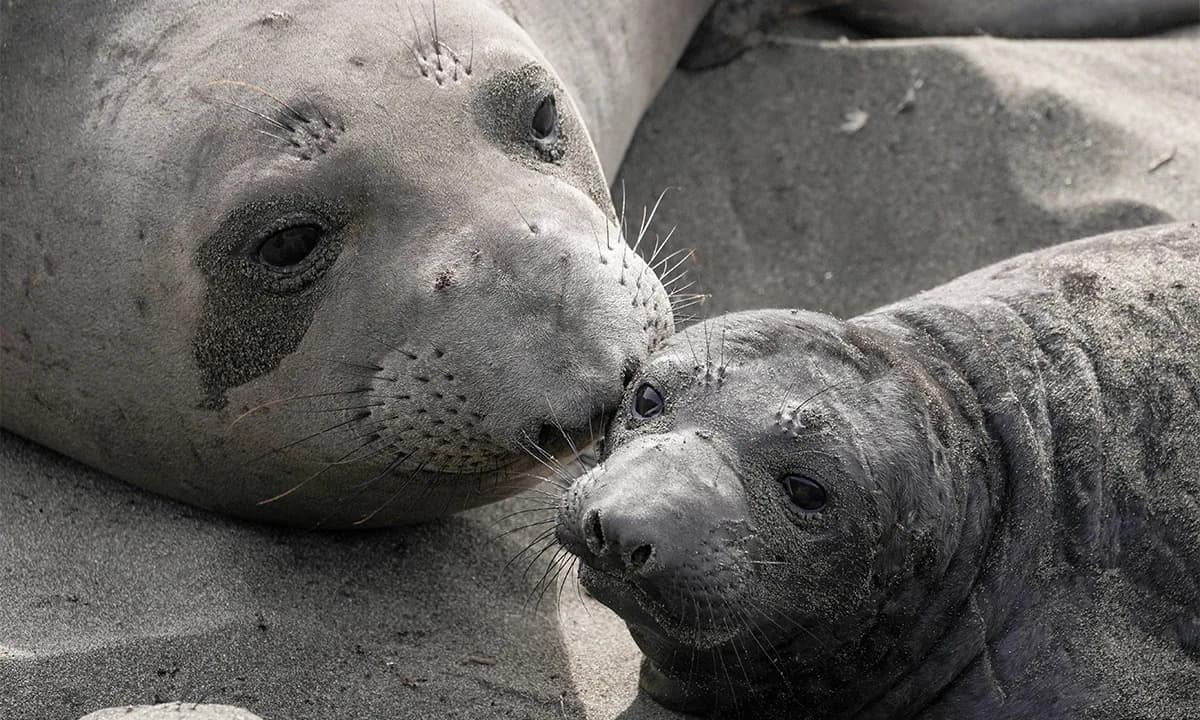
Female right whales typically reach sexual maturity around age 10 and historically calved every three to four years. Over the past decade, however, calving intervals have stretched to roughly 7–10 years for many females. Biologists link this change to a combination of stressors such as disruptions in prey availability and the cumulative impacts of human-caused injuries.
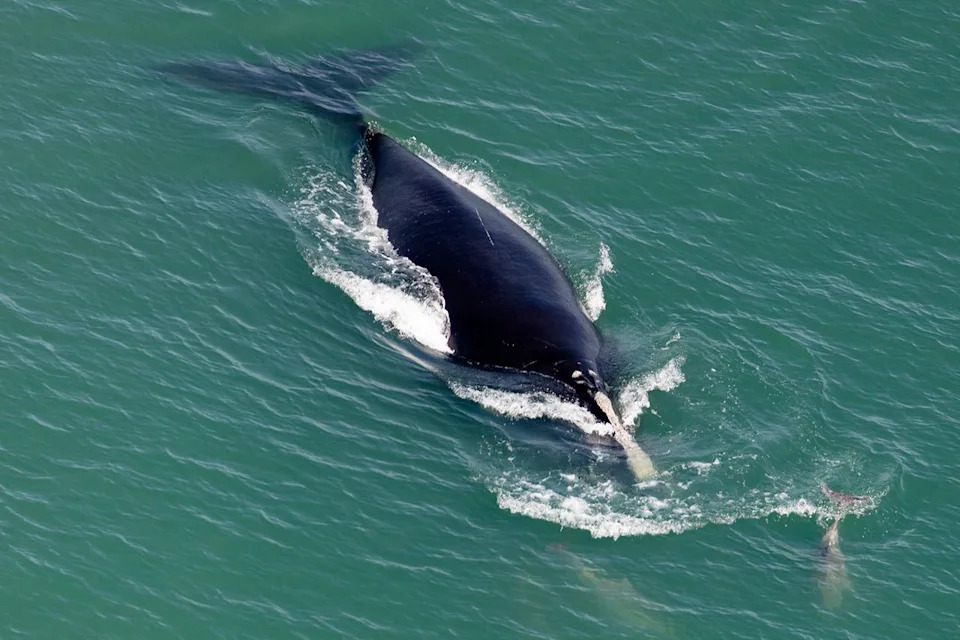
GettyNorth Atlantic right whale.
"The only solution is to significantly reduce human-caused mortality and injuries, as well as stressors on reproduction," NOAA said in its report.
Primary Threats
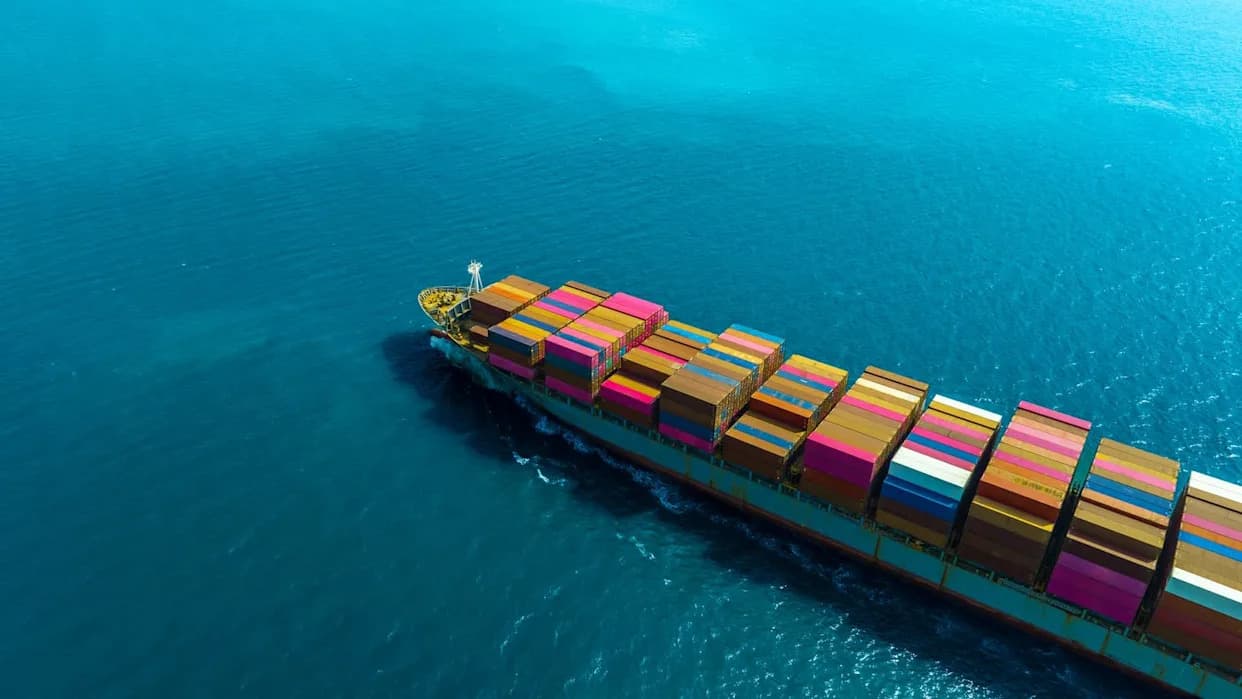
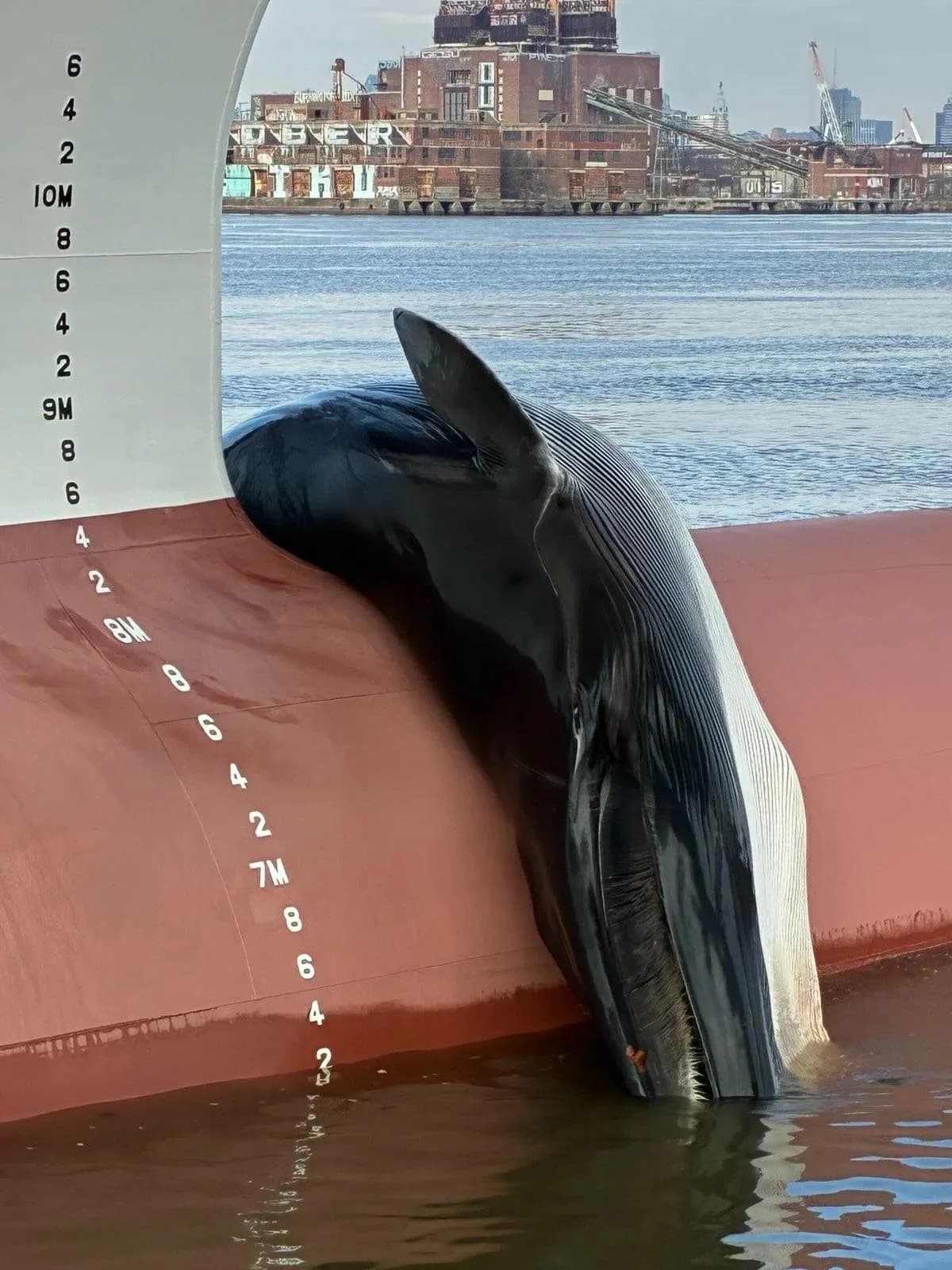
Since 2017 the population has been experiencing a sustained mortality event that has affected more than 20% of the population. The leading causes of harm are entanglements in fishing gear and collisions with vessels, which increase rates of injury, illness and death.
In a Dec. 8, 2025 aerial observation, NOAA documented a right whale with multiple lines wrapped around its head and mouth, including one cutting into the blowhole. Responders removed some gear, but the whale remained partially entangled and experts told CBS News it may need further intervention to survive.
Outlook
While a modest uptick in births this season is encouraging, scientists emphasize that occasional above-average calving seasons alone will not secure recovery. Sustained reductions in entanglements, vessel strikes and other reproductive stressors are essential for the species to rebound over the coming decades.
Help us improve.