The northern white rhinoceros is functionally extinct in the wild—only Najin and Fatu, a mother and daughter, remain—so natural reproduction is effectively impossible. Conservationists are focusing on biobanking and assisted-reproduction techniques such as IVF with ICSI, embryo transfer into southern white rhino surrogates, cloning, and experimental gamete creation. BioRescue confirmed an embryo-transfer pregnancy (the surrogate later died around 70 days) and announced three embryos in August 2025. Long-term recovery will require decades of careful science, expanded genetic material and strong protection from poaching and habitat loss.
Frozen Genes or Final Days? Inside the Race to Save the Northern White Rhino
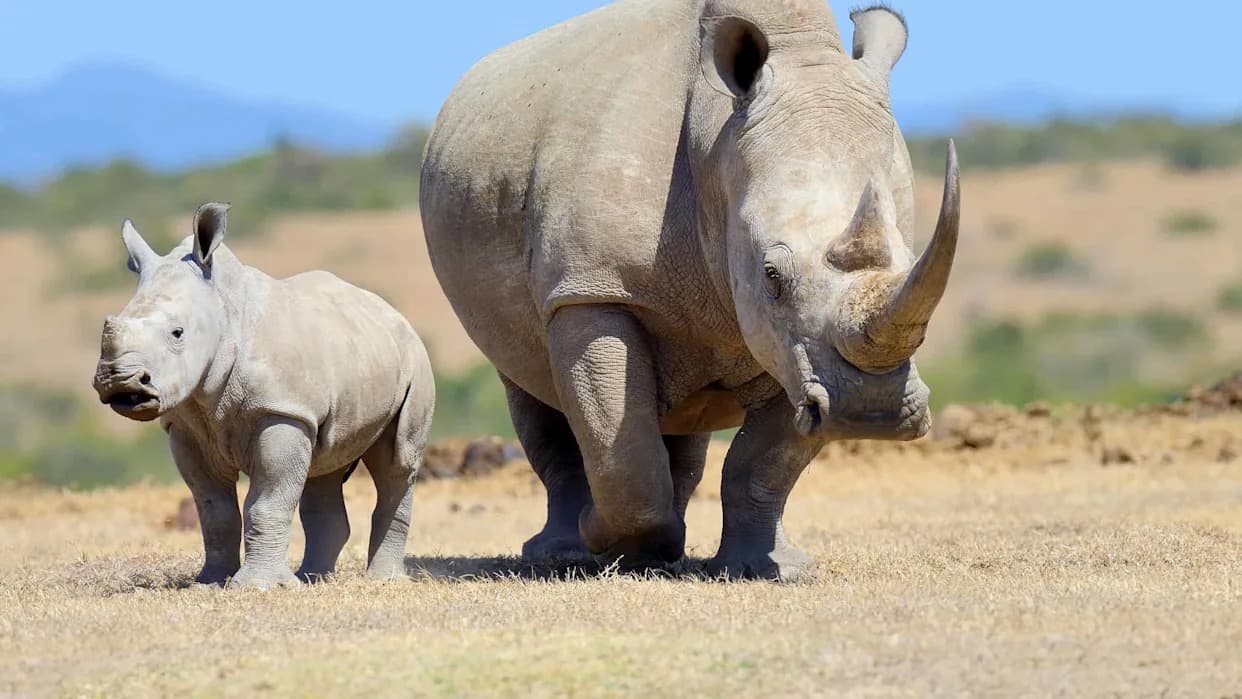
Mom and baby white rhino.© Volodymyr Burdiak/Shutterstock.com
The northern white rhinoceros now stands at one of modern conservation's most urgent crossroads. Only two individuals remain—Najin and Fatu, a mother and daughter—so natural reproduction is effectively impossible. Conservationists have shifted emphasis from habitat protection alone to preserving genetic material and applying advanced reproductive technologies in a last-ditch effort to rebuild the subspecies.
What “Functional Extinction” Means
Functional extinction describes a population so small that natural reproduction and long-term survival are no longer feasible. Low numbers increase inbreeding and the expression of harmful mutations, creating an extinction vortex in which biological problems compound and survival declines further. A mother–daughter pair provides no unrelated mate, so any offspring would inherit closely similar genes and face elevated genetic risks.
Tools Scientists Are Using
Because natural breeding is not a realistic option, scientists are combining laboratory methods, biobanking and, where possible, biotechnology. Key approaches include:
- In Vitro Fertilization (IVF) and ICSI: Intracytoplasmic sperm injection (ICSI) injects a single sperm into an egg and is used when sperm are scarce.
- Embryo Transfer: Northern white rhino embryos can be carried to term by closely related southern white rhino surrogates.
- Biobanking: Cryopreservation of sperm, eggs, embryos and tissue—collections such as the San Diego Zoo Wildlife Alliance’s Frozen Zoo preserve material for future use.
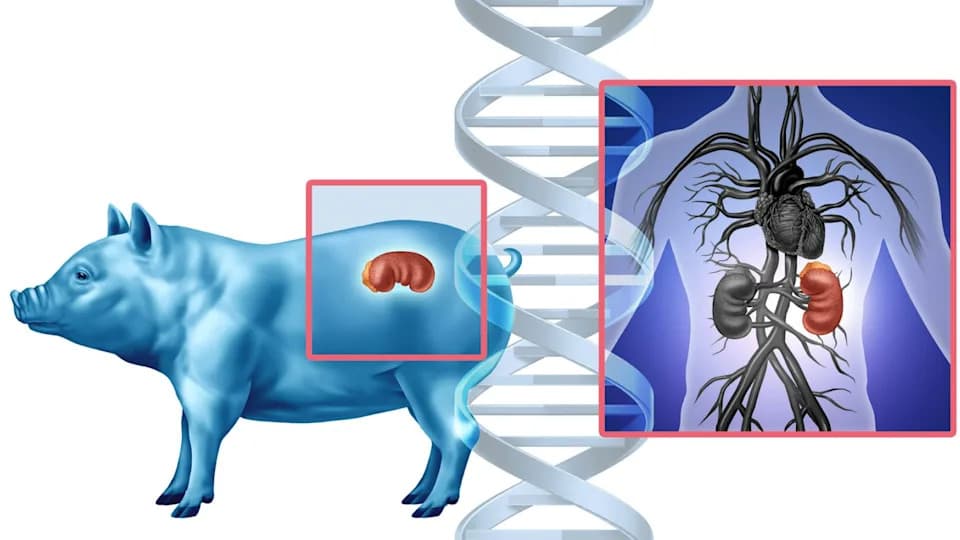
- Cloning and Gametogenesis: Cloning from preserved cells and generating eggs or sperm from stored cells are experimental tools that could reintroduce lost genetic lines.
- Genetic Rescue (Limited Here): Introducing gene flow from a compatible population can reduce inbreeding, but no unrelated northern white rhino population exists to supply new genes.
Breakthroughs and Setbacks
A milestone came when the team known as BioRescue reported the first confirmed pregnancy from a rhino embryo transfer, proving the technique is biologically viable for rhinos. Tragically, the surrogate developed a bacterial infection and died at roughly 70 days, and the fetus did not survive. In an August 2025 update, BioRescue reported creating three new northern white rhino embryos and began additional embryo transfers—significant progress, but transfers and long-term pregnancy maintenance remain major challenges.
Practical And Ethical Challenges
Every step is technically demanding and ethically sensitive. Teams must:
- Develop safe anesthesia and monitoring for very large animals;
- Retrieve eggs without harming donor rhinos;
- Culture, assess and cryopreserve embryos reliably;
- Establish and manage a healthy surrogate population with synchronized reproductive cycles;
- Address welfare and ethical questions about intensive intervention and experimental procedures.
With only two living northern white rhinos, there is almost no room for trial-and-error; every procedure must prioritize animal safety and long-term planning.
Lessons From Other Recoveries
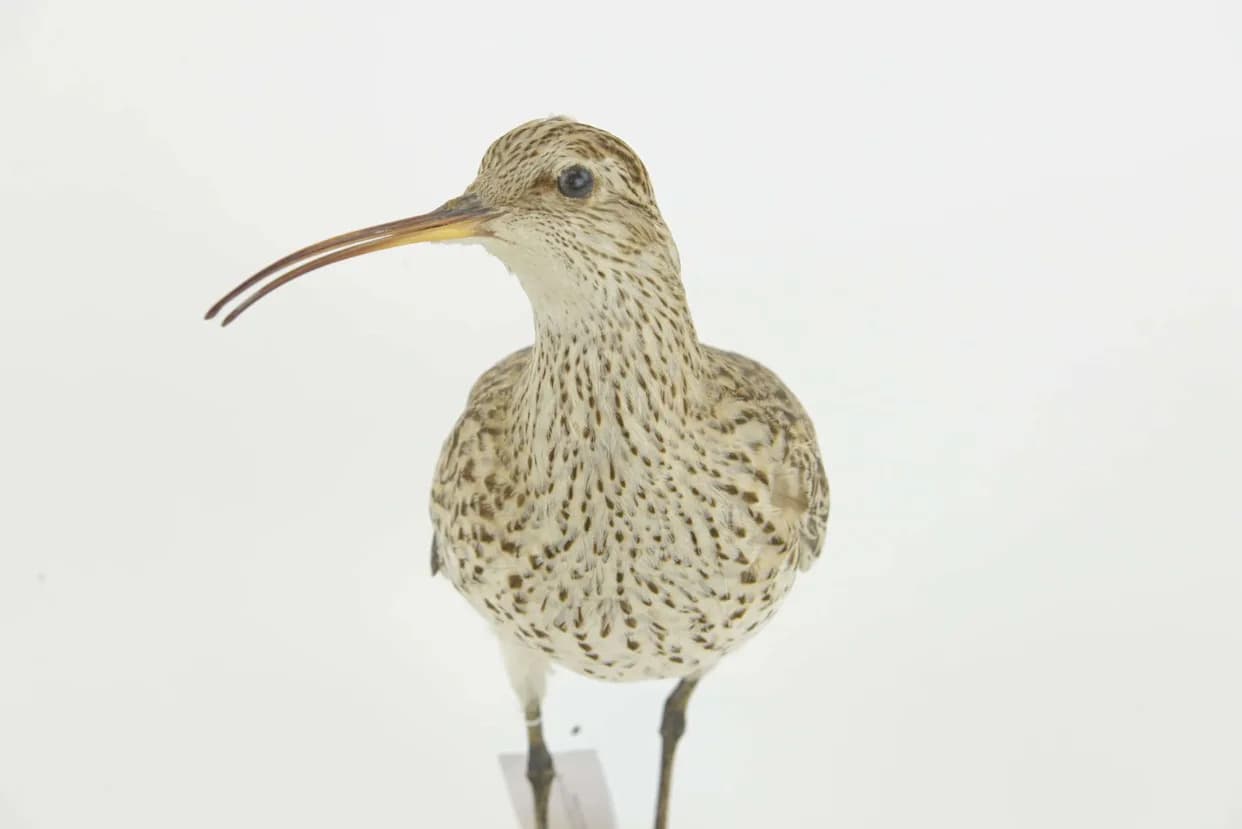
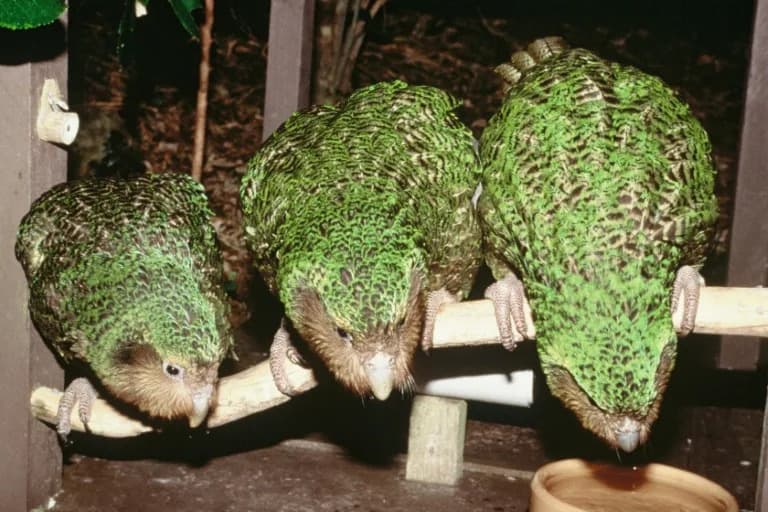
Recovery from extremely low numbers is possible but usually takes decades of careful management. Examples include the kākāpō (New Zealand), which rose from 51 birds in 1995 to over 230 with intense intervention, and the Mauritius kestrel, which rebounded from roughly four wild individuals in the 1970s. The black-footed ferret, recovered from seven founders, now benefits from cloning and preserved genetics to reintroduce diversity. Other crises, like the Yangtze giant softshell turtle and the vaquita, show how fragile late-stage recoveries can be.
What Comes Next
If IVF and embryo transfer yield living calves, the road ahead still requires:
- Safely raising offspring and expanding numbers while minimizing inbreeding;
- Maximizing use of biobanked genetic diversity and any viable preserved cells;
- Securing long-term protection against poaching and habitat loss so any recovered population is not driven back to the brink.
The northern white rhino case underscores a broader lesson: biotechnology can expand rescue options, but it works best when combined with early genetic monitoring, widespread biobanking and decisive threat reduction long before species numbers implode. Whether these two rhinos will mark a final chapter or the beginning of a slow recovery remains to be seen. The effort will take years, significant funding, global collaboration and unwavering commitment to habitat and anti-poaching measures.
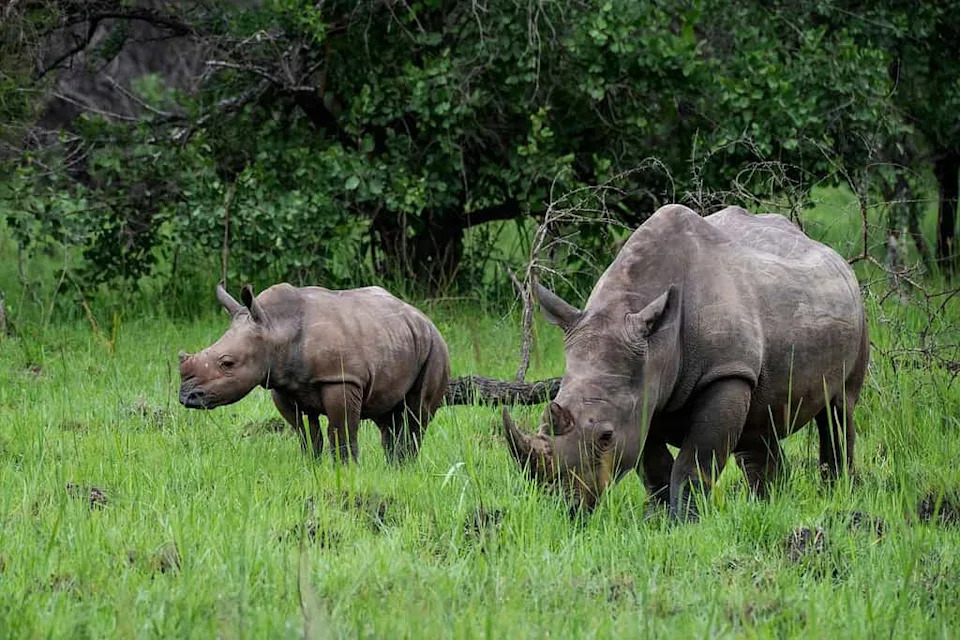
These are the only two northern white rhinos left in existence, and they are a mother and daughter.©Tharuka Photographer/Shutterstock.com
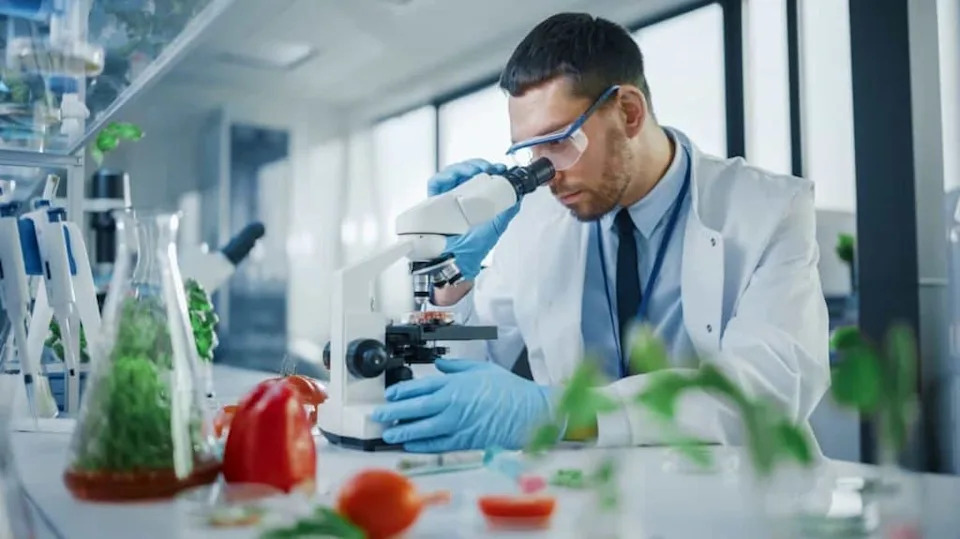
Biologists are developing many advanced programs that may help save species like the northern white rhino.©Gorodenkoff/Shutterstock.com
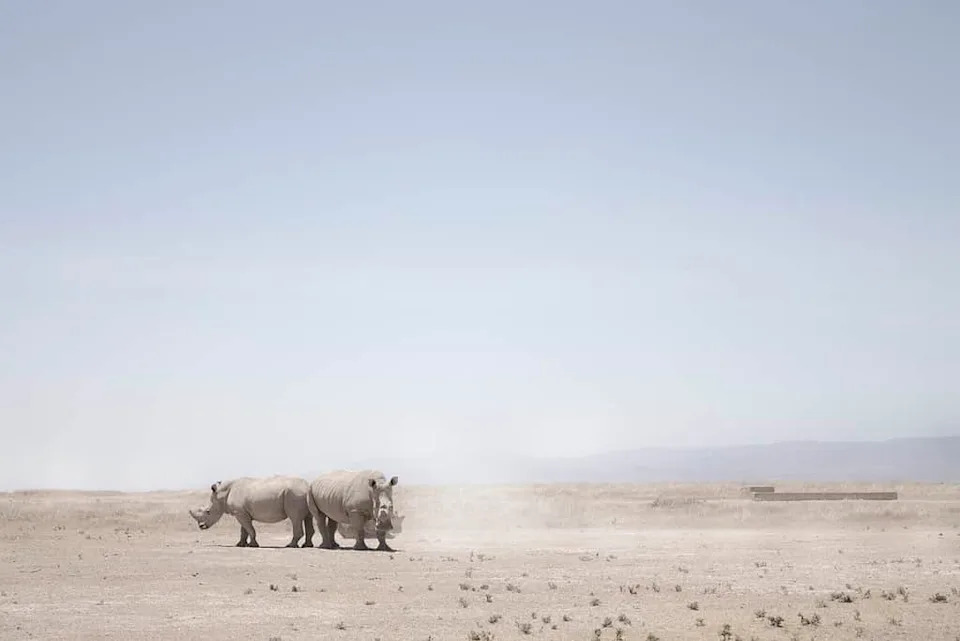
The process for saving the northern white rhino species is complicated, with many potential issues to come.©KatWebb/iStock / Getty Images Plus via Getty Images
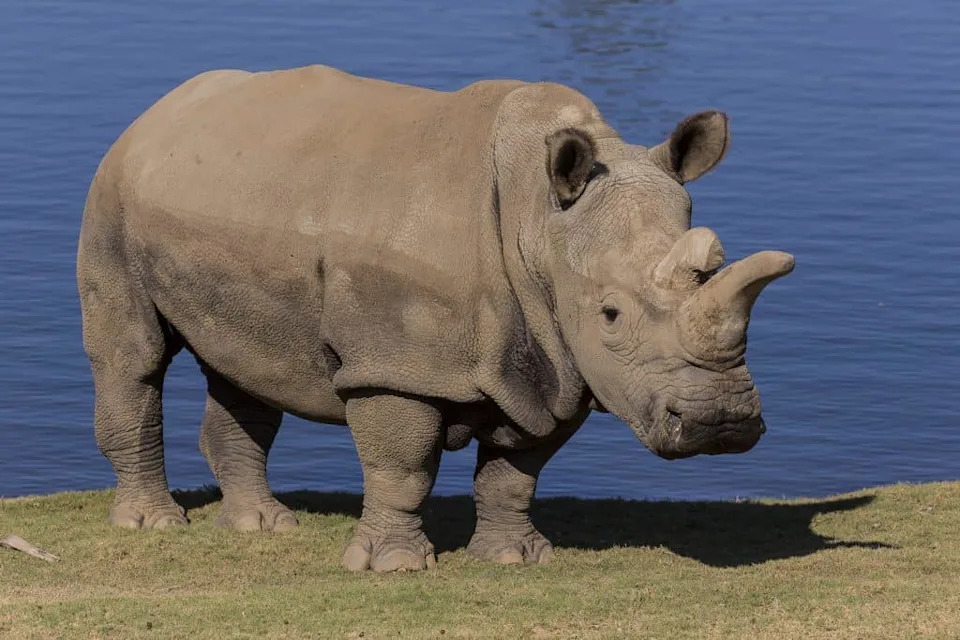
Rhinos aren’t the easiest to save using IVF, given their size and rarity.©San Diego Zoo Wildlife Alliance
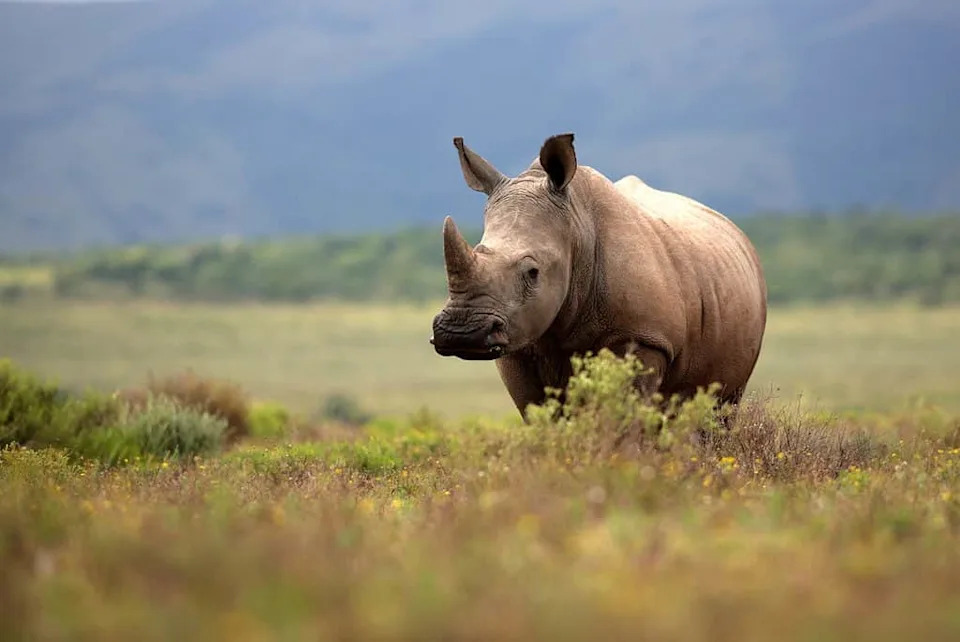
Other subspecies of rhinos may be critical to saving the northern white rhino population.©JONATHAN PLEDGER/Shutterstock.com
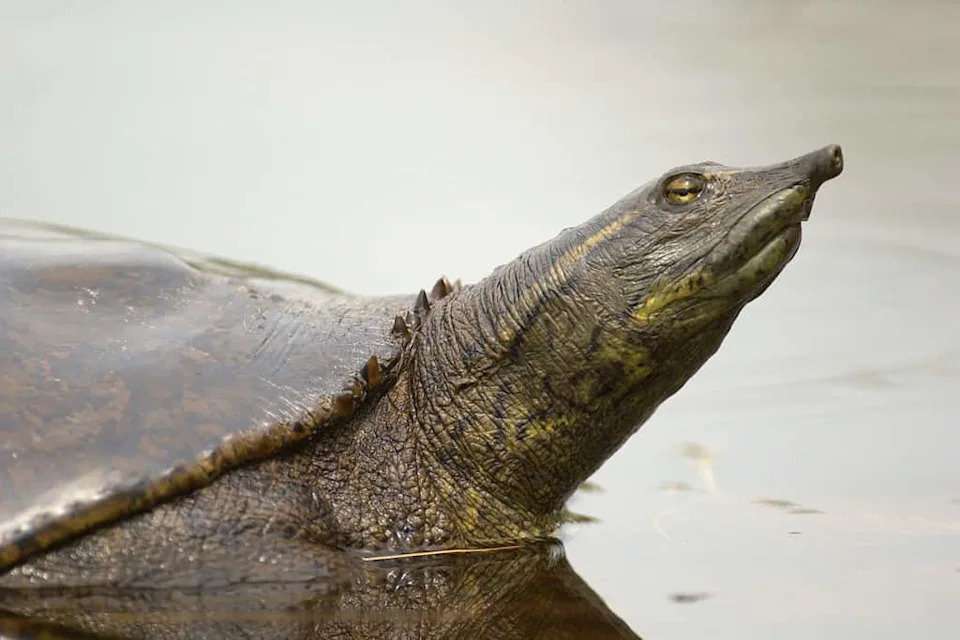
Facing a similar situation as the northern white rhino, this softshell turtle made a recovery.©Tharuka Wanniarachchi/Shutterstock.com
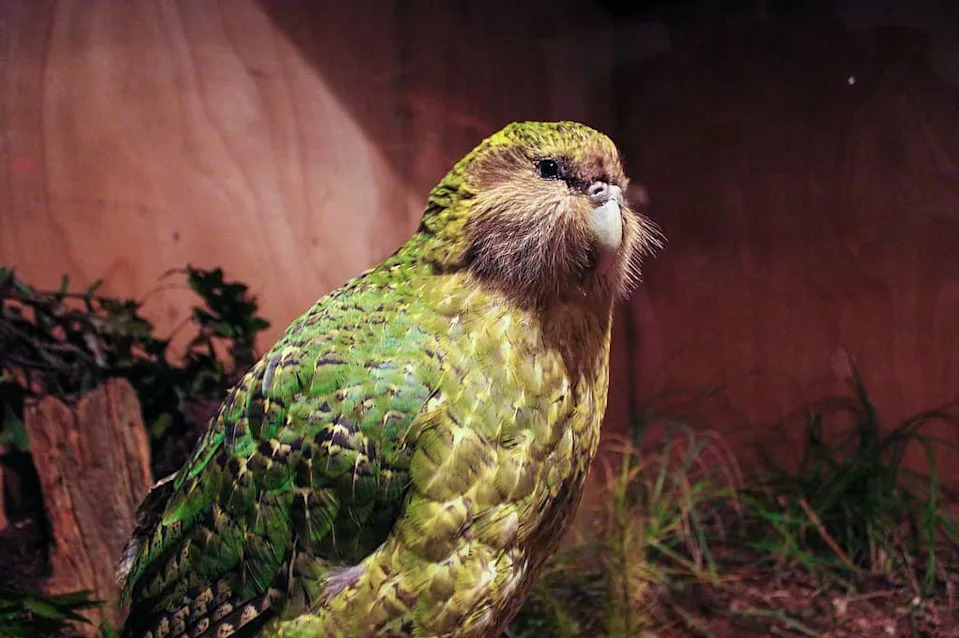
Endemic to New Zealand, the kākāpō has recovered to over 230 birds in its population.©Imogen Warren/Shutterstock.com
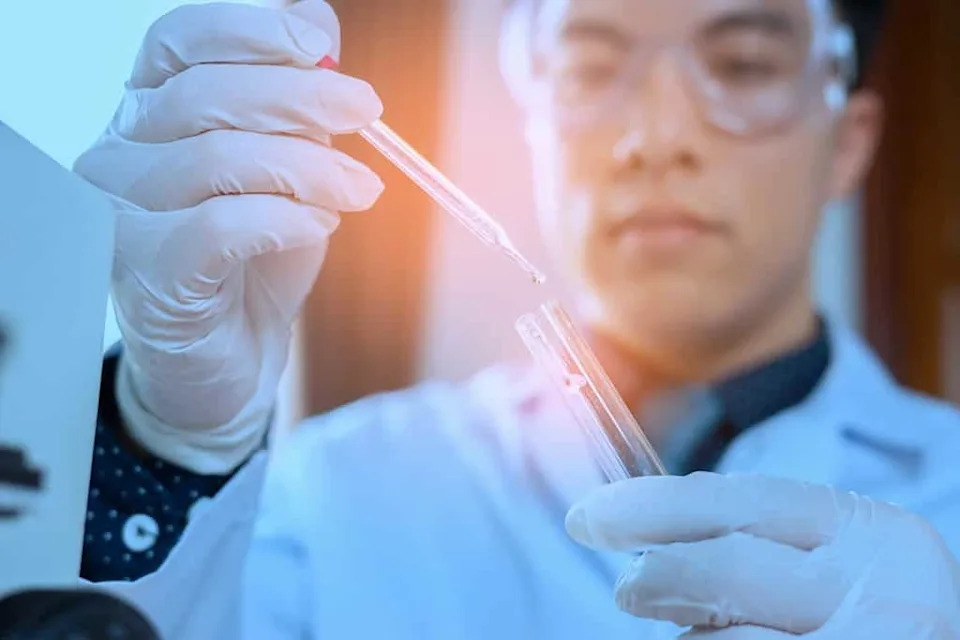
Cloning is just one aspect of biotechnology, as there are other methods to save species.©Have a nice day Photo/Shutterstock.com

A successful IVF occurred in a southern white rhino, though the surrogate died from unrelated causes.©PrimEye/Shutterstock.com

Only time will tell if biotechnology will help save the northern white rhino population.©Roger de la Harpe/Shutterstock.com
Help us improve.