Minneapolis is confronting renewed trauma after the fatal shooting of Renee Nicole Good by an ICE agent amid a massive federal enforcement operation. Thousands of federal officers have disrupted daily life, reviving memories of prior tragedies including George Floyd’s killing. In response, residents have reactivated mutual-aid networks, created memorial art and adapted community events—seeking both to grieve and to protect vulnerable neighbors.
Minneapolis Carries Grief Like Infrastructure: Community Organizes After Fatal ICE Shooting
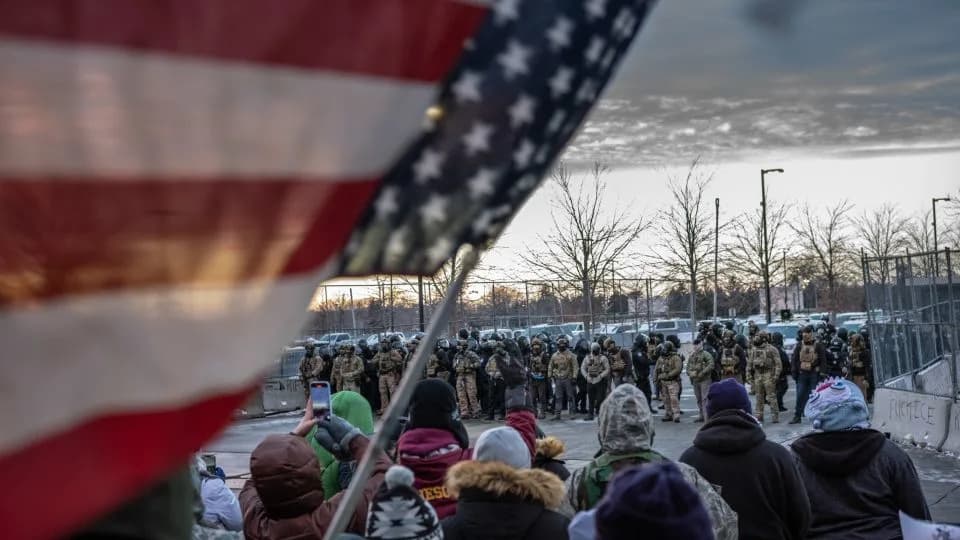
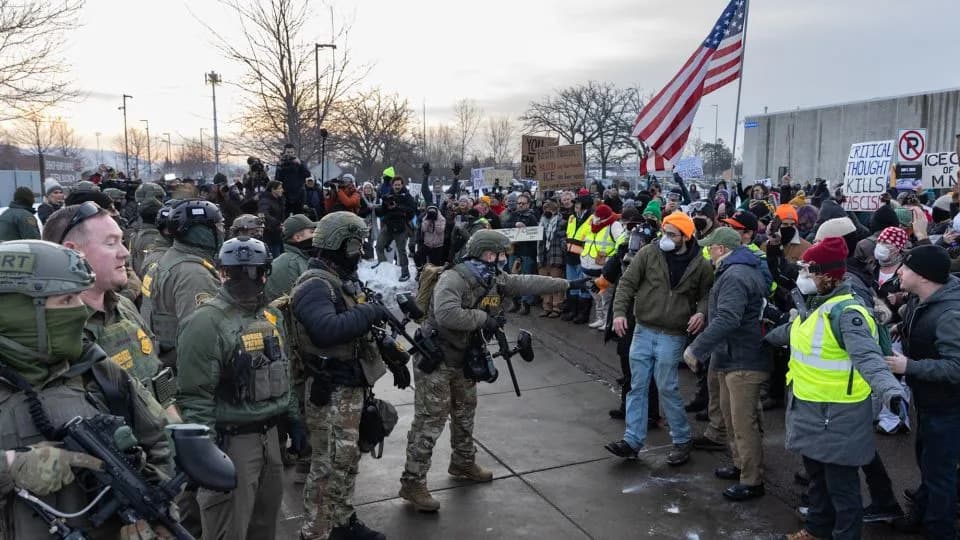
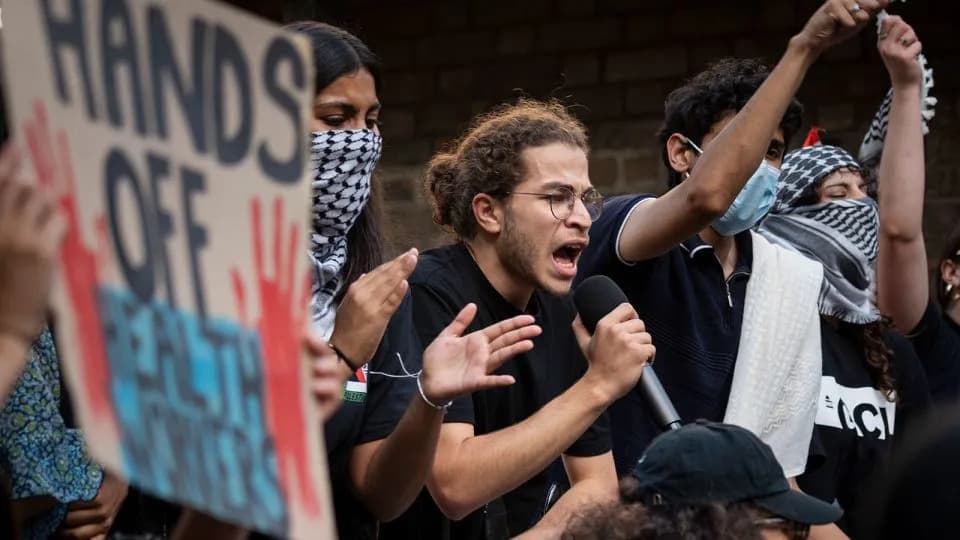
People protest Immigration and Customs Enforcement activity and agents outside the B.H. Whipple Federal Building in greater Minneapolis. - David Butow/Redux for CNN
January in Minneapolis brings short, dark days and an air that can feel like a blade. Yet daily rhythms — festivals on frozen lakes, neighbors clearing stoops, mothers pulling kids on toboggans — continue alongside a city now coping with fresh trauma.
A New Shock, Layers of History
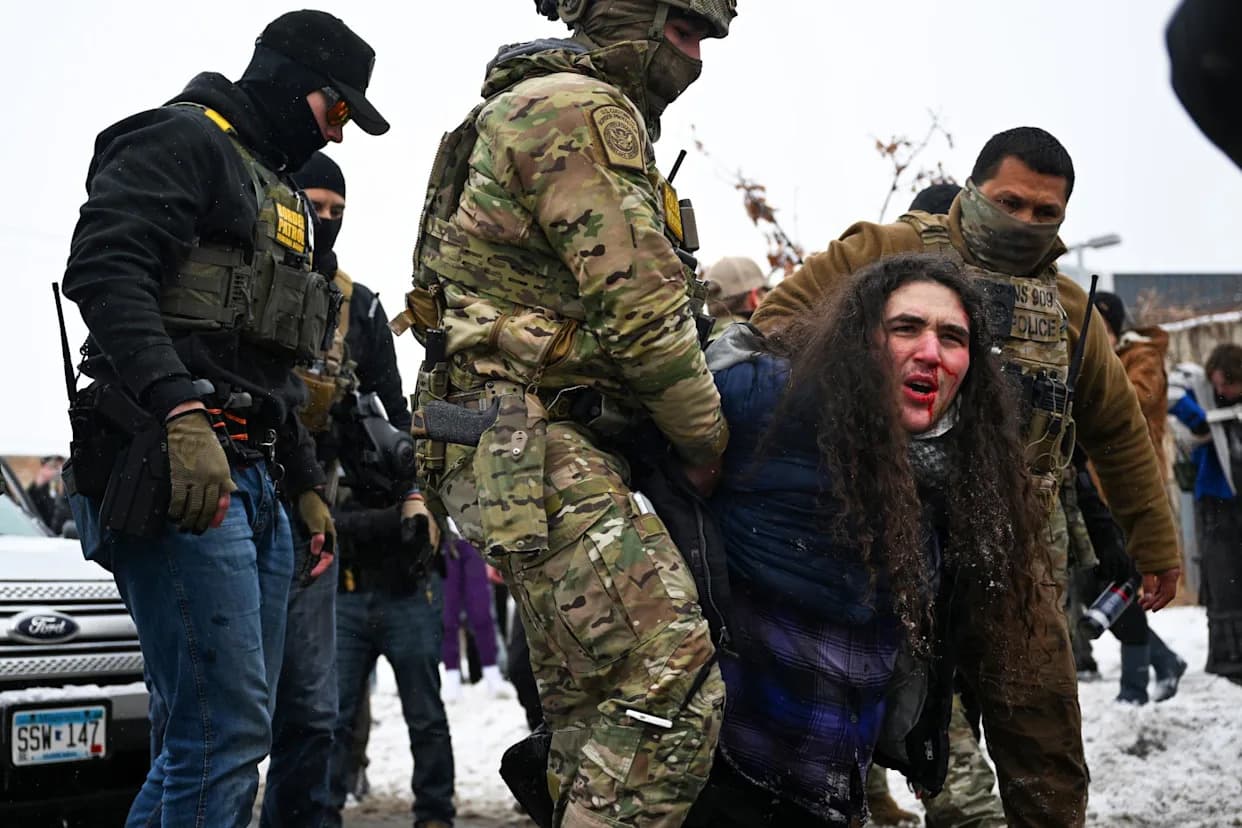
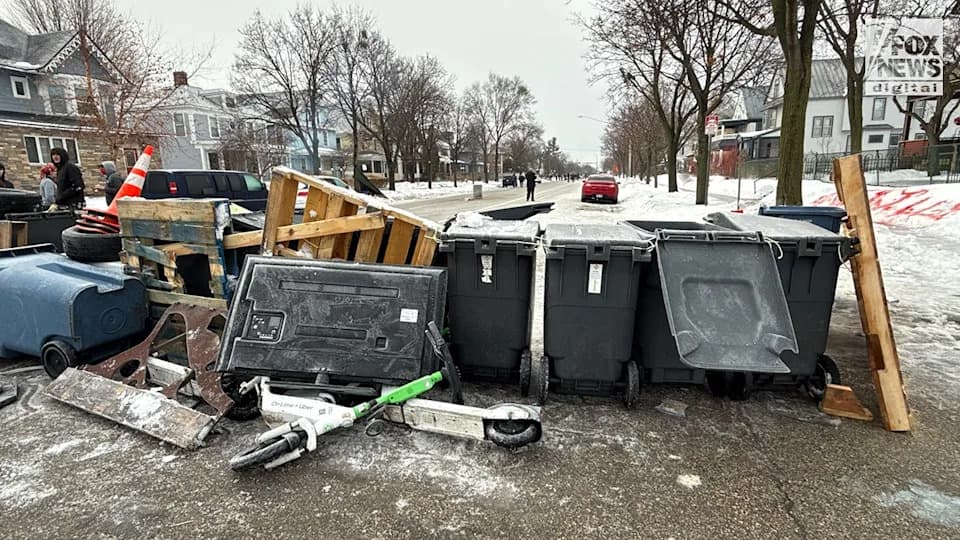
Thousands of armed, masked federal agents have been deployed to Minnesota—reported by officials to exceed 3,000—with Minneapolis at the center of what authorities call the largest immigration-enforcement operation in U.S. history. Daily life has been disrupted: schools, hospitals, stores, restaurants and familiar sidewalks have been punctured by confrontations and heightened vigilance.
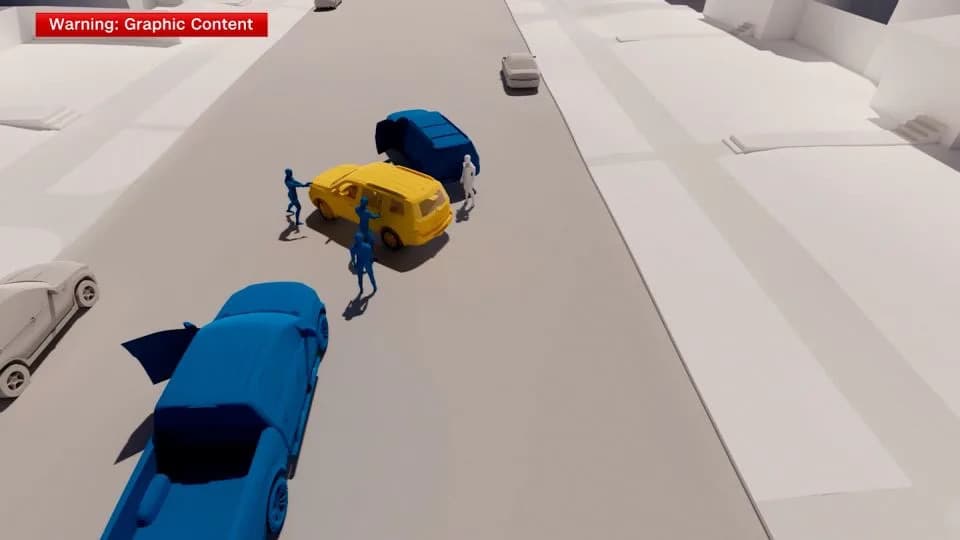
The most wrenching moment came earlier this month, at 9:37 a.m. on a Wednesday, when resident Renee Nicole Good was fatally shot by an agent from U.S. Immigration and Customs Enforcement (ICE). Her death has reignited grief in a city still bearing scars from high-profile tragedies, including the killing of George Floyd in 2020, subsequent unrest, and other recent acts of violence.
Grief Carved Into the Landscape
Yard signs, murals, ribbons, memorials and graffiti thread across neighborhoods, a visible, persistent record that grief here does not simply recede but becomes part of daily life. Residents say earlier experiences shaped community responses this month: neighbors reactivated networks, mutual-aid lines and neighborhood communication channels first organized in 2020.
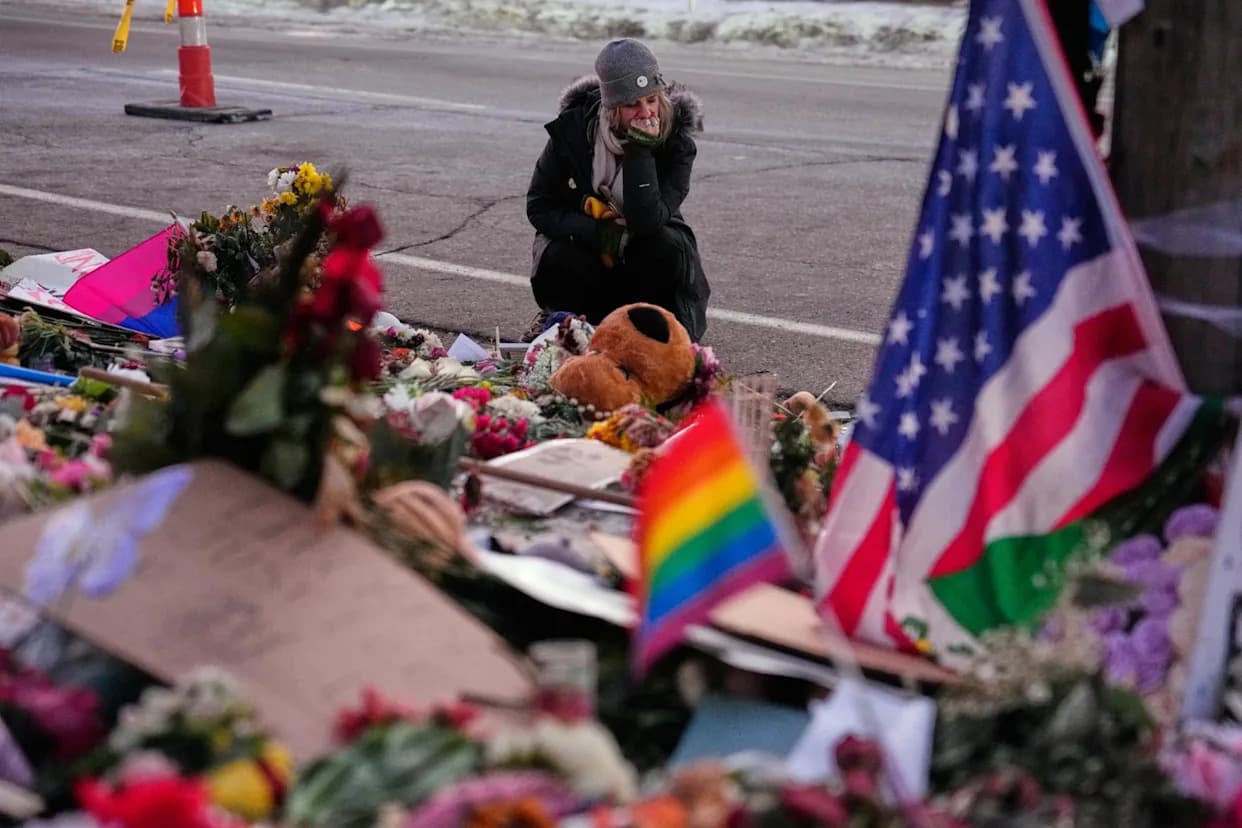
“Things change you. Trauma changes you graciously,” artist Noval Noir said as she painted a large portrait of Good at the memorial near 34th Street and Portland Avenue. “Art has always been a form of therapy. You can put power in pictures, in color, and a stroke of a paint brush.”
Mutual Aid, Memorials and Community Resilience
Across the metro, homes, businesses, churches and discreet warehouses have become donation hubs. Volunteers shuttle food, supplies and rides for those afraid to leave home. In Uptown, the adult store Smitten Kitten temporarily transformed into a mutual-aid distribution center stacked with essentials; organizers later moved distribution to undisclosed locations after volunteers reported being followed and ICE vehicles circling nearby.
At Pow Wow Grounds, a Native-owned coffee shop in Phillips, tribal members from across the Dakotas have arrived to issue tribal IDs and help coordinate aid. Indigenous residents have voiced fears for loved ones in group homes and for the caregivers—many of whom are Somali—who might be targeted.
Neighborhood rituals have shifted tone: the Northside Luminary Light Up in North Minneapolis will double its luminaries this year, incorporate stories from residents, observe a moment of silence and collect donations. Organizers say the event is shaped by grief but aims to highlight communal care and the "better angels of our nature," inspired in part by a poem Amanda Gorman wrote to honor Good.
Proximity of Tragedies, Strength of Ties
The site of Good’s killing is less than a mile from 38th Street and Chicago Avenue, where George Floyd died. That geographic proximity has compounded trauma for South Minneapolis residents, said University of Minnesota sociologist Michelle Phelps, who noted the repeated, disruptive aftermath: helicopters, vigilance at night and the constant presence of a site of mourning.
At the same time, Phelps and local organizers point to a silver lining: durable social networks—schools, churches, neighborhood channels and activist groups—have allowed rapid mobilization of aid and mutual support. For many residents and local business owners, the response has reinforced a sense of shared responsibility and community resilience.
Looking Forward
While fear and uncertainty persist, Minneapolis residents are channeling grief into practical care: memorial art, donation drives, retooled community events and grassroots mutual aid. Organizers express a complex hope—that these gestures both heal neighbors and, perhaps, offer an example to those enforcing the operation.
“Minneapolis is full of heart and soul,” said JP, owner of Smitten Kitten. “These are everyday people who show up for our neighbors consistently. Our humanity here is alive, and it’s strong.”
For continuing coverage and local resources, consult community pages and official updates from Minneapolis city and state public safety channels.
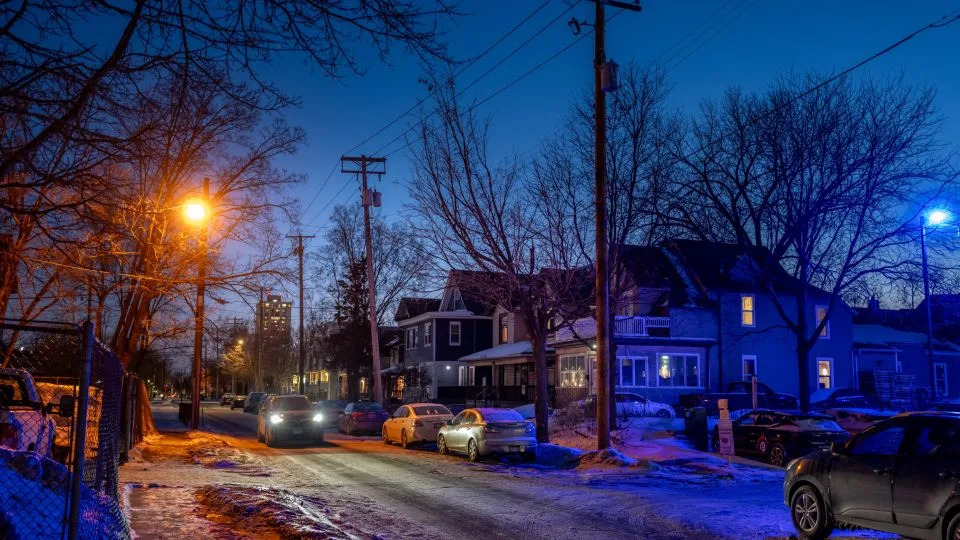
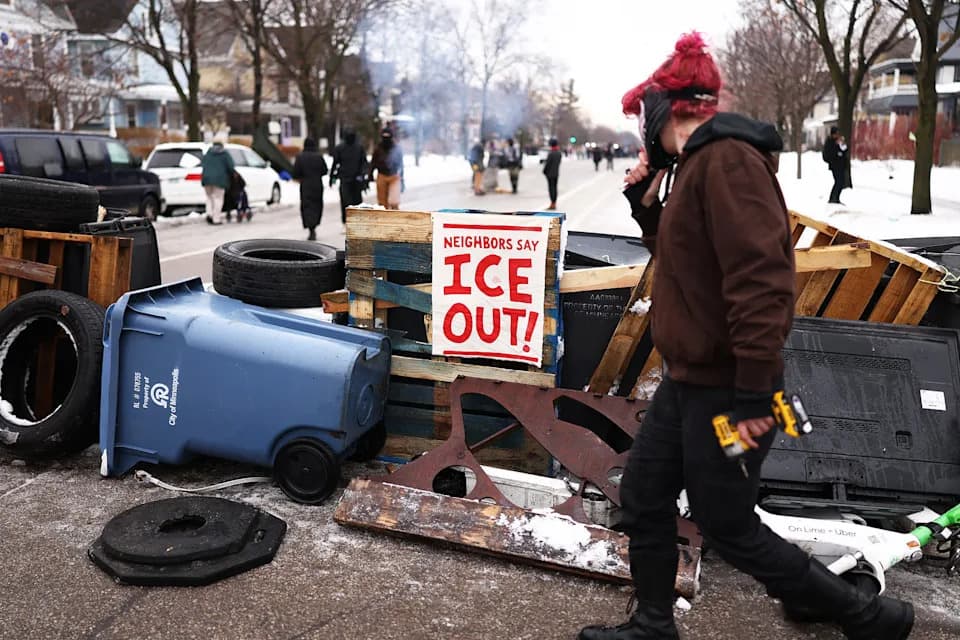
A neighborhood in South Minneapolis that has been the scene of ICE activity and arrests in recent weeks. - David Butow/Redux for CNN
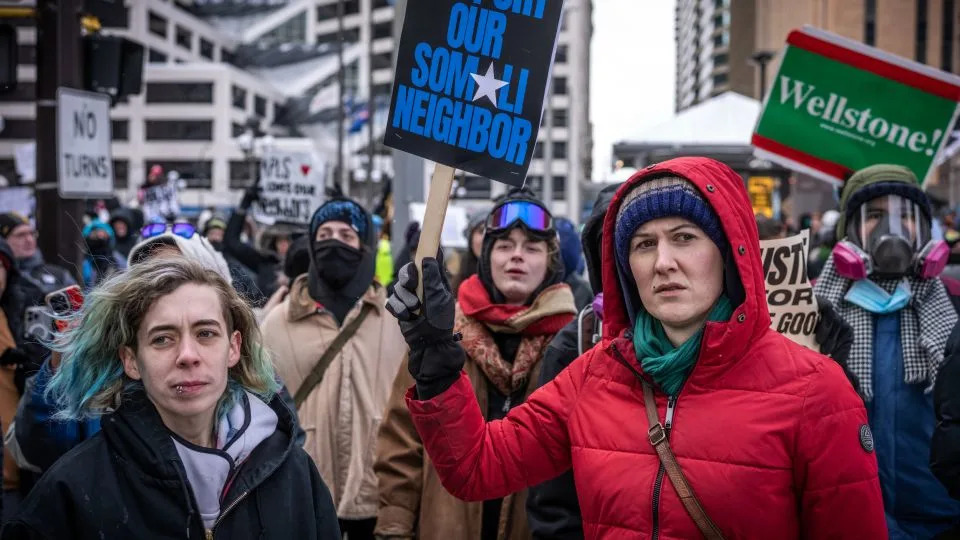
Anti-ICE protesters march after a right-wing demonstrator held an event in downtown Minneapolis. - David Butow/Redux for CNN
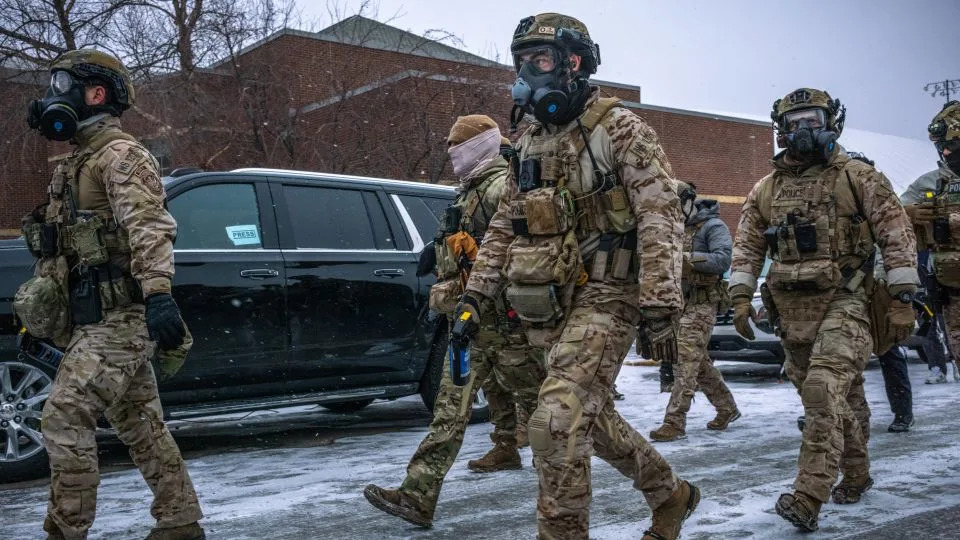
Federal agents patrol in Minneapolis. - David Butow/Redux for CNN
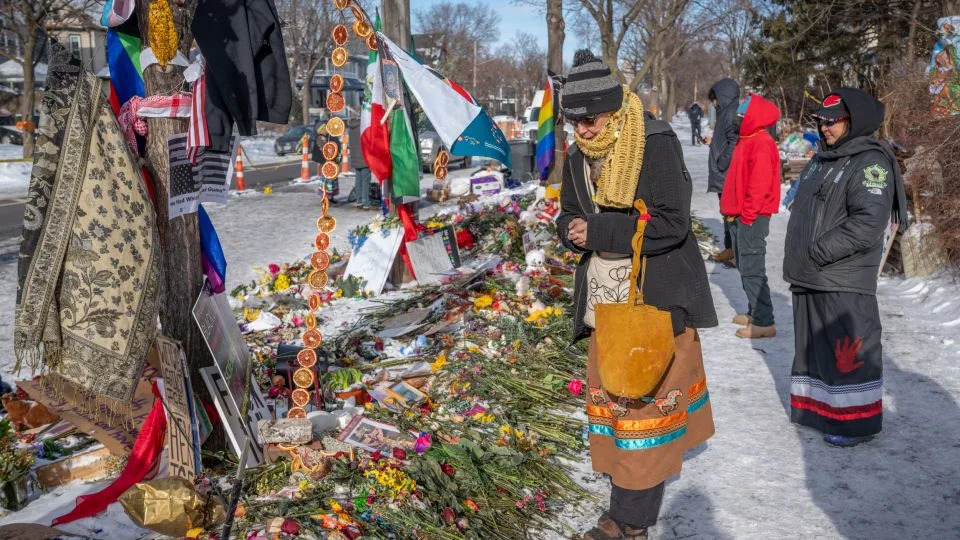
People visit the Renee Good memorial, which marks the place where she was killed by an ICE agent on January 7. - David Butow/Redux for CNN
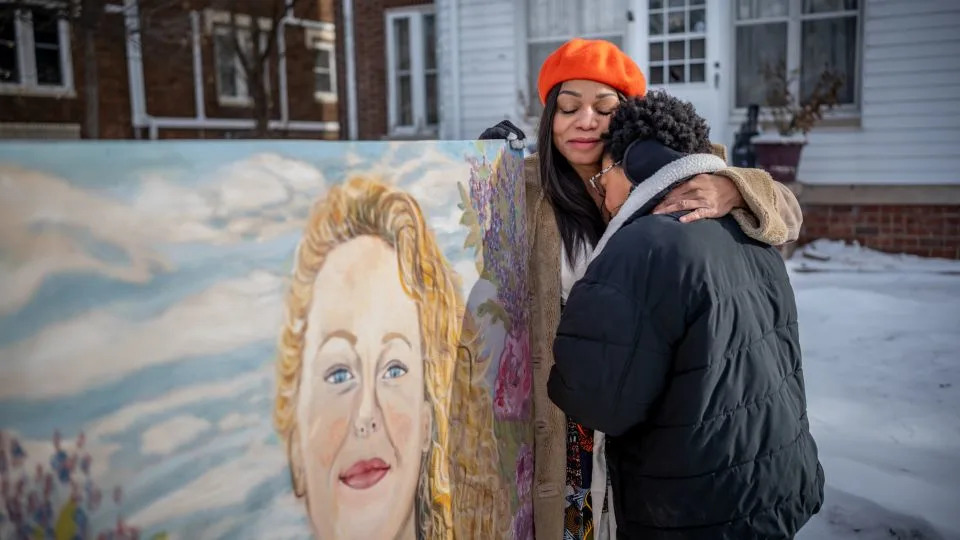
Noval Noir, a local artist, painted a portrait of Renee Good at the South Minneapolis site where Good was killed by an ICE agent. On a recent visit, Noir happened to see her friend Sheletta Brundidge. - David Butow/Redux for CNN
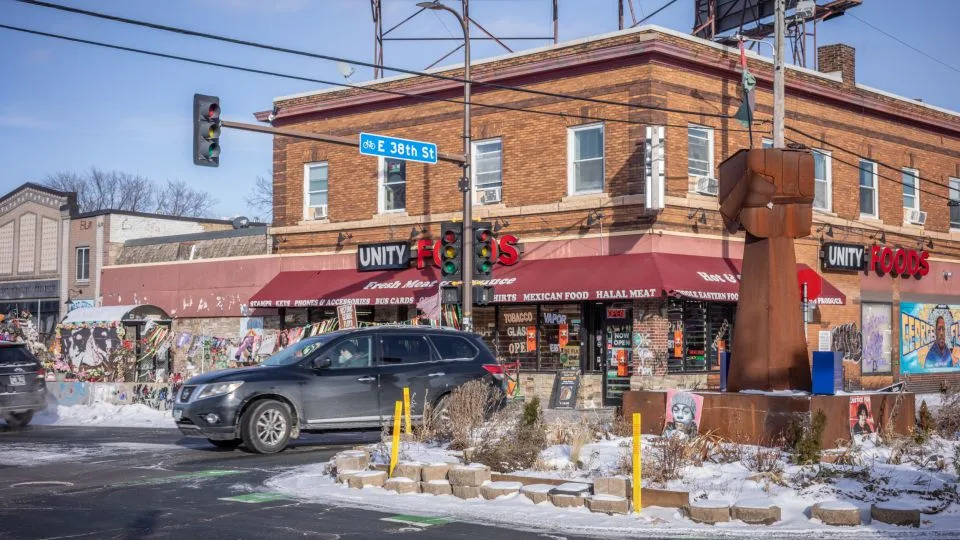
A scene at George Floyd Square, which marks the location where he was killed by a police officer in May 2020. - David Butow/Redux for CNN
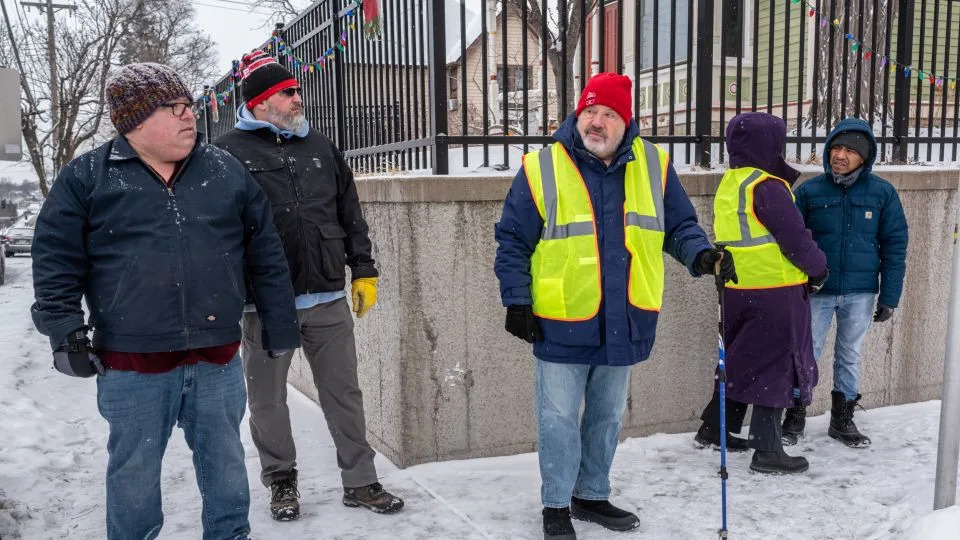
A group of observers from the community keep an eye out for ICE agents outside a church at the conclusion of a Spanish-language service. - David Butow/Redux for CNN
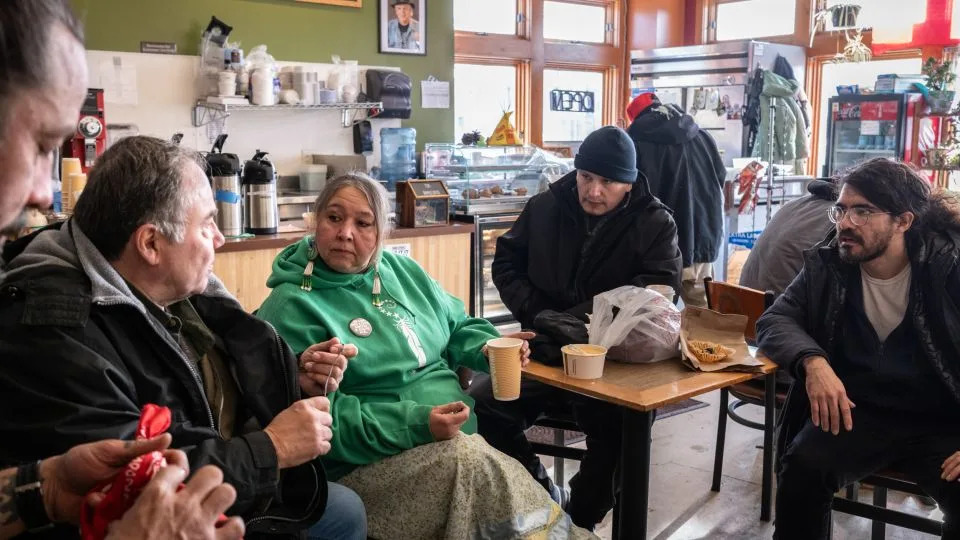
Pow Wow Grounds, a Native American-run coffee shop, has been a hub of community support in the Phillips neighborhood where ICE activity has escalated. - David Butow/Redux for CNN
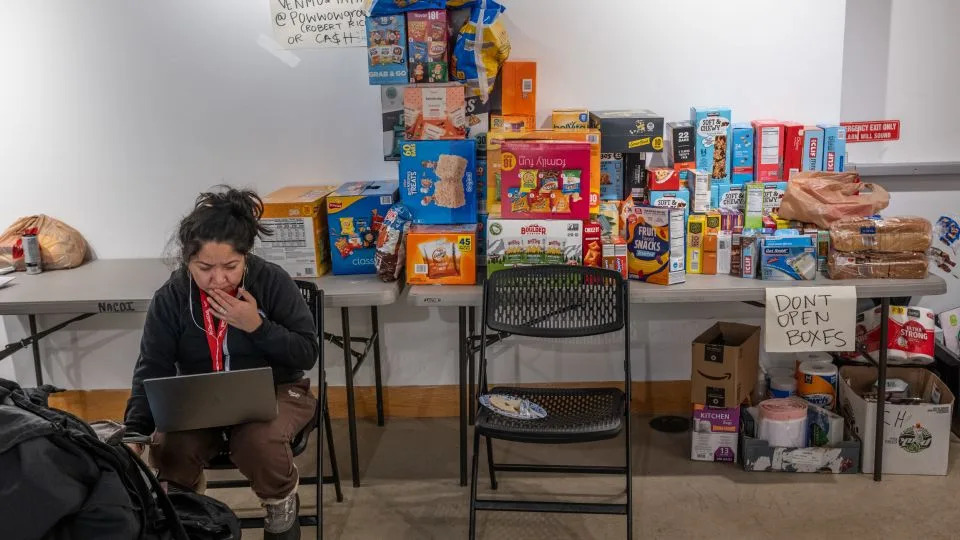
Eva Cardenas organizes donated supplies at Pow Wow Grounds, a Native American-run coffee shop that been a hub of community support in the neighborhood where ICE has been conducting many operations. - David Butow/Redux for CNN
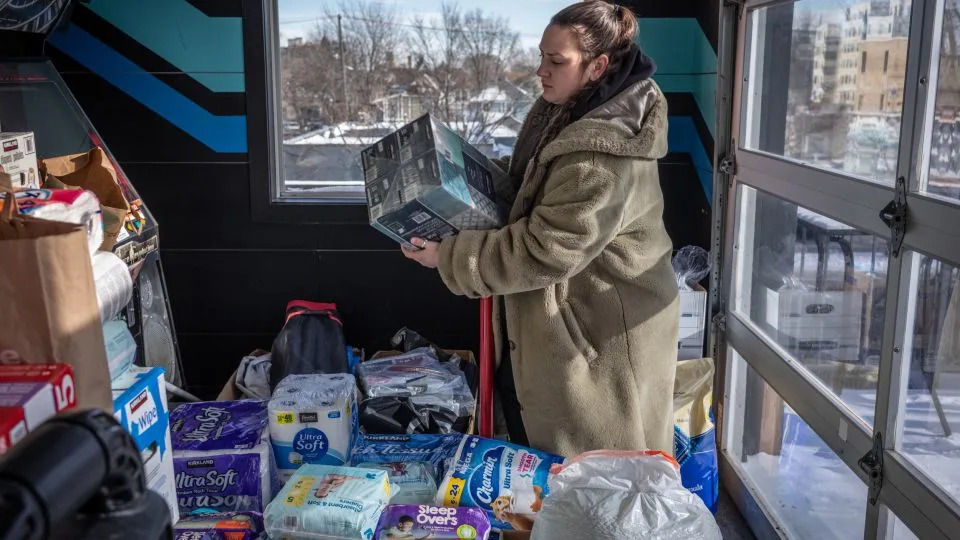
Sierra Abeler, a manager of the Up-Down Arcade Bar, has been active in organizing help for immigrant families in the neighborhood where ICE has been conducting many operations. - David Butow/Redux for CNN
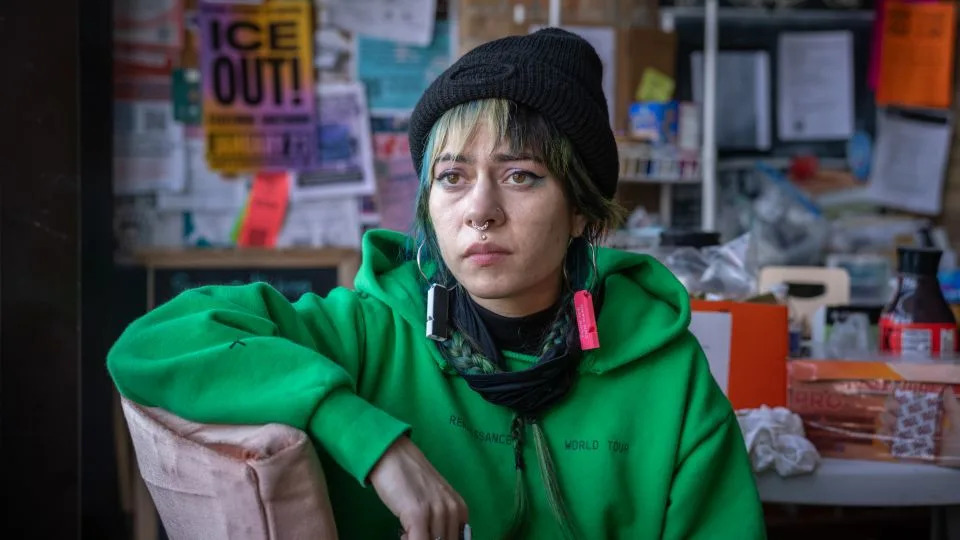
Anne Lehman, who is currently serving as acting manager at the Smitten Kitten adult store, has been coordinating mutual aid efforts for people impacted by ICE enforcement activities in the Twin Cities. - David Butow/Redux for CNN
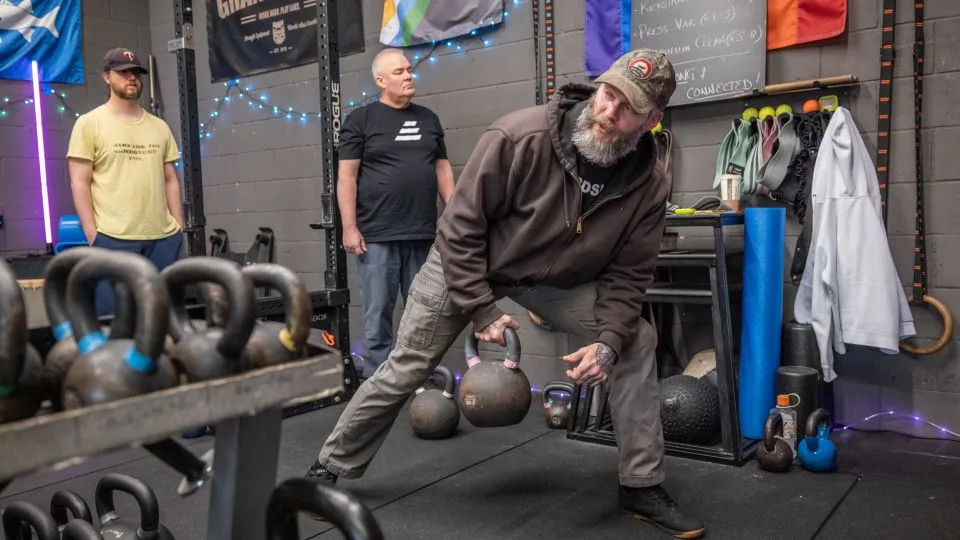
Ben Swarts, owner of Hardshell Fitness in South Minneapolis, founded the gym to serve as a space where members can gain strength through community. - David Butow/Redux for CNN
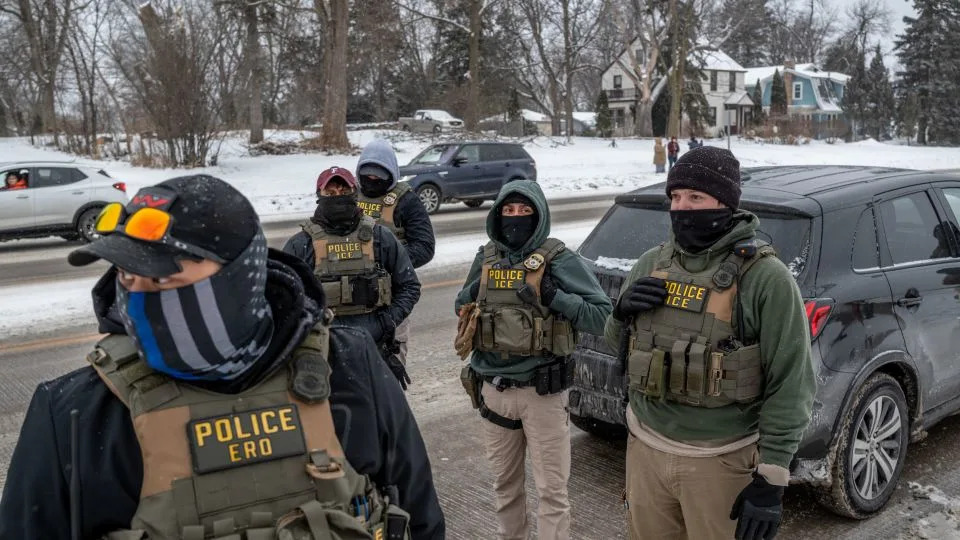
ICE officers wait by the side of the road after a car carrying some of them was involved in a traffic collision. - David Butow/Redux for CNN
Help us improve.