A Mobile DNA study found elevated activity of transposable elements — "jumping genes" — in polar bears from Southeast Greenland, and linked this activity to rising local temperatures. The finding suggests some populations are undergoing rapid genomic changes, which might increase genetic variability but whose long-term fitness consequences are uncertain. Arctic summer sea ice is shrinking by about 12% per decade (NASA), and polar bears remain listed as Vulnerable (IUCN). Scientists say genomic shifts are not a substitute for urgent climate action and habitat protection.
Scientists Find 'Jumping Genes' Increasing in Polar Bears — A Possible Last-Resort Response to Warming
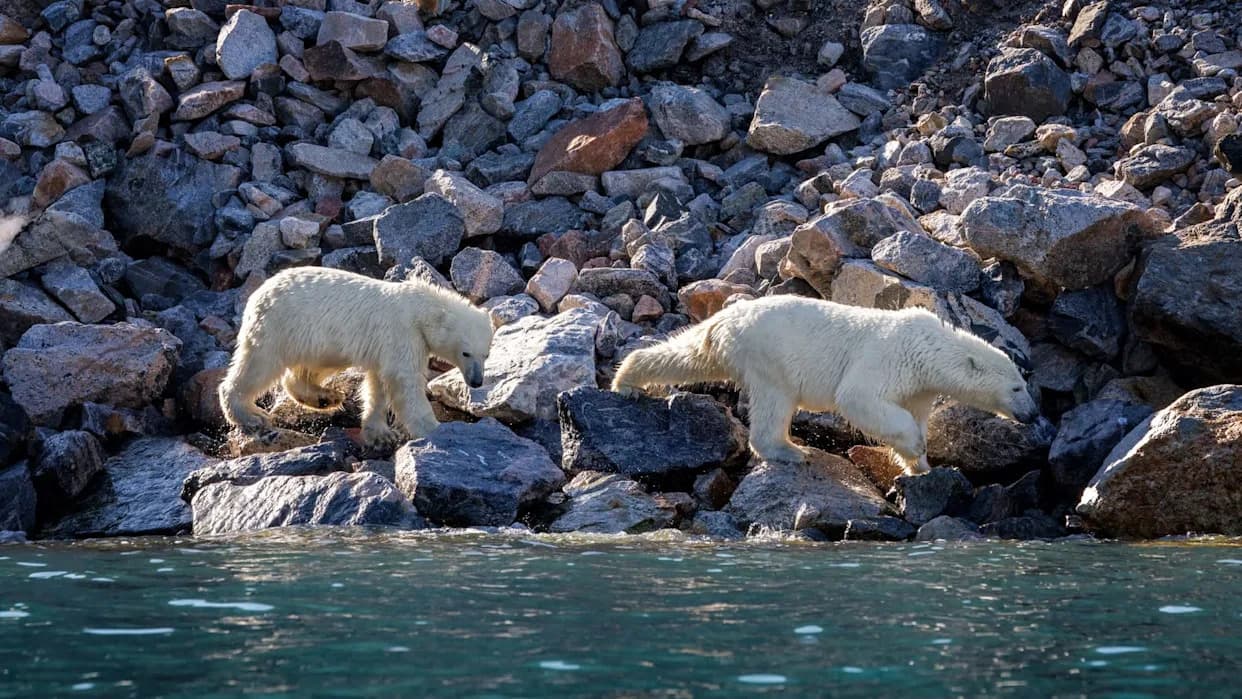
Photo Credit: iStock
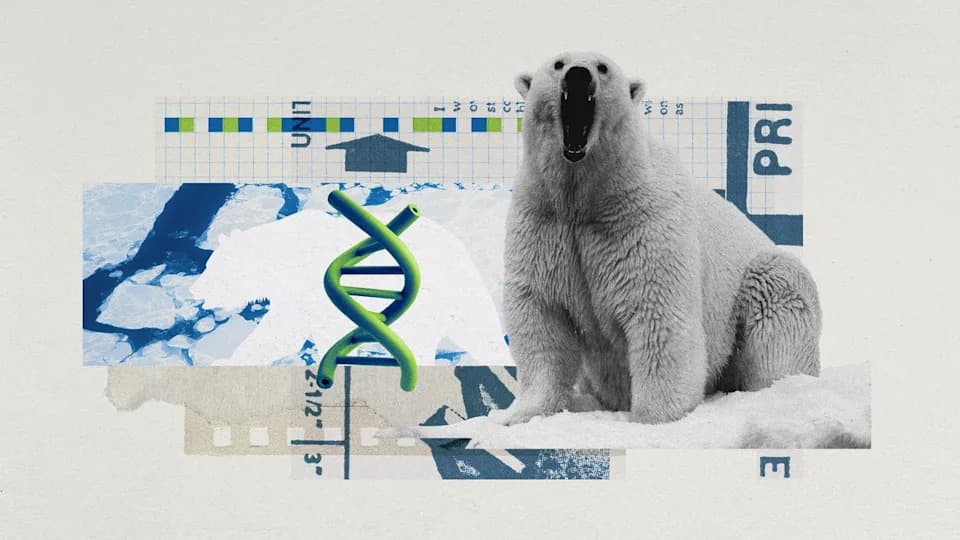
Researchers report that polar bears in warmer parts of their range — particularly a population in Southeast Greenland located below the Arctic Circle — show marked increases in the activity of transposable elements, commonly known as "jumping genes." A study published in the journal Mobile DNA links these genomic changes to rising local temperatures and suggests different polar bear groups are experiencing genomic change at different rates.
Study Findings
The research team compared multiple polar bear populations and found that bears from Southeast Greenland were far more likely to exhibit elevated activity of transposable elements. By comparing genetic activity with local climate records, the authors concluded that warmer conditions are associated with a substantial rise in the activity of these mobile DNA sequences in that population.
"By comparing these bears' active genes to local climate data, we found that rising temperatures appear to be driving a dramatic increase in the activity of jumping genes within the southeastern Greenland bears' DNA," said lead researcher Alice Godden, as reported by the University of East Anglia.
What Jumping Genes May Mean
Transposable elements can shuffle genetic material and increase genetic variation. That can sometimes accelerate adaptation, but it can also disrupt important genes or regulatory regions. At present, it is unclear whether the observed increase in jumping-gene activity will be beneficial, harmful, or mixed for polar bear populations over the long term.
Conservation Implications
Scientists stress that the need for such genetic responses highlights how severe environmental stress has become. NASA data indicate that Arctic summer sea ice extent is shrinking by roughly 12% per decade, dramatically reducing the sea-ice habitat polar bears rely on to live, hunt, and reproduce. The International Union for Conservation of Nature (IUCN) currently lists polar bears as Vulnerable.
Researchers describe the genomic changes as potentially one of the last available avenues for rapid response to a rapidly changing environment. However, genomic shifts are not a substitute for conservation action: slowing habitat loss, cutting greenhouse gas emissions, reducing pollution, and creating protected areas remain essential to the species' long-term survival.
"This [finding] offers some hope but does not mean that polar bears are at any less risk of extinction. We still need to be doing everything we can to reduce global carbon emissions and slow temperature increases," Godden said in the university release.
Although the study does not offer a simple solution, it provides a valuable molecular-level resource for conservationists seeking to identify populations under intense environmental pressure and to prioritize protective measures.
Help us improve.