The Department of Defense’s 2026 National Defense Strategy reorders U.S. military priorities, elevating homeland defense and the Western Hemisphere above China. The report emphasizes border security, counter‑narcotics, and protecting strategic terrain from the Arctic to South America, invoking the Monroe Doctrine. China remains a major competitor but is to be deterred "through strength, not confrontation." The strategy also calls for greater allied burden‑sharing and rebuilding the U.S. defense industrial base.
Pentagon’s 2026 Strategy Shifts Priority to Homeland and Western Hemisphere Over China
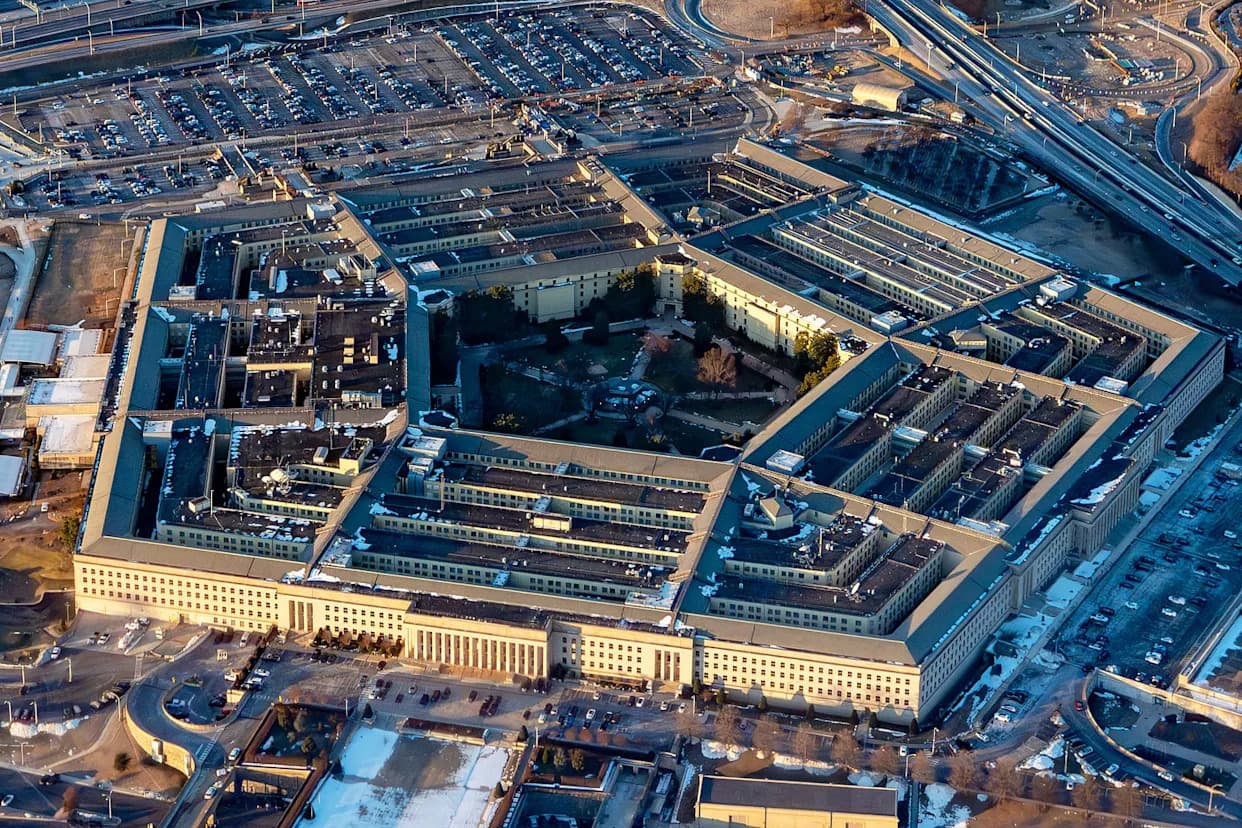
The Pentagon indicated it no longer views China as a top priority for the U.S. military. (Jen Golbeck/SOPA Images / Getty Images)(Jen Golbeck/SOPA Images)
WASHINGTON — The Department of Defense’s 2026 National Defense Strategy, published Friday, reorders U.S. military priorities by placing defense of the homeland and the Western Hemisphere ahead of China. The quadrennial report, last released in 2022, marks a clear inward shift: border security, counter‑narcotics, and protection of strategic terrain across the Americas are now central concerns.
The document stresses that the change is not an isolationist retreat but a rebalancing of responsibilities. It argues the United States will ask allies to shoulder more security burdens while U.S. forces focus on defending the American homeland and regional access.
Homeland And Hemisphere Focus
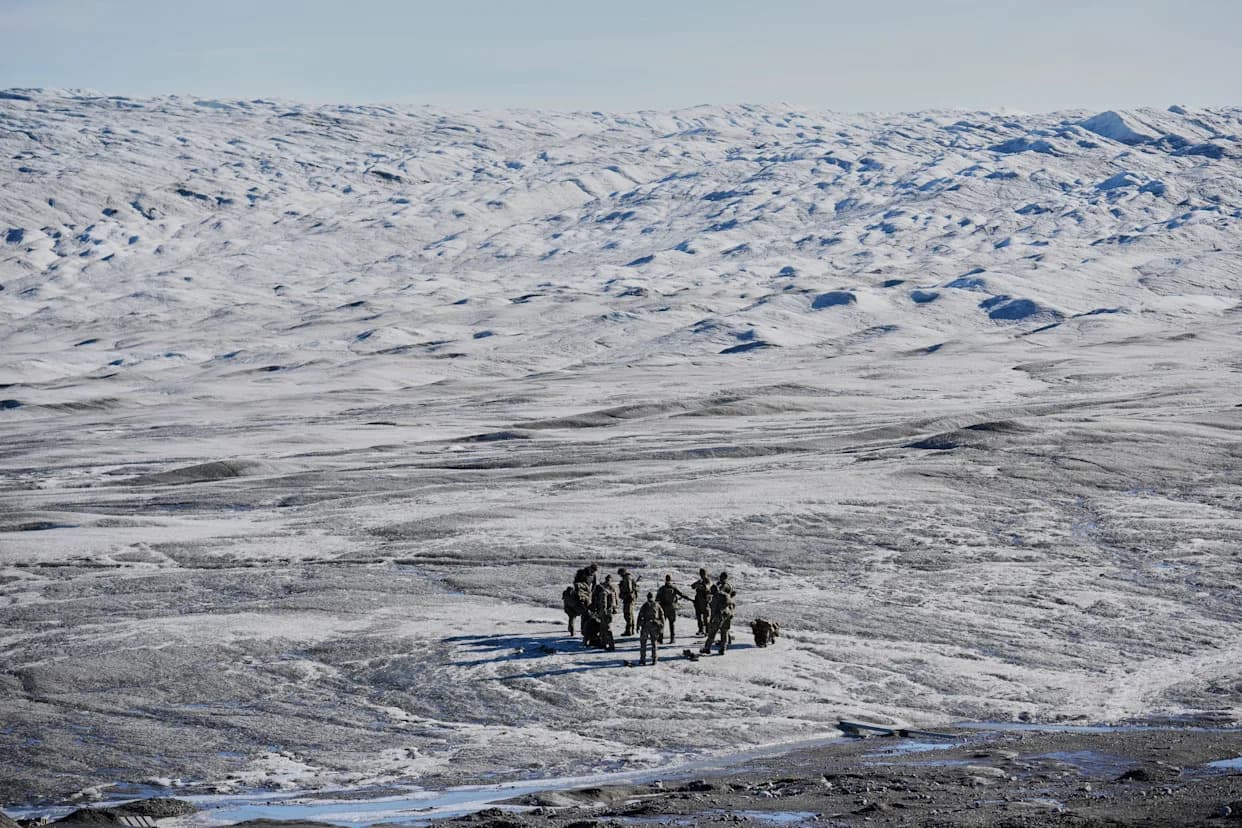
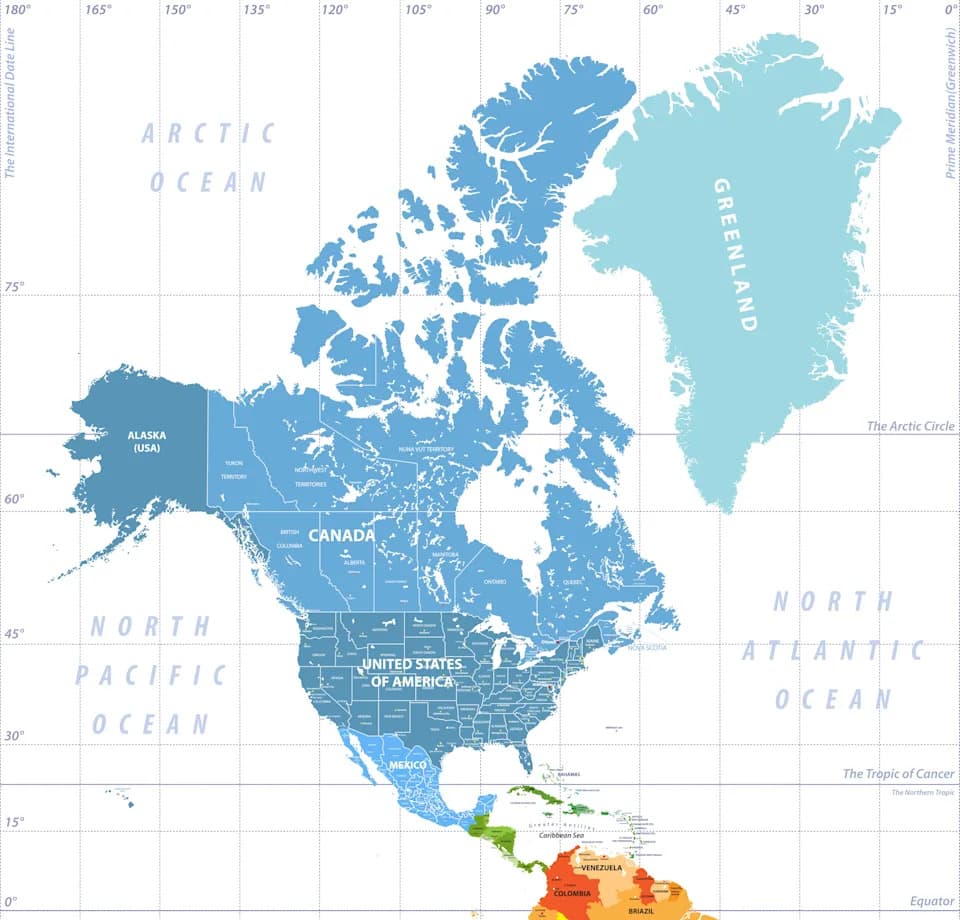
Central to the strategy is a pledge that the U.S. will not cede key terrain in the Western Hemisphere. The report says the Pentagon will provide President Donald Trump with “credible options to guarantee U.S. military and commercial access to key terrain from the Arctic to South America, especially Greenland, the Gulf of America, and the Panama Canal.” It invokes the Monroe Doctrine, stating, “We will ensure that the Monroe Doctrine is upheld in our time,” referencing the 19th‑century policy that asserts U.S. influence across the Western Hemisphere.
China Remains A Major Competitor
China is designated as the No. 2 priority. The 2026 document acknowledges that the 2022 strategy labeled Beijing as the U.S.’s most significant strategic competitor—citing China’s maritime claims in the South China Sea and pressure on U.S. partners—but emphasizes deterrence rather than escalation. The report states the United States does not seek to “strangle or humiliate” China and advocates deterring Beijing “through strength, not confrontation.” It adds that the Pentagon will “provide the military strength for President Trump’s visionary and realistic diplomacy, thereby setting conditions for a balance of power in the Indo‑Pacific that allows all of us — the United States, China, and others in the region — to enjoy a decent peace.”
Allies, Industry And Russia
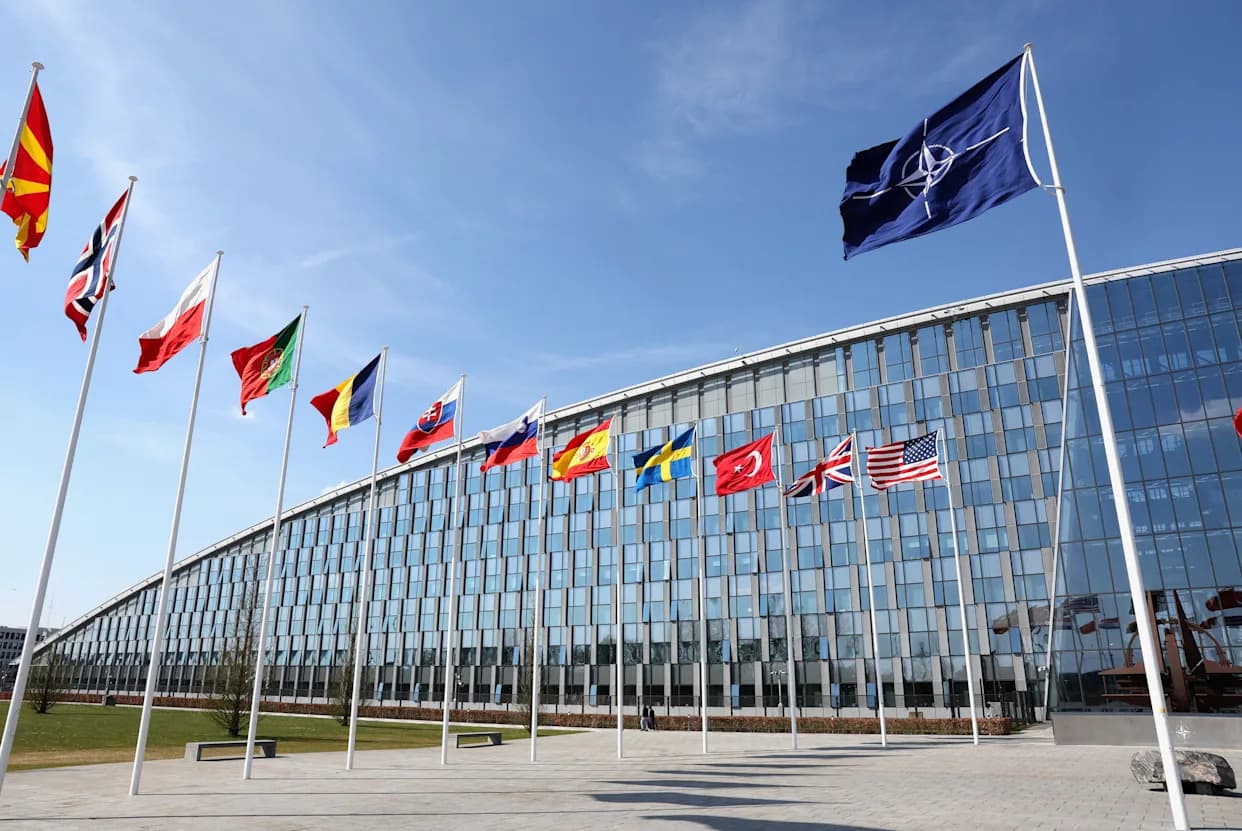
The strategy’s third stated priority is increasing allied burden‑sharing, naming Canada and Mexico as key partners in the hemisphere and urging European allies to assume greater responsibility on their continent. The fourth priority is rebuilding the U.S. defense industrial base to ensure resilience and sustainment of military capabilities.
Russia receives a brief but pointed assessment as the Russia‑Ukraine war heads toward its fourth year. The report describes Moscow as a “persistent but manageable threat to NATO’s eastern members for the foreseeable future” and commits to maintaining U.S. forces ready to defend against Russian threats to NATO and the homeland.
Political Tone
Unlike prior National Defense Strategy documents, the 2026 edition adopts an overtly political tone, criticizing past administrations for deprioritizing what it calls concrete American interests. The report asserts:
“For too long, the U.S. Government neglected — even rejected — putting Americans and their concrete interests first. Previous administrations squandered our military advantages and the lives, goodwill, and resources of our people in grandiose nation‑building projects and self‑congratulatory pledges to uphold cloud‑castle abstractions like the rules‑based international order.”
It praises President Trump’s approach:
“President Trump has decisively changed that, courageously putting Americans first to truly make America great once again. We will be the sword and shield to deter war, with the goal of peace — but ready to fight and win the nation’s necessary wars if called upon.”
The strategy was released amid broader foreign policy debates, including renewed interest in Greenland and increased U.S. activity and diplomatic pressure related to Venezuela. Those developments, and the administration’s stated priorities, help explain the report’s sharper focus on the hemisphere and homeland defense.
What’s Next
The new priorities will shape force posture, investments, and alliance diplomacy in the coming years. Expect the Pentagon to propose changes to force deployments, acquisition priorities to revive domestic manufacturing capacity, and diplomatic outreach aimed at securing greater burden‑sharing from partners.
Help us improve.