
Climate change is reshaping holiday wildlife: global reindeer numbers have fallen by about 40% in 30 years and could decline up to 58% by 2100, while their grazing helps northern soils store carbon. Tiny Christmas tree worms may signal reef stress, nine-banded armadillos are moving into places like Iowa, narwhals show long-term low genetic diversity that could limit their adaptability, and donkeys are proving valuable for drought resilience and disease prevention.
Warming Holidays: Reindeer Collapse, Armadillos in Iowa — How Climate Change Is Rewriting Wildlife Traditions

Many holiday animals are affected by climate change. Pictured here: A herd of reindeer, two ocean-dwelling worms shaped like Christmas trees, one donkey on a mountain pass, and a partridge (not in a pear tree). - Getty Images
This holiday season feels unusually warm across much of the United States. From Santa's reindeer to the Hanukkah armadillo and tiny reef worms, recent research and field reports show how a warming planet is reshaping animals that feature in our stories—and in many cases, our survival.
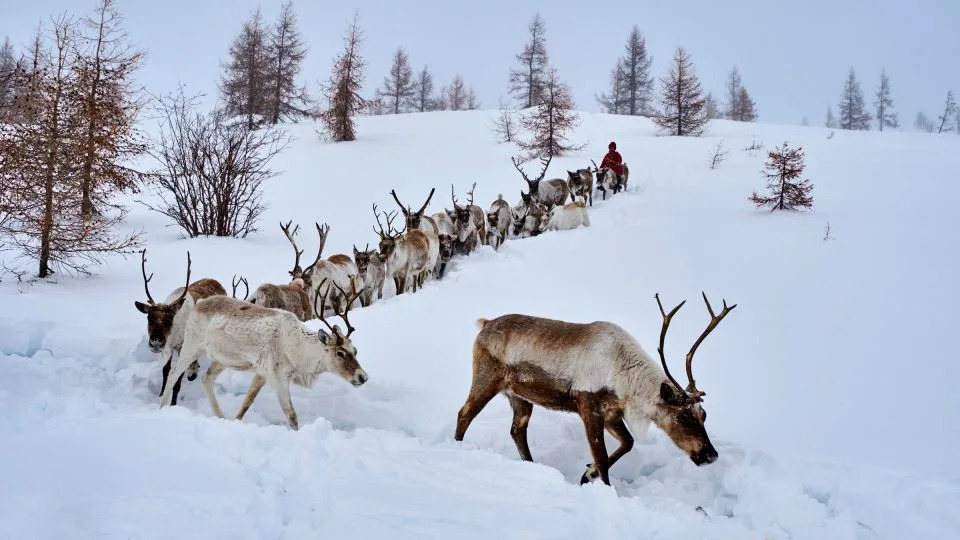
A reindeer herder is seen with reindeer in the Khovsgol province of Mongolia. - Tuul & Bruno Morandi/The Image Bank RF/Getty Images
Reindeer: Ancient Survivors Now in Trouble
Reindeer endured some of the fastest natural Arctic warming events in Earth’s history, yet modern change is hitting them hard. Over the last 30 years, roughly 40% of the global reindeer population has been lost. Researchers at the University of Adelaide and the University of Copenhagen report that adaptations that once helped reindeer weather past warmings—broad ranges and refuges to retreat into—may not protect them today. Their models suggest global reindeer numbers could fall by as much as 58% by 2100, with North America at particular risk.
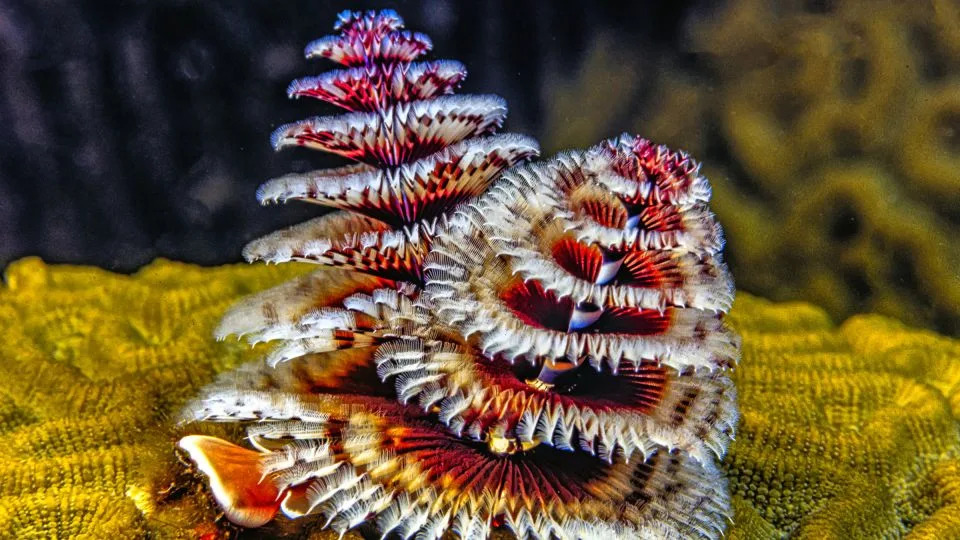
Spirobranchus giganteus, commonly known as Christmas tree worms, are tube-building worms who live on tropical corals. - johnandersonphoto/iStockphoto/Getty Images
There is also an unexpected feedback: teams in Finland and Alaska found that in northern forests with reduced snowfall, soils tend to release more carbon dioxide. Reindeer grazing can help preserve soil carbon even in low-snow winters, so fewer reindeer could accelerate CO2 release from these ecosystems.
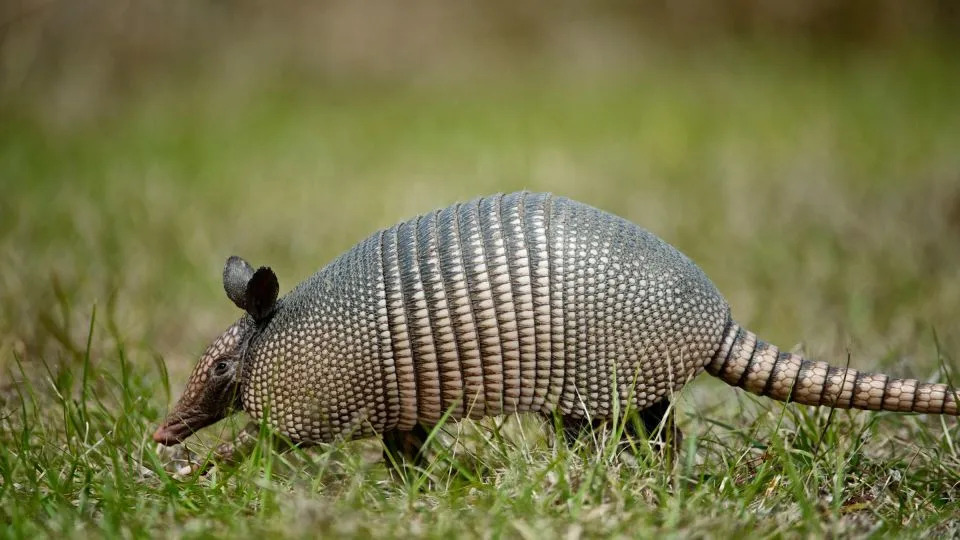
This nine-banded Armadillo is in Florida, but his brethren now live much further north. - Enrique Aguirre Aves/The Image Bank RF/Getty Images
Christmas Tree Worms: Tiny Reef Sentinels
Christmas tree worms are small, vividly colored marine worms whose feathery crowns resemble miniature holiday trees. They live attached to coral reefs and perform valuable ecological work: their feeding tentacles circulate water, helping coral feed, and juvenile coral polyps shelter beneath the worms’ structures from predators. A 2022 study by students at UC Berkeley found a correlation between healthy corals and higher numbers of these worms, suggesting the worms could serve as an early indicator of reef stress as oceans warm.
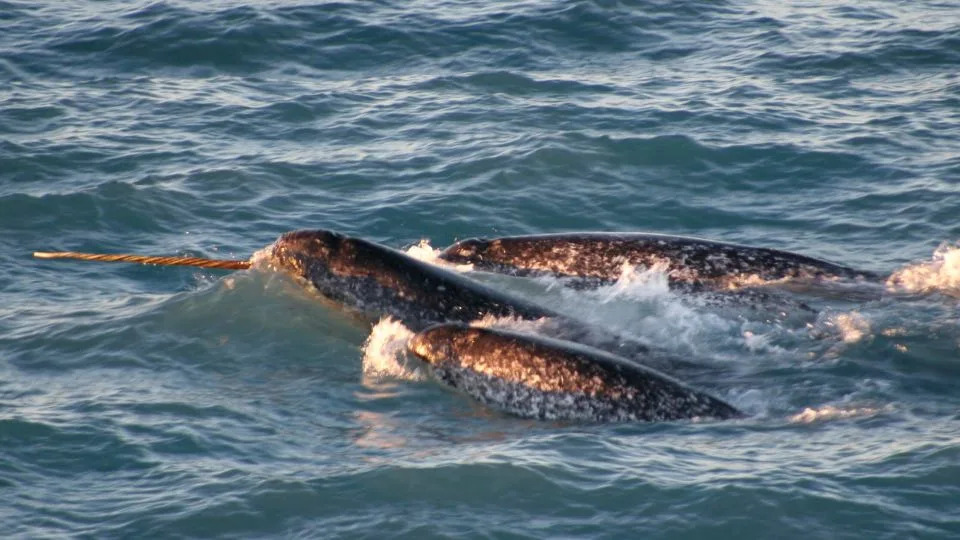
A pod of narwhals surfaces in the waters off northern Canada in August, 2005. - Kristin Laidre/The New York Times/Redux
Armadillos March North
The nine-banded armadillo has extended its historical range north and east as climates have warmed. First recorded in Texas in 1849, the species can establish where average January lows stay above about 18°F. Iowa, which had no verified live armadillo reports until 2017, recorded more than 250 recent sightings in 2025 after USGS researchers analyzed public wildlife reporting apps, camera traps and other sources. Armadillos now appear as far north as Indiana and as far east as North Carolina; Ohio, Virginia and Michigan are likely next.
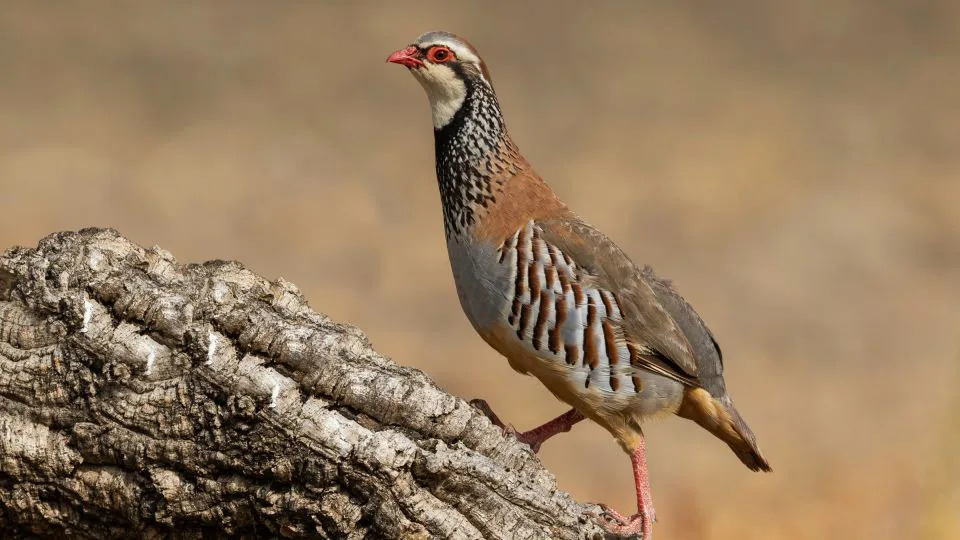
A red legged partridge on a tree. This popular European game bird is rapidly declining in population. - aire images/Moment RF/Getty Images
Narwhals: Lessons From an Old Throne
In a striking piece of conservation detective work, researchers sampled spiraled narwhal tusks used on Denmark's 350-year-old Coronation Chair to recover DNA. That work—led by Eva Garde and colleagues—confirms that narwhals have lived with unusually low genetic diversity for thousands of years. While that persistence is surprising, low genetic variation limits adaptive capacity; further loss of diversity in a warming Arctic could place narwhals at serious risk.
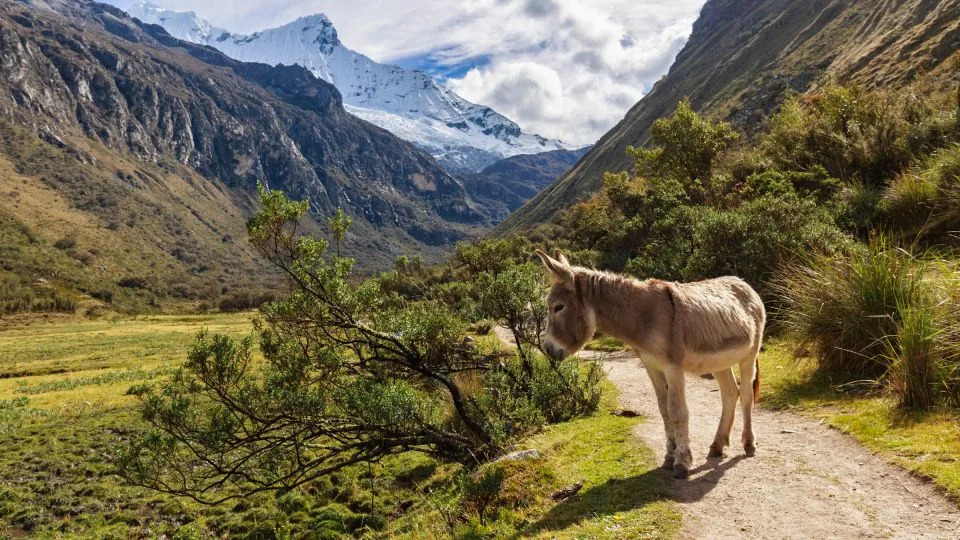
A donkey seen at the Huascaran National Park in Peru. - Westend61/Getty Images
Red-Legged Partridges: A Species Struggling With Multiple Pressures
The red-legged partridge, a long-associated game bird in Europe, has experienced steep declines—likely 40–45% between 2010 and 2020, according to the IUCN. Hunting, modern agriculture, pesticide exposure, rural abandonment and competition from introduced partridge species have all contributed. A 2021 genome study by researchers in Sweden and Italy shows the species fared poorly during a warming event about 140,000 years ago and never recovered its genetic diversity, leaving it more vulnerable to current climate stressors.
Donkeys: Small Helpers With Big Impact
Donkeys play an outsized role in human adaptation to climate stress in many regions. In parts of East Africa they carry water and supplies over long distances during droughts. Researchers at University College London note that donkeys’ digestive physiology enables them to absorb and retain water more effectively than many livestock species. Donkeys also graze more broadly, reducing overgrazing of sensitive soils; a recent report from Tunisia found they prefer some invasive plants, which can benefit native biodiversity. Scientists at UMass Amherst identified a skin chemical in donkeys that repels ticks—and when applied to horses it reduced tick bites—pointing to new ideas for limiting tick-borne disease as vectors expand with warming.
What This Means
Holiday animals—whether mythical or mundane—are showing us where climate change already matters. Some species are declining or losing genetic resilience, others are shifting ranges, and a few may help humans adapt. Combining historical data, genomics, field surveys and community reporting will be essential to shaping conservation strategies and helping communities cope with a warmer world.


