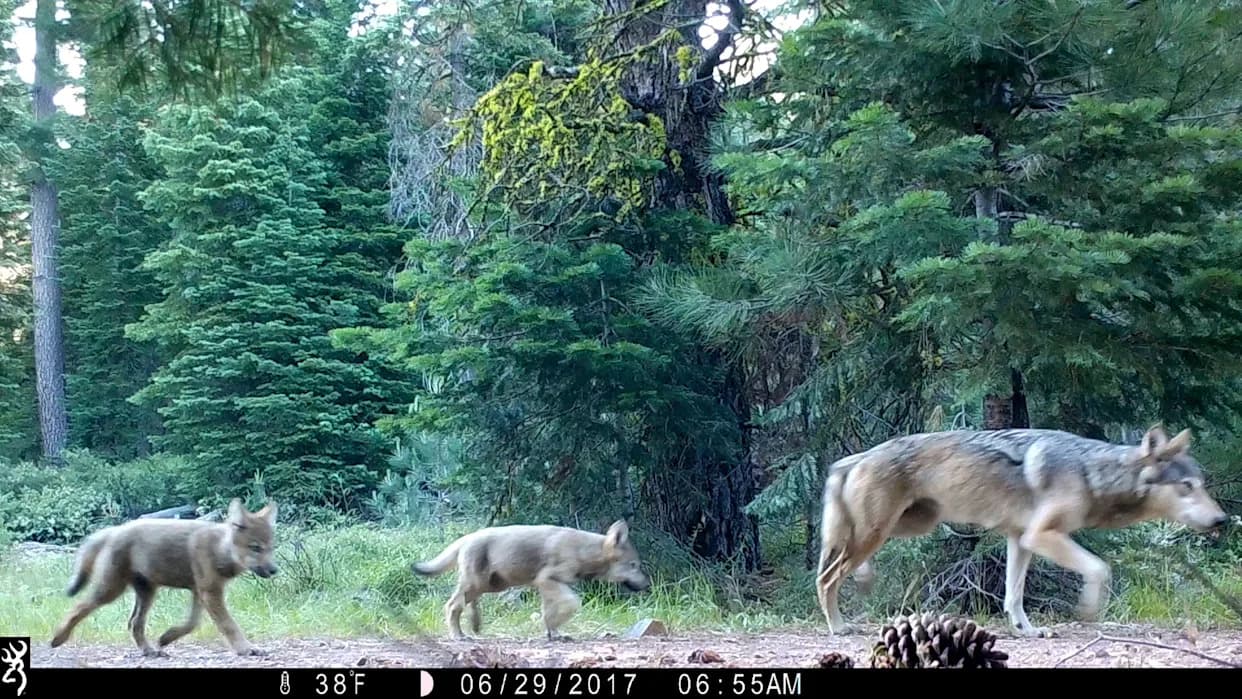
Princeton biologists studied gray wolves in the Chernobyl Exclusion Zone for a decade and found packs inside the zone are much denser and show accelerated evolution in genes linked to anti-tumor immune responses. Collars deployed in 2014 recorded chronic radiation exposure roughly six times higher than common legal limits for humans. Researchers suggest rapid natural selection, alongside reduced human pressures, favored genetic variants that lessen cancer’s impact, and they are collaborating with cancer specialists to explore possible medical implications.
How Chernobyl Wolves Evolved Genetic Defenses That Lessen Cancer’s Impact
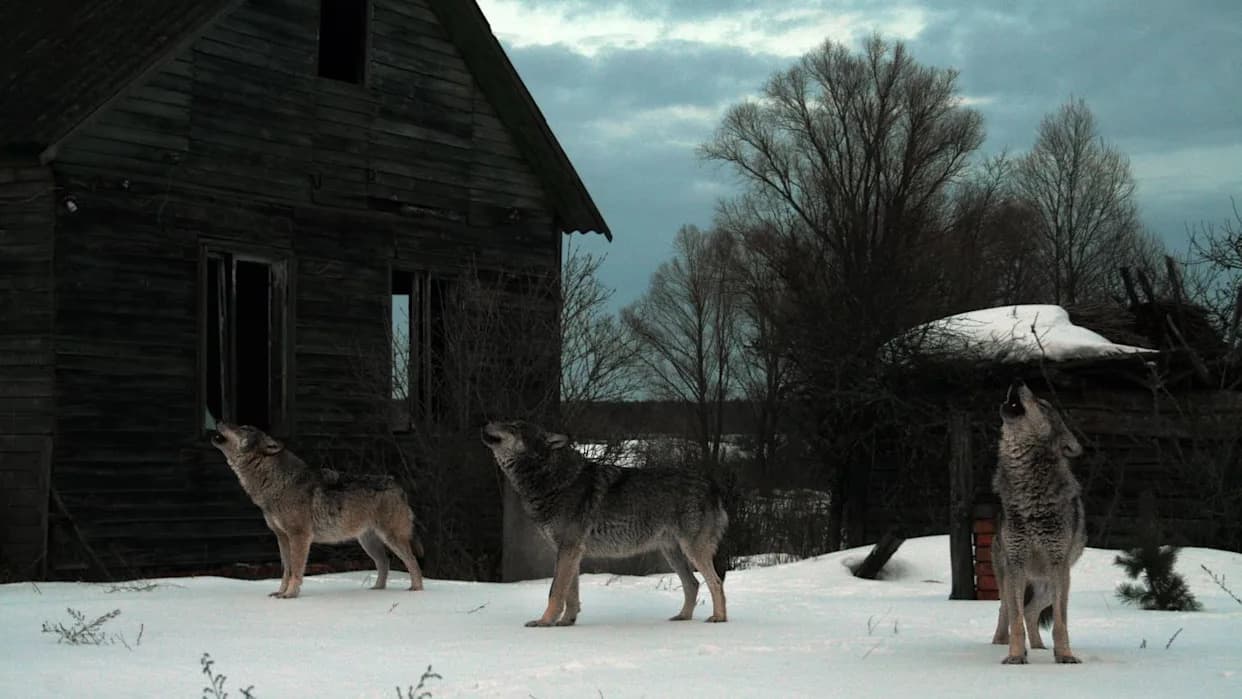
The Wolves of Chernobyl Have EvolvedFilm Studio Aves - Getty Images
Forty years after the April 26, 1986 reactor explosions, the roughly 1,000-square-mile Chernobyl Exclusion Zone (CEZ) has become an unintentional, large-scale laboratory for studying how chronic ionizing radiation affects wildlife. Princeton University biologists Cara Love and Shane Campbell‑Stanton spent a decade studying gray wolves inside the CEZ and presented their findings at the Society for Integrative and Comparative Biology meeting in 2024.
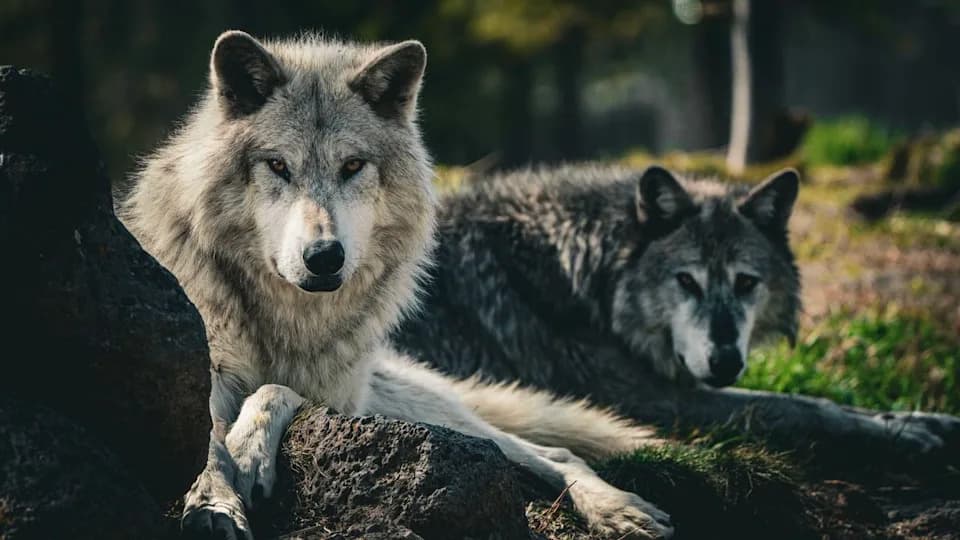
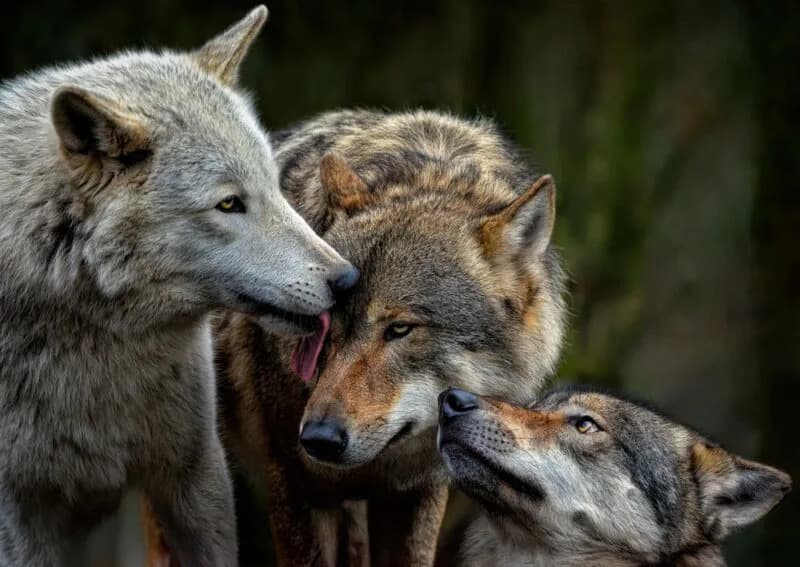
The team’s results are striking: wolf packs inside the zone are far denser than those just beyond its boundary, and genomic analyses show accelerated evolution in regions linked to anti-tumor immune responses. The researchers tracked wolves starting in 2014 using collars fitted with GPS units and radiation dosimeters. Those collars recorded chronic exposure levels roughly six times higher than commonly cited legal limits for humans, yet the wolves appear to be thriving.
Rapid Selection and Reduced Human Pressure
Love and Campbell‑Stanton hypothesize that a combination of reduced human disturbance and rapid, multigenerational selection explains the wolves' success. Fewer cars, less hunting and minimal human interference in the CEZ reduce mortality and other ecological pressures. At the same time, some wolves carry genetic variants that appear to blunt the harmful effects of cancer: although tumor incidence may be similar, animals with these variants suffer fewer debilitating consequences and have higher survival and reproductive success.
"The fastest-evolving regions within Chernobyl are in and around genes that have roles in cancer immune response or the anti-tumor immune response in mammals," Campbell‑Stanton told NPR.
Methods and Medical Relevance
Beginning in 2014, the team combined field ecology (GPS tracking, dens surveys and population density estimates) with genomic sequencing to identify regions under selection. Their findings point to a genetic — rather than solely ecological — contribution to the wolves’ resilience. The researchers are now collaborating with cancer specialists to evaluate whether the identified mutations could suggest new therapeutic strategies or inspire biomedical research on cancer resistance.
Context and Broader Findings
The wolf study complements earlier work showing consistent biological shifts within the CEZ: a 2016 study documented altered traits in Eastern tree frogs (Hyla orientalis), and a 2023 study found genetic differences between dogs inside the exclusion zone and dogs from Chernobyl City. Together, these studies build a picture of how chronic, low-dose radiation shapes wild populations over multiple generations.
While the CEZ remains an ecological disaster with profound human and environmental costs, it now also offers an unprecedented natural experiment. Continued careful research can improve our understanding of evolution under extreme stressors and may yield insights relevant to human health.
Help us improve.