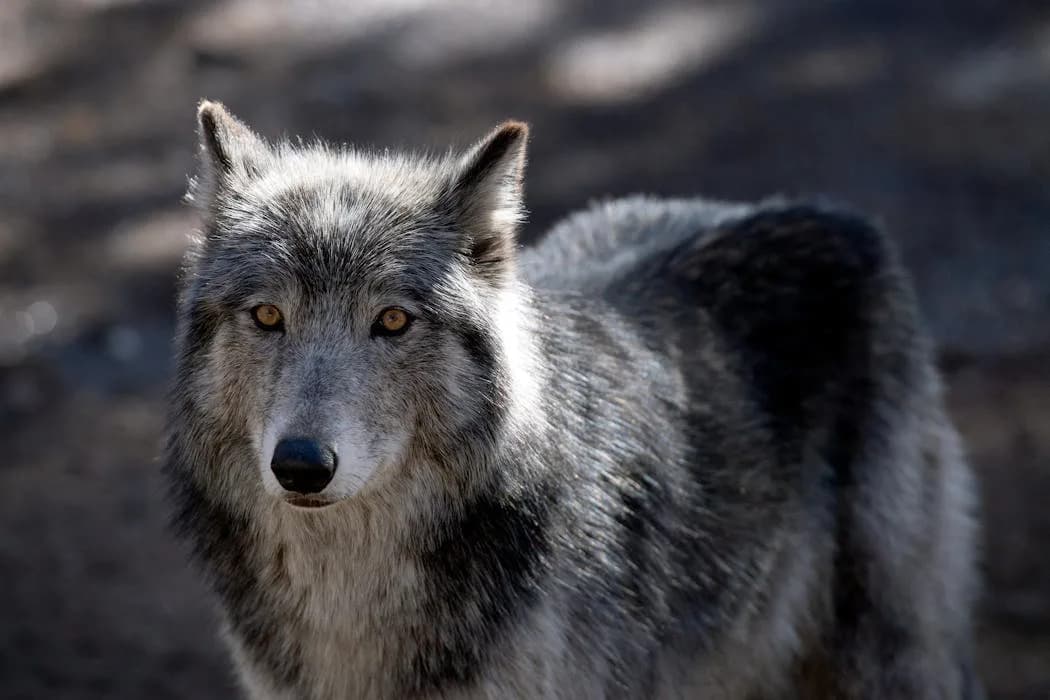
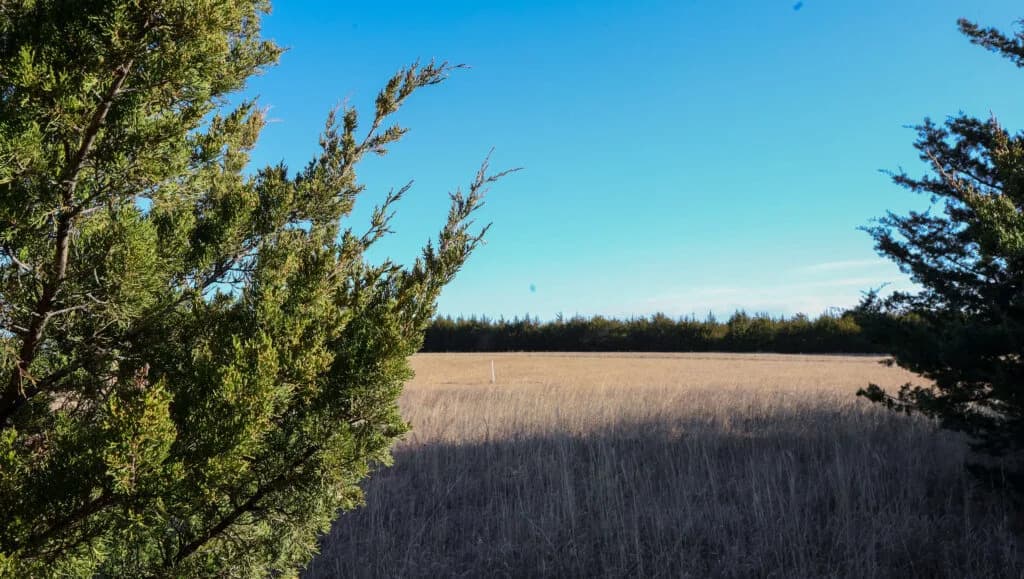
Overview: A January study reported that gray wolf reintroduction in Yellowstone triggered a trophic cascade and a ~1,500% rise in willow crown volume from 2001–2020. On Oct. 13, critics published a response arguing the methods — particularly converting height data into "crown volume" and mixing samples across sites and years — may overstate the evidence. Scientists agree wolves have altered parts of Yellowstone’s ecology, but they disagree about the magnitude of their effect on vegetation and the degree to which other predators and human hunting contributed. Both sides plan further analysis and replies; clearer conclusions will require consistent biomass measurements and accounting for multiple drivers.
Did Wolves Really Spark Yellowstone’s Ecological Revival? The Debate Over the 'Trophic Cascade'
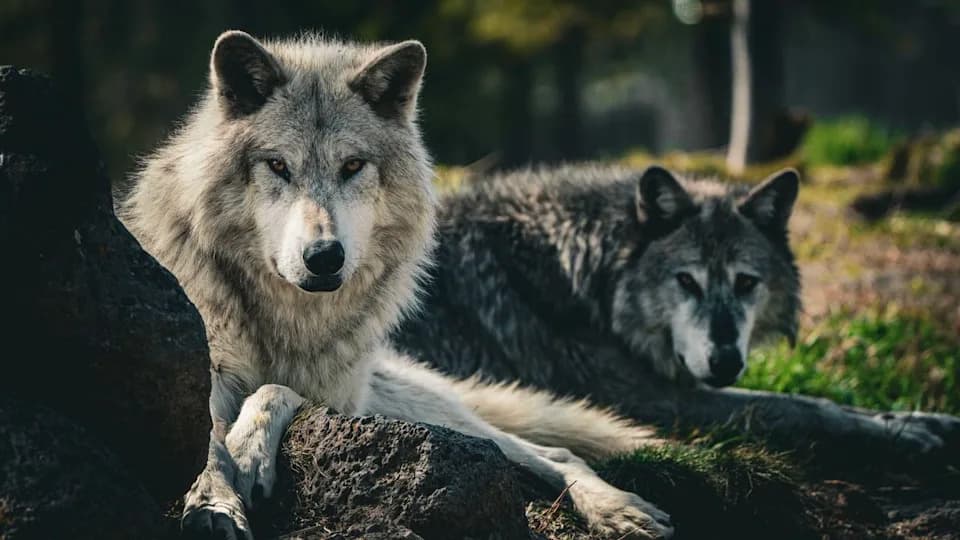
Credit: Getty Images
Over the past three decades Yellowstone National Park has shown notable ecological changes: elk numbers declined, willow and aspen stands expanded, and beaver populations increased — creating new habitat for fish and birds. Many researchers have credited these shifts to the 1990s reintroduction of gray wolves (Canis lupus), but recent exchanges in the scientific literature reveal the story may be more complex than a single predator-driven narrative.
What the January Study Reported
A study published in January argued that wolf reintroduction triggered a trophic cascade that benefited large parts of Yellowstone’s ecosystem. The authors linked wolf recovery to reduced elk abundance and, in turn, to less browsing on willows. They reported a roughly 1,500% increase in willow crown volume — a three-dimensional estimate of aboveground shrub space — between 2001 and 2020.
Criticism and Methodological Concerns
On Oct. 13, a group of scientists published a letter in Global Ecology and Conservation challenging the methods and conclusions of the January paper. The critics, including wildlife ecologist Daniel MacNulty of Utah State University, argue the analysis repurposed previously published willow height measurements into a derived "crown volume" metric. Because crown volume in that study was computed directly from height, MacNulty says the analysis may amount to "height predicting height" rather than revealing new evidence of a broad vegetation response to wolves.
"Because crown volume was built directly from height, [the study] only showed that height predicts height," MacNulty told Live Science. "They did not reveal anything new about how willow growth changed after wolf reintroduction."
The response letter also raises concerns about sampling and comparability: willow measurements were compiled from different locations and times, which can produce misleading time series if not carefully controlled. MacNulty and colleagues have previously documented sampling biases in studies that support the classic wolf–elk–willow cascade.
Responses From The Original Authors
William Ripple of Oregon State University, lead author of the January paper, stands by the original findings. Ripple says their methods and modeling approach are standard and that criticisms stem from misunderstandings of the analysis. Ripple and his team are preparing a detailed reply to the criticisms.
Why The Debate Matters
Scientists broadly agree some form of trophic cascade exists in Yellowstone — predator changes cascade through herbivores to plants and other species — but they disagree on the cascade’s magnitude and which predators are most responsible. Critics note that elk populations are influenced by multiple factors, including human hunting, grizzly bears and cougars, as well as disease and climate. Those drivers complicate attributing willow recovery to wolves alone.
Jake Goheen, a wildlife ecologist at Iowa State University, said the hypothesis is being usefully scrutinized. He and others argue the evidence so far does not unequivocally show that wolf reintroduction alone produced the large willow rebound reported by the January study — though it does not rule out wolf-to-elk-to-willow interactions entirely.
What Clearer Evidence Would Look Like
MacNulty and colleagues recommend studies that (1) measure total willow biomass before and after wolf reintroduction using consistent sampling locations and methods, (2) explicitly account for other predators and human impacts on elk, and (3) quantify how much of any observed vegetation change can be attributed specifically to wolves.
Conservation Context
Beyond academic debate, the controversy has real-world implications: large carnivores remain a conservation priority for many managers and the public. Even if wolves are not the sole drivers of willow recovery, they influence ecosystem processes — from providing carrion to scavengers to altering prey behavior — that matter for Yellowstone’s ecological community.
Bottom line: The reintroduction of wolves coincided with major changes in Yellowstone’s ecology, but scientists continue to debate the extent to which wolves alone caused the observed vegetation recovery. The exchange highlights the importance of transparent methods, consistent sampling, and multi-factor analyses when attributing ecosystem change to a single cause.
Help us improve.