The administration’s aggressive immigration raids have sparked growing public backlash, driven by high-profile incidents and legal questions. Key developments include the Minneapolis shooting by an ICE agent, a May 2025 memo authorizing internal "administrative warrants," and the detention of a 5-year-old now held with his father in Texas. Reports of mistaken citizen detentions and allegations of racial profiling reinforce a broader narrative of overreach and eroding public trust.
Five Major Problems Driving Public Backlash Against ICE
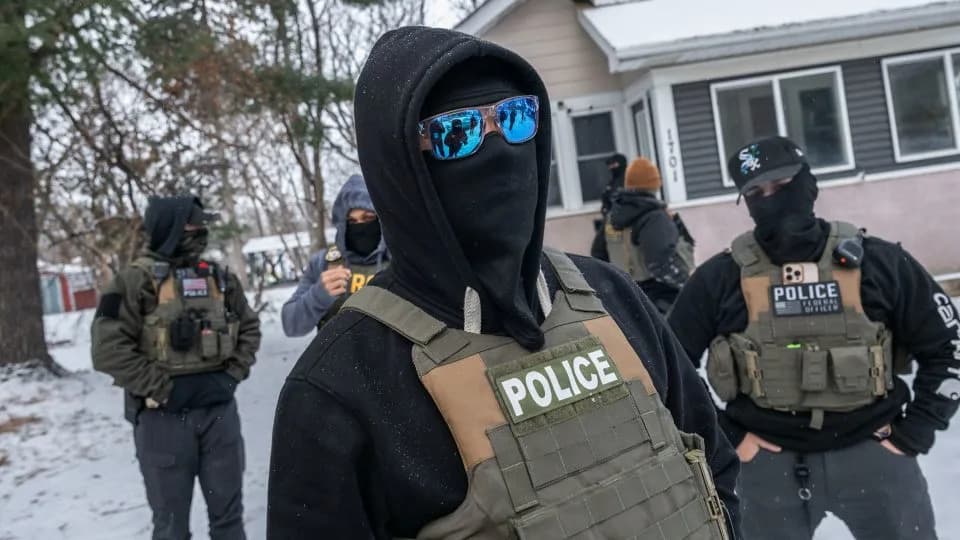
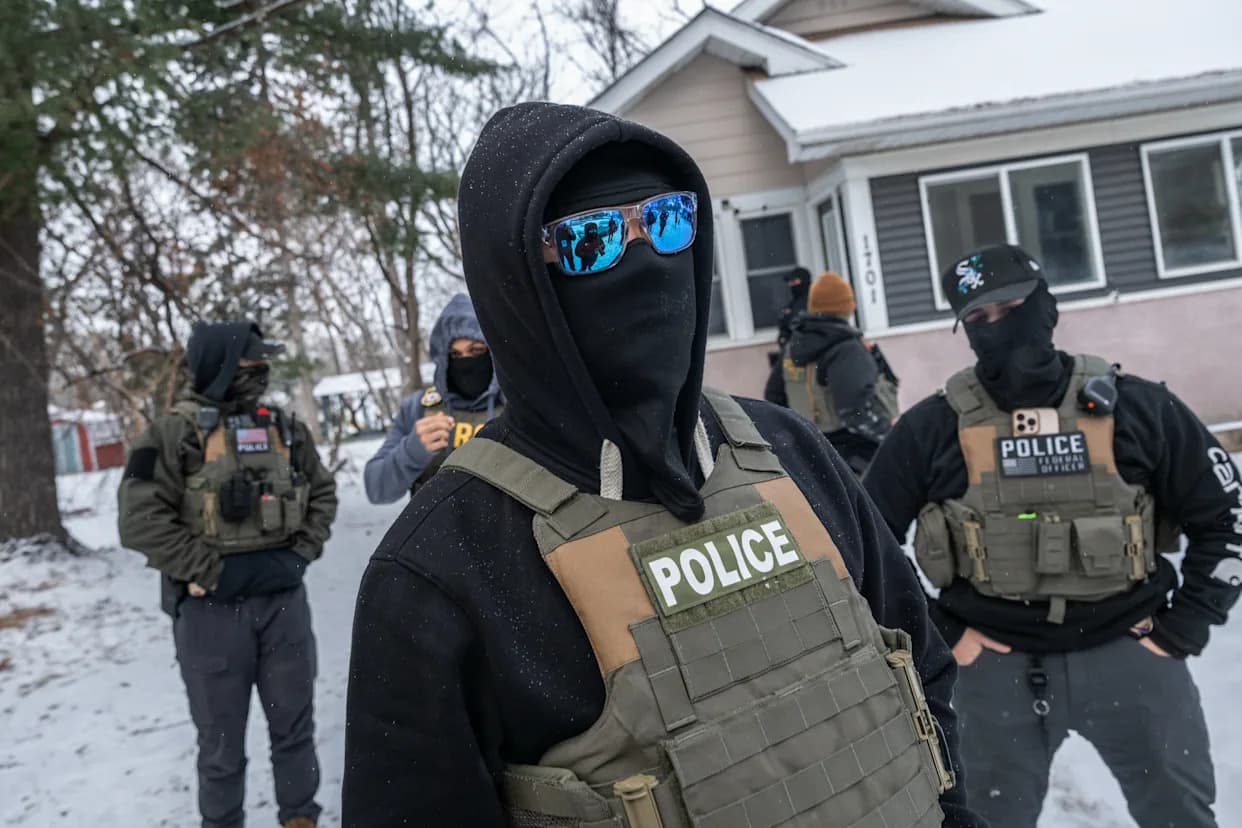
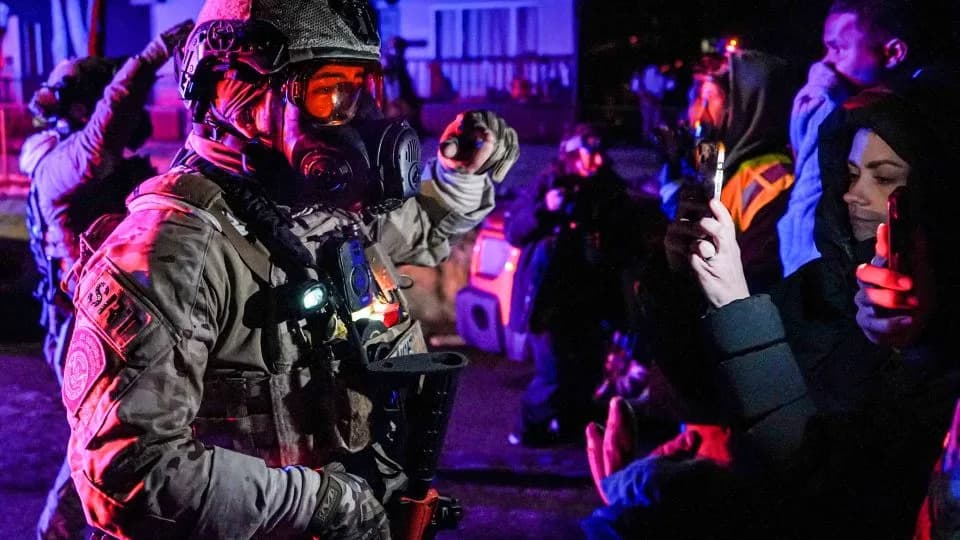
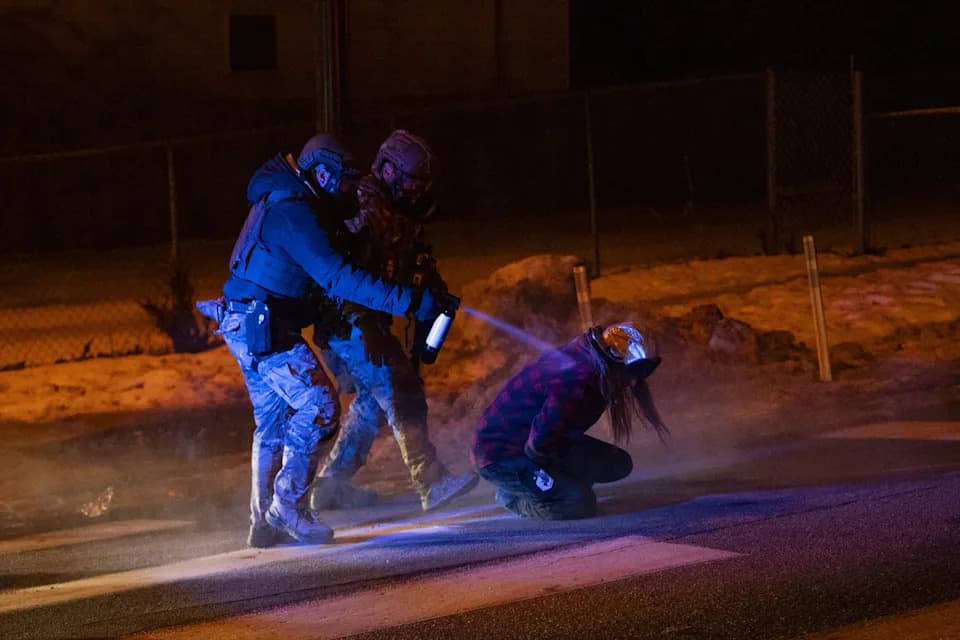
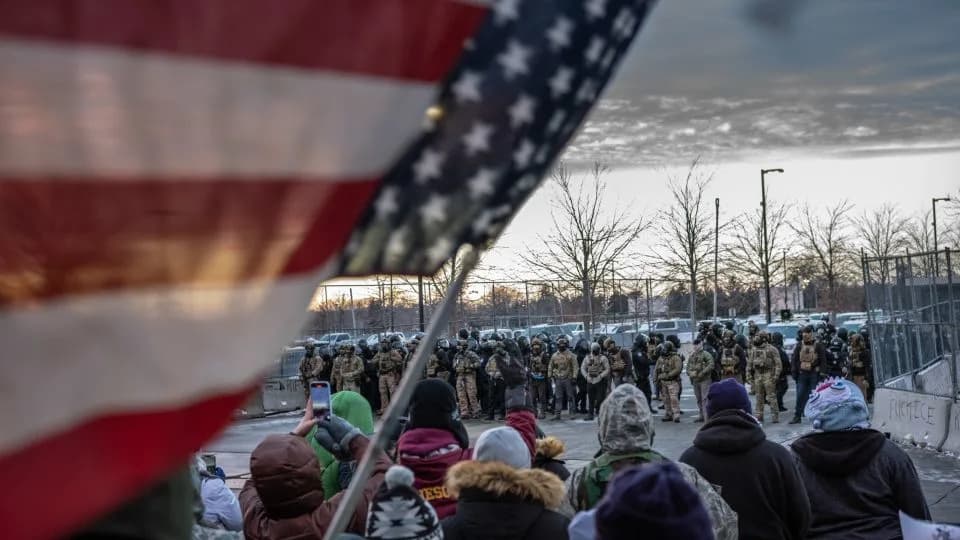
Federal law enforcement agents outside a private residence in St. Paul, Minnesota, on January 18. - Victor J. Blue/Bloomberg/Getty Images
President Donald Trump and his administration have continued an assertive immigration-enforcement posture even as public concern grows. Polling, high-profile incidents and newly disclosed internal guidance have combined to create a narrative of agency overreach that is politically costly and legally uncertain.
1) Minneapolis Shooting and Questions About Use of Force
The fatal shooting by ICE agent Jonathan Ross of a woman identified as Good in Minneapolis remains a major flashpoint. Critics say Ross used tactics — including standing in front of a vehicle and continuing to fire from the side — that appear to contradict standard safety guidance and raise doubts about whether he faced an imminent threat. Public reaction has been sharply negative: a CNN poll found U.S. adults judged the agent’s use of force inappropriate by a 56%–26% margin, and a Quinnipiac University survey reported 82% of registered voters had seen video of the shooting. A majority of respondents said the incident reflected broader problems with how ICE operates.

Renee Nicole Good - Obtained by CNN
2) Administrative Warrants and Fourth Amendment Concerns
A May 2025 ICE memo disclosed this week asserts that agents can use “administrative warrants” signed by agency officers to enter private homes rather than relying on judicial warrants approved by a judge. Constitutional scholars and civil-liberties advocates warn that substituting agency-signed warrants for judicial review risks undermining Fourth Amendment protections against unreasonable searches and seizures, because it removes an independent check on executive action. A Department of Homeland Security training manual reported last year indicated judicial warrants were required to enter homes, creating a direct conflict in guidance. Even supporters in the administration have sounded tentative; Vice President JD Vance said, "Now it’s possible, I guess, that the courts will say no," calling the matter a live legal question.
3) Detention of a 5-Year-Old and the Political Cost of Family Separations
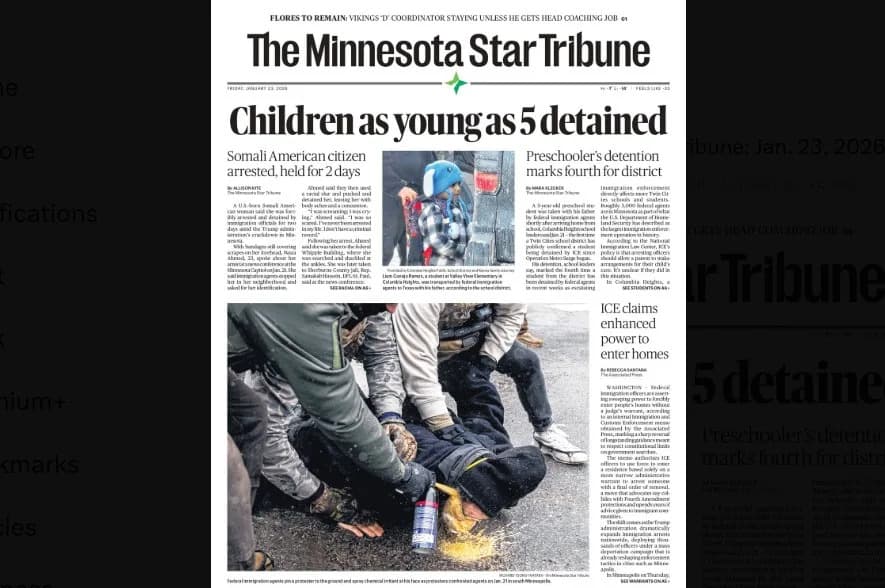
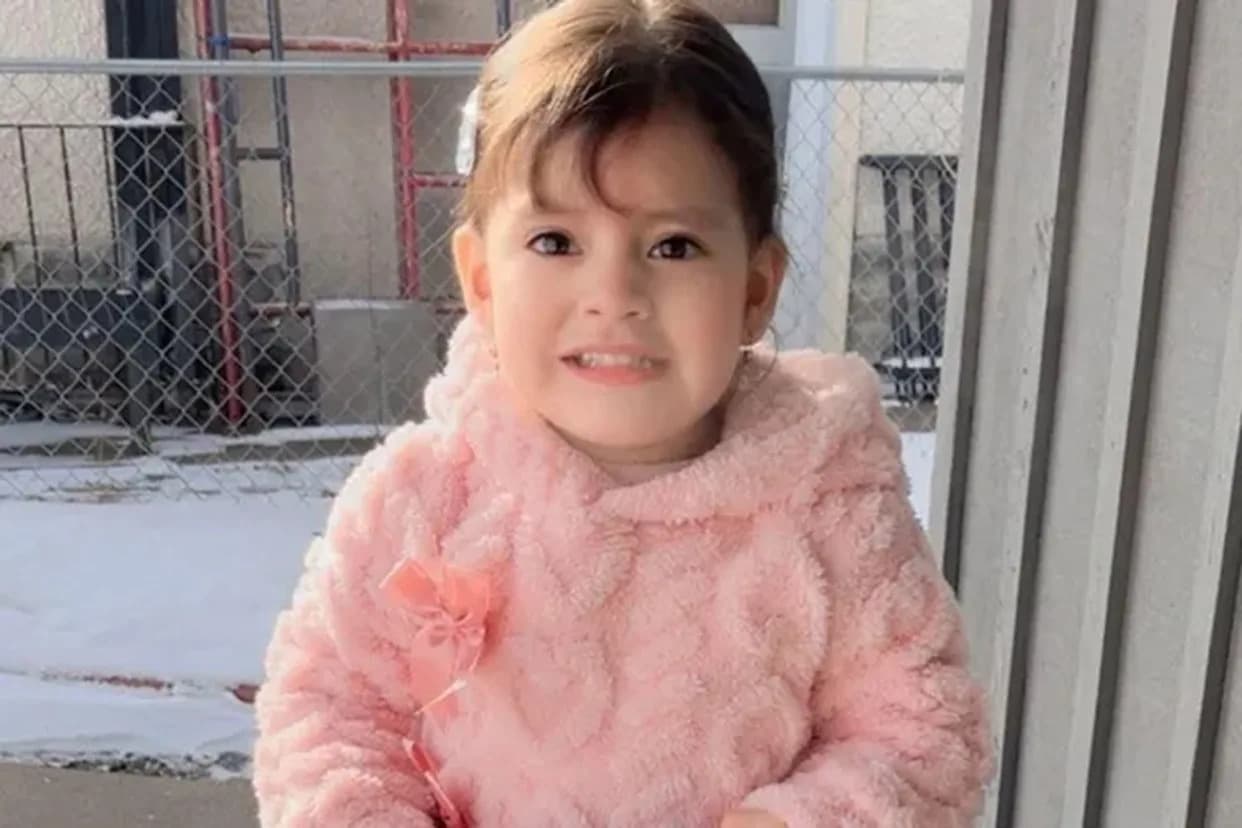
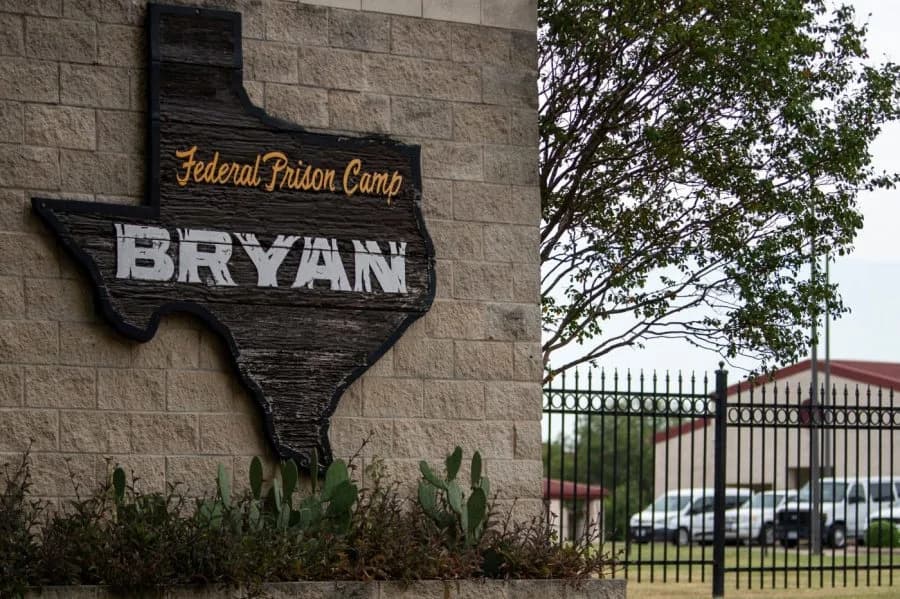
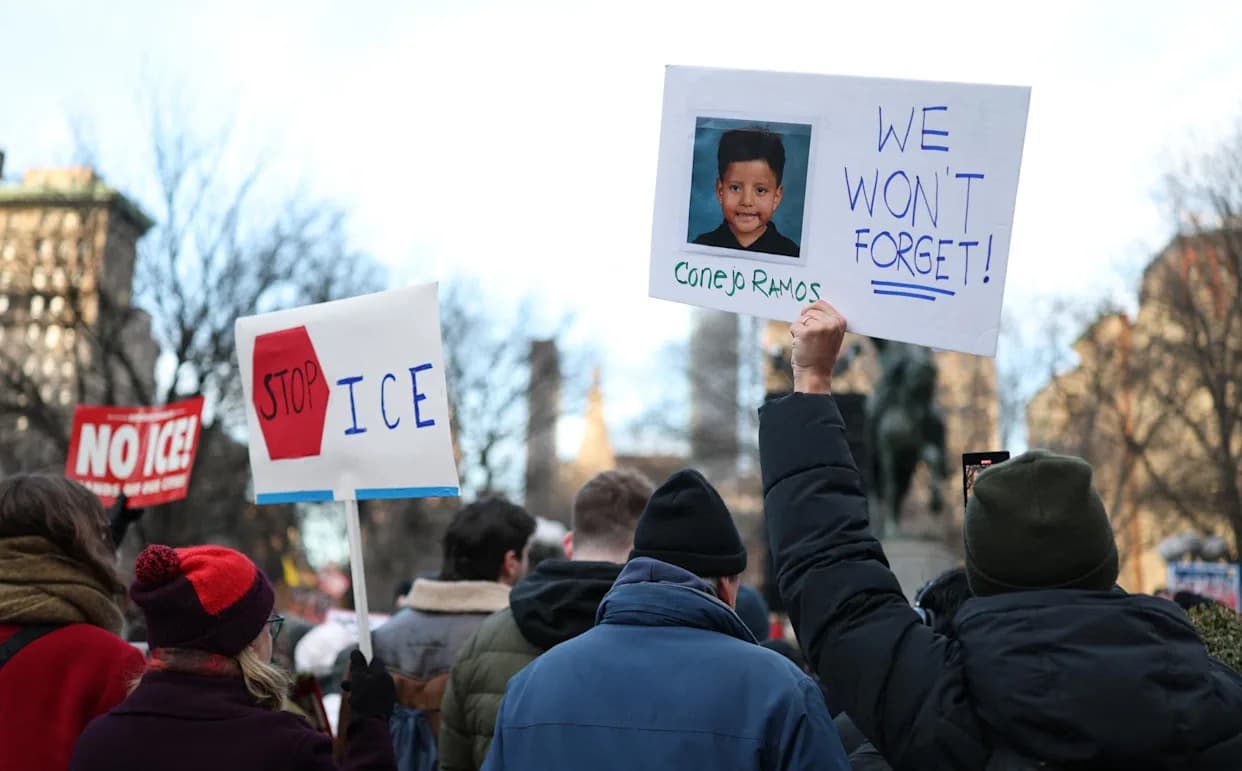
Images of a 5-year-old boy taken into ICE custody and later held with his father in a Texas facility intensified public concern. The administration says the child was temporarily detained after the father fled and left the child behind and that officials treated the child appropriately. Family attorneys and local officials, however, contend the father and son had presented at the border in 2024 and were pursuing asylum, and a local superintendent alleged the child was used as bait to draw another adult from the home — an allegation the Department of Homeland Security called a "horrific smear." Whether disputed or not, these scenes tend to erode public support: prior polling shows Americans strongly prefer policies that keep families intact when choices are framed that way.
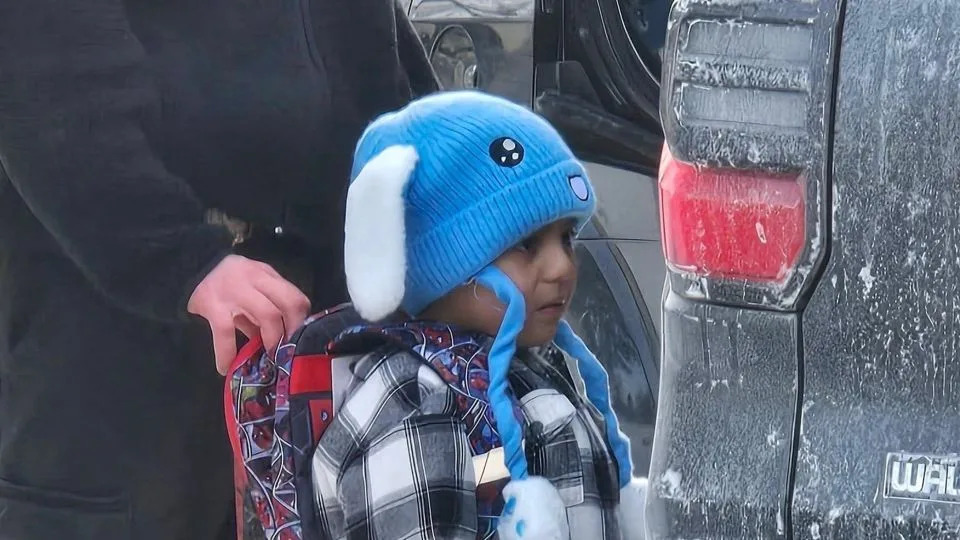
Federal immigration agents walk 5-year-old Liam Conejo Ramos to a vehicle in front of his Minneapolis home on Tuesday. - Columbia Heights Public Schools
4) Mistaken Detentions of U.S. Citizens and Operational Errors
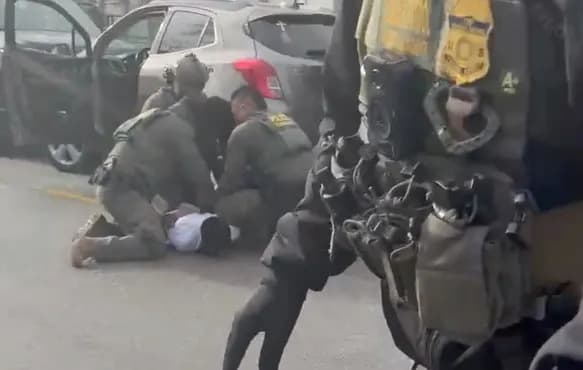
Investigations have documented cases in which U.S. citizens were detained by immigration agents. ProPublica reported in October that more than 170 U.S. citizens had been held by immigration agents as of that reporting, with some subjected to rough treatment. A recent high-profile example in St. Paul involved ChongLy Scott Thao, a naturalized U.S. citizen who was escorted from his home wearing minimal clothing in freezing conditions and released about an hour later. Authorities later said one of the targets was already in custody, highlighting errors that strip people of dignity and fuel criticism of ICE operations.
5) Allegations of Racial Profiling and Rushed Enforcement
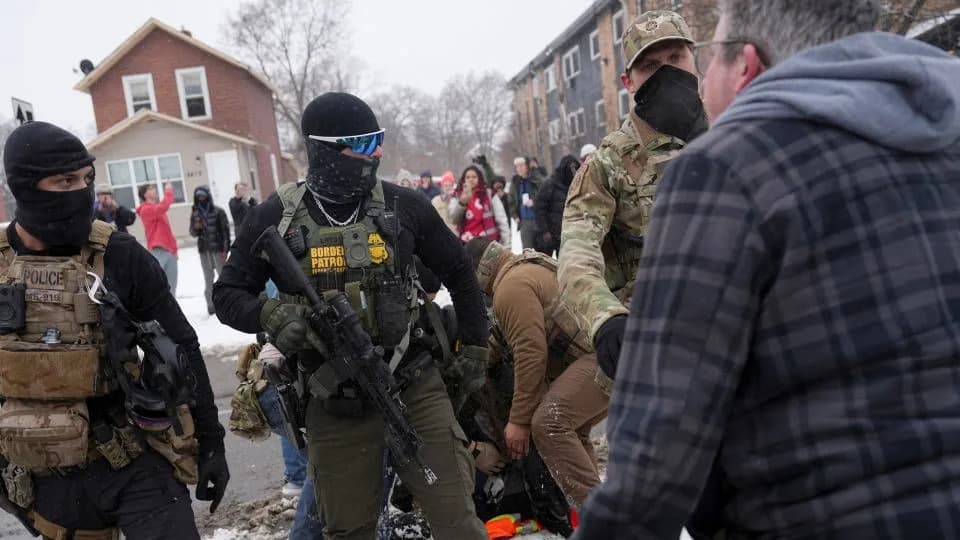
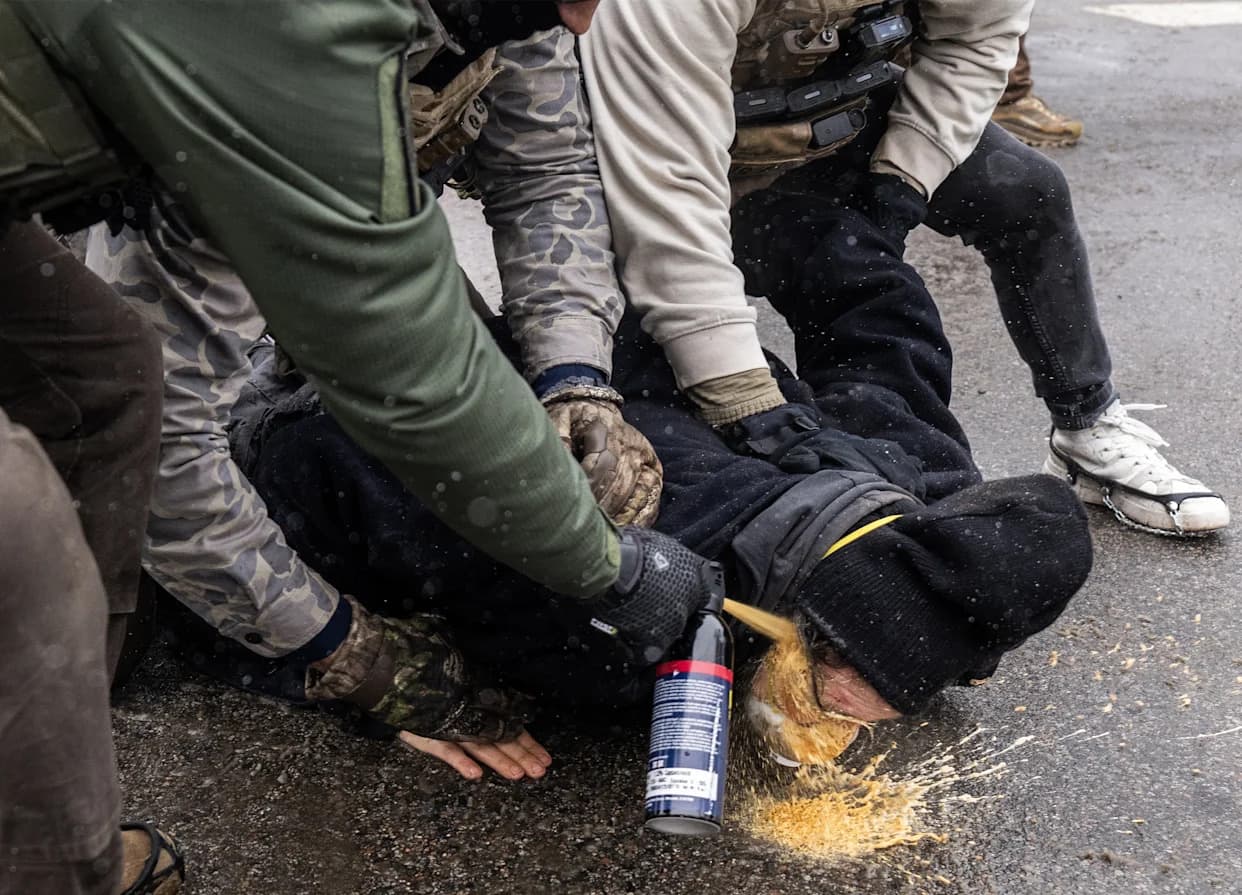
Multiple local officials and videos have raised allegations of stops and questioning that appear to rely on race, accent or appearance. Hennepin County’s sheriff has cited incidents in which people were reportedly stopped "solely because of the color of their skin," and police leaders in nearby jurisdictions report similar complaints, including stops of off-duty officers. DHS has denied some specific claims while broader patterns of hurried enforcement and heavy performance pressure on agents increase the risk of profiling and operational mistakes.
What This Adds Up To
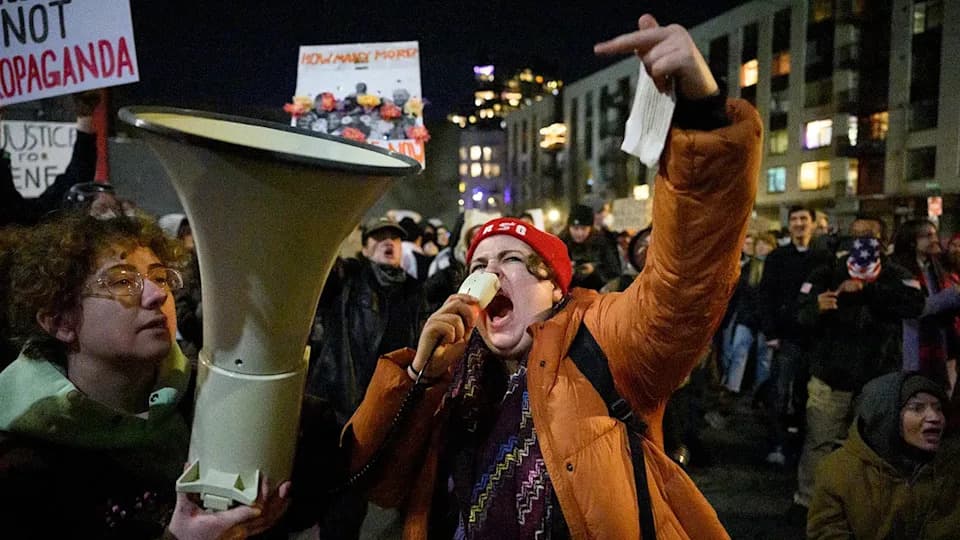
Taken together, the shooting in Minneapolis, the new administrative-warrant posture, highly visible images of detained children, mistaken detentions of citizens and repeated profiling complaints feed a cohesive narrative of executive overreach. That narrative is reflected in public-opinion data and in widespread circulation of video and photographic evidence. Balancing vigorous immigration enforcement with constitutional safeguards, clearer guidance and stronger oversight is the central policy challenge highlighted by these controversies.
Reporting and polls referenced: CNN, Quinnipiac University, The New York Times, ProPublica; incidents described reflect public reporting and statements from officials and family members.
Help us improve.