Jack Smith testified before Congress about his probe into Donald Trump’s role in the Jan. 6, 2021, attack on the U.S. Capitol. Democrats emphasized that the day was a violent effort to overturn the election, while many Republicans focused on procedural and legal challenges. Michigan Gov. Gretchen Whitmer warned that election interference remains a real threat, and Smith argued that failing to punish serious crimes invites repetition. The hearing was framed as a warning to safeguard future elections and uphold accountability.
Jack Smith’s Capitol Hearing: A Warning That Another Jan. 6 Could Happen
Former special counsel Jack Smith testified before Congress about his investigation into former President Donald Trump’s role in the Jan. 6, 2021, attack on the U.S. Capitol. While the testimony recounted past events, the hearing’s central message was forward-looking: it was intended as a warning about the risks of future attempts to subvert democratic elections.
The Facts Revisited
Democrats on the committee walked through the events of that day: an angry, conspiracy-fueled mob stormed the Capitol to try to block certification of a free and fair election. Committee members framed the mob as the culmination of a pressure campaign led by the then-president after he lost the vote.
Partisan Framing
Republicans largely shifted the focus to procedural questions. Rather than deny the violence outright, many pressed procedural and legal technicalities, criticized the special counsel’s methods and emphasized process over motive and consequence. That approach, while not claiming Jan. 6 was a hoax, often had the effect of making the episode feel less consequential.
Why That Distinction Matters
When a violent assault on democratic institutions is treated as just another political dispute, the risk of repetition grows. At times the hearing felt less like a search for accountability and more like a bid to exhaust public appetite for holding powerful actors responsible.
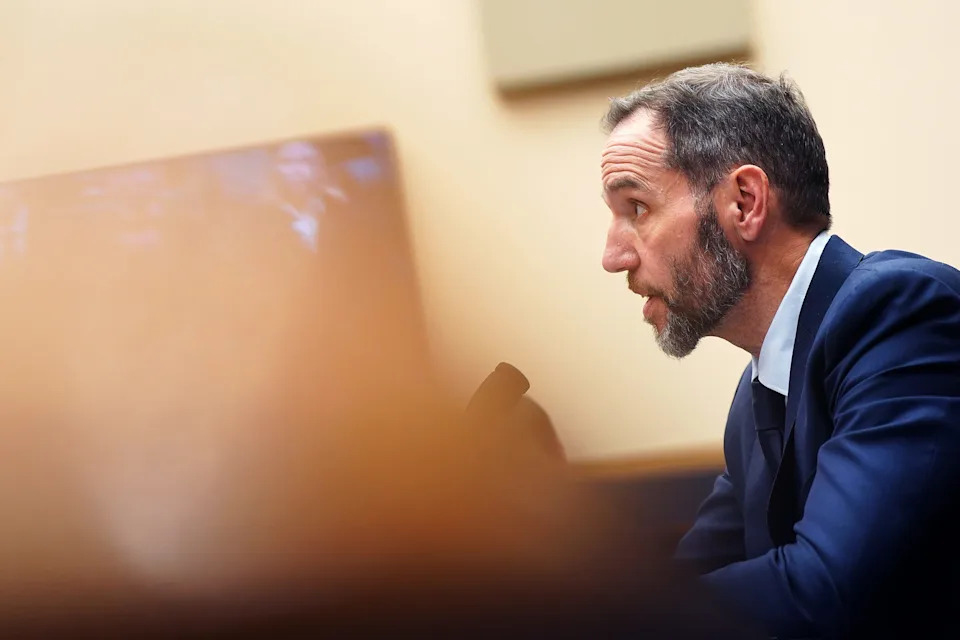
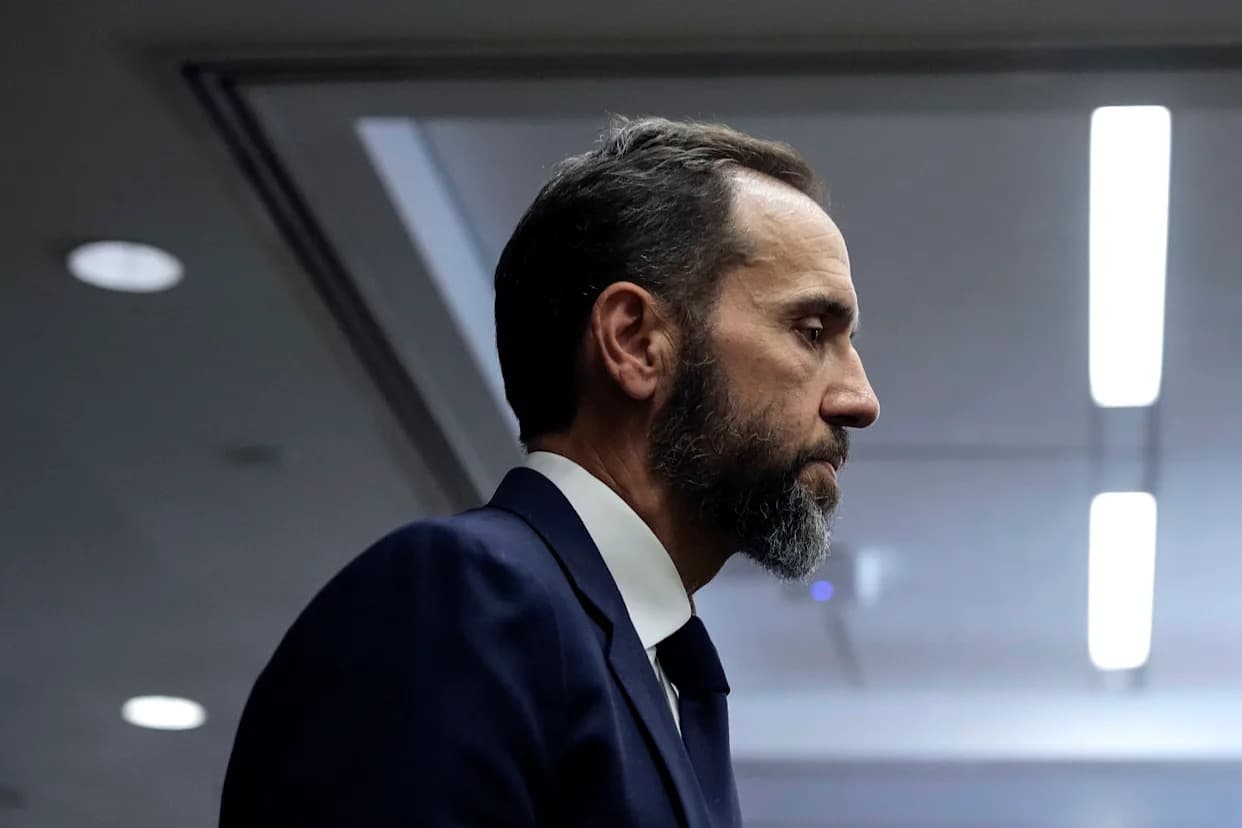
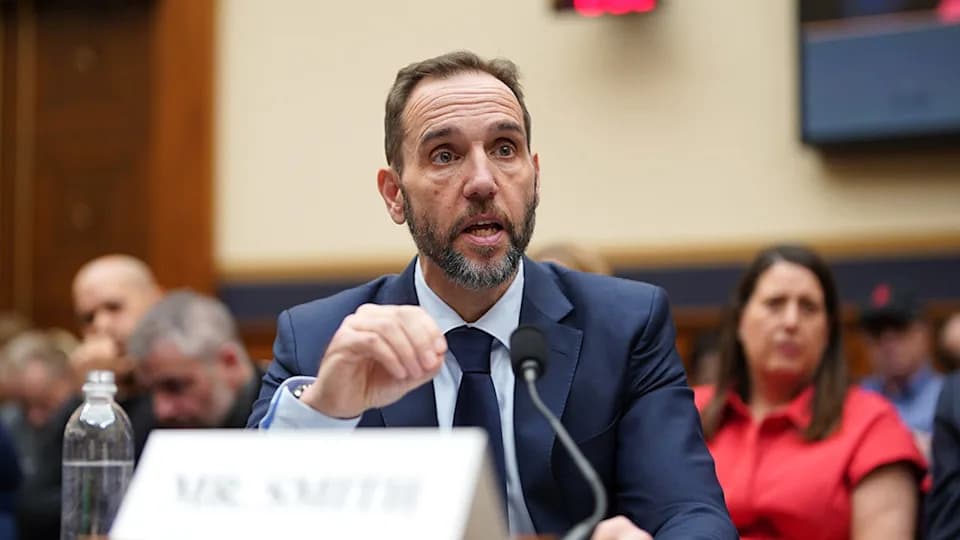
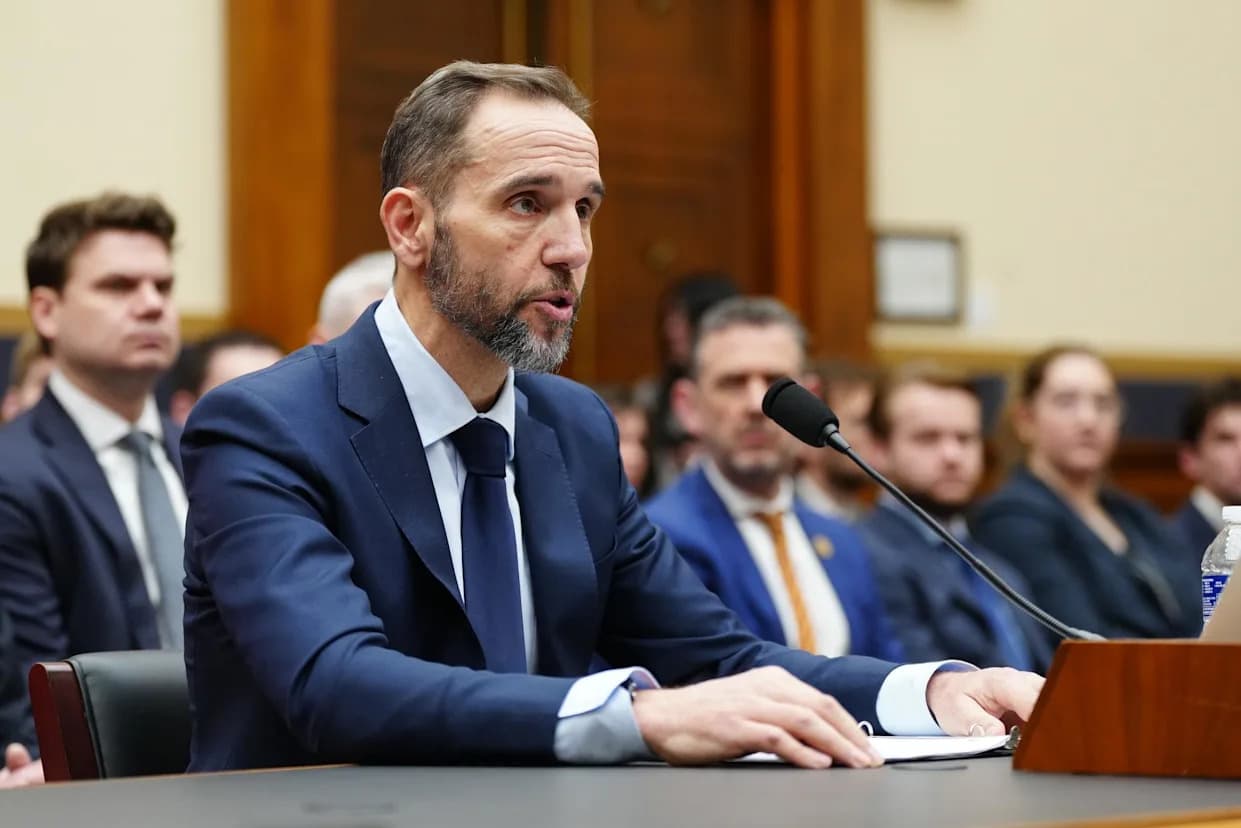
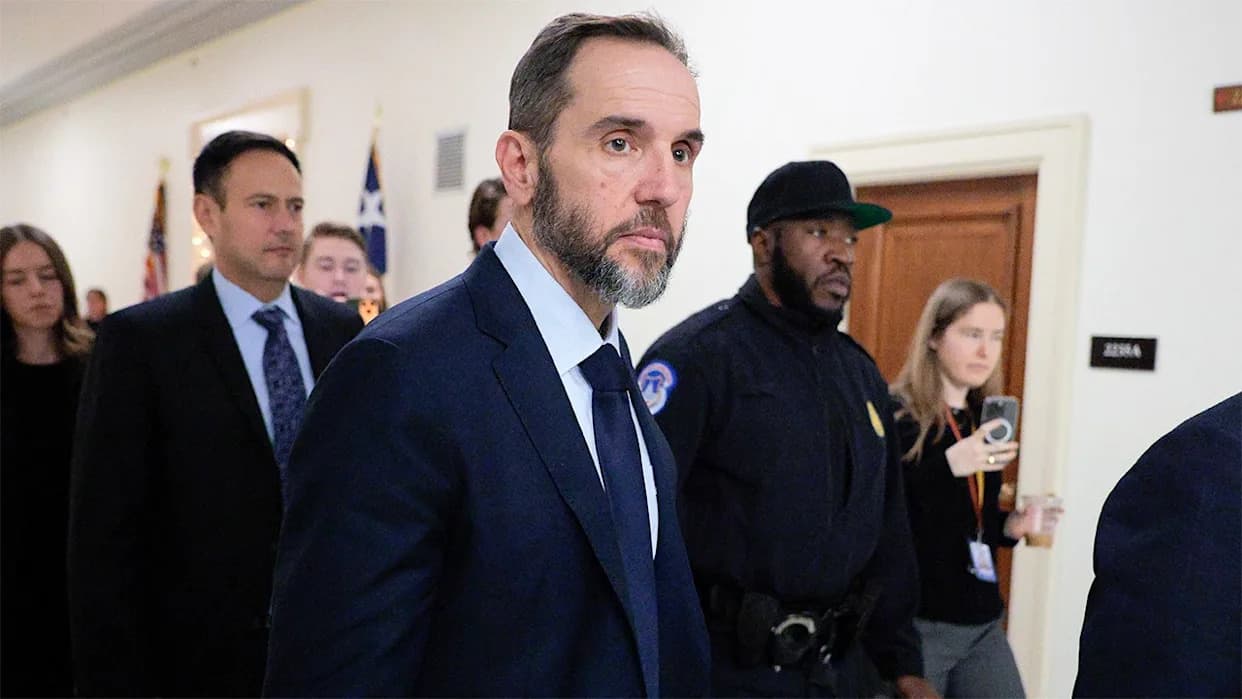
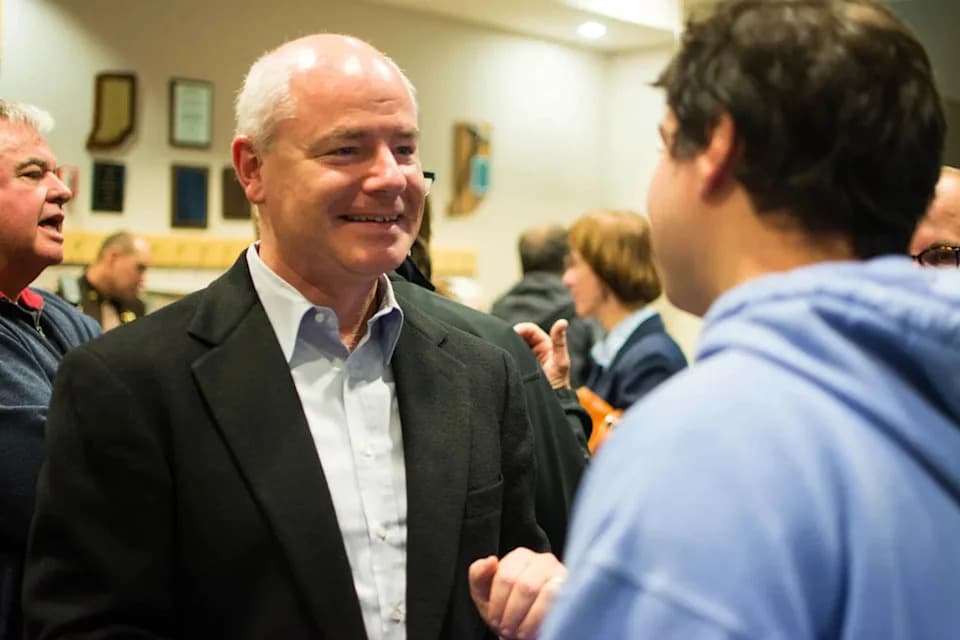
Former Special Counsel Jack Smith testifies during a hearing before the House Judiciary Committee in the Rayburn House Office Building Jan. 22, 2026, on Capitol Hill.(Al Drago / Getty Images)
Warnings From Those On the Front Lines
Michigan Gov. Gretchen Whitmer — whose state is a perennial battleground — warned this week that it would be a mistake to assume attempts to interfere with elections are over. “I don’t think it’s paranoia to have that concern,” she said, stressing that future elections could again become targets.
Smith’s Central Point
Smith emphasized a clear principle: failing to hold perpetrators accountable sends a message that similar attacks can be attempted again. Accountability, he argued, is not revenge — it is prevention.
Broader Implications
By elevating process disputes over the core facts of election interference, public debate risks normalizing extreme conduct and undermining trust in institutions. Repeated false claims that the 2020 election was stolen helped set the stage for Jan. 6; similar narratives are being sown about future elections, with the apparent aim of creating confusion and doubt.
Bottom Line
Democracy rarely collapses overnight. It erodes when facts are contested, accountability is delayed and extreme behavior is treated as routine politics. Jan. 6 was the crime. Thursday’s hearing was presented as a warning — a reminder that preventing the next attack requires clarity, enforcement and civic resolve.
Help us improve.