The severe 2025 drought across Europe exposed many submerged ancient ruins — including a 1,500-year-old basilica at Lake İznik after waters dropped by up to 50 meters. Experts and local officials say these rediscoveries result from a damaging climate crisis rather than good fortune for archaeology. The WMO lists 2025 among the warmest years on record and points to human-driven greenhouse gas emissions as the main long-term driver of warming. Archaeologists warn exposed sites are highly vulnerable to rapid physical and chemical decay and require urgent preservation.
Drought Uncovers Submerged European Ruins — Experts Say It’s No Cause For Celebration
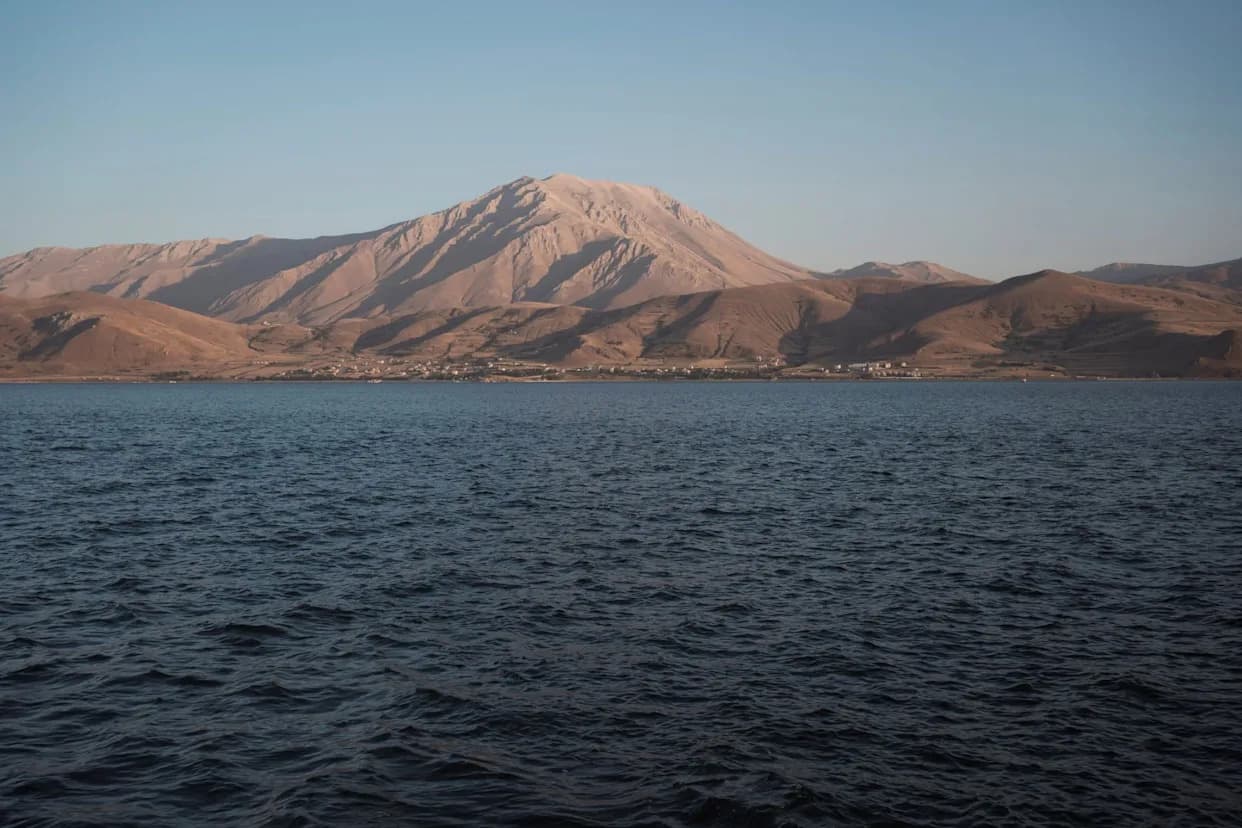
Photo Credit: iStock
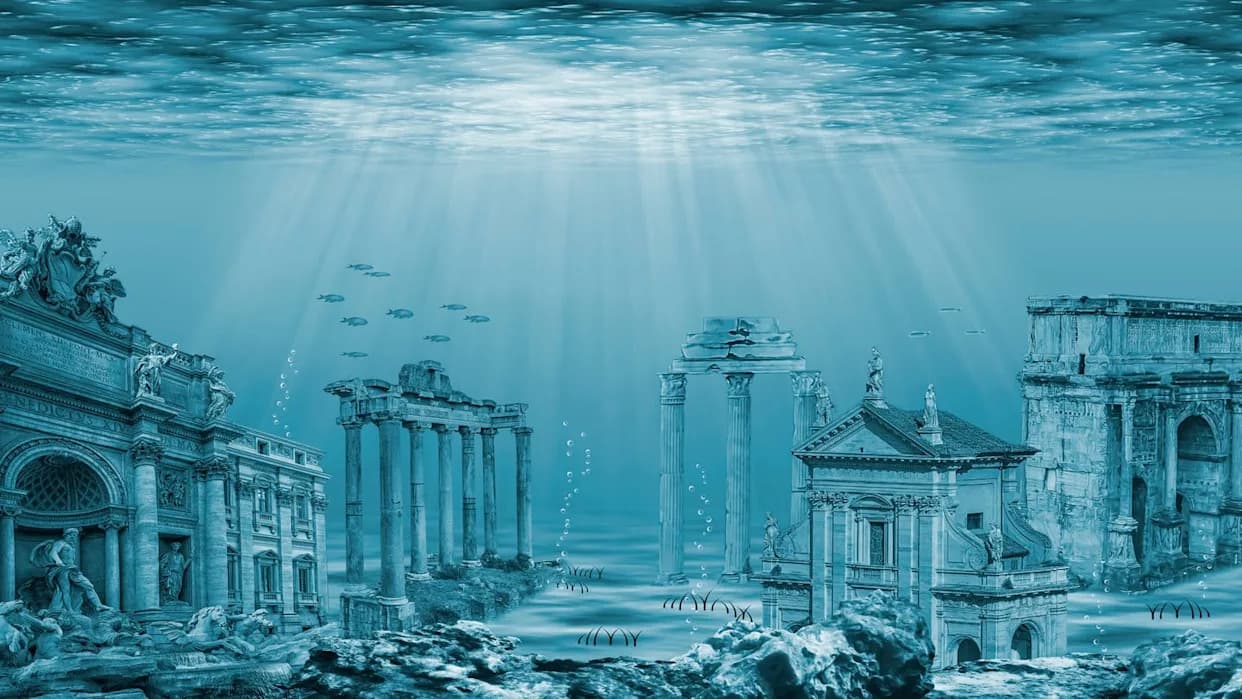
For the first time in decades, a wave of ancient ruins that had long been submerged has reappeared across Europe — but archaeologists and local officials warn that these dramatic discoveries are the consequence of a damaging environmental crisis, not a stroke of luck.
A severe, record-setting drought in 2025 caused lakes, reservoirs and rivers across the continent to shrink dramatically. As water levels fell, long-buried archaeological remains emerged, offering new research opportunities while raising urgent conservation concerns.
Turkey’s worst drought in more than 60 years hit several basins hard. Lake İznik, the Marmara region’s largest natural lake, dropped by as much as 50 meters in places, exposing a substantial portion of a roughly 1,500-year-old basilica. Similar resurfacing events were reported in Spain, Italy and other parts of Europe.
Local leaders emphasised that the resurfacing is not a cause for celebration.
“There’s nothing to celebrate about tourists coming here, because this is the result of a natural disaster that has severely impacted our region,” said Joan Riera, mayor of Vilanova de Sau, Spain.
The World Meteorological Organization (WMO) has identified 2025 as one of the three warmest years on record, alongside 2024 and 2023. The WMO attributes recent warming primarily to human-driven increases in greenhouse gases, while noting that other factors such as aerosol pollution and natural variability also influence year-to-year changes.
Professor Adam Scaife, who led the Met Office team behind the global forecast, noted that years not dominated by a strong El Niño—such as 2025—would typically be cooler, highlighting how current warming trends are shifting baseline expectations.
Why exposed sites are at risk
Hotter-than-average weather increases evaporation and can disrupt the water cycle, accelerating drought and draining freshwater resources. Experts warn the very conditions that revealed these sites also threaten them.
“Archaeological remains suddenly exposed to semi-arid or dry conditions after existing in a highly humid environment are vulnerable to rapid physical and chemical degradation. Without proper preservation measures, these assets will quickly deteriorate,” said archaeologist Gül Yurun Mavinil.
When submerged structures re-emerge, they face multiple hazards: rapid drying can cause cracking and structural collapse; salt crystallization can flake away surface material; microbial and plant growth patterns shift; and exposed sites become more vulnerable to looting and accidental damage from visitors.
Historian and museologist Emel Gülşah Akın put the recent events in historical perspective, warning that while climate shifts have contributed to societal collapses in the past, today’s changes are occurring far more rapidly: what once took centuries or millennia is now unfolding over decades.
What comes next
Scientists, heritage authorities and local governments face a dual challenge: document and study these newly revealed sites quickly, while mobilizing emergency conservation measures to stabilise fragile remains. The situation underscores a broader warning — climate extremes can produce striking short-term discoveries, but they also accelerate loss and degradation of cultural heritage.
Help us improve.