Global floods in 2025 caused widespread death, displacement and infrastructure damage from Gaza to Indonesia and the United States. Experts say climate change amplified intense, short-duration rainfall while urbanisation, deforestation and inadequate drainage transformed heavy rain into disasters. Recommended responses include restoring floodplains, updating infrastructure design for a changing climate, expanding early-warning systems and prioritising community-focused preparedness. Without rapid, targeted action the damage of 2025 is likely to repeat in 2026.
After the Floods of 2025, Can We Keep 2026 Above Water?

Moroccans inspect debris following a flash flood in the coastal town of Safi, 300 km (186 miles) south of the capital, Rabat, on December 15, 2025 [AFP]
Devastating floods struck large parts of the globe in 2025 — from Gaza and Morocco to Indonesia, Pakistan, Thailand, Nepal, Mexico and the United States. Experts told Al Jazeera that the year’s extreme flood events were shaped by a mix of climate-driven rainfall intensification and long-standing human vulnerabilities such as urbanisation, deforestation and weak drainage. Governments now face urgent choices to reduce risk and protect communities before 2026.
Major Flood Events in 2025
Gaza: Severe storms brought heavy rain and freezing conditions to a territory already devastated by conflict. Nearly 2 million people remain displaced. One storm killed at least 14 Palestinians, including a newborn in al-Mawasi.
Morocco: Nationwide emergency relief operations were launched after torrential rains and snowstorms. Flash floods around Safi killed at least 37 people and damaged dozens of homes and shops; prosecutors opened probes into possible drainage and infrastructure failures.
Indonesia: December floods in Aceh, North Sumatra and West Sumatra killed at least 961 people and swept away more than 20 villages. Destruction was worsened by illegal logging and widespread forest loss linked to mining, plantations and fires. Neighbouring Malaysia also reported flooding.
Thailand: Floods in December caused at least 276 deaths across multiple provinces in the central plains, south and north.
Sri Lanka: Cyclone Ditwah produced heavy rain, floods and landslides in late November, killing at least 56 people and damaging hundreds of homes. Recovery was constrained by recent austerity measures that reduced rescue capacity.
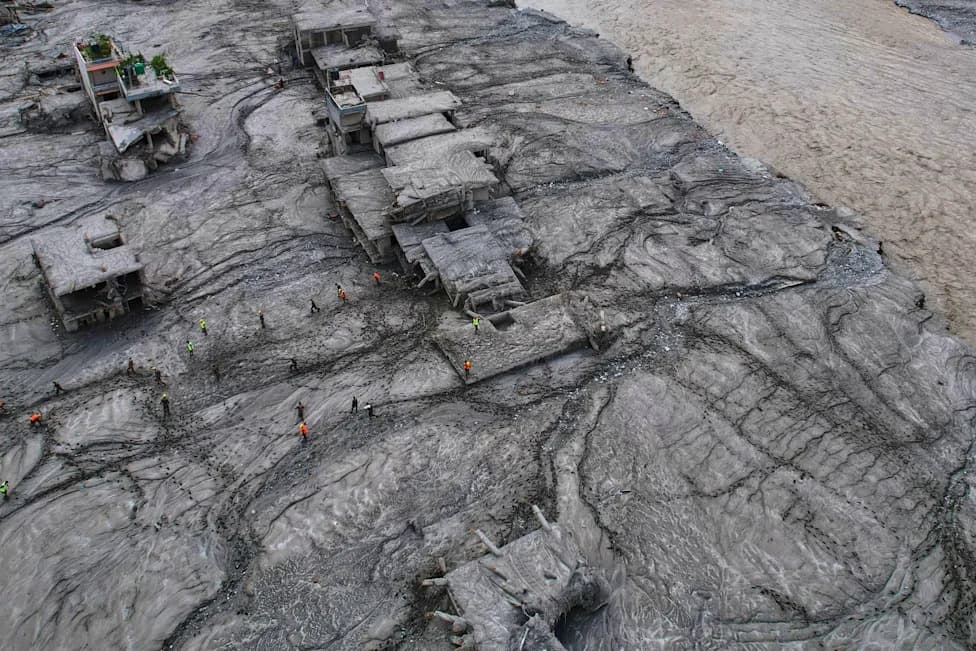
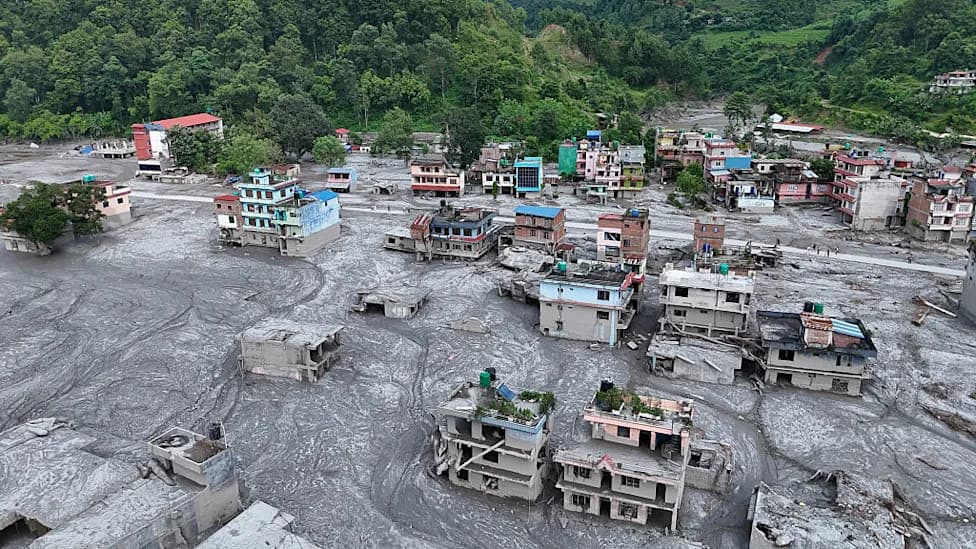
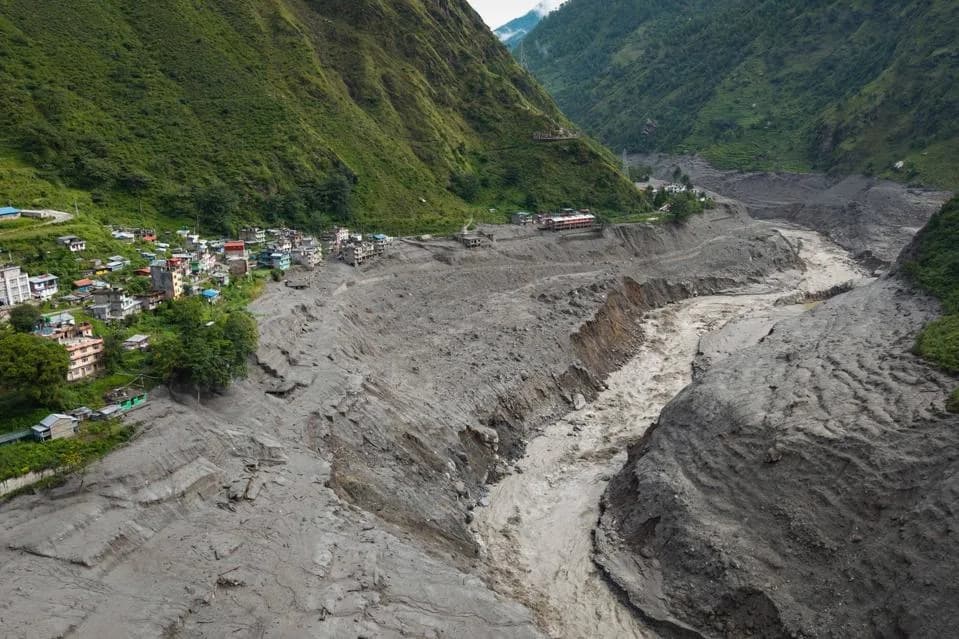
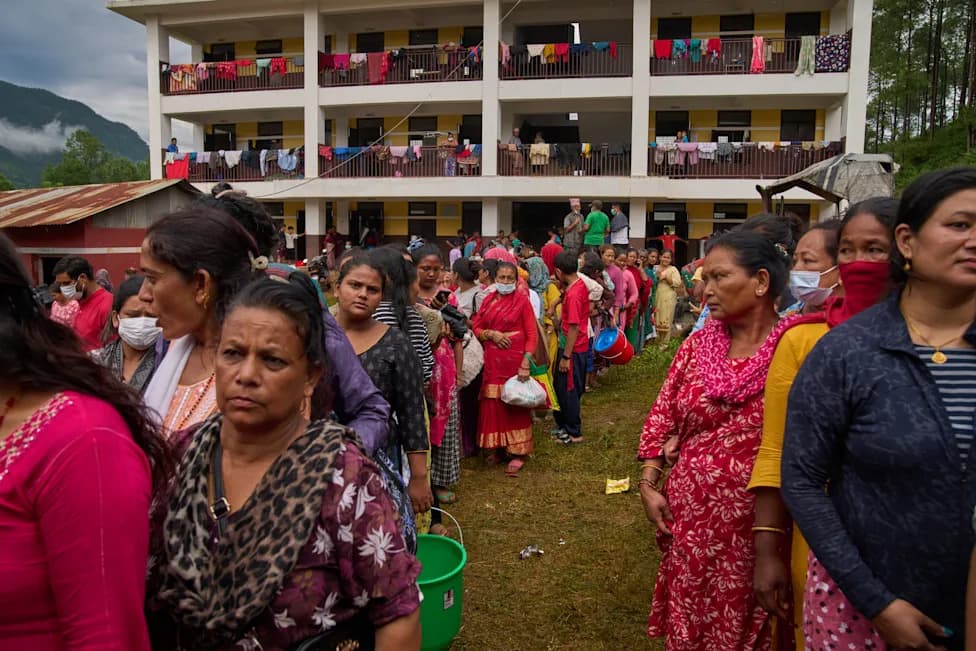
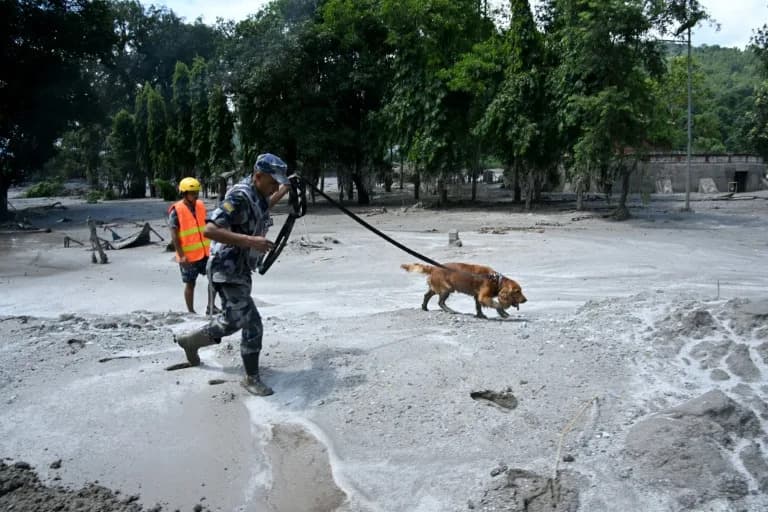
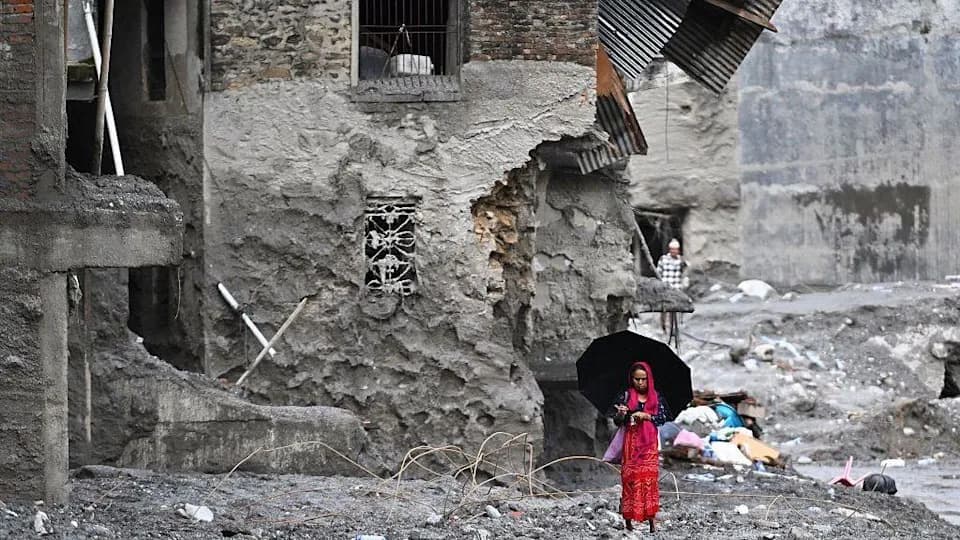
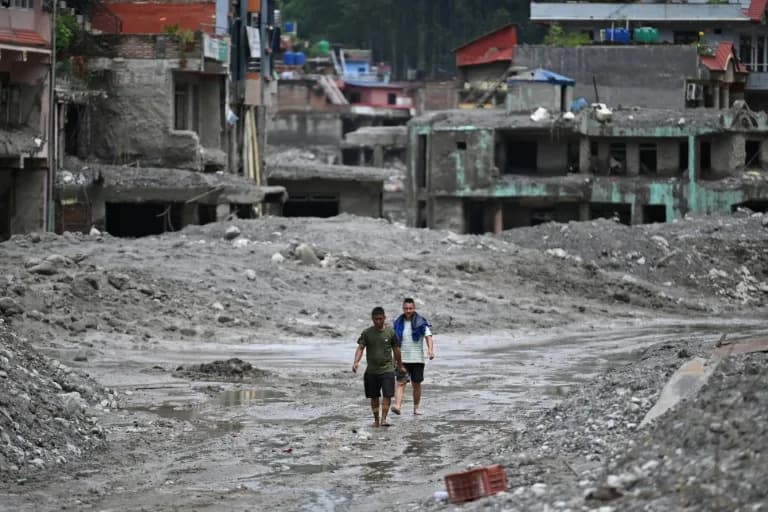
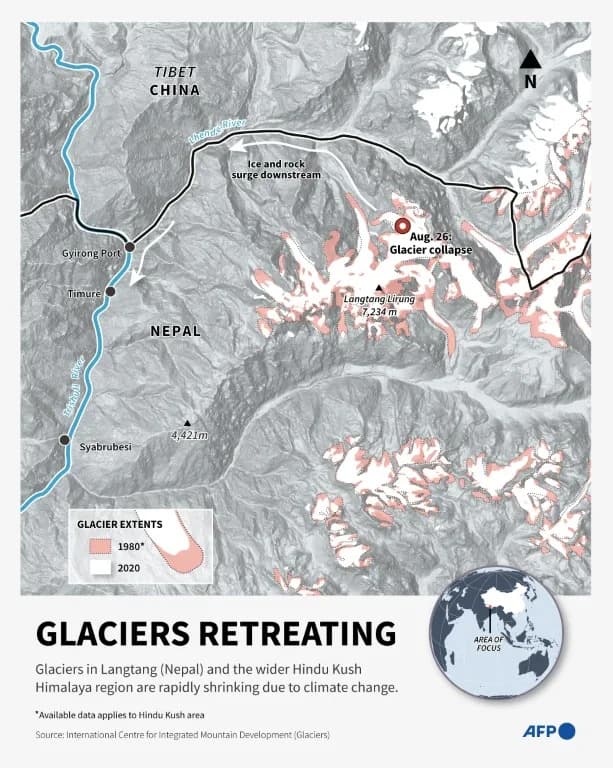
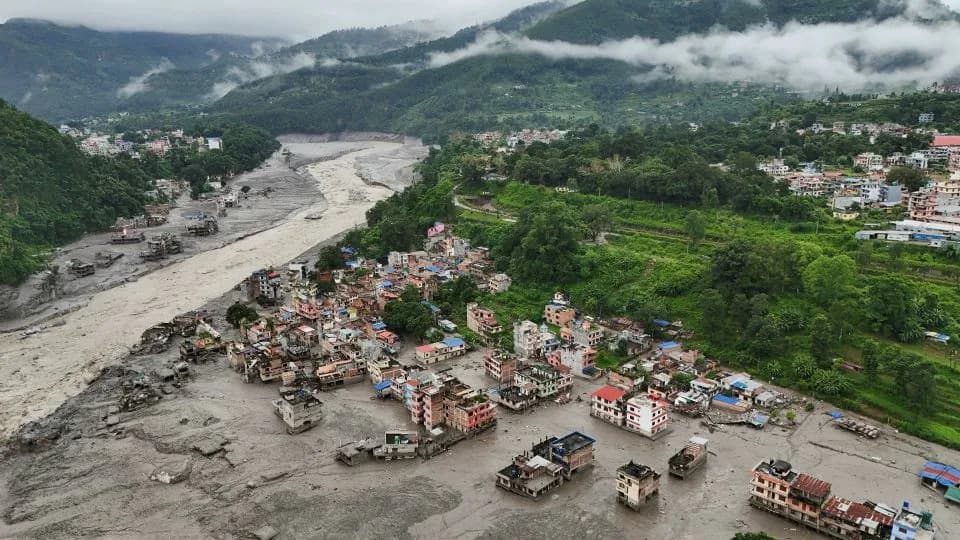
Nepal & Darjeeling (India): October cloudbursts and landslides killed at least 50 people. Although 2025 rainfall totals were not uniformly higher than 2024, ultra-localised, high-intensity downpours produced severe damage.
Mexico: Tropical storms in October inundated five states — Veracruz, Puebla, Hidalgo, Querétaro and San Luis Potosí — killing at least 66 people and damaging over 16,000 homes.
Pakistan: Torrential rains between June and August killed more than 700 people. High-intensity bursts destroyed communities in Buner, Gilgit-Baltistan, Karachi and other areas; about 500,000 people were evacuated in Punjab.
Afghanistan: A magnitude-6 earthquake on 31 August killed more than 1,400 people; response efforts were hampered by concurrent flash floods in Nangarhar province.
United States: From January to September 2025 the US recorded 7,074 flood events causing 242 deaths, an increase from previous years. In July flash floods along the Guadalupe River in Texas rose as high as 9 metres within hours and killed more than 100 people, including 25 girls and two counsellors at Camp Mystic.
Why 2025 Was So Destructive
Climate change amplified many events by increasing atmospheric moisture and supercharging extreme rainfall, contributing to heavier, shorter-duration downpours and more intense monsoons. In northern Pakistan, higher temperatures also accelerated glacial melt, raising the risk of glacial lake outburst floods (GLOFs).
Human factors magnified harm: rapid urbanisation, encroachment on floodplains, weak drainage, deforestation and poorly maintained river infrastructure turned intense rainfall into catastrophic flooding. In many places, infrastructure designed for historical flood frequencies — 100- or 500-year events — is now inadequate as climate patterns shift.
“A collision of intense meteorological events and long-term human decisions,” said Pawan Bhattarai, summarising how cloudbursts and stalled rain systems overwhelmed urban drainage while development removed natural flood buffers.
What Experts Recommend
Experts emphasise a mix of actions tailored to local contexts:
- Give rivers room: restore and protect floodplains rather than confining channels that later fail.
- Update engineering standards and design baselines to reflect a warmer, wetter climate.
- Invest in early-warning systems and fast, community-focused alert and evacuation plans.
- Prioritise watershed management, slope stabilisation and nature-based solutions to reduce runoff.
- Target vulnerable populations with tailored protections and resilient rebuilding programs.
- Prioritise investments where limited funds will reduce the greatest risk, balancing structural (levees, drains) and non-structural (relocation, land-use policy) measures.
Conclusion
2025’s floods were not caused by a single factor but by overlapping drivers: climate change, extreme weather patterns and decades of human choices that left communities exposed. Policymakers face urgent choices: rework infrastructure standards, restore natural buffers, expand early warnings and make community resilience central to recovery. Without concerted action, much of the same devastation could recur in 2026.
Notable Sources and Experts Cited: Pawan Bhattarai (Tribhuvan University), Nasir Gharaibeh (Texas A&M), Daanish Mustafa (King’s College London), Ayyoob Sharifi (Hiroshima University), Abdullah Ansari (Sultan Qaboos University), Al Jazeera reporting and national disaster agencies.
Help us improve.