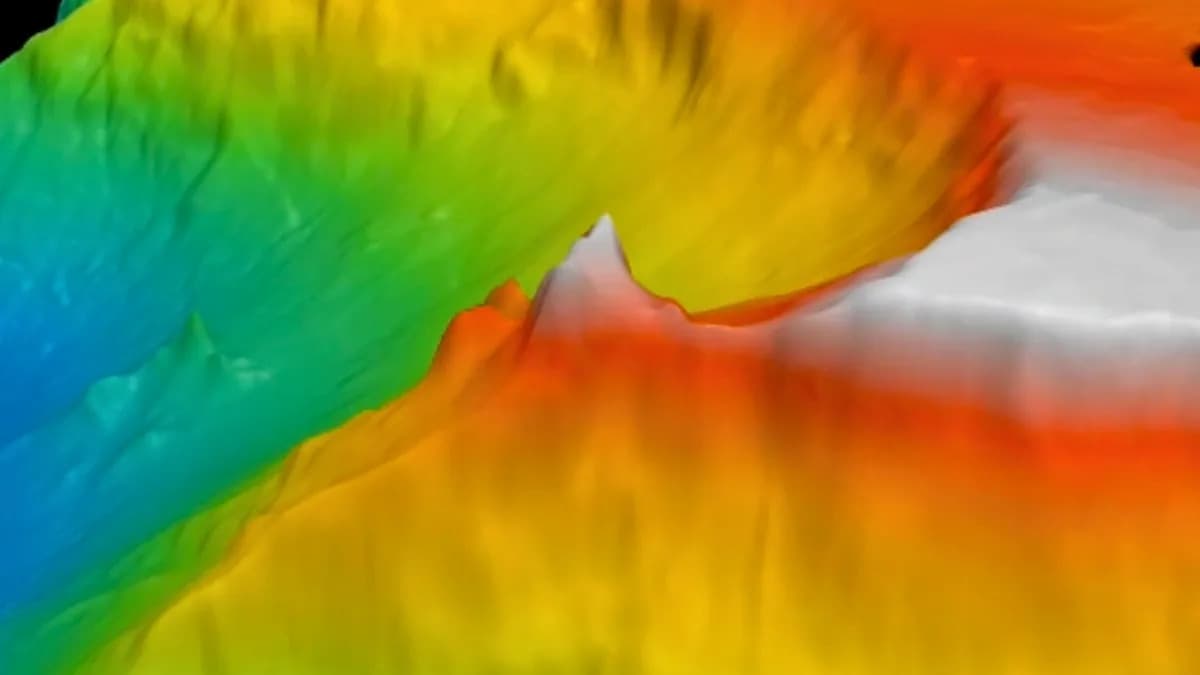
In 2025 scientists reported 15 notable discoveries across archaeology, paleontology, biology and virology. Highlights include a 2,700-year-old Greek tomb with an upside-down bronze crown, a Lower Eocene gecko preserved in Baltic amber, and a hidden 12,000-square-mile landscape beneath Antarctic ice. Other key finds include new deep-sea snailfish, hundreds of novel soil bacteria with antibiotic potential, bat viruses related to Nipah and Hendra, and a rare Roman-period vessel off Alexandria.
15 Breakthrough Discoveries of 2025: From Upside-Down Crowns to Hidden Antarctic Landscapes

Researchers across archaeology, paleontology, biology and virology reported a string of striking discoveries in 2025 that deepen — and sometimes challenge — our understanding of Earth’s past and present. Below are 15 of the most notable finds from the year, summarized with dates, locations and their scientific significance.
Highlights From 2025
1. 2,700-Year-Old Greek Tomb With Upside-Down Bronze Crown (Late November 2025)
Archaeologists uncovered a 2,700-year-old burial of a woman in Greece whose bronze crown had been placed upside down on her head — a possible rare symbolic funerary gesture. The grave contained jewelry, beads, copper earrings, amulets and a bronze pin. The find sheds light on Archaic-period power structures, ritual practice and social upheaval.
2. Exceptionally Preserved Gecko in Baltic Amber (Lower Eocene)
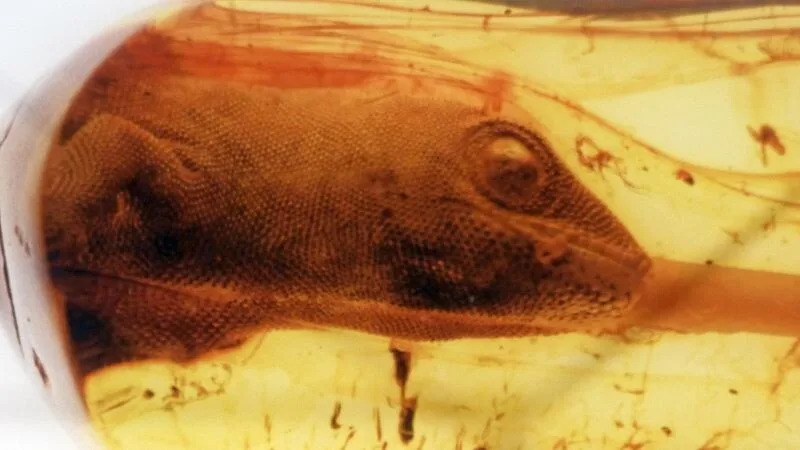
A remarkably intact gecko trapped in Baltic amber recovered in Russia represents the first specimen of its species. Its primitive digits indicate that climbing adaptations in geckos evolved very early, improving our picture of reptile evolution in the Paleogene.

3. Hidden 12,000-Square-Mile Antarctic Landscape Revealed
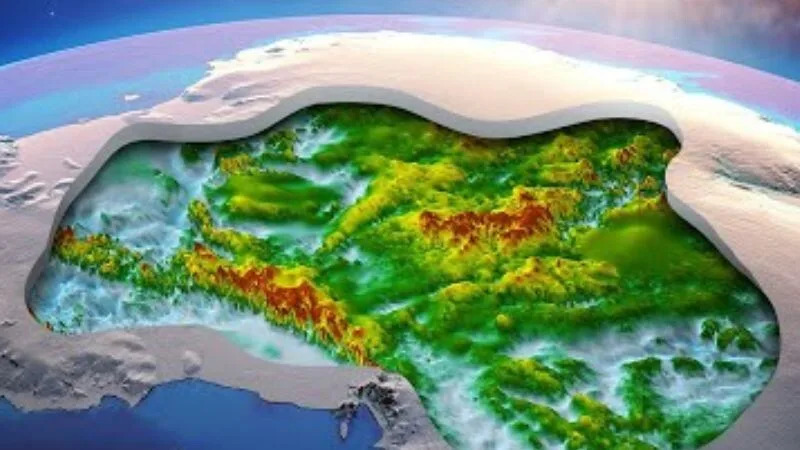
Using satellite data and ice-penetrating radar, scientists identified an extensive 12,000-square-mile landscape of valleys and ridges beneath nearly a mile of Antarctic ice. This terrain has been dark for over 34 million years and may once have hosted rivers, forests or other habitats — offering a rare window into Antarctica’s ancient environments.
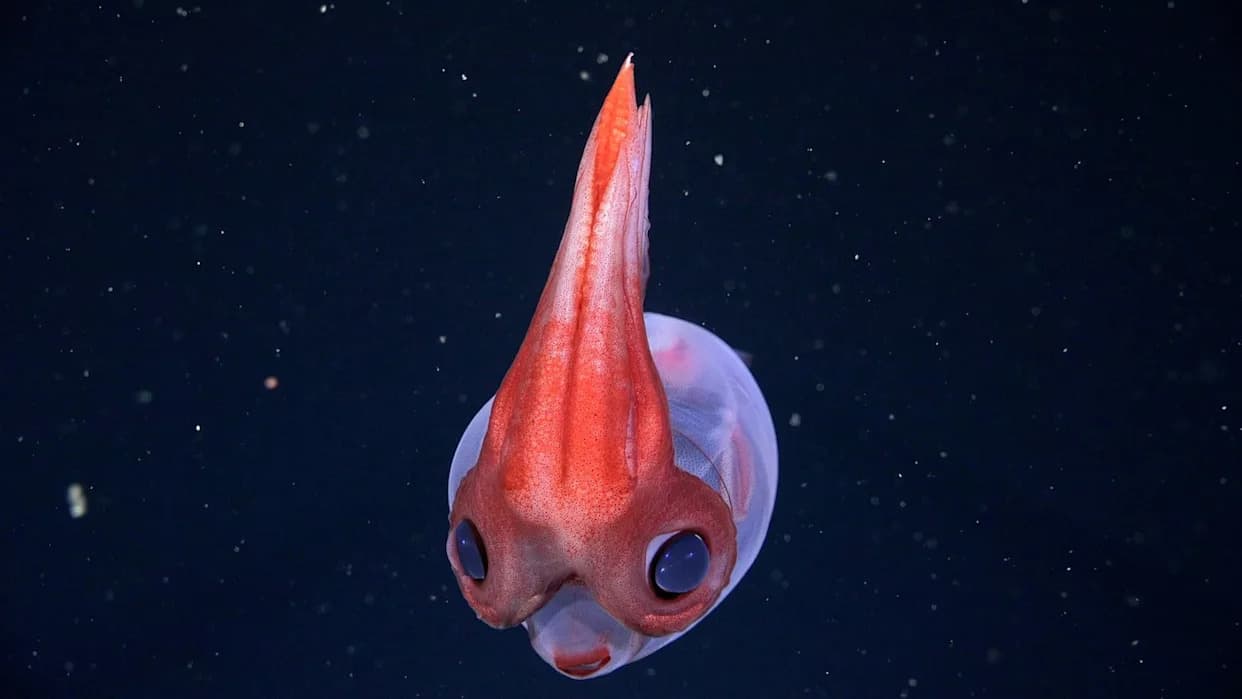
4. Three New Deep-Sea Snailfish Species (September 26, 2025)
Researchers described three previously unknown deep-sea snailfish species, including a visually striking “pink bumpy snailfish” found thousands of meters below the Pacific surface. These discoveries expand our knowledge of biodiversity in the hadal and abyssal zones.
5. Hundreds Of Unknown Bacteria From One Forest Soil Sample
Analysis of a single forest soil sample yielded hundreds of previously unknown bacterial strains, several of which show potential to become new antibiotics. With global antibiotic resistance rising, soil microbiomes remain a crucial and largely untapped source of medicinal compounds.
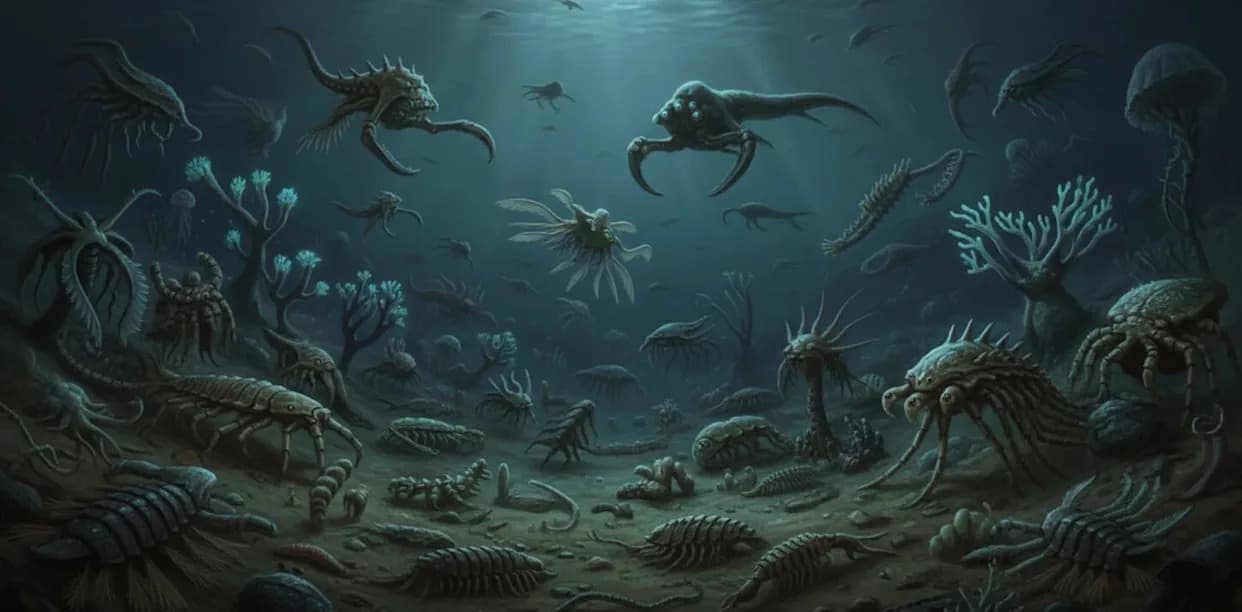
6. Early Reef Formation Driven By Small Shelly Fauna (June 12, 2025)
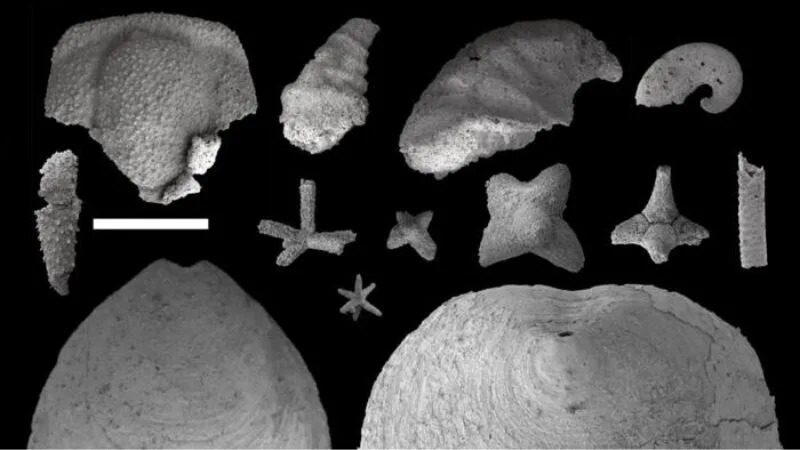
Paleontologists presented new evidence that tiny, fossilized animals known as "small shelly fauna" helped build some of Earth’s earliest reef-like ecosystems more than 514 million years ago, illuminating early steps in ecosystem engineering and habitat formation.
7. Long-Distance Movement Documented In North Atlantic Right Whale (Nov 19, 2025)
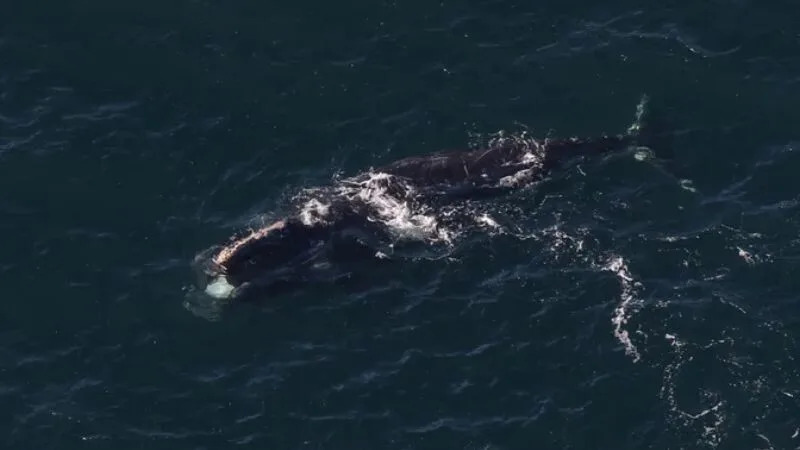
A North Atlantic right whale photographed off Boston on November 19, 2025, had been previously recorded in Donegal Bay, Ireland, in July 2024 — an approximately 3,000-mile journey. In a species with fewer than 400 individuals, this movement provides valuable insight for migration studies and conservation planning.

8. New Trapdoor Spider Species Discovered At UC Davis
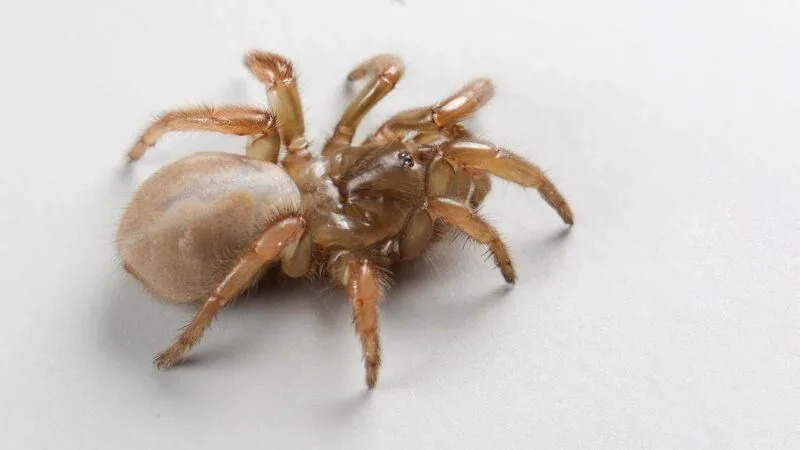
Researchers at the University of California, Davis, described a new trapdoor spider species, Aptostichus ramirezae, living beneath California dunes. Its venom is not lethal to humans, though a bite is reported to be roughly as painful as a wasp or bee sting.
9. Dinosaur Bioprovinces Persisted Until the End of the Cretaceous
A study of New Mexico fossils suggests distinct regional dinosaur communities, or “bioprovinces,” persisted until the end-Cretaceous extinction event. The results support a sudden extinction scenario tied to the asteroid impact rather than a long-term, global decline.
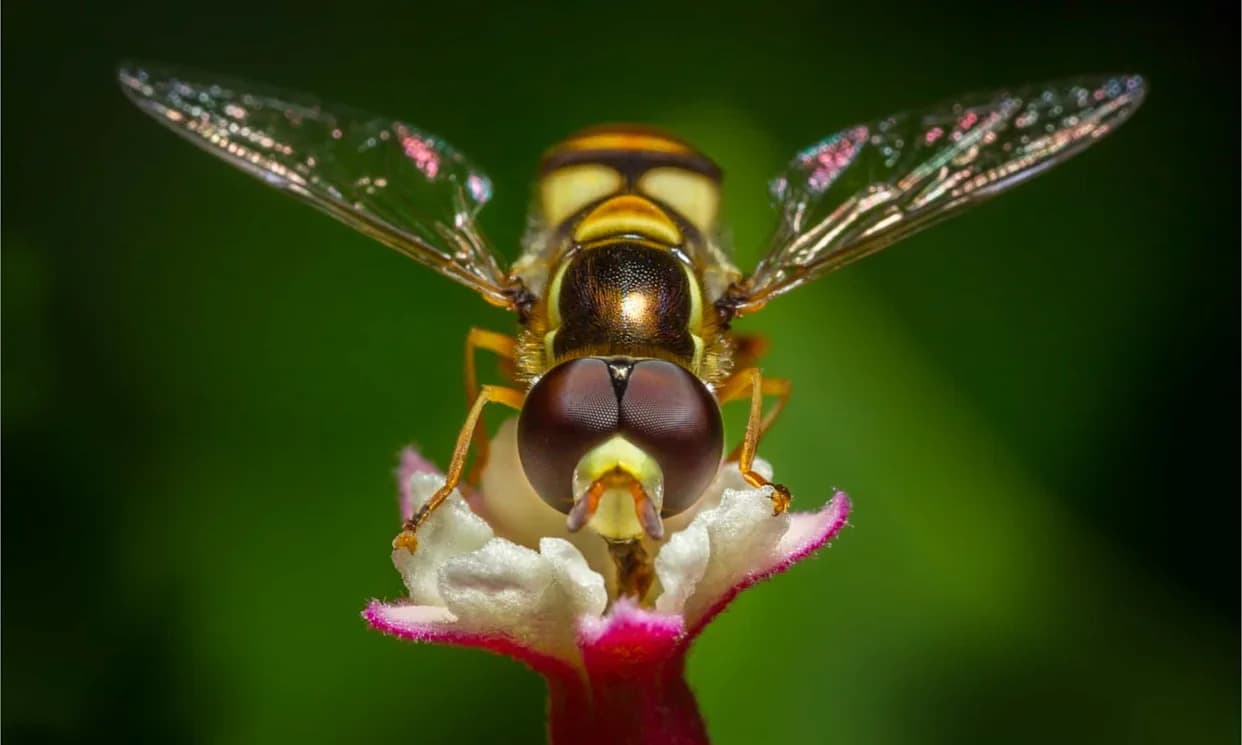
10. Invasive Wasp Species Threaten Native Gall Wasps
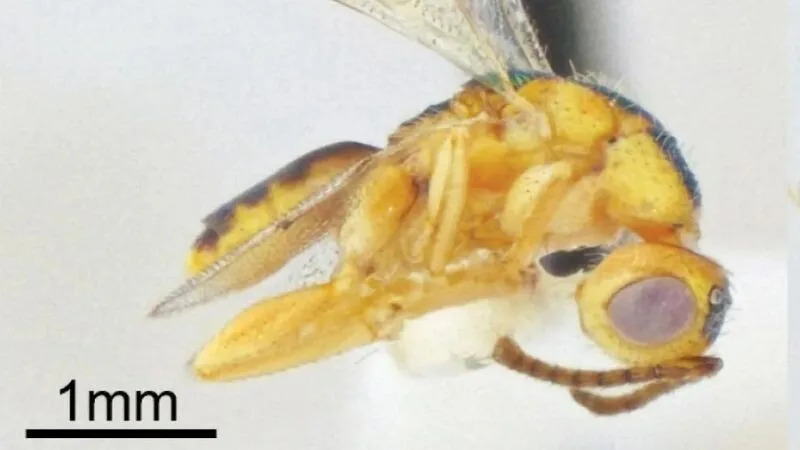
Two species of Bootanomyia dorsalis, introduced from Europe, have established populations in North America and are devastating native gall wasps. The spread of these invaders is disrupting local ecological balances and threatens associated species.
11. New Bat Viruses Related to Nipah and Hendra (June 25, 2025)
Virologists discovered previously unknown viruses in bats inhabiting orchards in southwestern China. Two of the viruses are closely related to Nipah and Hendra — viruses known to cause severe encephalitis and respiratory illness in humans — underscoring the importance of surveillance at wildlife–human interfaces.
12. 151-Million-Year-Old Fly Suggests Southern Origins For Freshwater Insects
The fossil fly Telmatomyia talbragarica, found in Australia and dated to about 151 million years ago, exhibits freshwater adaptations. This supports the idea that some freshwater insect lineages may have originated in the Southern Hemisphere.
13. Submerged 35-Meter Roman-Period Vessel Off Alexandria
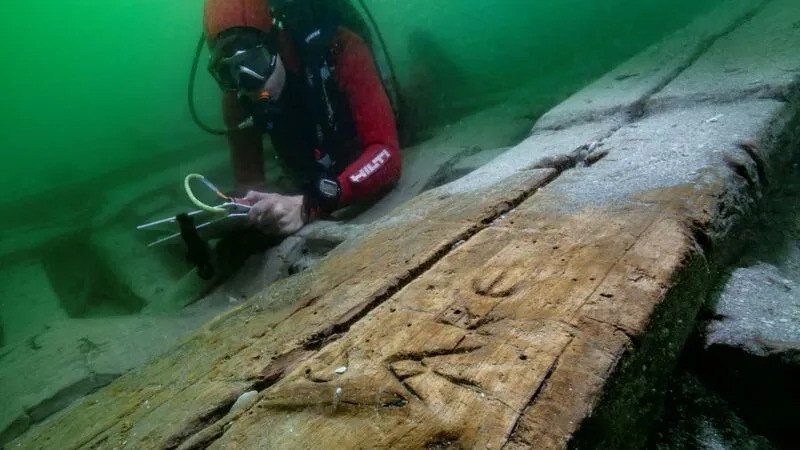
Archaeologists located a 35-meter-long vessel submerged off Alexandria featuring a central pavilion and likely requiring over 20 rowers. Dated to the 1st century AD, the ship offers rare insights into luxury, ritual and ceremonial maritime culture in Roman-period Egypt.
14. Richest Nomadic-Era Ritual Deposit Found In Southern Urals (Summer 2025)
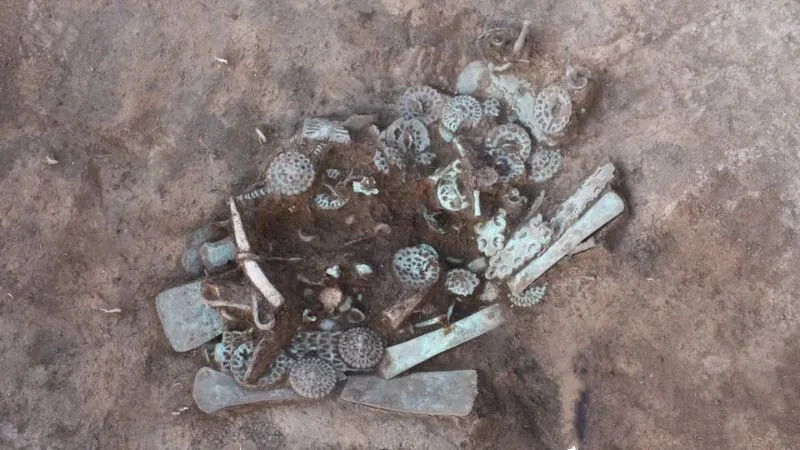
Excavations in the southern Ural Mountains uncovered an exceptionally rich deposit of nomadic-era funerary and ritual material dated to the 4th–3rd centuries B.C. The hundreds of ornaments and artifacts illuminate burial rites, social practices and long-distance trade connections of ancient steppe societies.
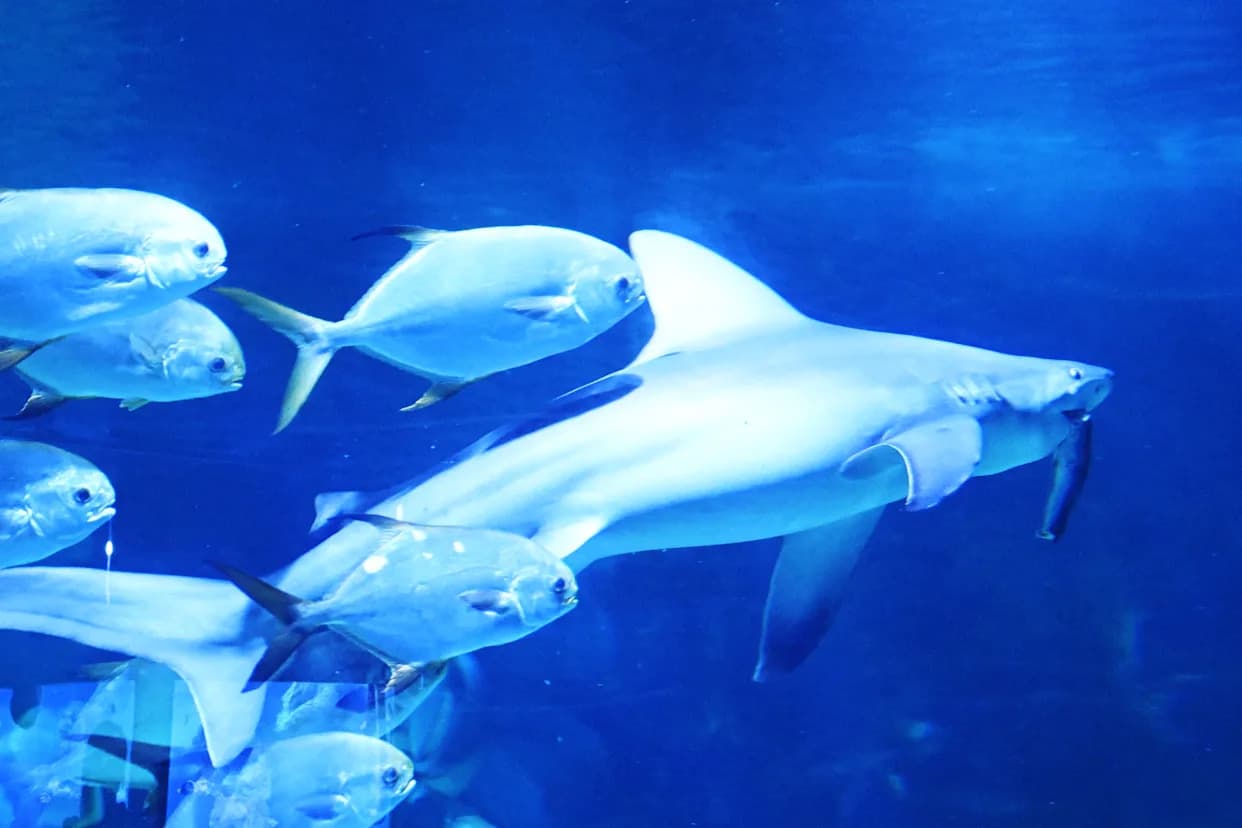
15. Mini Pocket Shark (Mollisquama Mississippiensis) Found In Gulf Of Mexico
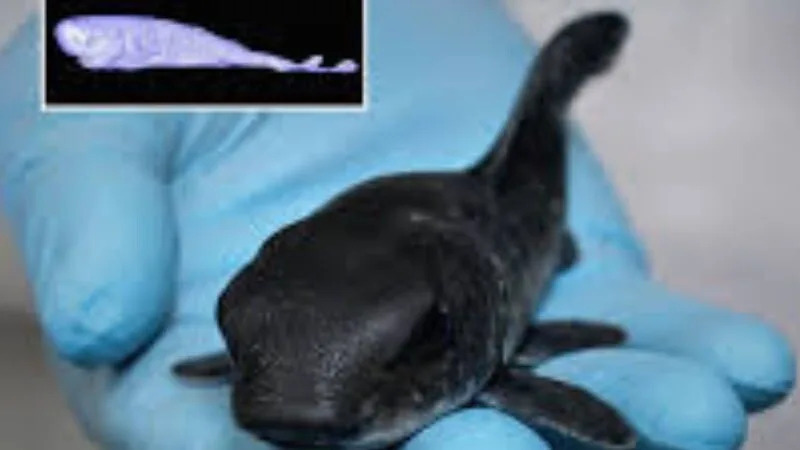
The Mini Pocket Shark, Mollisquama mississippiensis — only the second specimen ever recorded — was captured in the dark depths of the Gulf of Mexico. This 14 cm (5 in) predator appears to lure prey by mimicking dim sunlight, highlighting the extraordinary adaptations of deep-sea life.
Why these discoveries matter: Together, these finds advance knowledge of evolution, ecology, migration and past human behavior, while also pointing to urgent conservation and public-health needs — from protecting endangered whales to monitoring viruses in wildlife and searching soil for new antibiotics.
Help us improve.