
Atmospheric carbon dioxide reached a record high in 2024, with the World Meteorological Organization reporting the largest single-year increase on record. UN analyses now suggest limiting warming to 1.5°C is unlikely without immediate, large-scale emissions cuts. Experts warn this raises the risk of more intense fires, droughts, storms and sea-level rise. Despite some impacts being unavoidable, rapid mitigation and international cooperation can still reduce future damage.
Global CO2 Hits Record High in 2024 — Scientists Warn of More Severe Climate Disasters

Nearly a decade after the Paris Agreement, global carbon dioxide concentrations set a new record in 2024, and scientists warn the world may face more intense fires, droughts, storms and rising seas if emissions continue unchecked.
What the data shows
According to the World Meteorological Organization (WMO), atmospheric CO2 reached its highest level on record in 2024 and experienced the largest single-year increase measured to date. Data for 2025 will take several months to compile, but experts say recent trends are worrying.
What experts warn
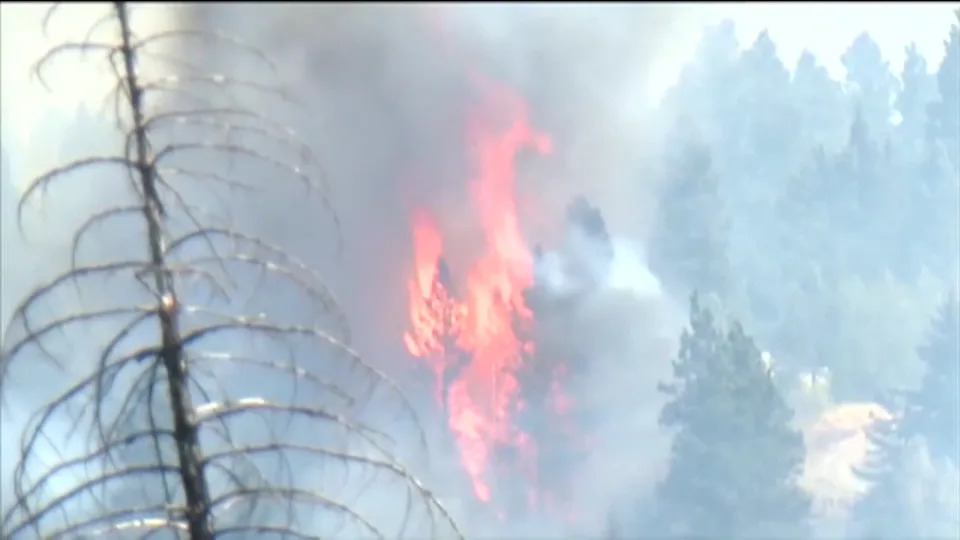
"Fires will be raging. Droughts will be happening. Tropical storms will be more intense and more frequent,"
Inger Andersen, Executive Director of the UN Environment Programme, used blunt language to describe the growing climate-driven hazards facing communities worldwide.
Scientists note that the planet had already warmed roughly 1.1°C above pre-industrial levels about a decade ago, and warned then that reaching 1.5°C would bring substantially worse impacts. Current United Nations analyses indicate that holding global warming to 1.5°C is now unlikely without unprecedented, immediate cuts in greenhouse gas emissions.
Practical consequences
"Every tenth of a degree counts… ocean heat waves and, you know, the destruction of coral reefs. It matters long-term when we think about sea-level rise,"
Adelle Thomas, who leads climate adaptation at the Natural Resources Defense Council, emphasized how even small additional warming can cause outsized and long-lasting impacts, such as coral loss and accelerated sea-level rise.
Political context
On the international stage, recent climate conferences have struggled to secure binding, enforceable commitments to curb fossil-fuel extraction and use, although some financial support for adaptation and resilience has been pledged to vulnerable countries. In the United States, federal policy over recent years has included rollbacks of certain environmental protections and reduced incentives for some clean-energy initiatives—political choices that critics say have slowed mitigation progress.
What comes next
Scientists stress that while some impacts are now unavoidable, aggressive mitigation and coordinated adaptation can still reduce future harm, protect vulnerable communities, and limit the most catastrophic outcomes. Rapid emissions cuts, investment in resilient infrastructure, and international cooperation remain essential to slow warming and reduce risks.
Source
This article is based on reporting by FOX 13 Political Editor Craig Patrick and data from the World Meteorological Organization.


