This week’s roundup highlights several notable developments: researchers synthesized a fungal compound with anti‑cancer potential for the first time in 55 years; DNA from 86 animal species was recovered from mosquito blood meals, showing mosquitoes can act as biodiversity samplers; and a golden shark was diagnosed with rare albino‑xanthochromism. Additional studies examine intermittent fasting, bacterial signaling in oral health, and a new filter that removes 99% of laundry microplastics.
This Week in Science: Fungal Anti‑Cancer Breakthrough, Mosquito DNA Reveals 86 Species, and a Golden Shark

(Sasithorn Phuapankasemsuk/iStock/Getty Images Plus)
This week’s science highlights include a long-awaited laboratory synthesis of a fungal compound with anti‑cancer potential, a biodiversity scoop from mosquito blood meals, the discovery of an unusually golden shark, and several other notable advances across health and environmental research.
(LWA/Getty Images)
Intermittent Fasting: Calories May Matter More Than Timing
A small clinical study compared several intermittent fasting patterns and found that some regimens produced little measurable benefit for metabolic or cardiovascular markers. The researchers suggest that overall calorie reduction — rather than the specific timing of eating windows — may be the primary factor driving improvements in internal health indicators. Larger and longer trials will be needed to confirm which approaches deliver durable benefits.
(NunDigital/Canva)
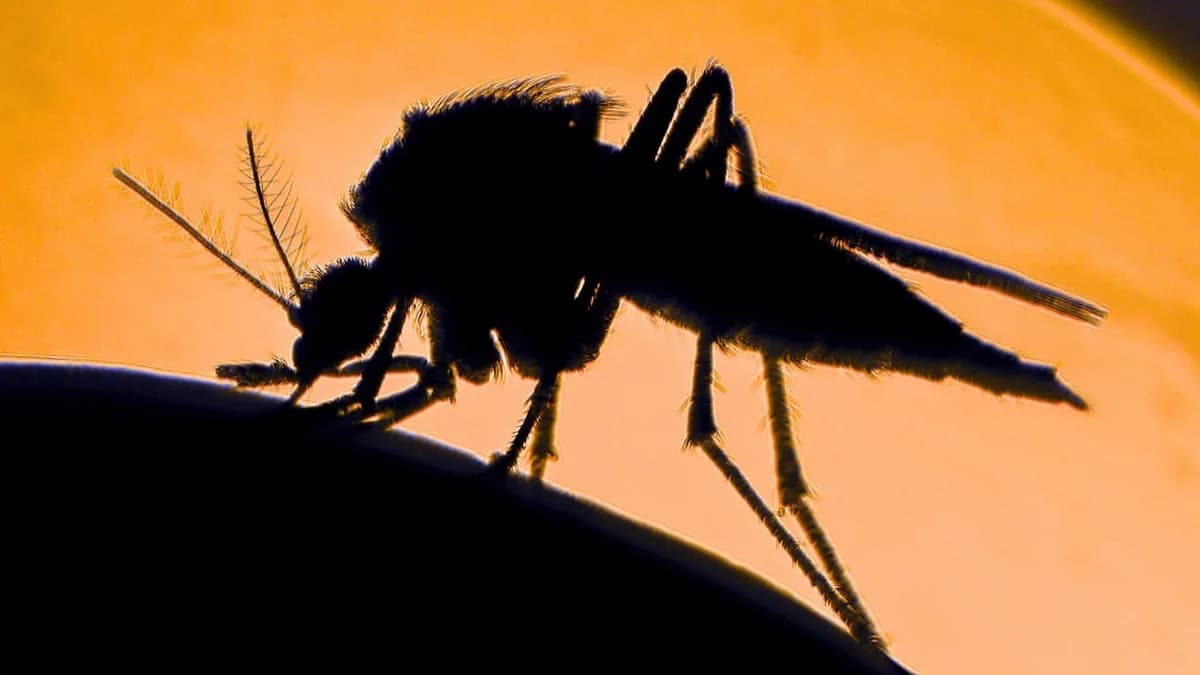
Mosquitoes as Biodiversity Samplers: DNA From 86 Species Found
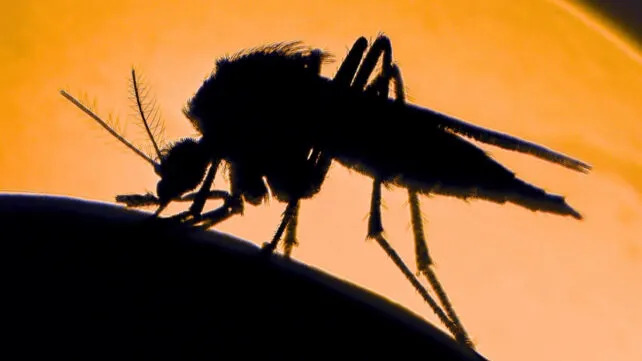
Scientists analyzed DNA in mosquito blood meals and identified genetic traces from 86 animal species, demonstrating that mosquitoes can serve as efficient, passive samplers of local wildlife. Led by biologist Sebastian Botero‑Cañola, the team also showed that sampling mosquitoes during their peak activity produced detection results comparable to direct wildlife surveys — suggesting a practical, less-invasive tool for biodiversity monitoring and disease surveillance.

Subscribe to ScienceAlert's free fact-checked newsletter
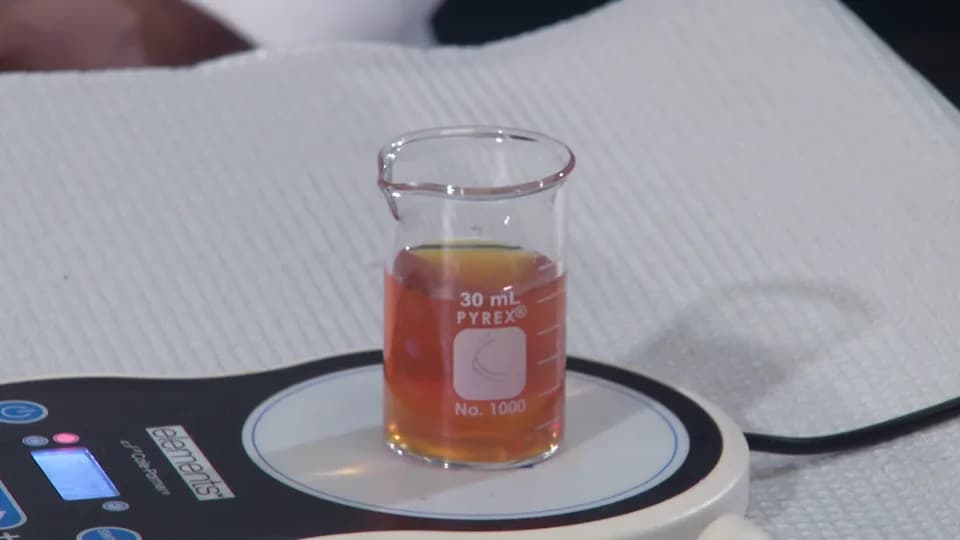
Long‑Sought Fungal Compound Synthesized After 55 Years
Researchers at MIT and Harvard report the laboratory synthesis of a fungal natural product that was first isolated 55 years ago and shows promise as an anti‑cancer agent. According to MIT chemist Mohammad Movassaghi, the advance not only provides access to the original molecule but also enables production of designed variants for follow‑up studies, accelerating efforts to evaluate therapeutic potential and optimize potency.
(Parismina Domus Day/Facebook)
Golden Shark Diagnosed With Rare Pigment Condition
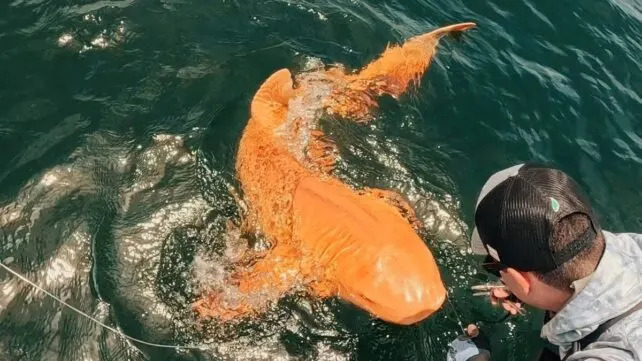
A strikingly golden shark spotted in 2024 has been diagnosed with albino‑xanthochromism, a rare pigment condition that produces unusually pale and yellowish coloration. Researchers asked whether the individual represents an isolated anomaly, an emerging genetic trend in the regional population, an environmental effect in Costa Rica’s northern Caribbean, or simply natural genetic variation within the species.
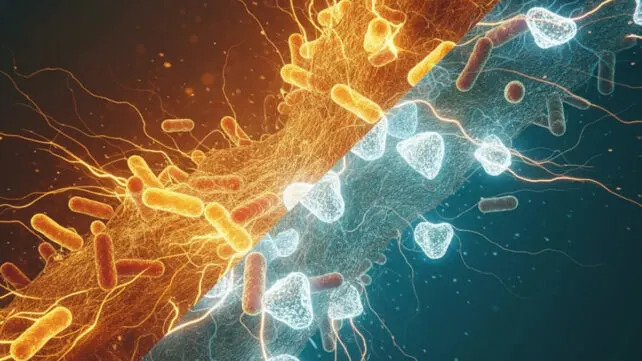
Computer-rendered split image of bacteria on a tooth surface. (University of Minnesota)
Oral Health: Disrupting Bacterial Communication
A study suggests that 'hacking' the chemical signals bacteria use to communicate could reduce the risk of gum disease and tooth decay. University of Minnesota biochemist Mikael Elias notes that interfering with bacterial signaling could steer dental plaque communities back to a health‑associated state rather than one that promotes disease.
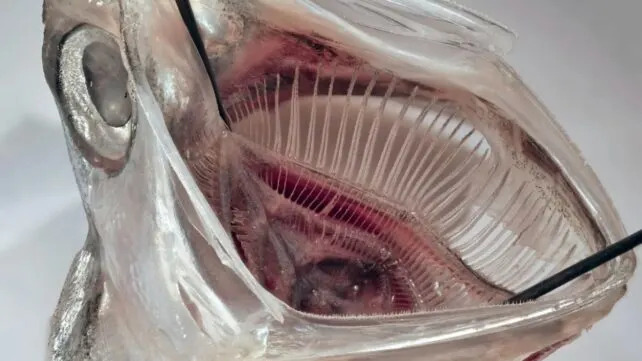
The mouth of an anchovy, where plankton particles are captured by the 'gill arch system'. (Jens Hamann)
Microplastics Filter Inspired by Filter‑Feeding Fish
German researchers developed a laundry wastewater filter inspired by filter‑feeding fish that removes about 99% of microplastic particles. Captured particles are routed into a removable compartment — similar to a dryer lint trap — that can be emptied after several dozen washes, offering a practical way to reduce microplastic pollution from household laundry.
Also this week: science roundups covered Alzheimer’s research progress, solutions to an ancient tapestry mystery, experiments with garlic mouthwash, studies on relativistic effects during storms, and observations of near‑Earth passes and black hole behavior.
Read the full stories for details and source citations.
Help us improve.