
Bird declines frequently precede broader ecosystem collapse, making avian monitoring a vital conservation tool. In 2024, 126 species were listed as "lost to science," with more additions in 2025, and tropical birds now face roughly 10× more extreme-heat days than six decades ago. Scientists warn that warming near 1.5 °C (≈2.7 °F) risks irreversible ecosystem damage. Urgent action — cutting emissions, protecting habitats and reducing pollutants — is required to halt further losses.
Birds Vanish First: How Avian Declines Signal Imminent Ecosystem Collapse
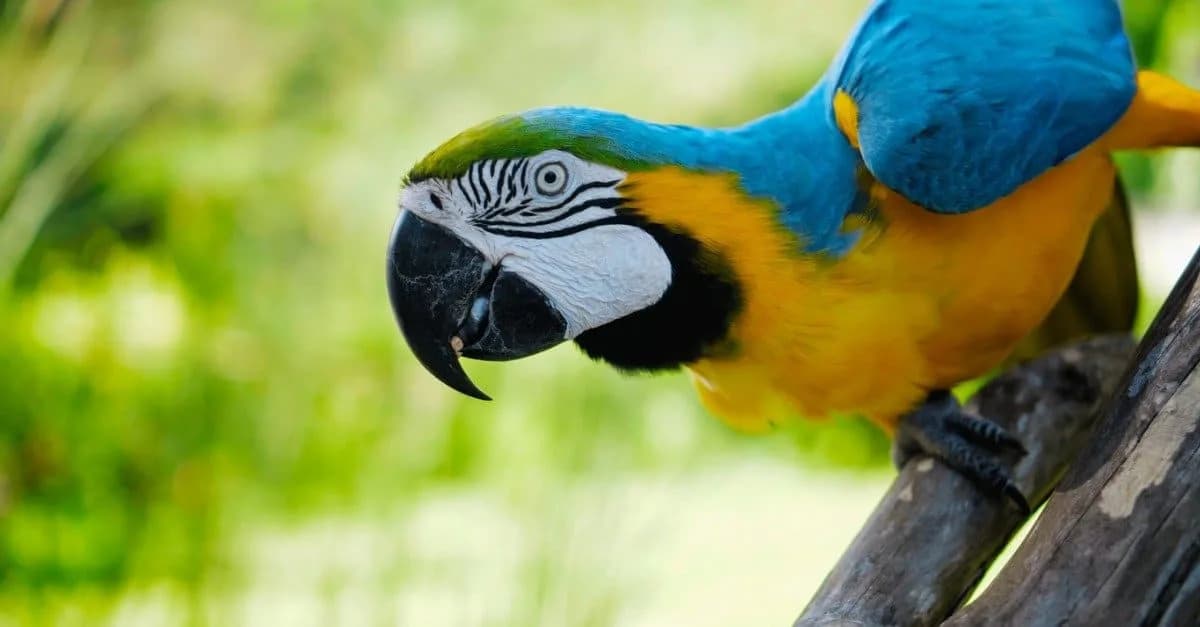
Largest Parrots - Blue-Throated Macaw© iStock.com/Nikolai Grigorev
Bird declines are often the earliest, most reliable warning that an ecosystem is failing. In recent years scientists have watched bird populations fall in many regions, with early losses foreshadowing broader ecological breakdowns that affect water, soil, plants and people.
Why birds are such sensitive indicators
Birds respond quickly to subtle changes in climate, pollution and habitat condition because many species depend on precise timing and specific locations for migration, breeding and feeding. Even small disruptions — a shift in insect emergence, the loss of a wetland or a spike in toxins — can cause measurable drops in reproduction and survival.

Earth's earliest warning system is screaming: 126 species gone, global ecosystems pushed to critical. What these vanishing birds reveal about our planet's future demands immediate action.© A-Z Animals
Historical example: Miners once used canaries in coal mines to detect toxic gases. Today, scientists use bird population trends in a similar way to detect ecological stress across landscapes.
How researchers track bird health
Scientists combine long-term and large-scale monitoring programs to build a detailed picture of avian—and therefore ecosystem—health:
- Nest monitoring: Counting eggs, hatch rates and fledgling survival to assess reproductive success.
- Christmas Bird Count (CBC): Volunteer winter surveys that show how many individuals return to seasonal habitats.
- Migration monitoring: GPS tags, banding and radar track survival and completion of migratory journeys.
- Breeding Bird Survey (BBS): Seasonal counts of species numbers and distributions to reveal population trends.
When multiple indicators — fewer birds observed, fewer eggs laid, lower fledgling survival — move downward, that signals rising ecological stress even before other signs become obvious to people.

When bird health takes a turn, it is an indicator that something is amiss within the ecosystem.©Bachkova Natalia/Shutterstock.com
Key threats driving declines
Birds are sensitive to a wide range of pressures that often act together:
- Climate change: Extreme heat, shifting seasons and altered weather patterns can disrupt migration and breeding and increase mortality.
- Pollutants: Microplastics, pesticides, heavy metals (e.g., lead) and oil spills poison individuals and degrade habitats.
- Habitat loss and fragmentation: Wetland drainage, deforestation and land conversion reduce breeding and feeding sites and genetic diversity.
- Noise and light pollution: Interfere with communication, mating and navigation, especially during migration.
- Diseases: West Nile virus, avian influenza and parasitic infections can cause localized die-offs and longer-term declines.
The tropical crisis and the heat signal
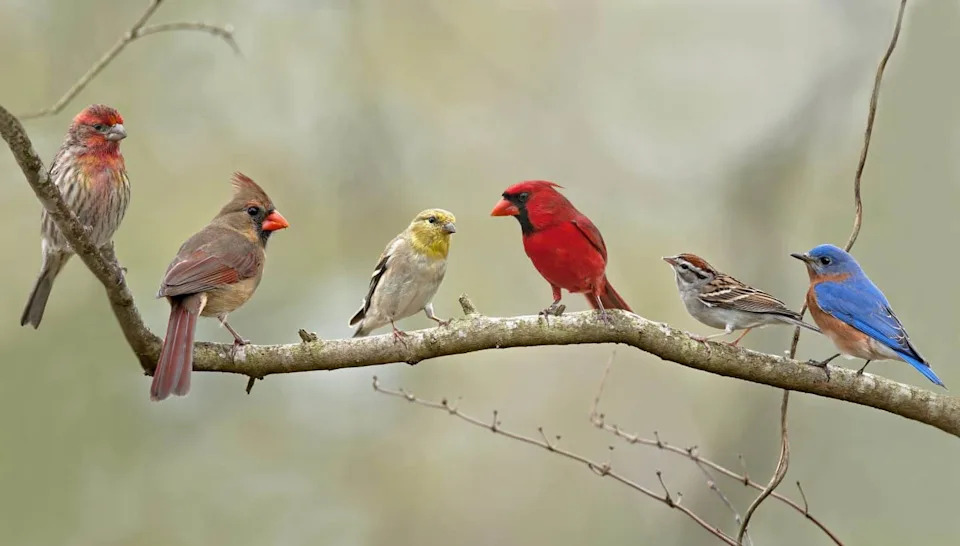
When there is bird biodiversity, the ecosystem is healthy and thriving.©Bonnie Taylor Barry/Shutterstock.com
Already, tropical birds are among the most vulnerable. Many species in the tropics live close to their thermal limits, so rising temperatures quickly create fatal heat stress and reduce available habitat. A study published in Nature Ecology & Evolution (August 2025) reported that tropical birds now face roughly 10 times as many extreme-heat days as they did 60 years ago — a change linked to extinctions and rapid biodiversity loss.
In 2024, 126 bird species were classified as “lost to science” after not being seen for more than a decade, and more species were added to that list in 2025. Scientists warn that exceeding roughly 1.5 °C (≈2.7 °F) of global warming will push many ecosystems past points where recovery to historical states becomes unlikely.
What must be done
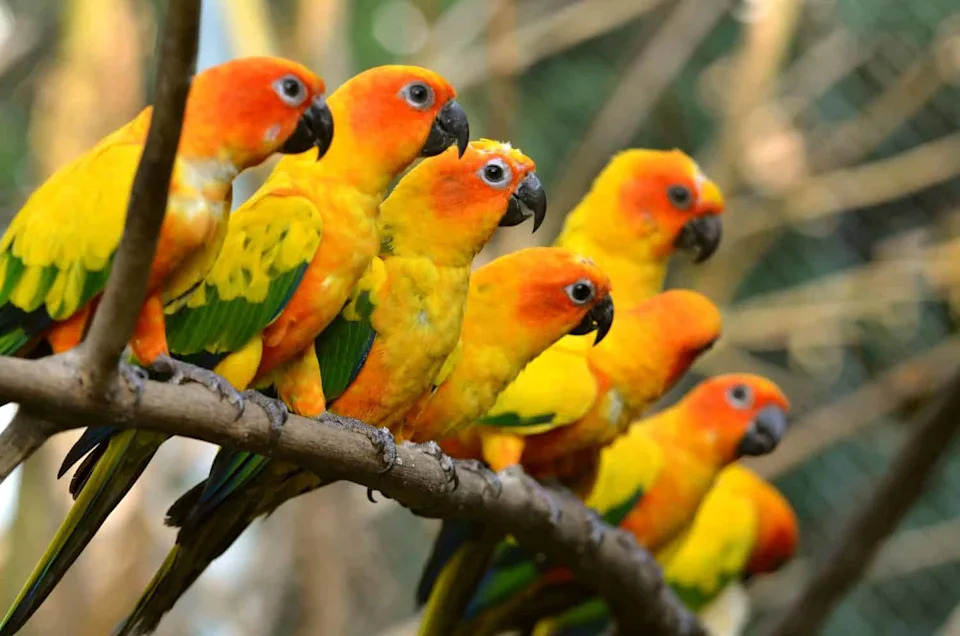
Birds living in the tropics are facing extinction at higher rates than other bird species due to rising global temperatures.©Anan Kaewkhammul/Shutterstock.com
Because birds act as sensitive barometers, their declines are a clear call to action. Effective responses include:
- Rapid, sustained reductions in greenhouse gas emissions to limit warming.
- Protection and restoration of key habitats (wetlands, forests, migratory stopovers).
- Stronger controls on pollutants, pesticides and plastic waste.
- Expanded, long-term monitoring programs and citizen-science participation to detect trends early.
Protecting birds is not just about saving charismatic species — it safeguards the ecosystem services they provide (pest control, pollination, seed dispersal and more) and buys time to stabilize ecosystems that humans depend on.
Conclusion
Bird declines are an urgent, measurable warning that ecosystems are under stress. Investing in monitoring, reducing emissions, and protecting habitats are essential steps to prevent cascading ecological collapse and preserve the planet’s biodiversity and life-support systems.
Help us improve.





















