A Nature Communications study finds a marked increase in global mosquito introductions since the 1950s, with 45 species introduced and 28 establishing populations in new regions. Shipping and travel are the main pathways, creating geographic hotspots that raise the risk of vector-borne disease. Warmer temperatures make more areas suitable for breeding, and Aedes-related diseases cost an estimated US$94.7 billion (1975–2020). Authorities recommend clothing, repellents, and eliminating standing water to reduce local risk.
Global Mosquito Invasion: Trade, Travel and a Warming Climate Are Driving Spread

Photo Credit: iStock
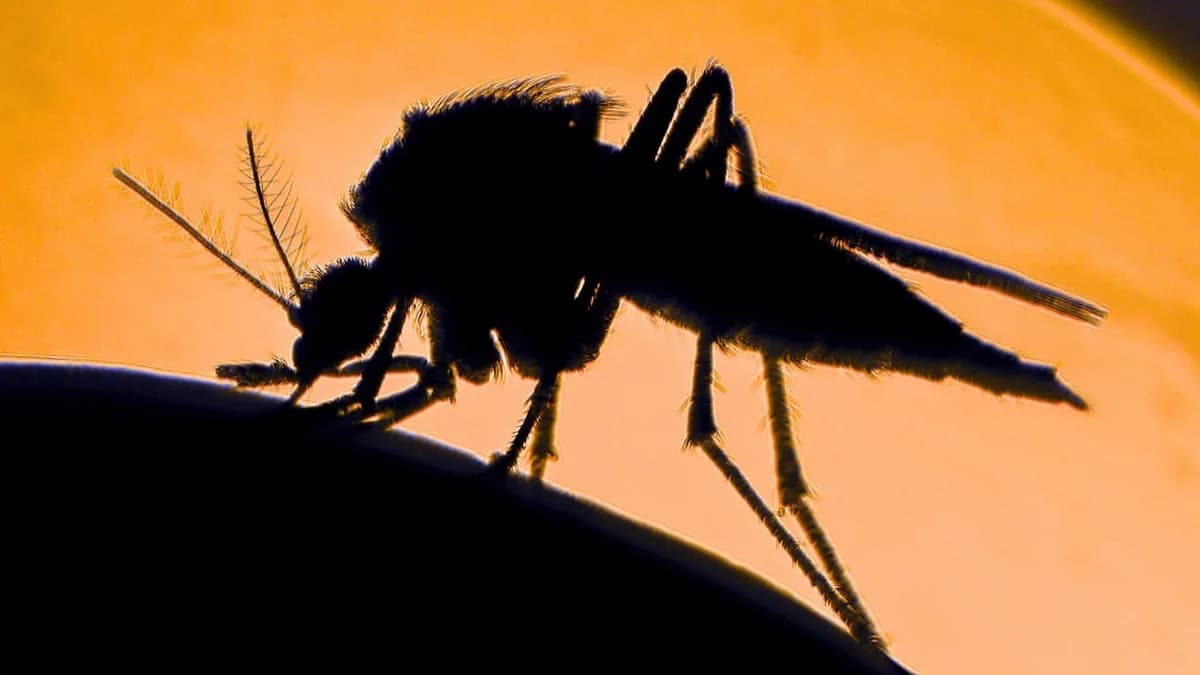
A major new study in Nature Communications warns that mosquitoes are increasingly spreading around the world by hitching rides on human transport and trade networks. Since the 1950s, researchers document a sharp rise in introductions of non-native mosquito species, creating new hotspots and raising the risk of vector-borne disease for many communities.
Key findings: The study reports that 45 mosquito species have been introduced globally since the 1950s, and 28 of those have established breeding populations in at least one region. Global shipping and trade—cargo ships, airplanes and other transport—are identified as the primary pathways for these introductions.
"However, somewhat surprisingly, a significant knowledge gap remains regarding the global invasion patterns and dynamics of disease vector mosquitoes."
Why This Matters
Introduced mosquitoes can colonize new areas and create geographic hotspots where disease risk grows. Several mosquito-borne illnesses highlighted by the study include West Nile virus, eastern equine encephalitis and La Crosse encephalitis. Infection severity ranges from mild or unnoticed symptoms to serious outcomes such as central nervous system damage or death, depending on the pathogen.
Health And Economic Impact
Rising incidence of vector-borne diseases increases pressure on public health systems and raises treatment costs. The paper quantifies one portion of that burden: "Reported costs to human societies of mosquitoes of the Genus Aedes, and the diseases caused by the arboviruses they transmit, rises to an aggregated value of US$94.7 billion (2022) accumulated over the period 1975–2020."
Climate And Spread
The authors point to multiple drivers, with warming global temperatures—caused by increased atmospheric greenhouse gases—creating more favorable breeding conditions for many mosquito species. Combined with global transport and trade, climate change increases the likelihood that mosquitoes and the diseases they carry will spread to new regions.
Practical Advice For The Public
Public health guidance remains straightforward and effective at the individual level:
- Wear long sleeves and long pants when mosquitoes are active.
- Use insect repellents labeled for mosquitoes (follow product instructions).
- Eliminate standing water around homes (for example, empty birdbaths, buckets, and clogged gutters) to reduce local breeding sites.
At the community level, monitoring of transport hubs, targeted vector surveillance, and international coordination on biosecurity and shipping practices can help reduce future introductions.
Bottom line: Global trade and travel are helping mosquitoes move into new regions, and a warmer climate makes those places more hospitable. Simple prevention steps plus coordinated public-health measures can reduce the risks while scientists and officials work to close knowledge gaps and limit further spread.
Help us improve.