Researchers re‑analyzed ancient genomic data and detected DNA fragments matching HPV16A in two prehistoric humans — Ötzi (5,300 years old) and Ust'-Ishim (~45,000 years old). The preprint on bioRxiv reports this as the earliest molecular evidence of oncogenic HPV16 in anatomically modern humans, though the work has not yet been peer reviewed. While the result suggests HPV16 circulated in humans well before major migrations out of Africa (~50,000–60,000 years ago), the small sample size prevents definitive conclusions about the virus's ultimate origin or any Neanderthal role.
Ancient DNA Shows Ötzi and a 45,000‑Year‑Old Siberian Man Carried Cancer‑Linked HPV16
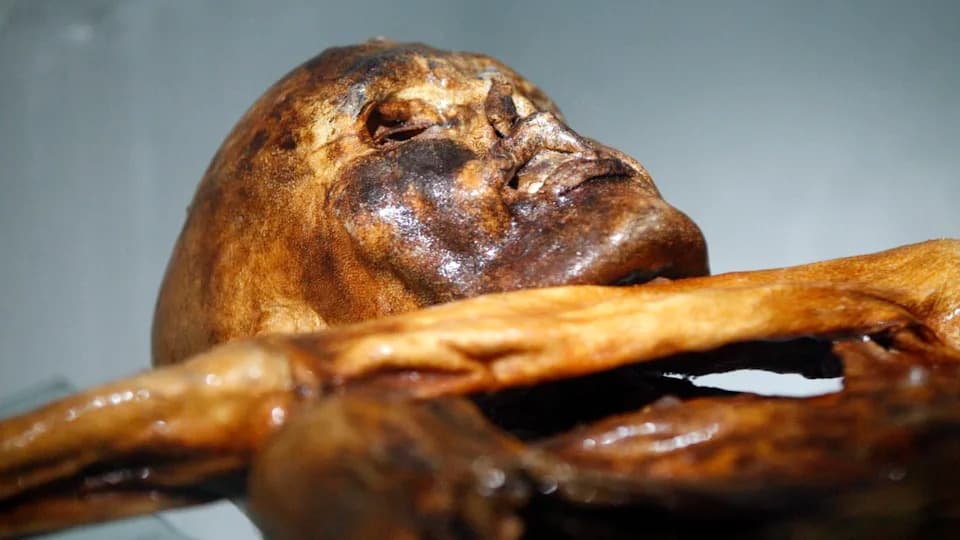
The mummy of Ötzi the Iceman, displayed at the Archaeological Museum of Bolzano, Italy, holds remnants of a cancer-causing strain of human papillomavirus (HPV). | Credit: Andrea Solero/AFP via Getty Images
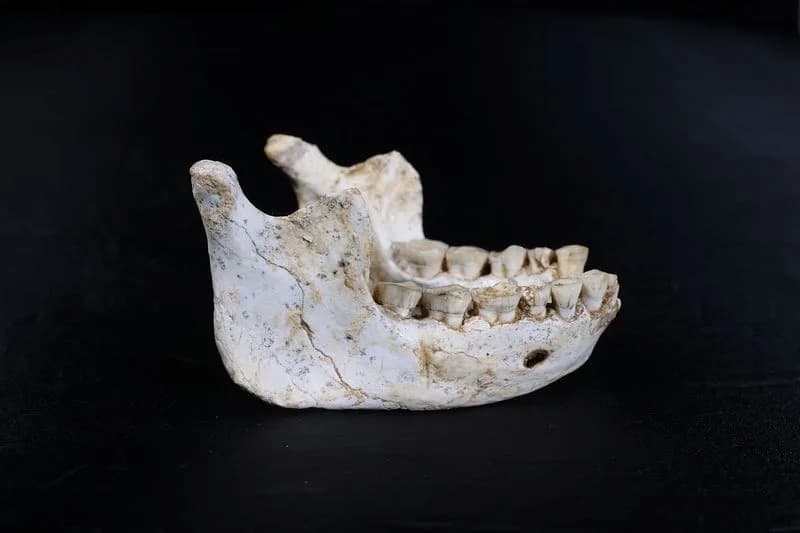
New analyses of ancient genomes indicate that two well‑known prehistoric humans — the 5,300‑year‑old Alpine mummy Ötzi and a roughly 45,000‑year‑old individual from western Siberia known as Ust'-Ishim — likely carried HPV16, a high‑risk human papillomavirus (HPV) type associated with several cancers. The finding comes from a preprint posted to bioRxiv on Dec. 16 and has not yet undergone peer review.
What the researchers did
Researchers re‑examined publicly available sequencing reads from the two individuals, chosen because they represent among the best‑preserved and most extensively characterized ancient human genomes. By searching those datasets for matches to known HPV genomes, the team identified multiple DNA fragments that align with HPV16, specifically a lineage classified as HPV16A.
Why this matters
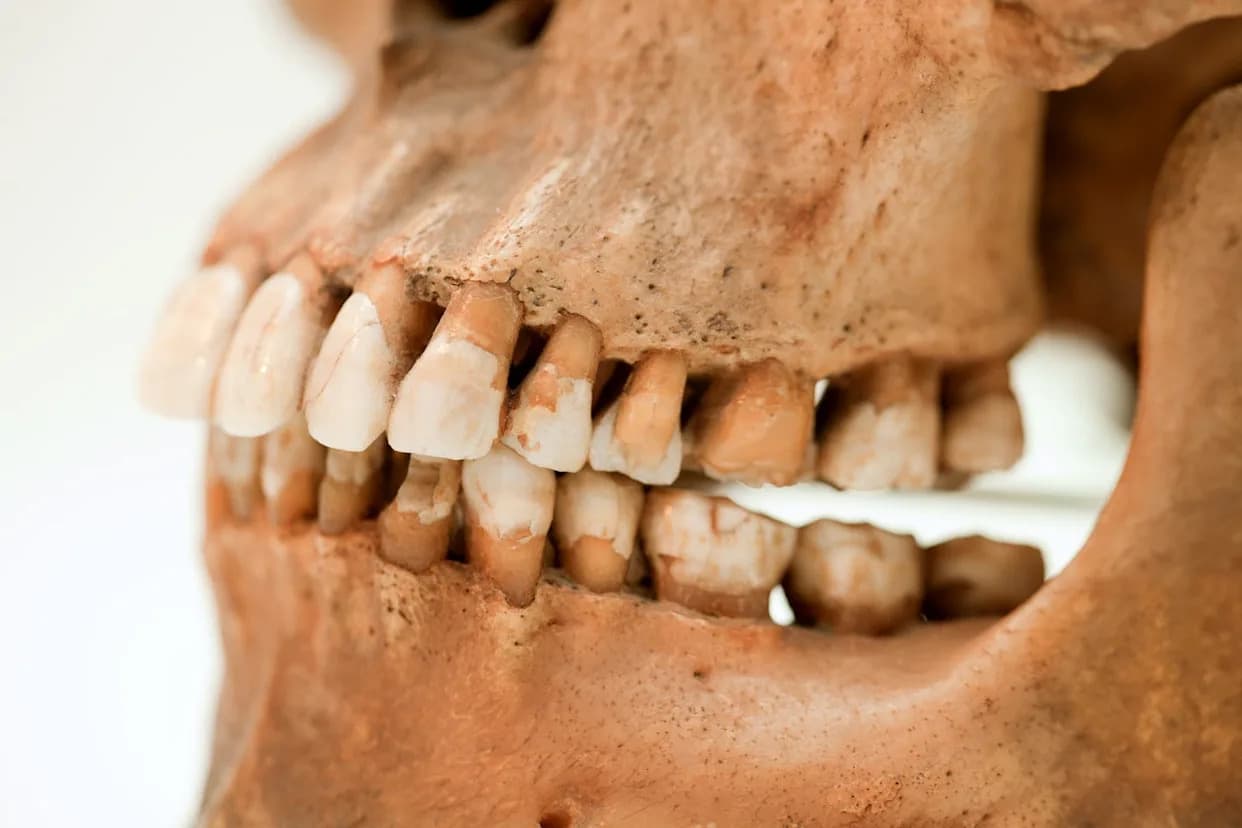
HPVs are a diverse family of viruses most commonly transmitted by direct skin‑to‑skin or sexual contact. Most infections are asymptomatic, but certain high‑risk types — including HPV16 — can contribute to cervical, oropharyngeal and other cancers. Finding HPV16A fragments in these ancient genomes provides what the authors call the earliest molecular evidence of oncogenic HPV16 in anatomically modern humans, pushing the documented presence of this virus back at least 45,000 years.
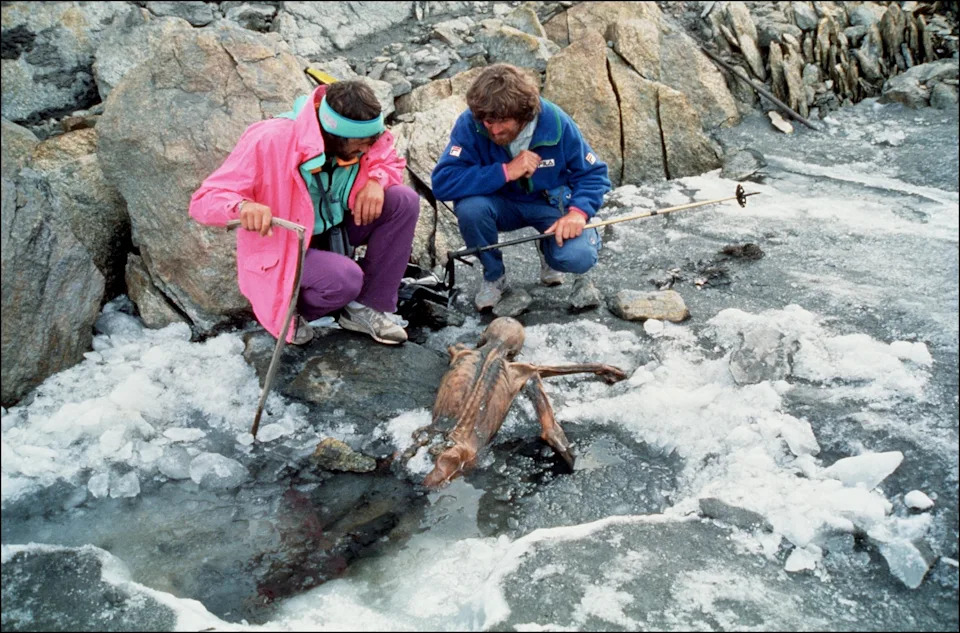
Ötzi the Iceman mummy was found in 1991 high in the Italian Alps. | Credit: Paul HANNY/Gamma-Rapho via Getty Images
"The results indicate that HPV16 has been associated with anatomically modern humans for a very long time, likely well before major population splits outside Africa," said co‑author Marcelo Briones, professor at the Center for Medical Bioinformatics at the Federal University of São Paulo.
Implications and limits
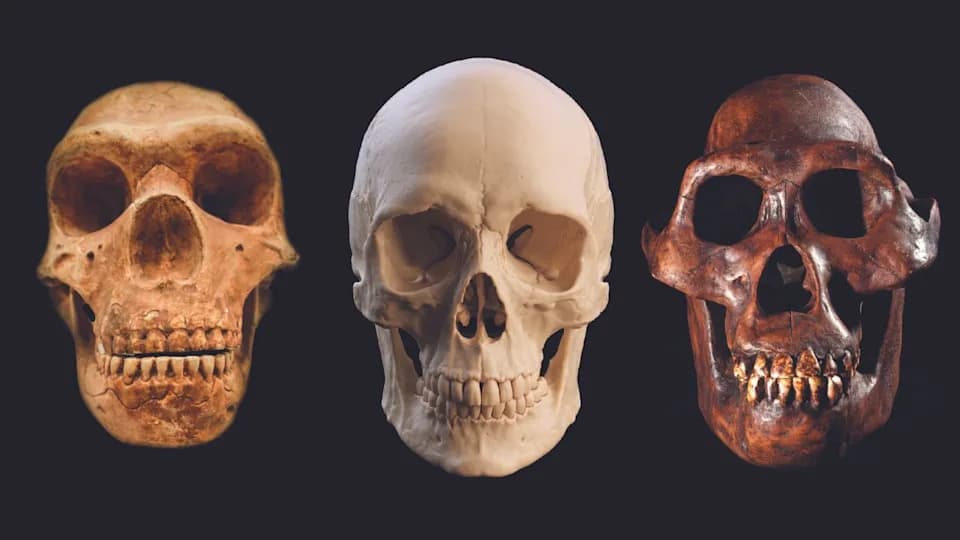
Because the detected fragments match HPV16A, the study complicates earlier suggestions that Neanderthals introduced HPV16A to modern humans during interbreeding in Eurasia. However, the authors emphasize—and outside experts agree—that the sample size is small (two individuals), so the data cannot definitively identify the ultimate origin of the virus.
Koenraad Van Doorslaer, interim co‑chair of Immunobiology at the University of Arizona, commended the methodological rigor and said he largely agreed that both individuals likely carried HPV16. He also cautioned that the finding does not rule out a Neanderthal contribution because the Ust'-Ishim genome contains known Neanderthal ancestry, implying interbreeding occurred before that individual's lifetime.
Takeaway
This study provides direct molecular evidence that a high‑risk human papillomavirus — HPV16A — was present in anatomically modern humans tens of thousands of years ago. While the result strengthens the idea that oncogenic papillomaviruses have long accompanied human populations, broader conclusions about the virus's origin and transmission (including any Neanderthal role) will require analysis of many more ancient genomes and careful evaluation against contamination and technical artifacts.
Note: The results are reported in a preprint on bioRxiv and have not yet been peer reviewed. Further validation and expanded sampling are needed to confirm and extend these findings.
Help us improve.