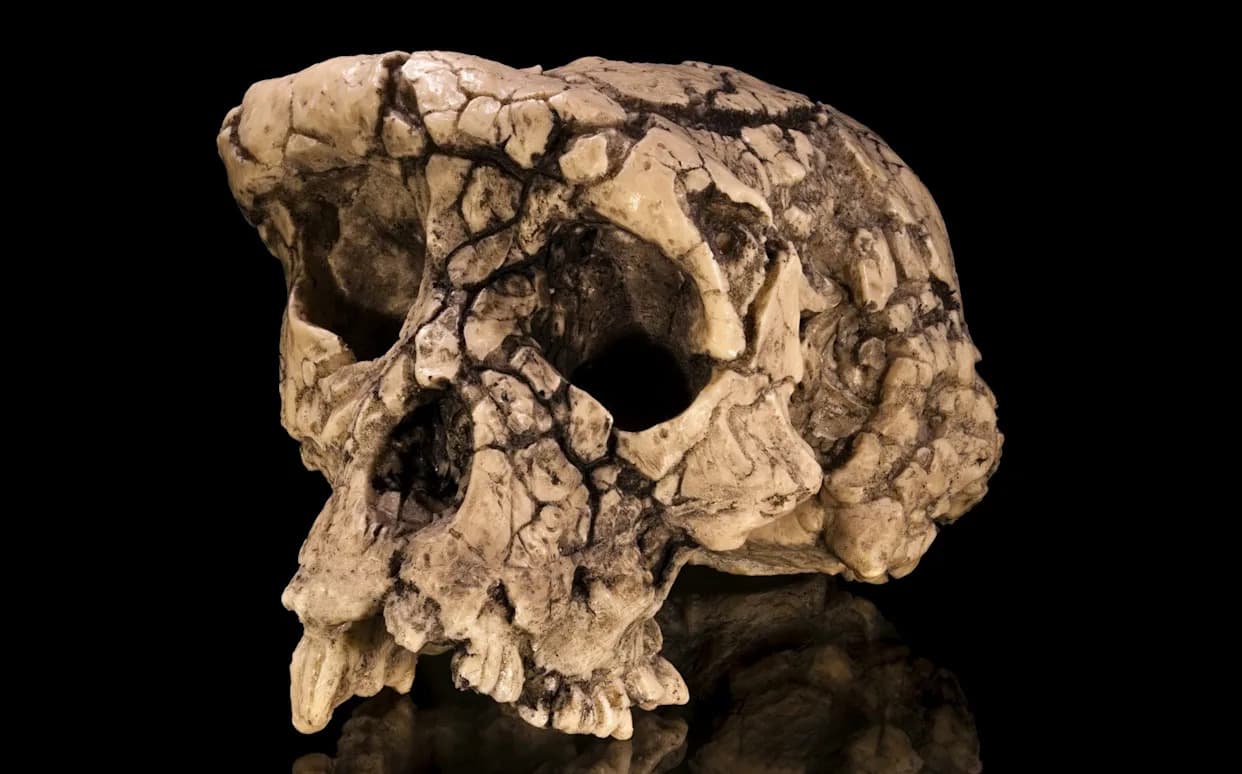
Re-analysis of hominin remains from Grotte à Hominidés near Casablanca dates the fossils to about 773,000 years ago, placing them within the time when modern humans, Neandertals and Denisovans began to diverge. The assemblage — including mandibles, a femur, vertebrae and teeth — shows a mosaic of primitive and derived traits, suggesting an intermediate population. Magnetostratigraphy provided the age, and evidence of carnivore activity indicates the bones accumulated in a den. The finds highlight North Africa's key role in early human evolution.
Moroccan Fossils Dated to 773,000 Years May Reveal Last Common Ancestors of Modern Humans, Neandertals and Denisovans
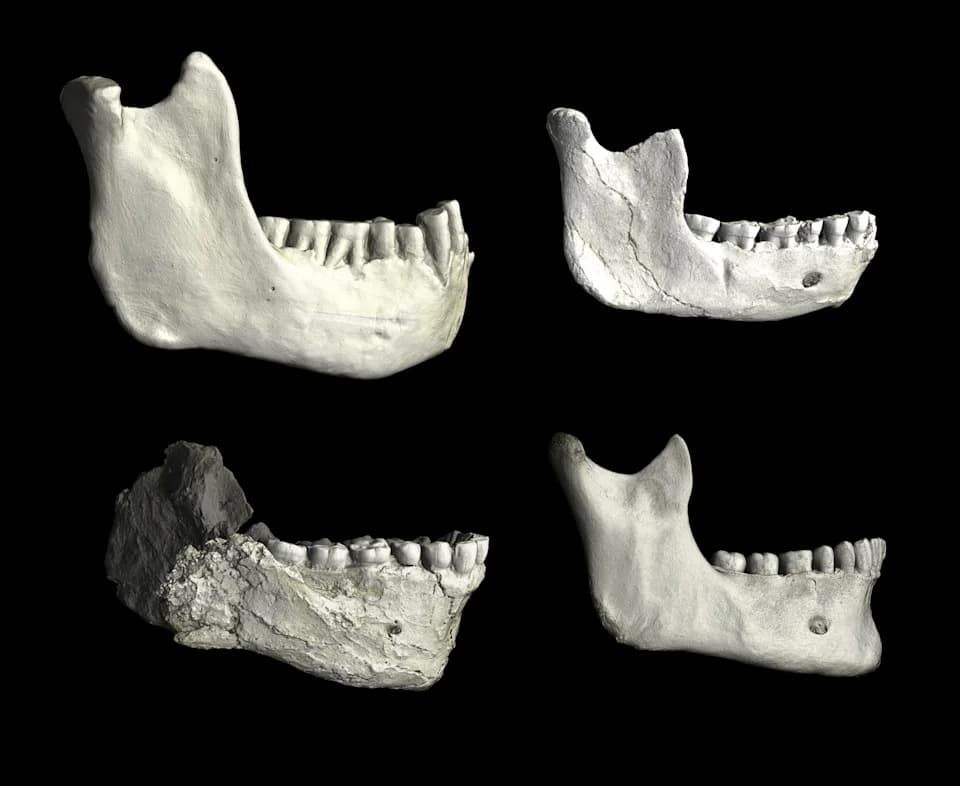
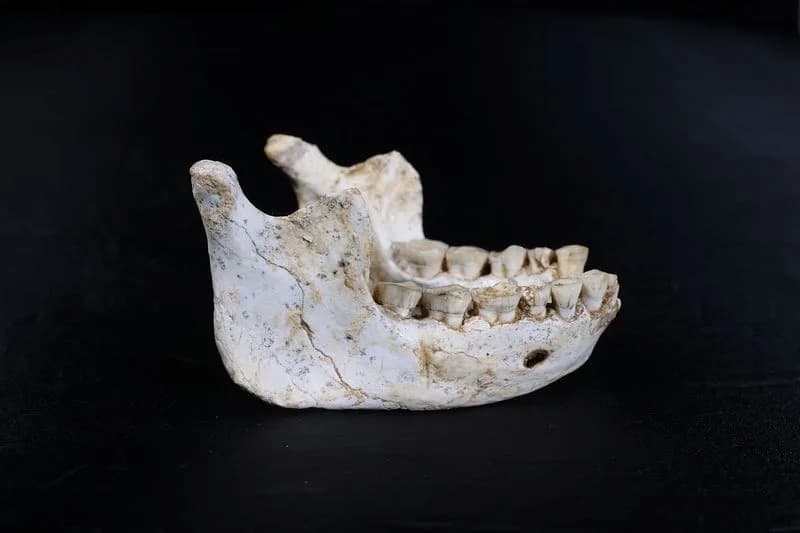
Mandibles from North Africa, illustrating variation among fossil hominins and modern humans. The fossils shown are Tighennif 3 from Algeria (upper left), ThI-GH-10717 from Thomas Quarry in Morocco (upper right), and Jebel Irhoud 11 from Morocco (lower left), compared with a mandible from a recent modern human (lower right). All specimens are shown at the same scale, allowing direct comparison of their size and shape.Philipp Gunz, MPI EVA Leipzig;CC BY-SA 2.0
Researchers have re-dated a set of hominin remains from a cave complex near Casablanca, Morocco, and conclude the bones may represent populations close to the last common ancestors of Homo sapiens, Neandertals and Denisovans. The assemblage includes three mandibles, a femur, multiple vertebrae and teeth recovered from Grotte à Hominidés and adjacent deposits over several decades.
New Dating Pins Age to About 773,000 Years
A paper published in Nature reports that the sediments enclosing the fossils were deposited roughly 773,000 years ago. The team used magnetostratigraphy — a technique that identifies past reversals in Earth's magnetic field recorded by iron-rich minerals in sedimentary layers — to tie the deposits to a known geomagnetic reversal about 773,000 years ago. That age places the Moroccan assemblage within the time window when the lineages that produced modern humans, Neandertals (Homo neanderthalensis) and Denisovans began to diverge.
What Was Found And How The Site Formed
The quarry complex yielded the first mandible in 1969, an additional adult mandible and a string of vertebrae in 2008, and part of a child’s mandible in 2009. The hominin remains are mixed with many animal bones, and the spatial pattern and bone damage indicate the assemblage likely accumulated in a carnivore den — possibly used by hyenas. Notably, the excavated femur bears tooth marks consistent with carnivore gnawing.
A Mosaic Of Primitive And Derived Traits
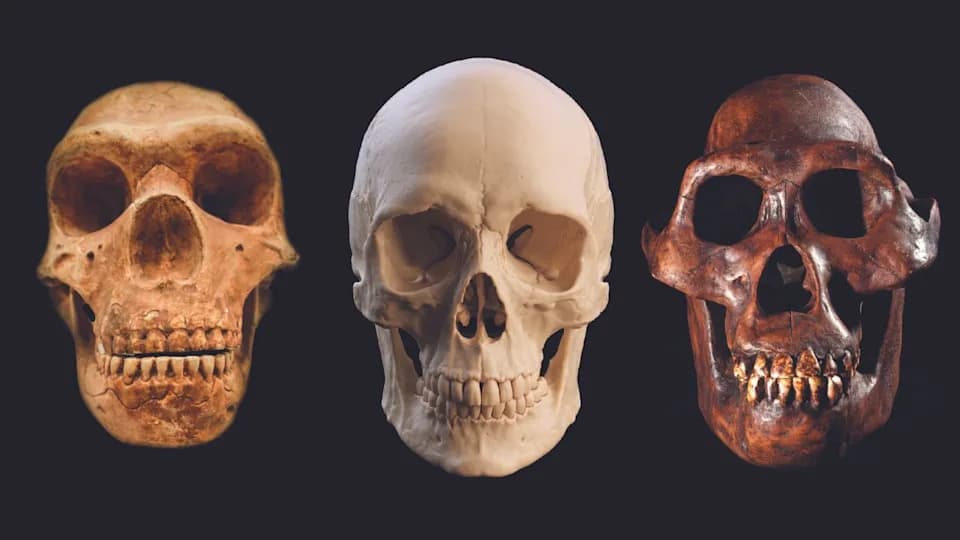
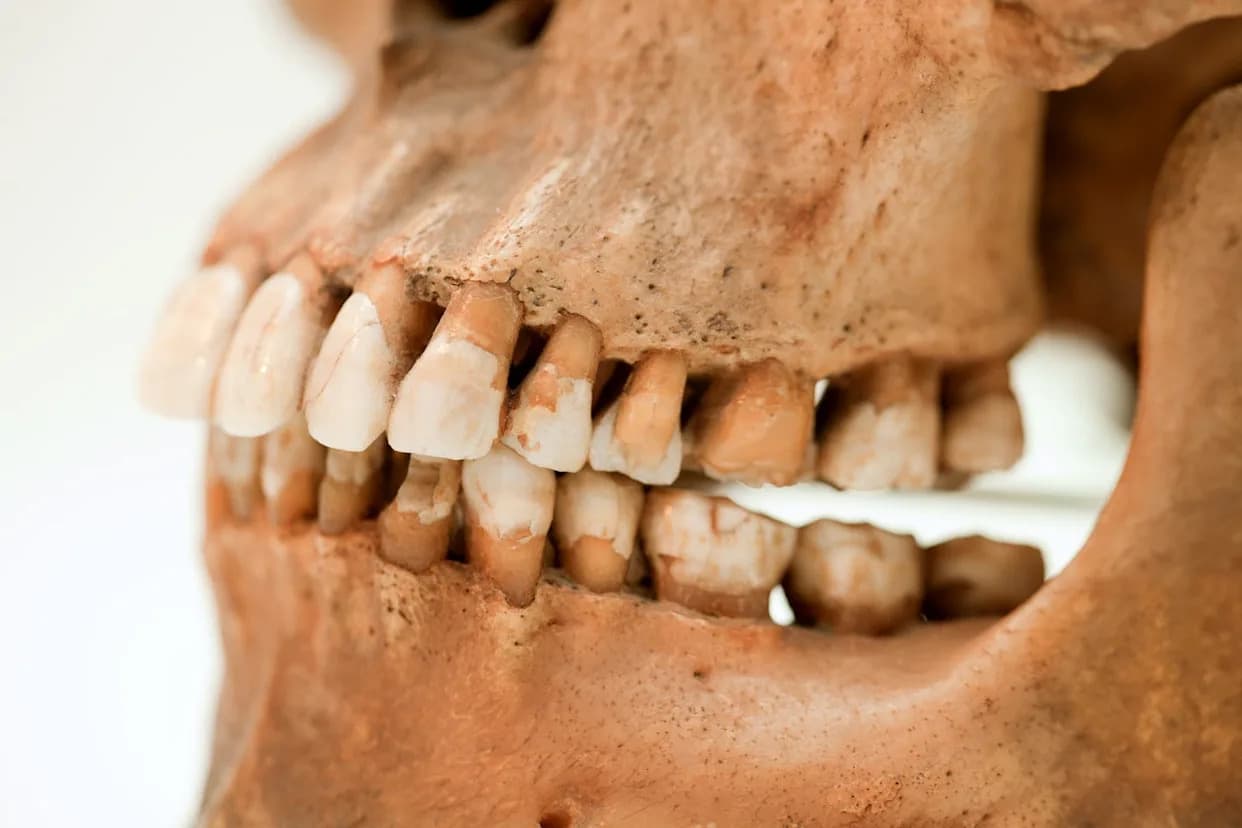
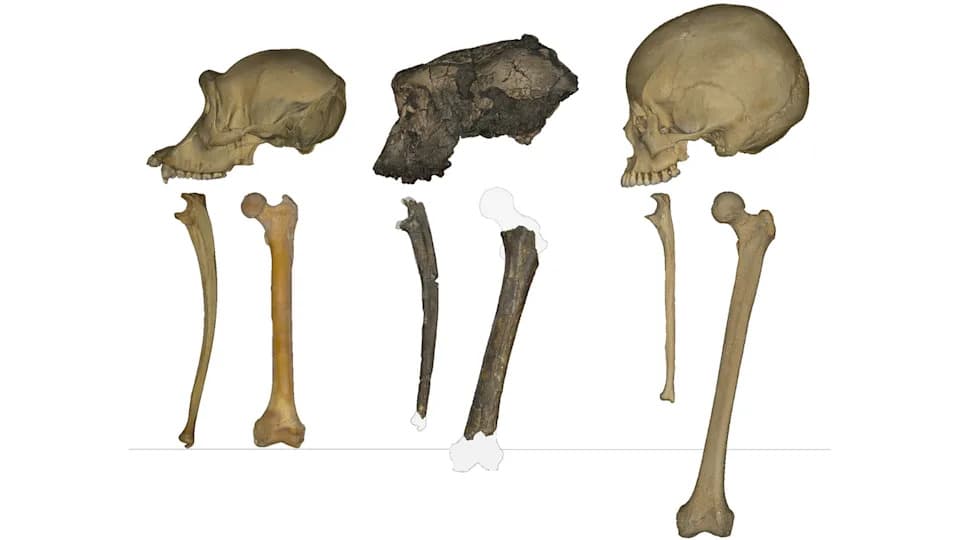
Detailed anatomical study shows the Moroccan specimens present a mosaic of features. Some traits resemble older African hominins such as Homo erectus, while others are more similar to later African and Eurasian fossils. This combination of primitive and more advanced characteristics leads the authors to interpret the material as representative of populations close to the phase of divergence that produced modern humans, Neandertals and Denisovans.
“We can say that the shared ancestry between these three species is perhaps in Grotte à Hominidés in Casablanca,” says study co-author Abderrahim Mohib, a prehistorian at the National Institute of Archaeology and Heritage Sciences in Rabat.
The Moroccan material is roughly contemporary with Homo antecessor remains from Spain — a taxon previously proposed by some researchers as a potential common ancestor — but the Grotte à Hominidés fossils show a different mix of traits and thus likely document an early stage in the African–Eurasian population split rather than a direct match to that Spanish taxon.
Significance
Outside commentators stress the broader implications. Antonio Rosas González, a paleoanthropologist at Spain’s National Museum of Natural Sciences who wrote an editorial accompanying the study, notes that features typical of later humans — such as a rounded, globular skull and a prominent chin — had not yet evolved in these populations. The finds emphasize North Africa’s important role in human evolution and provide fresh material to investigate how the major branches of our genus diverged around three-quarters of a million years ago.
Further research — including additional fieldwork, comparative anatomy and where possible genetic or proteomic analyses — will be needed to place these specimens more precisely in the hominin family tree. For now, the Grotte à Hominidés assemblage offers a rare and valuable snapshot of populations living near a key turning point in human evolution.
Help us improve.