
The first recovery of Yersinia pestis DNA from a 4,000-year-old domesticated sheep tooth suggests animals helped spread a Bronze Age plague across Eurasia. Reported in Cell, the finding is the first confirmed non-human Bronze Age genome of the pathogen and implies transmission among herds, people, and wild reservoirs as societies became more mobile. Because the result relies on a single sample, researchers plan broader sampling to map the ancient pathogen's reach and identify likely wild carriers.
Ancient Plague DNA Found in 4,000-Year-Old Sheep — New Clue to Bronze Age Pandemic

Ancient plague mystery cracked after DNA found in 4,000-year-old animal remains
Scientists have recovered DNA from the plague bacterium Yersinia pestis in the tooth of a domesticated sheep dated to more than 4,000 years ago, a discovery that offers the first confirmed evidence the Bronze Age plague infected animals as well as humans. The finding, reported in the journal Cell, helps explain how the disease may have spread across Eurasia long before the Black Death of the Middle Ages.
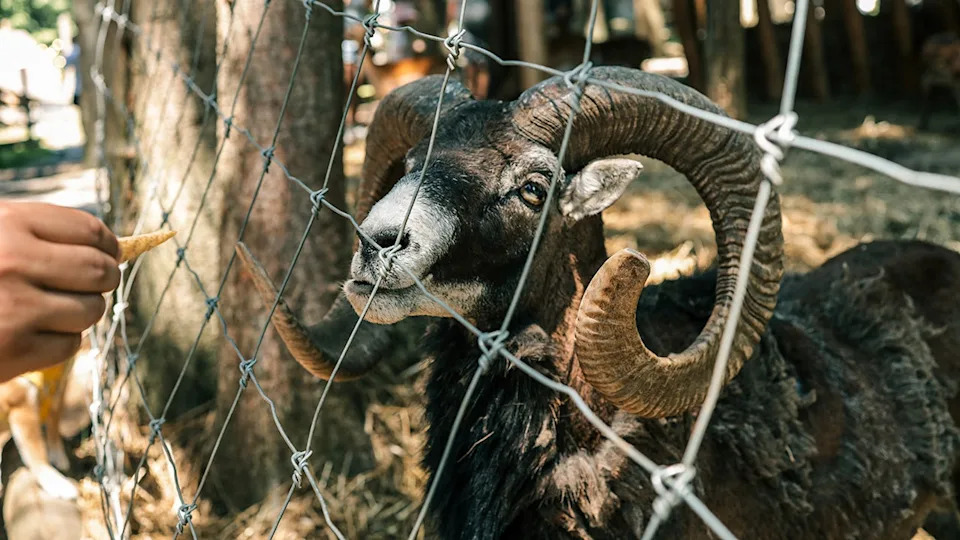
A domesticated sheep, likely similar to this one, lived alongside humans during the Bronze Age.
Discovery and Laboratory Challenges
The sample comes from a Bronze Age excavation in what is now southern Russia. Recovering authentic ancient animal DNA is technically demanding: researchers must separate tiny, degraded fragments of genetic material from contamination by soil microbes and modern DNA. Despite the complexity, the team reconstructed a Y. pestis genome from the sheep tooth — the first time this pathogen has been recovered from a non-human Bronze Age specimen.

The discovery was made at Arkaim, a fortified Bronze Age settlement in the Southern Ural Mountains of present-day Russia near the Kazakhstan border.
"It was alarm bells for my team," said Taylor Hermes, an archaeologist at the University of Arkansas and a study co-author. "This was the first time we had recovered the genome from Yersinia pestis in a non-human sample."
What This Suggests About Transmission
The result supports a model in which the Bronze Age plague spread through close contact among people, herded animals and wild species as societies increased herd sizes and travelled farther with horses. The researchers suggest livestock such as sheep could have acquired the bacterium from wild carriers — for example rodents or migratory birds that carried the pathogen without obvious illness — and then passed it to human handlers during routine contact.
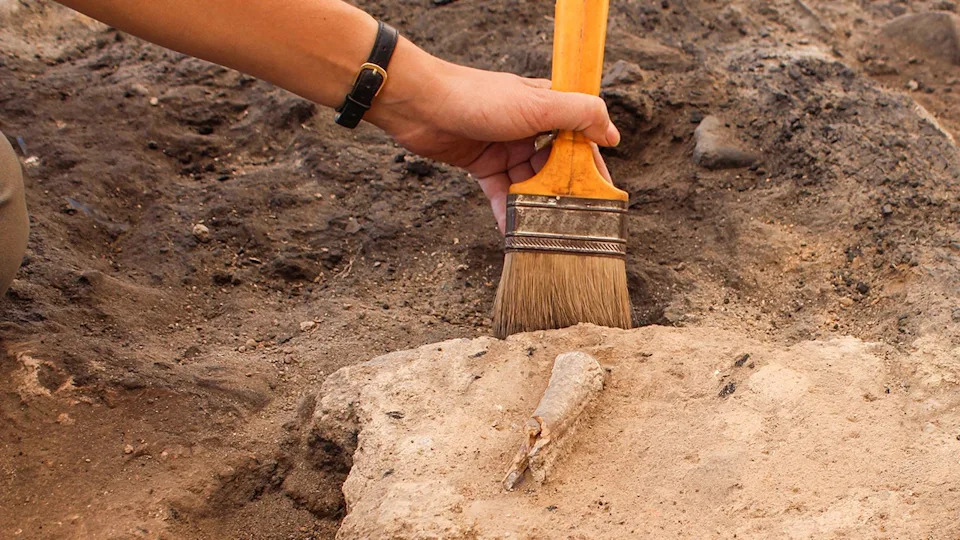
Researchers (not pictured) found plague-causing Yersinia pestis DNA in the remains of a Bronze Age sheep.
Limitations and Next Steps
The study is based on a single animal genome, so conclusions remain tentative. The authors emphasize the need for more samples from both human and animal remains across the region to map how widespread the pathogen was, to identify candidate wild reservoirs, and to understand the roles of human movement and livestock herding in long-distance disease transmission.
Broader Implications
Beyond illuminating Bronze Age epidemiology, this work underscores a general principle of infectious disease: many deadly human infections originate in animals. Understanding prehistoric pathways of zoonotic transfer can help researchers anticipate and mitigate modern risks as humans continue to change landscapes and increase contact with wildlife and livestock.
Project Leadership and Support
The research was led by investigators at the Max Planck Institute for Infection Biology, with senior authors Felix M. Key (Max Planck Institute for Infection Biology) and Christina Warinner (Harvard University and Max Planck Institute for Geoanthropology). Funding and follow-up work were supported by the Max Planck Society.


