The article examines the Jan. 7, 2026 fatal shooting of Renée Nicole Good by an ICE agent in Minneapolis and the contentious official response, including the DOJ’s decision not to open a civil‑rights probe while the FBI investigates. Drawing on the author’s experience as a public defender, it highlights how video evidence exposed police perjury in a prior case and made accountability possible. Given political pressure on prosecutorial priorities and the rise of misinformation and AI‑produced doubt, the author urges more lawful public documentation of ICE and police actions as a vital exercise of First Amendment rights.
Filming ICE Is A Civic Duty: Why Video Evidence Matters After the Killing of Renée Nicole Good

Filming ICE is one of the most American things you can do right now — no matter what DOJ says
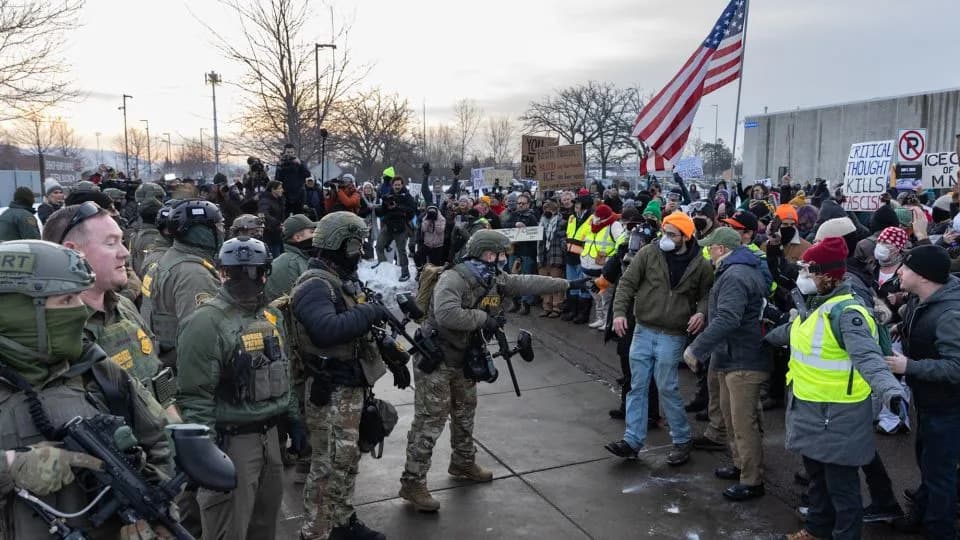
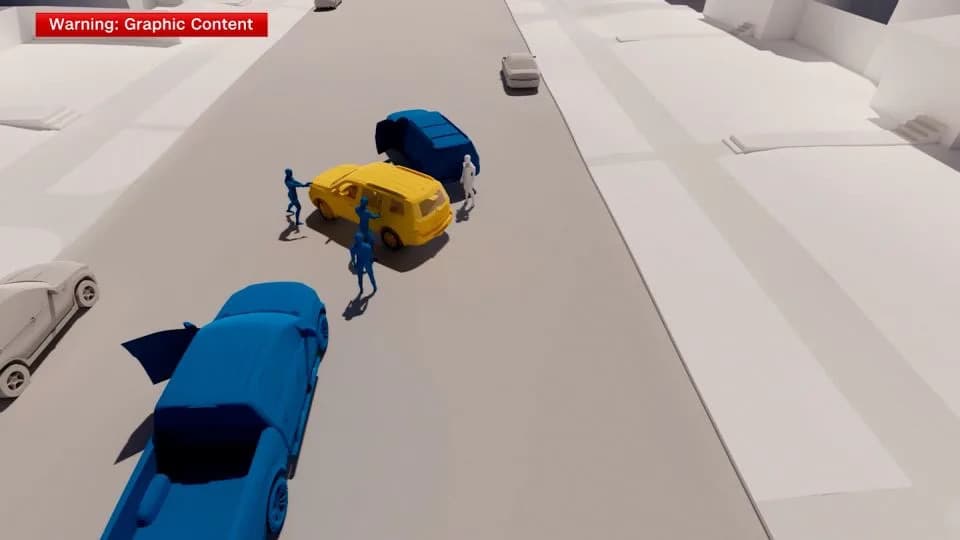
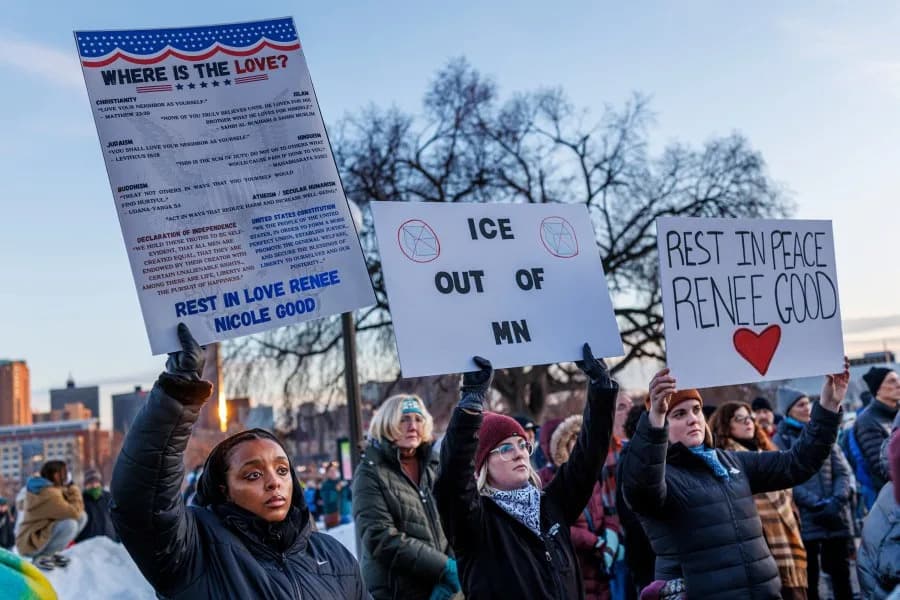
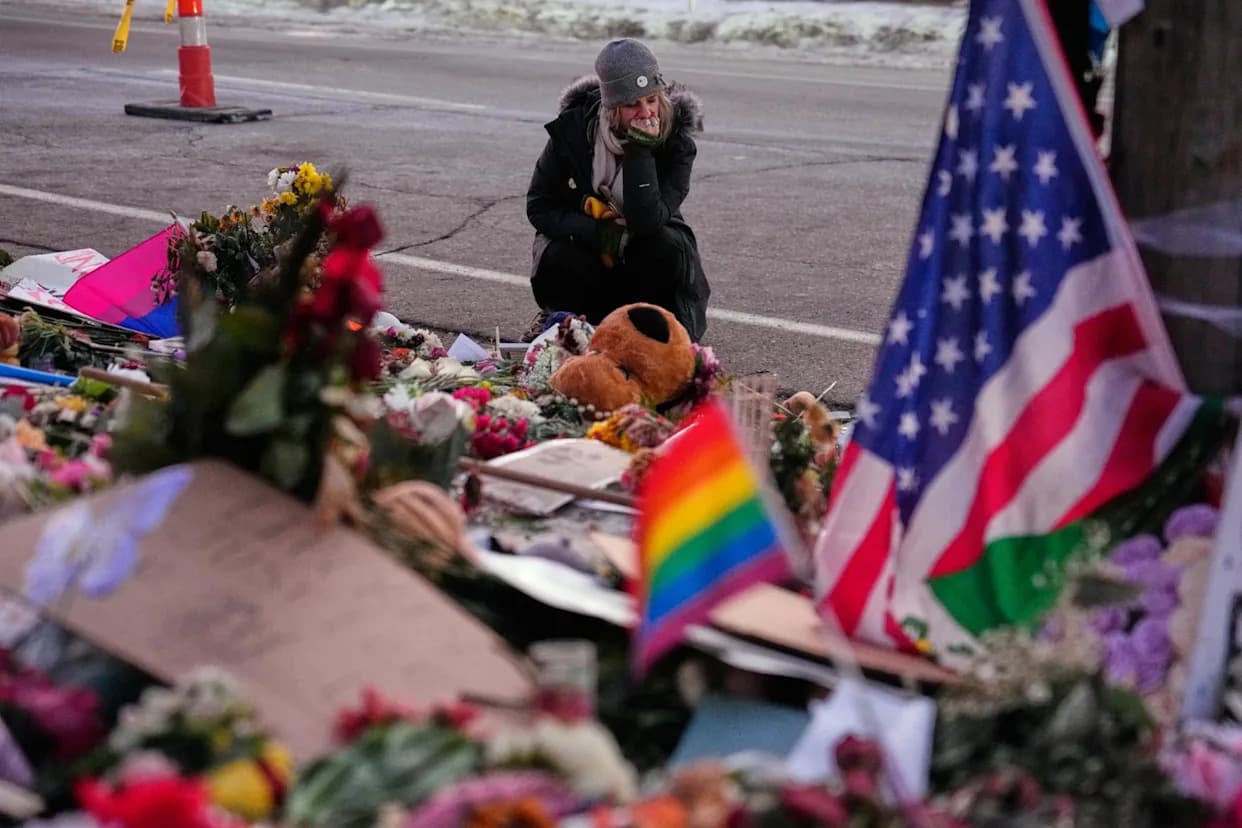
Renée Nicole Good was shot and killed in Minneapolis on Jan. 7, 2026, when an ICE agent fired a round into her head while she sat inside her car. She was 37 years old and a mother of three. Multiple videos — including footage from the agent’s own phone — quickly provided politicians, law enforcement and the public with several angles of the encounter before, during and after the fatal shooting.
Despite the footage, officials in the Trump administration have urged the public to accept the claim that Good "weaponized" her vehicle and that the shooting was an act of self‑defense, warning that questioning the account could endanger law enforcement. The FBI has launched a probe, but the Justice Department has already said it currently sees no basis to open a criminal civil‑rights investigation into Good’s death. For many who care about accountability, truth and justice, that announcement is deeply unsettling.
Why Video Matters
It can be tempting to conclude that filming makes no difference when investigations stall. I disagree. Video is often the single most powerful check against official falsehoods. When footage exists and is impossible to ignore, accountability becomes possible — though it is not guaranteed. A recent and troubling development in Minnesota federal court illustrates the stakes: a government lawyer argued that observing police at work is not Constitutionally protected, a contention that, if accepted, would chill public oversight.
A Case That Shows How Footage Can Change Outcomes
Years ago, as a public defender in Brooklyn, I represented Pedro Barbosa. No cell‑phone video existed; the critical evidence came from a distant gas‑station surveillance camera we were fortunate to find. An officer had testified under oath that Pedro accelerated toward him, forcing the officer to leap out of the way — testimony that produced violent‑felony charges carrying up to 15 years in prison and pretrial detention on Rikers Island.
The surveillance footage showed the opposite: the officer stood to the side, never in the car’s path, and Pedro simply pulled out of a parking spot and drove away. I shared that footage with the prosecutor. Rather than offering an alternative narrative, the prosecutor indicted the officer for perjury; the officer was convicted and sentenced. That outcome was extraordinary not because the evidence was ambiguous, but because accountability actually followed clear video evidence.
What This Moment Requires
Renée Good’s case may yet follow a similar path, but political pressure on prosecutorial priorities and recent resignations by career federal prosecutors in protest of Justice Department directives show that compelling video alone does not guarantee justice. In the days after Good’s killing, Customs and Border Protection agents in Portland shot and wounded two people in another vehicle‑involved incident, and Minnesota state police and local prosecutors say the FBI has taken sole control of the Good investigation while withholding information — even as the administration announces plans to deploy hundreds more federal officers to the state.
In an era of rampant misinformation and rapidly evolving AI tools that can manufacture doubt, there is a heightened need to document law‑enforcement actions safely and lawfully. First‑hand video makes denial more difficult, increases public scrutiny, and raises the political and legal costs of unchecked state violence. For years I have helped create know‑your‑rights resources for immigrants and bystanders and urged people to record ICE and police activity within the law. Filming and documenting government action is a core exercise of free speech and civic oversight.
Final Thought
The work of holding power to account is imperfect and often uphill. But when video exists — and when institutions, prosecutors and communities insist on transparency — accountability becomes possible. We have the tools to document, to disseminate, and to demand truth. We should use them, and use them more urgently now.
Help us improve.