The EU has called an emergency meeting of ambassadors in Brussels after President Trump said he would impose tariffs on eight EU countries until the U.S. could buy Greenland. European leaders, including European Parliament President Roberta Metsola and Estonian Prime Minister Kaja Kallas, condemned the threats and warned they risk weakening NATO unity and benefiting geopolitical rivals. Several EU politicians signaled they would consider delaying ratification of a pending EU–U.S. trade deal in response, while U.S. senators urged diplomacy and Democrats pledged legislation to block the tariffs.
EU Calls Emergency Ambassadors' Meeting After Trump Threatens Tariffs Over Greenland
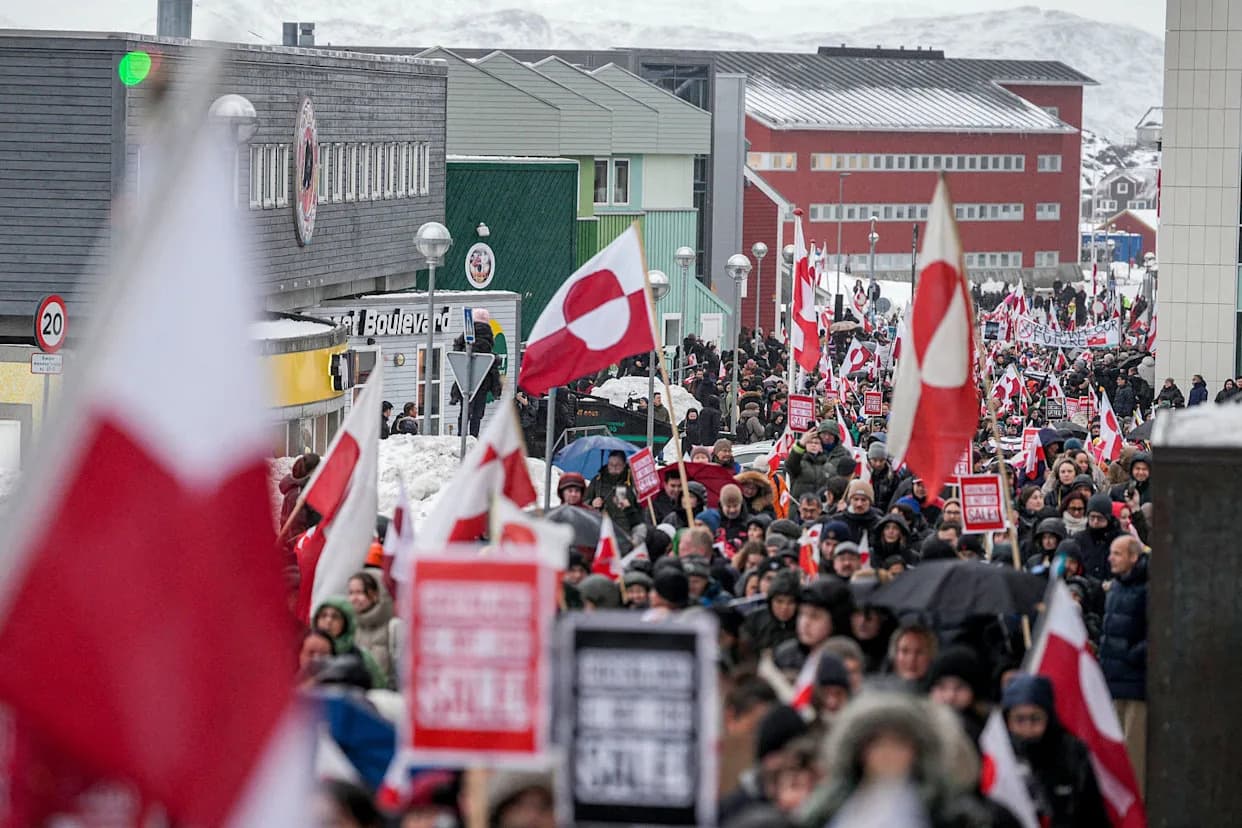
EU to hold emergency meeting on Trump's tariffs over Greenland
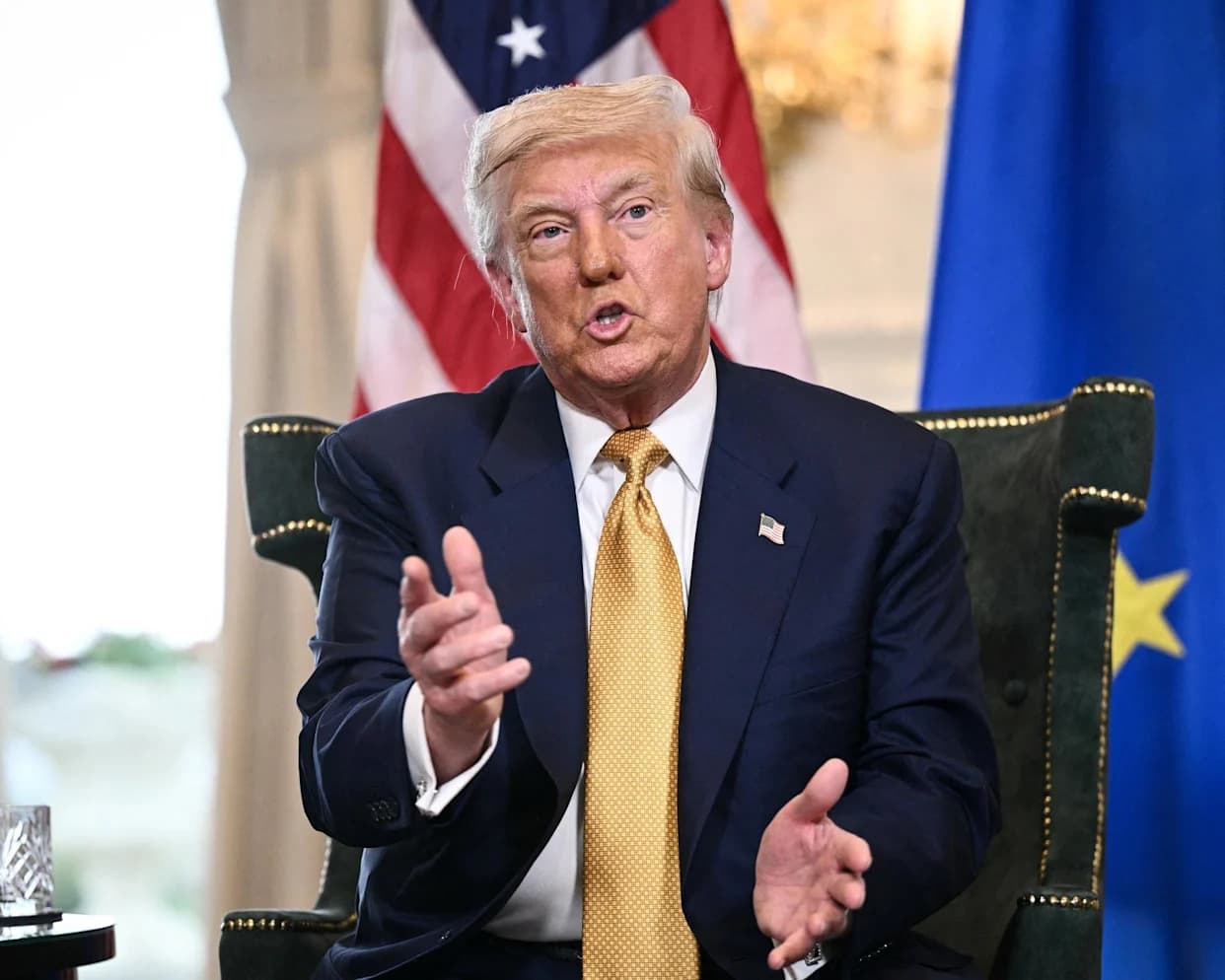
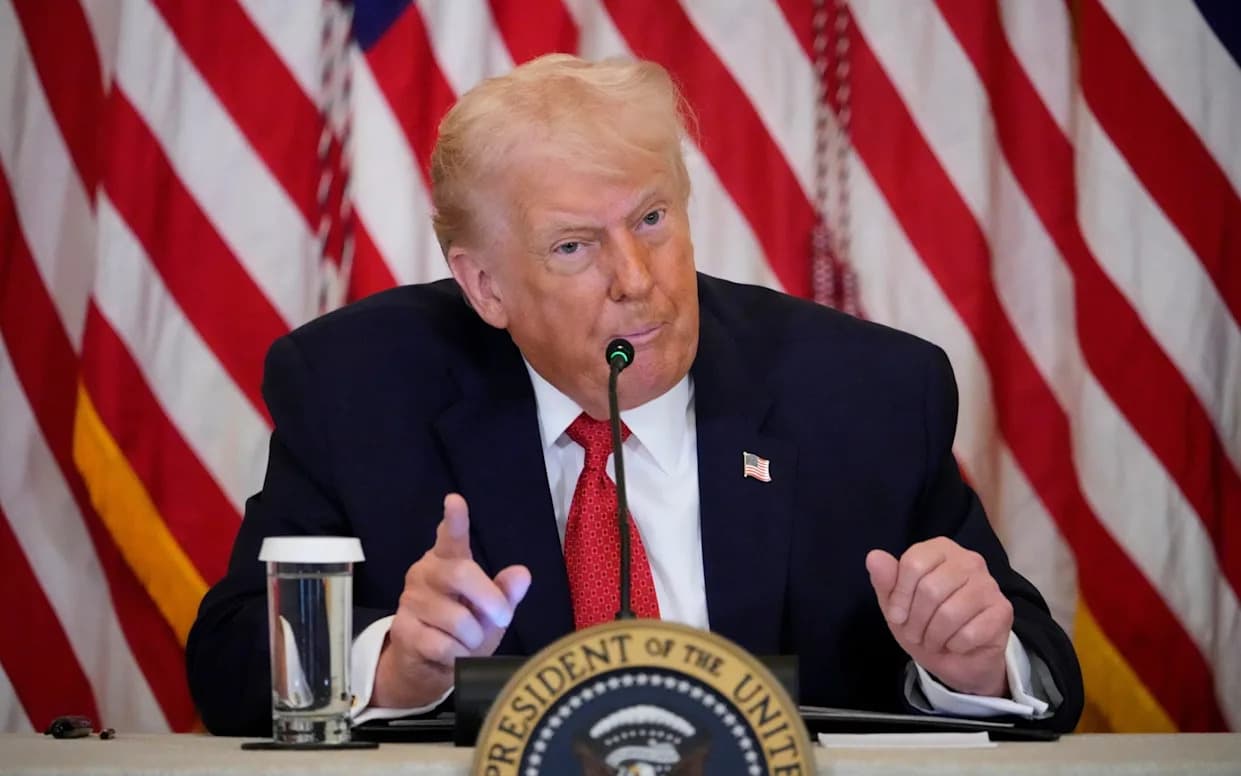
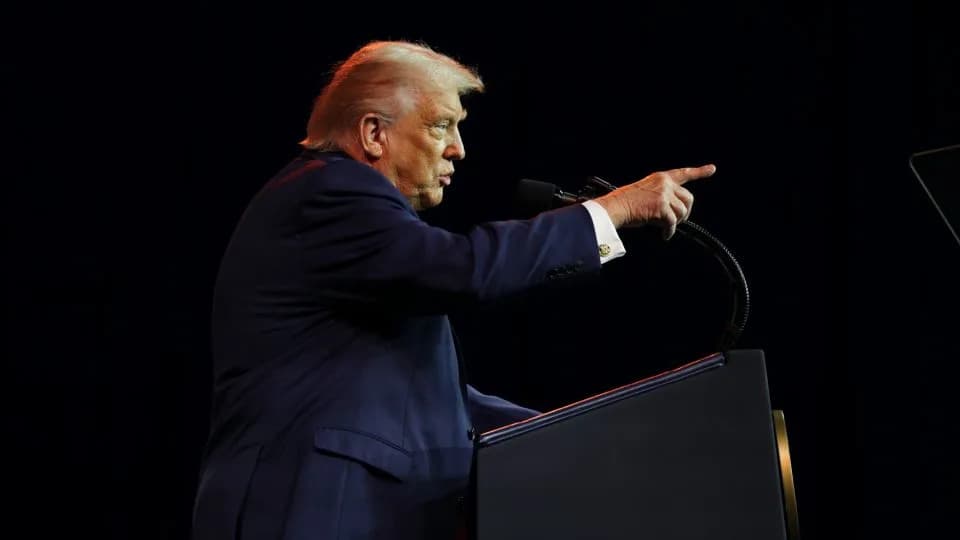
The European Union has summoned an emergency meeting of its ambassadors in Brussels after U.S. President Donald Trump announced he would impose tariffs on eight EU member states until a deal is reached that would allow the United States to purchase Greenland, a spokesperson for the Cyprus Presidency of the EU Council confirmed.
The announcement prompted swift condemnation from European political leaders, MEPs and U.S. lawmakers, who warned the move could damage transatlantic unity, raise costs for families and businesses, and strengthen geopolitical rivals.
European Leaders Condemn Tariff Threats
Roberta Metsola, President of the European Parliament, said the measures "will not help in ensuring security in the Arctic" and warned they risk emboldening adversaries who threaten shared values. Metsola reiterated that "Greenland and Denmark have both made clear: Greenland is not for sale and its sovereignty and territorial integrity must be respected."
Kaja Kallas, Prime Minister of Estonia, wrote that rivals such as China and Russia "must be having a field day" and argued that disputes over Greenland’s security should be handled within NATO. She cautioned that tariffs would make both Europe and the United States poorer and would undermine shared prosperity, and urged leaders not to let the dispute distract from efforts to end Russia’s war in Ukraine.
Trade Deal At Risk
Several European officials signaled they may delay or suspend the final ratification of an EU–U.S. trade agreement negotiated last summer and partly implemented but still awaiting full approval by the European Parliament.
Bernd Lange, long-time chair of the European Parliament’s international trade committee, called the new U.S. tariff threats "unbelievable" and said the administration was using trade as a tool of political coercion. He urged that the trade deal’s implementation be suspended until the threats end.
Manfred Weber, leader of the European People’s Party, said his group had supported the U.S.–EU agreement but that approval was not possible "at this stage," and suggested that zero-tariff provisions for U.S. products be put on hold.
MEP Siegfried Muresan argued the president’s announcement undermined the principal benefit of the trade deal—stability—and justified postponing final approval.
Responses From NATO Partners And U.S. Lawmakers
The Netherlands’ foreign minister said the country had "taken note" of the announcement and stressed that military activities and exercises in Greenland are intended to contribute to Arctic security; the government is coordinating with the European Commission and partners on a response.
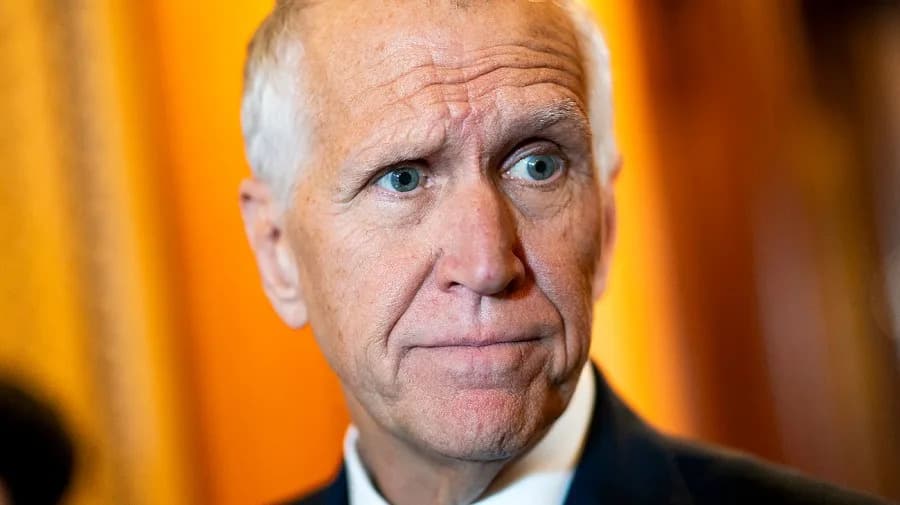
In the United States, bipartisan concern was voiced by Senators Jeanne Shaheen (D‑N.H.) and Thom Tillis (R‑N.C.), co-chairs of the Senate NATO Observer Group. Speaking from Copenhagen, where a congressional delegation was meeting Danish officials, they warned that tariffs would raise costs for American households and businesses and urged the administration to pursue diplomacy instead of threats.
Senate Minority Leader Chuck Schumer (D‑N.Y.) said Democrats would introduce legislation to block any tariffs on European allies, calling the proposed duties damaging to the U.S. economy and to transatlantic ties.
What Happens Next
The EU ambassadors’ emergency meeting is intended to coordinate a common response. European leaders are considering diplomatic and trade-policy steps, including pausing approval of the pending EU–U.S. trade deal. Meanwhile, Congress may pursue legal measures to limit presidential tariff authority, though prospects for action vary between the Senate and House.
This article was originally published on NBCNews.com.
Help us improve.