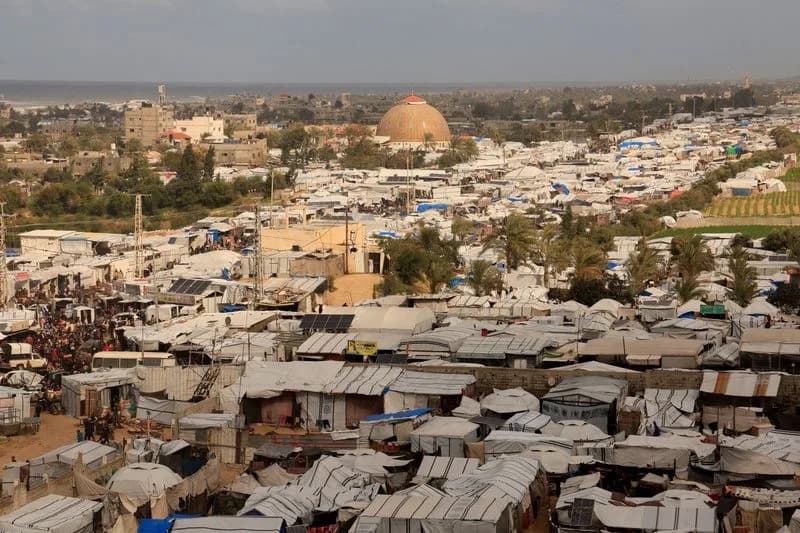
The US-backed National Committee for Gaza Management (NGAC) has issued a mission statement prioritising the restoration of essential services, security, and social stability in Gaza. Ali Shaath, the committee's general commissioner, said the NGAC will operate under a Board of Peace chaired by President Donald J. Trump and a Gaza executive board. The initiative is authorised by UN Security Council Resolution 2803, but faces deep scepticism over limited Palestinian representation, the presence of pro-Israel figures, and ongoing restrictions on aid. Observers also warn the technocratic approach could sideline core political issues such as statehood and ending occupation.
US-Backed Palestinian Committee Publishes Mission Statement for Gaza Reconstruction

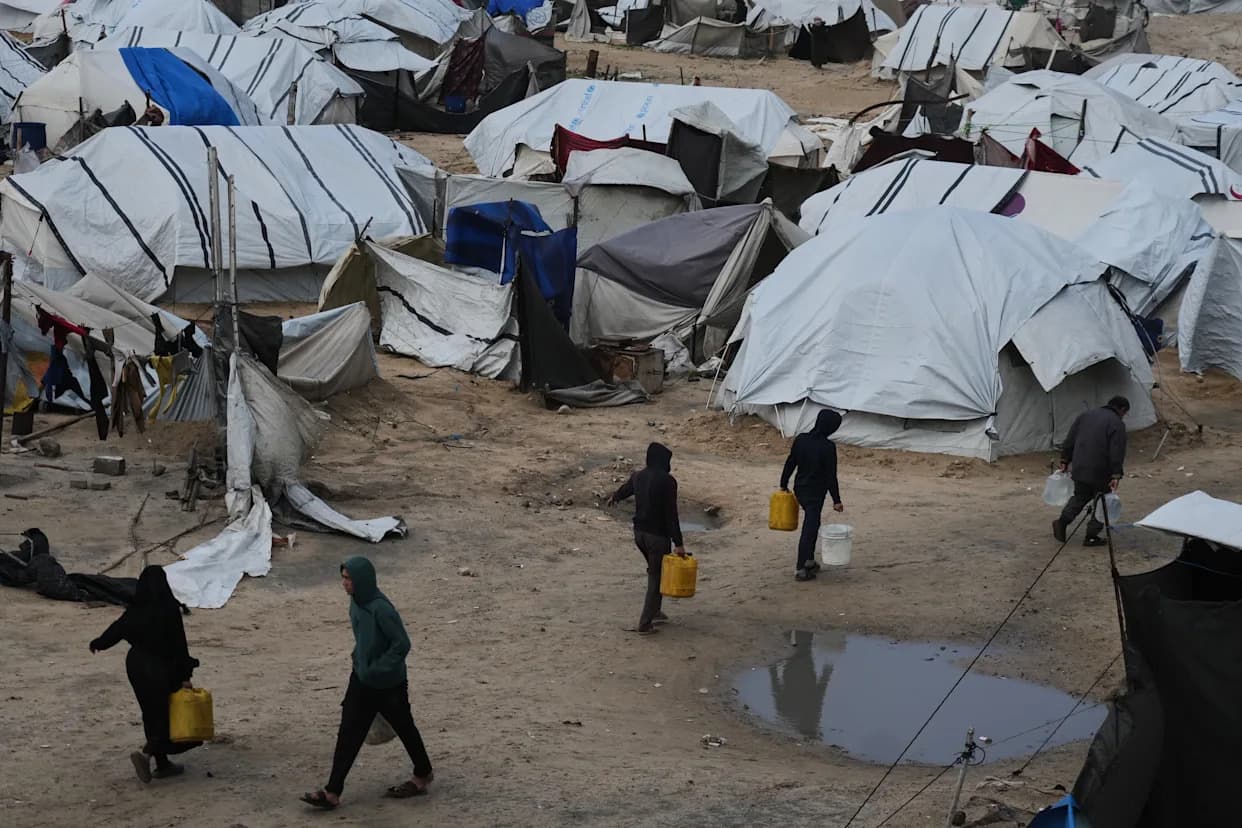
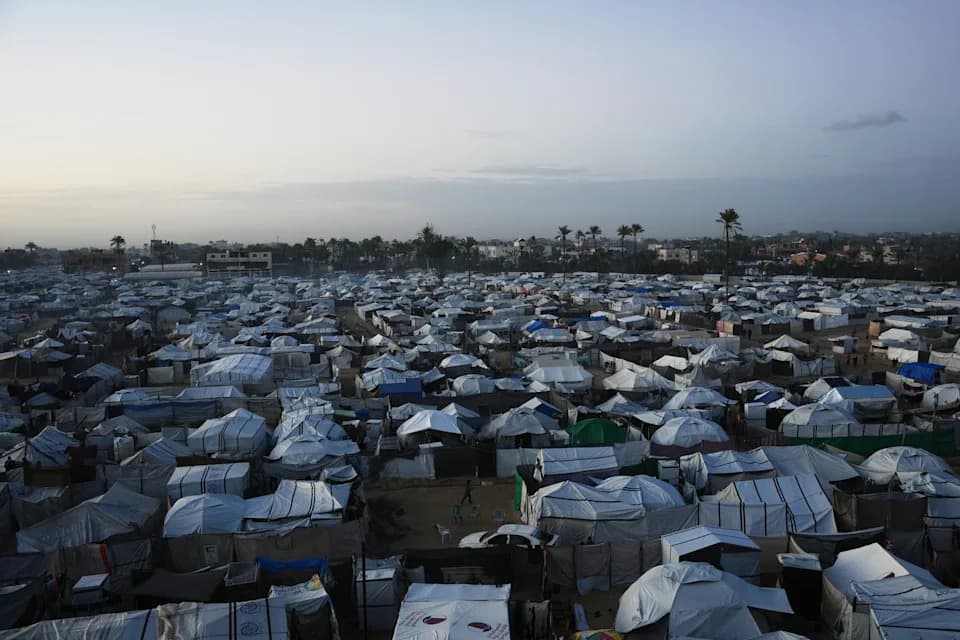
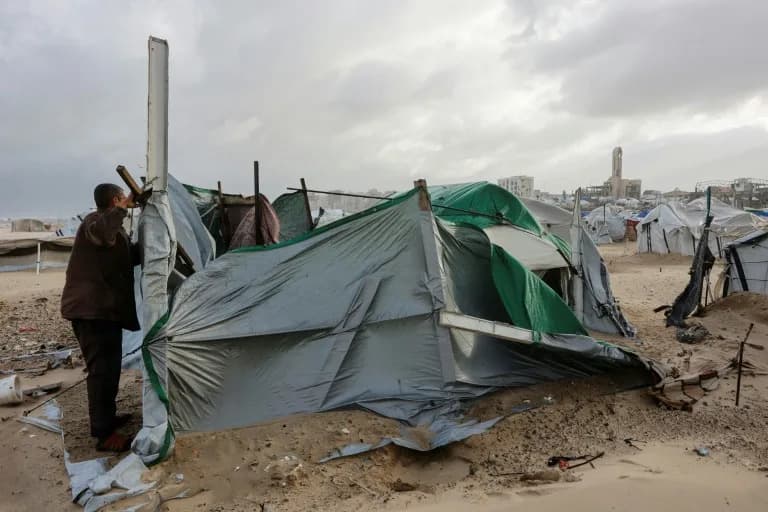
Palestinians carry plastic jerrycans filled with water amid stormy weather at a displacement camp in Gaza City [Jehad Alshrafi/AP Photo]
The National Committee for Gaza Management (NGAC), a US-backed technocratic body, has published a mission statement outlining its priorities for rebuilding and governing Gaza following the recent ceasefire framework. The NGAC says it will focus on restoring essential services, establishing security, and fostering a society "rooted in peace."
Mission and Mandate
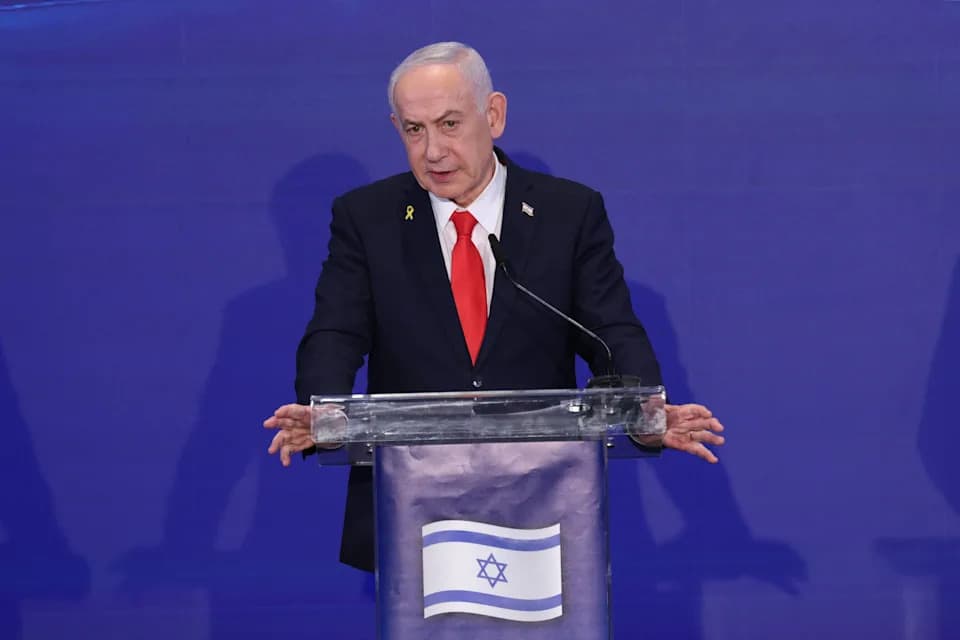
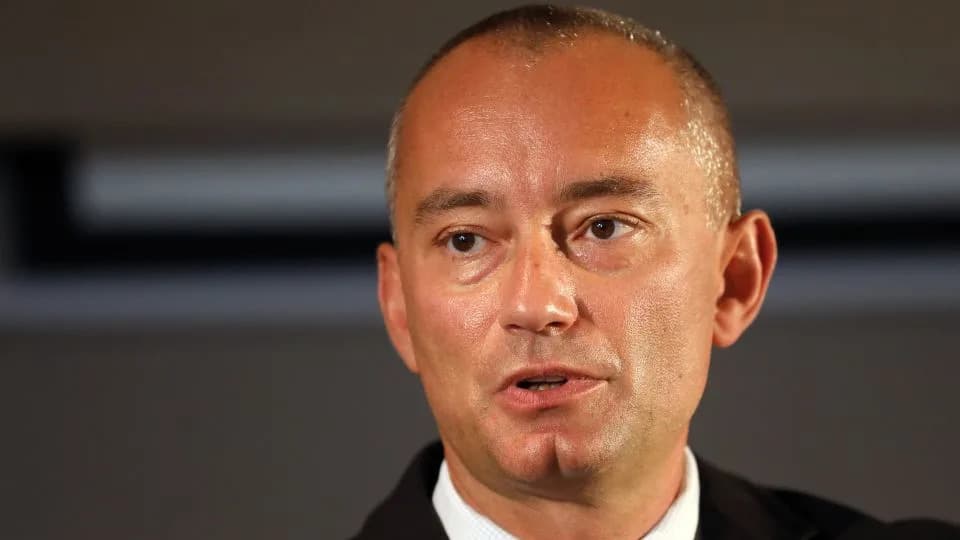
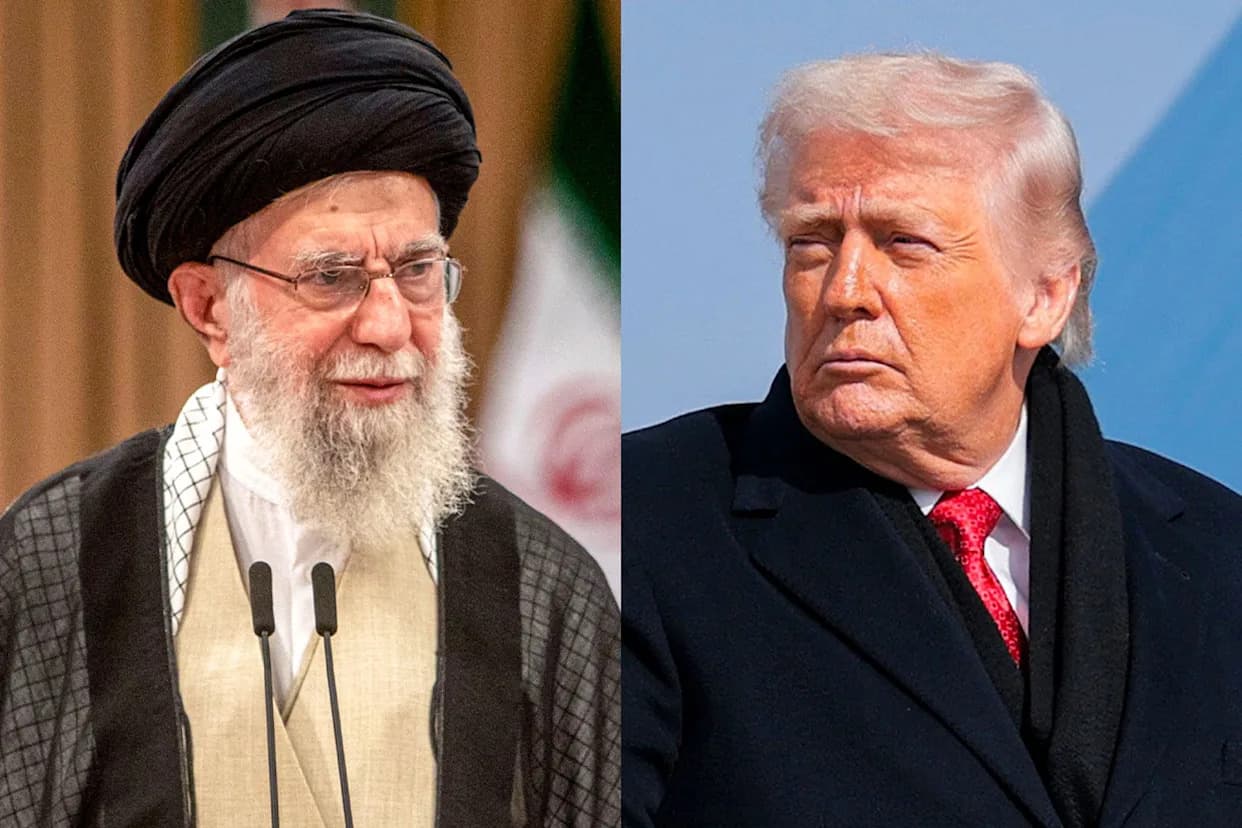
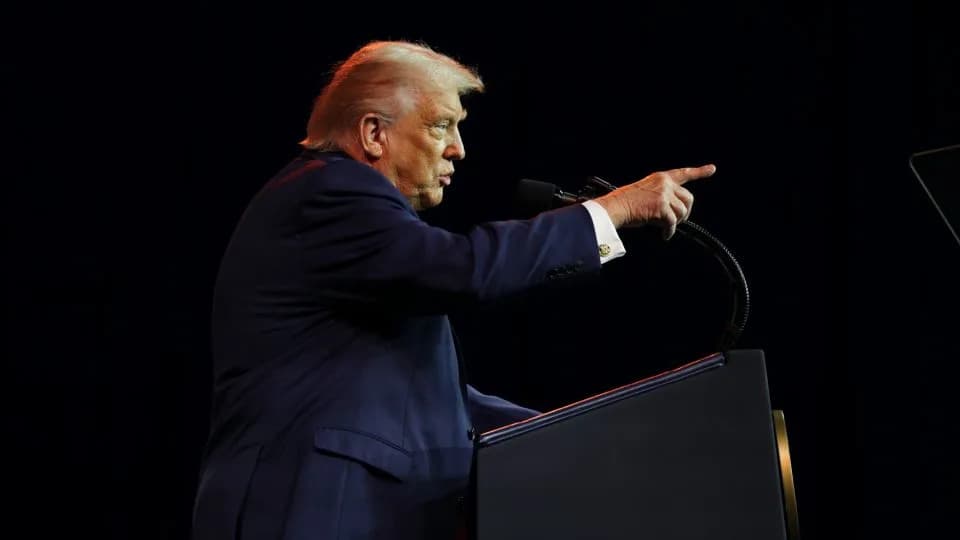
Ali Shaath, the NGAC's general commissioner, said the committee will operate "under the guidance of the Board of Peace, chaired by [US] President Donald J. Trump, and with the support and assistance of the High Representative for Gaza." Shaath described the committee's aim as rebuilding Gaza "not just in infrastructure but also in spirit."
"We are committed to establishing security, restoring the essential services that form the bedrock of human dignity — such as electricity, water, healthcare, and education — and cultivating a society rooted in peace, democracy, and justice," Shaath said.
Structure and International Backing
The NGAC was created under President Trump’s 20-point peace plan for Gaza and is authorised by United Nations Security Council Resolution 2803. According to the White House, the committee will manage day-to-day rebuilding and stabilisation while seeking to lay foundations for long-term, self-sustaining governance. High-level oversight is expected from a "Board of Peace," with a "Gaza executive board" to guide implementation.
Challenges and Criticism
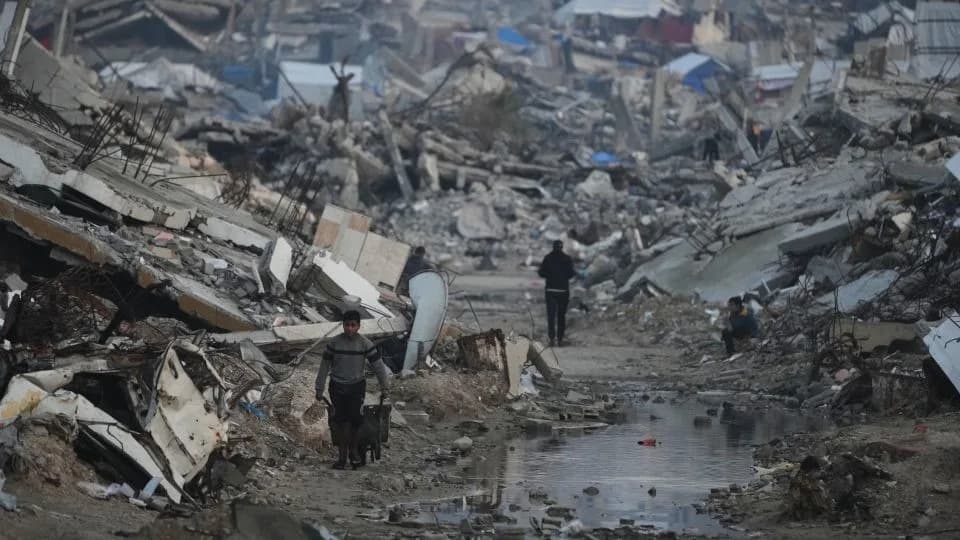
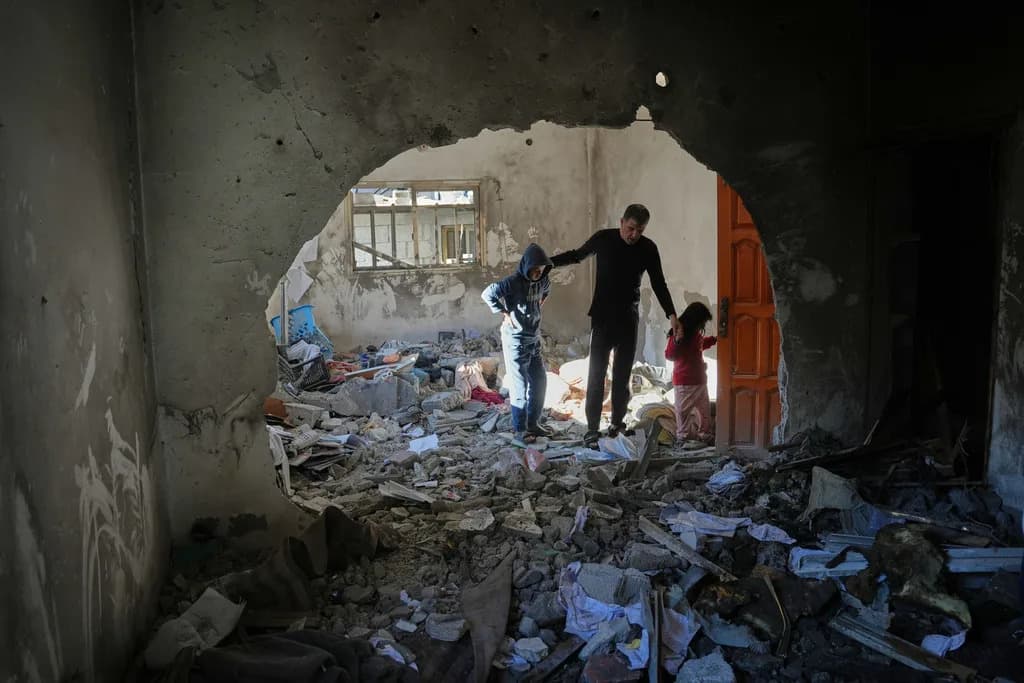
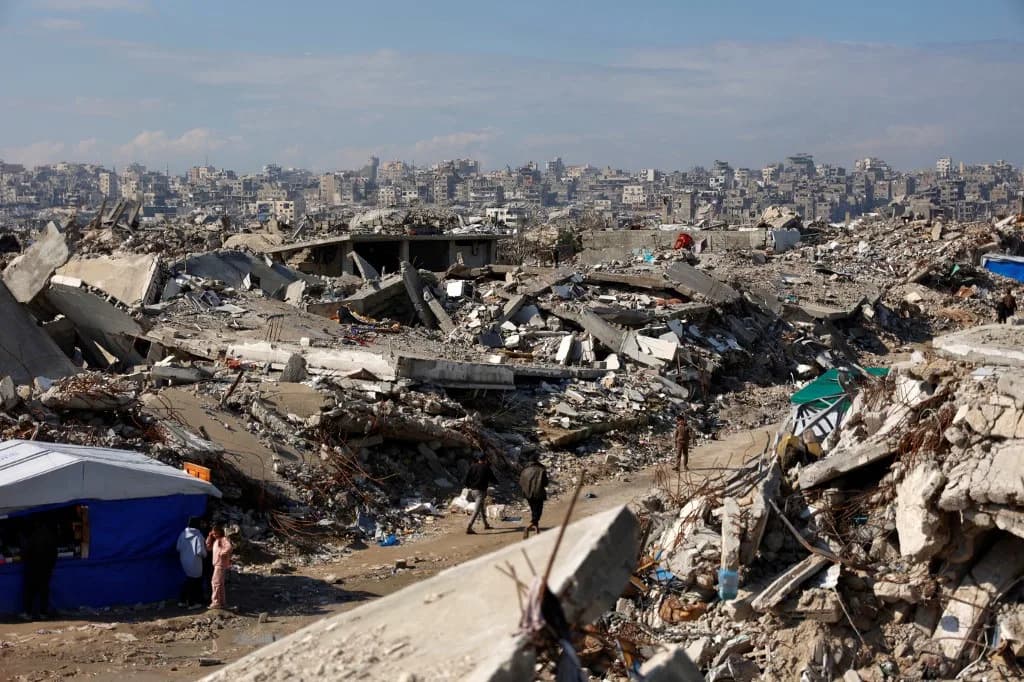
The committee faces significant hurdles. Gaza has suffered widespread destruction after more than two years of intense Israeli military operations described by some observers as "genocidal," and many Palestinians remain sceptical about how much autonomy the NGAC will actually have.
Critics point to the apparent presence of prominent pro-Israel figures on oversight bodies and the limited Palestinian representation so far on the Board of Peace and the Gaza executive board. Humanitarian organisations and UN agencies have also warned that continued Israeli restrictions on aid entry are undermining efforts to deliver essential services in Gaza.
Humanitarian Context
Israeli strikes during and after the conflict have killed hundreds of Palestinians in Gaza; reporting places the toll at 71,548 since October 7, 2023. In mid-December, Israeli authorities announced bans on more than three dozen international aid organisations operating in Gaza — a move that raised further international concern about access for humanitarian relief.
Political Concerns
Some Palestinians worry that the NGAC's technocratic approach will prioritise reconstruction and economic development over core political issues, including the creation of a future Palestinian state and an end to Israel's occupation. Supporters of the committee say rebuilding basic services and restoring daily life are immediate priorities; opponents warn that sidelining political questions could entrench the status quo.
Shaath concluded the statement by saying the NGAC will "embrace peace, through which we strive to secure the path to true Palestinian rights and self-determination." The coming weeks will test whether the committee can win public trust, improve conditions on the ground, and operate with meaningful Palestinian participation.
Help us improve.