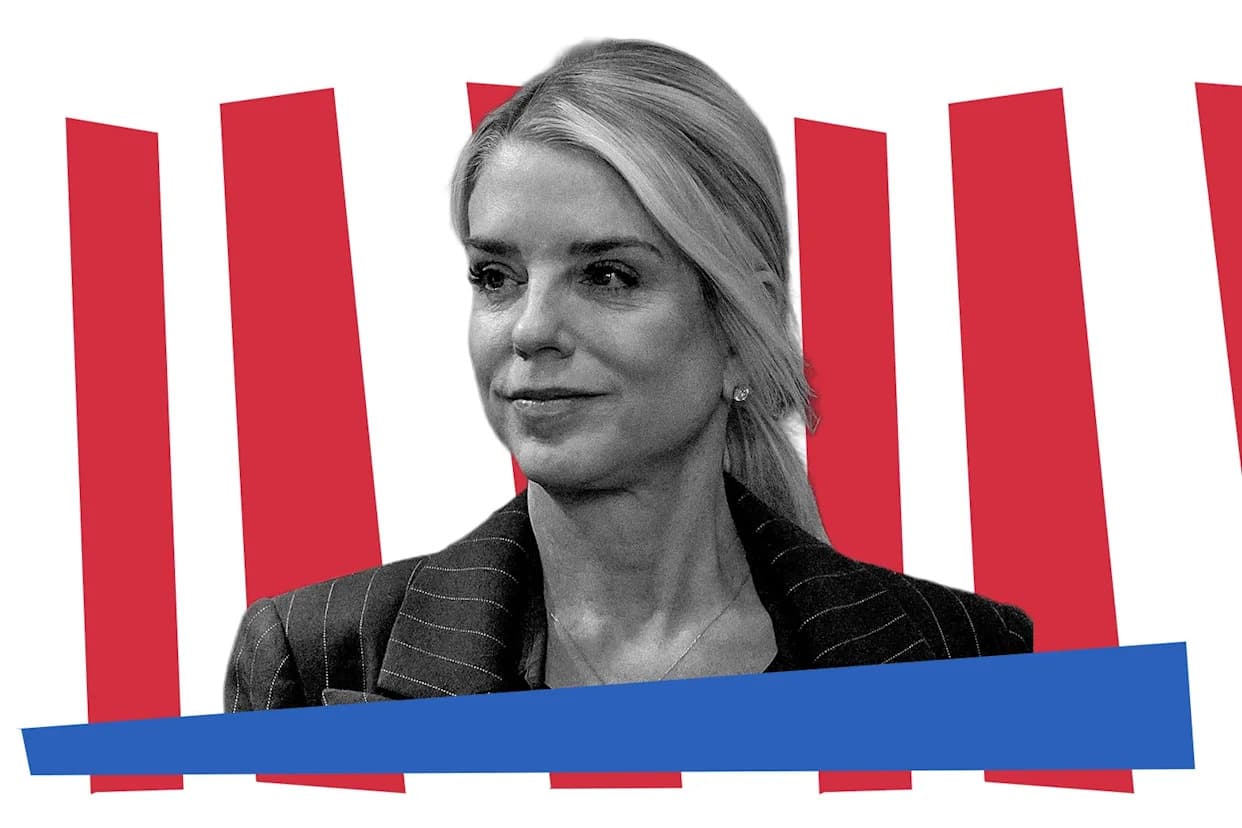
The New York Times reports that FBI Director Kash Patel ordered agents to comb through sensitive files for information that could discredit critics of Donald Trump. Documents reportedly originated from congressional Republicans, Patel-directed searches, and whistleblowers, and some disclosures may include prohibited grand jury material. Senator Chuck Grassley is identified as a principal conduit for those releases, prompting former DOJ prosecutors to request an internal investigation. The FBI denies cherry-picking evidence and highlights extensive document sharing with Congress.
New York Times: Kash Patel Directed FBI To Hunt For Dirt On Trump Critics

Kevin Dietsch / Getty Images
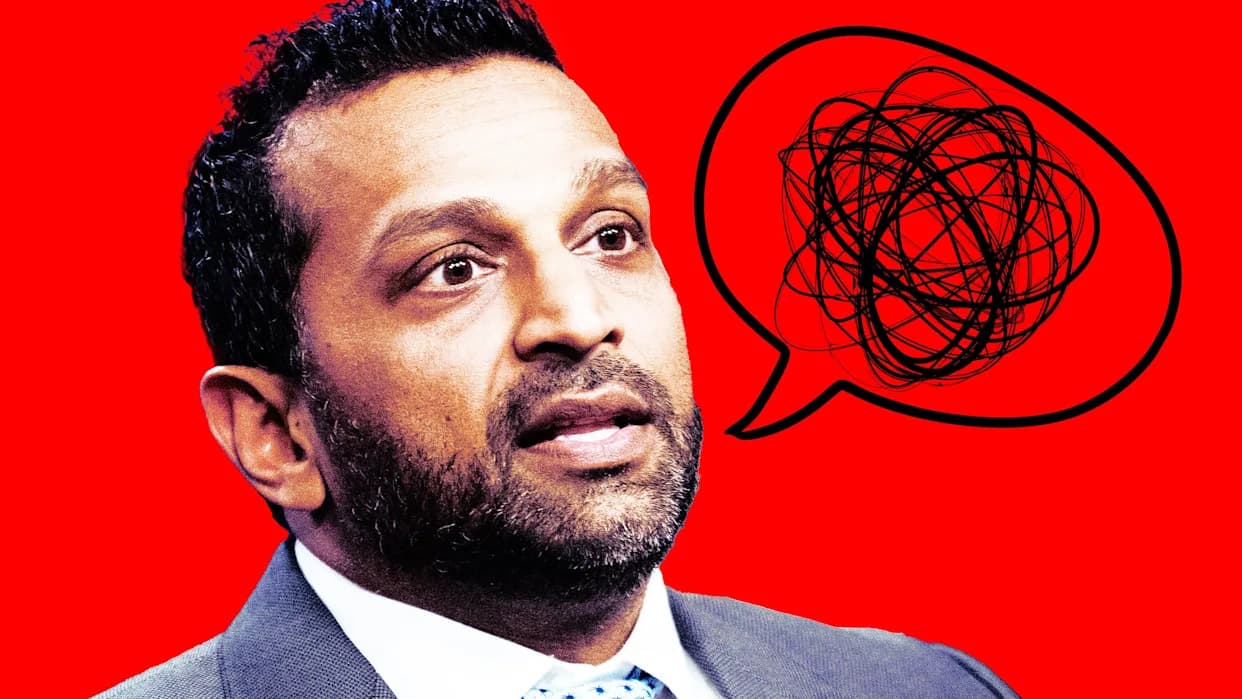
FBI Director Kash Patel has directed agents to review sensitive materials and case files in search of potentially damaging information about people perceived to be critics of Donald Trump, the New York Times reports.
What the Report Says
The Times investigation says the bureau compiled negative material — sometimes provided by congressional Republicans, opened via searches initiated by Patel’s team, or supplied by self-described whistleblowers — and that portions of those records appear to include confidential grand jury information. According to the article, some of the assembled material was circulated to Republican allies on Capitol Hill and to conservative media outlets.
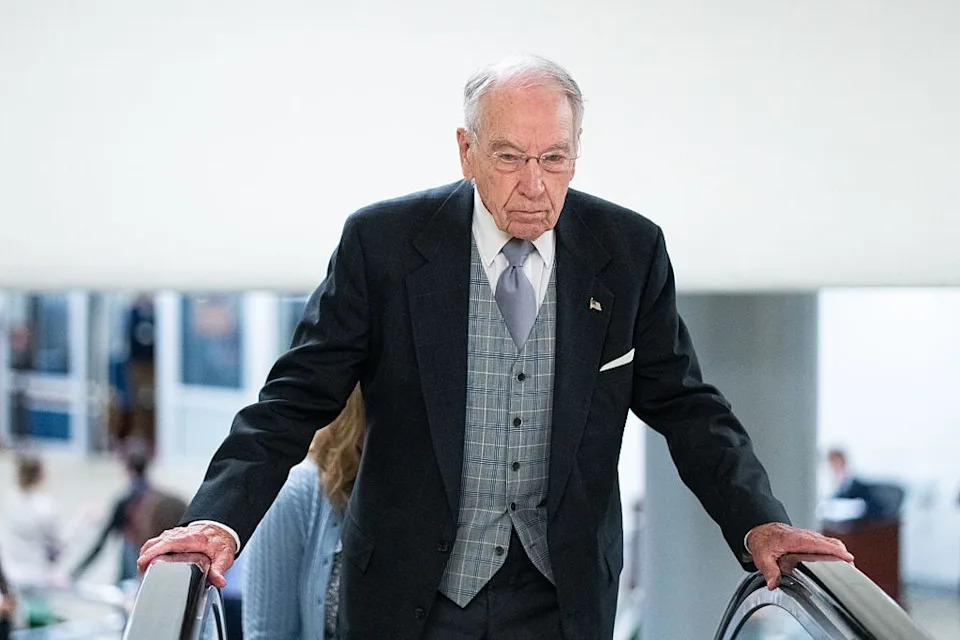
Sen. Chuck Grassley, R-Iowa, arrives in the U.S. Capitol for a vote on Tuesday, October 28, 2025. / Bill Clark / CQ-Roll Call, Inc via Getty Imag
Responses And Context
The Daily Beast and the Times both sought comment from the FBI. In a statement to the Times, FBI spokesman Ben Williamson rejected the suggestion that the agency cherry-picked evidence. “Director Patel and his leadership team have overseen the most transparent F.B.I. in history — turning over 40,000 documents to Congress in just one year, a nearly 400 percent increase over both his predecessors during their entire tenures combined,” Williamson wrote. “We are proud of our work with the committees of jurisdiction on the Hill and make zero apologies for opening the books of the F.B.I. for the American people.”
Sen. Grassley Identified As A Key Conduit
The Times identified Sen. Chuck Grassley, chair of the Senate Judiciary Committee, as a major clearinghouse for some of the material. Grassley has been an outspoken critic of Operation Arctic Frost, the FBI-led investigation into Trump’s post-2020-election actions — an investigation that Special Counsel Jack Smith incorporated into aspects of his cases against Trump.
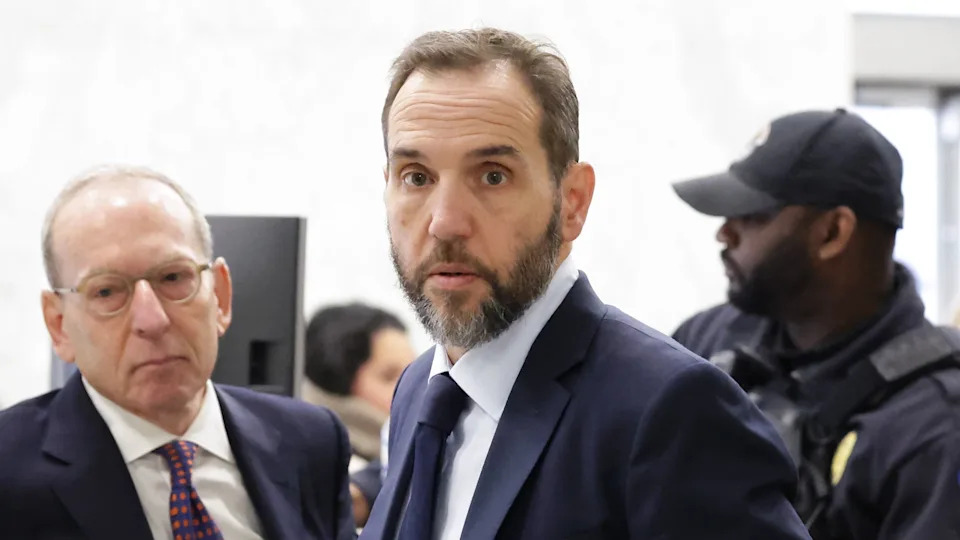
Alex Wong / Getty Images
Grassley has called Arctic Frost “a runaway train that swept up information from hundreds of innocent people simply because of their political affiliation.” He has opened a probe into the operation and said it will be a top Judiciary Committee priority in 2026.
Allegations Of Leaked Grand Jury Materials
The Times reported that some batches of documents attacking Special Counsel Smith were released ahead of congressional hearings, appearing intended to shape public opinion. Parts of the published material allegedly included grand jury proceedings. Federal law makes disclosure of grand jury materials by federal employees illegal.
Two former prosecutors who worked with Smith — J.P. Cooney and Molly Gaston — asked the Justice Department to investigate whether grand jury material was leaked to Grassley. In a letter reviewed by the Times, they said that if the published records are authentic, only Justice Department officials would have had access and that publishing them would violate federal law.
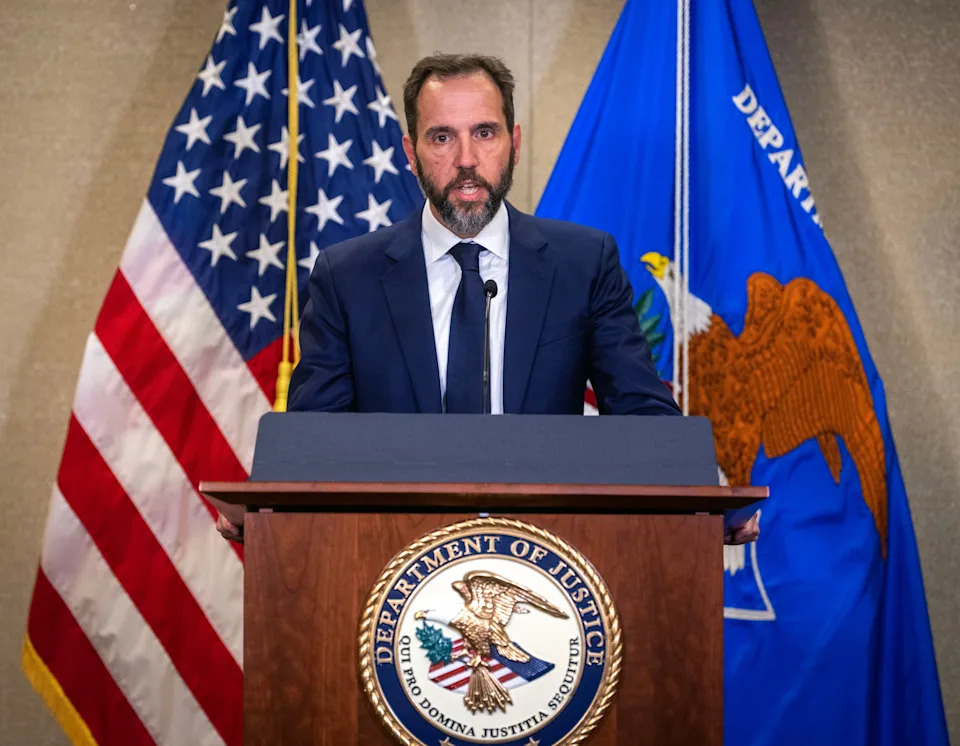
“The idea that politics played a role in who worked on that case, or who got chosen, is ludicrous,” Smith said, countering Trump's claims. / The Washington Post / The Washington Post via Getty Im
Clare Slattery, a spokesperson for Grassley, told the Times the senator’s staff vetted whistleblowers and that the senator was within his legal rights to disclose the information he made public, saying he was revealing "facts that the Biden administration hid from Congress and the American people." The Daily Beast has also reached out to Grassley’s office for comment.
Political Fallout
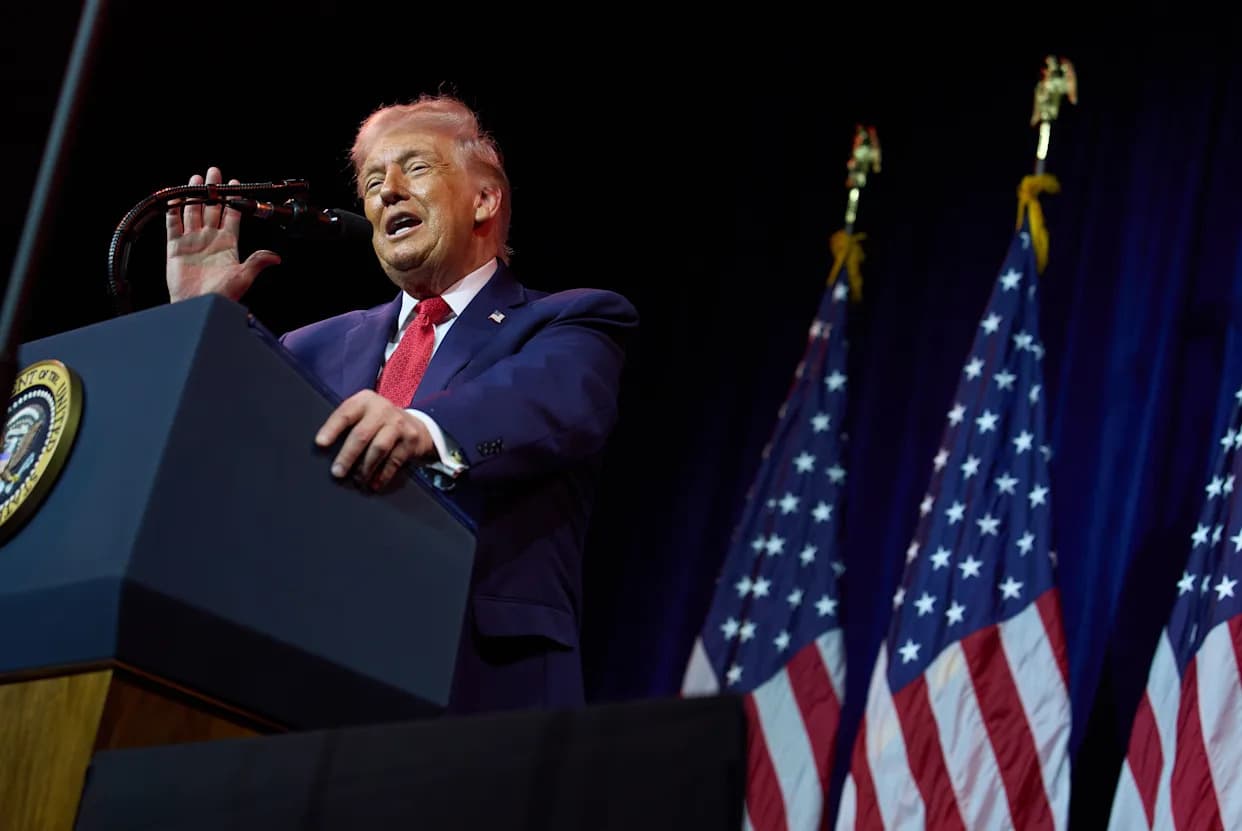
Conservative outlets amplified the document dumps, and former President Trump and other allies circulated them widely. One recent release noted that Smith’s investigation legally paid $20,000 to an FBI source; following that disclosure, Trump publicly urged that Smith be jailed.
Given the seriousness of the allegations — particularly the potential disclosure of grand jury material — former prosecutors and watchdogs have urged inquiries to determine whether any laws or internal rules were broken. The FBI and congressional offices have offered competing accounts of both the scope and the legality of the disclosures.
Help us improve.