Limited, heavily filtered internet access briefly returned in parts of Iran before being cut again on the 10th day of a communications blackout critics say masked a deadly crackdown. Rights groups including Amnesty and Iran Human Rights report thousands killed, though numbers vary and independent verification is constrained by the blackout. Iran's president warned that any attack on the supreme leader would amount to war, while authorities say order has been restored and have announced rapid trials and possible capital charges. International protests and concern over human rights violations continue.
Limited Internet Briefly Restored in Iran Amid Deadly Protest Crackdown

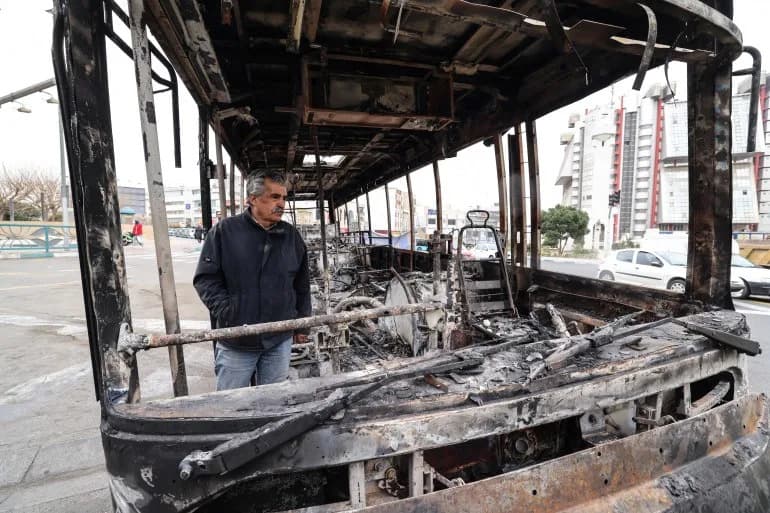
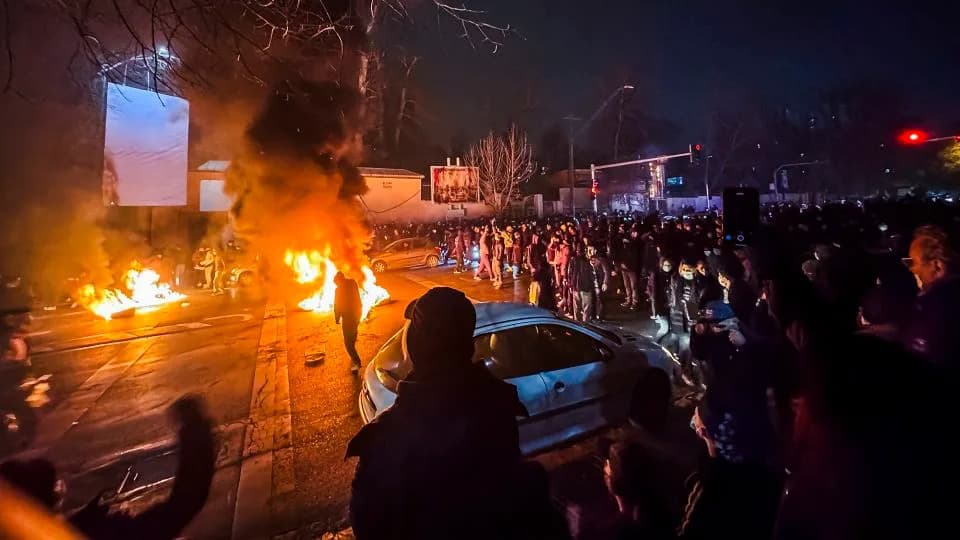
Iranian authorities have said calm has been restored in the capital after a wave of protests (ATTA KENARE)(ATTA KENARE/AFP/AFP)
Limited internet connectivity returned briefly to parts of Iran before access was cut again, a monitoring group said, marking the 10th day of a communications blackout critics say was used to conceal a deadly security crackdown on protesters.
What Happened
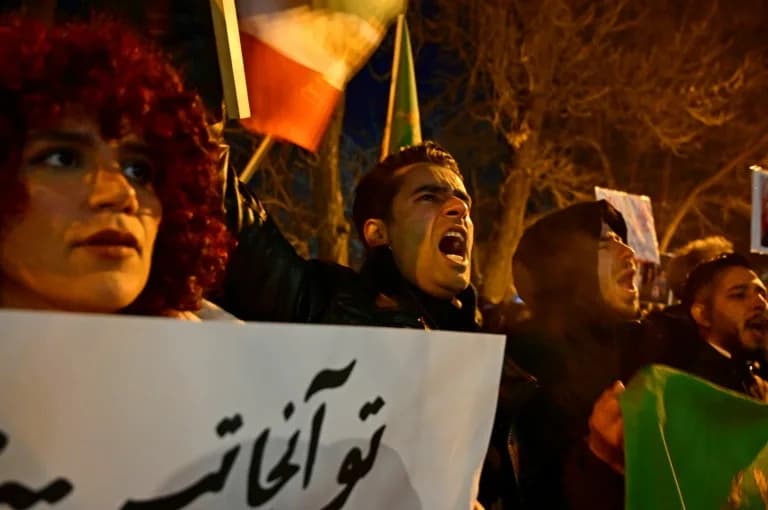
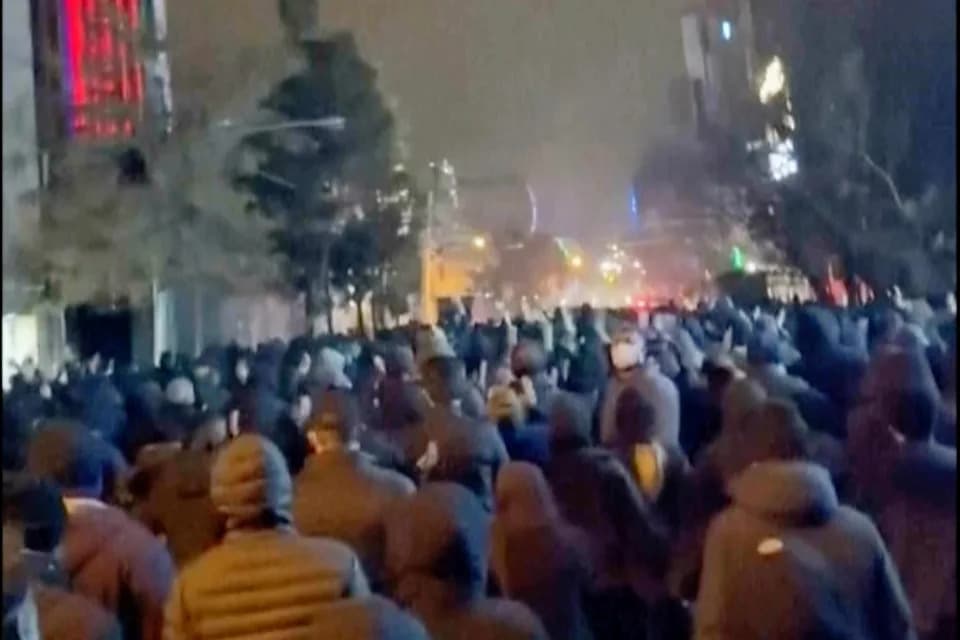
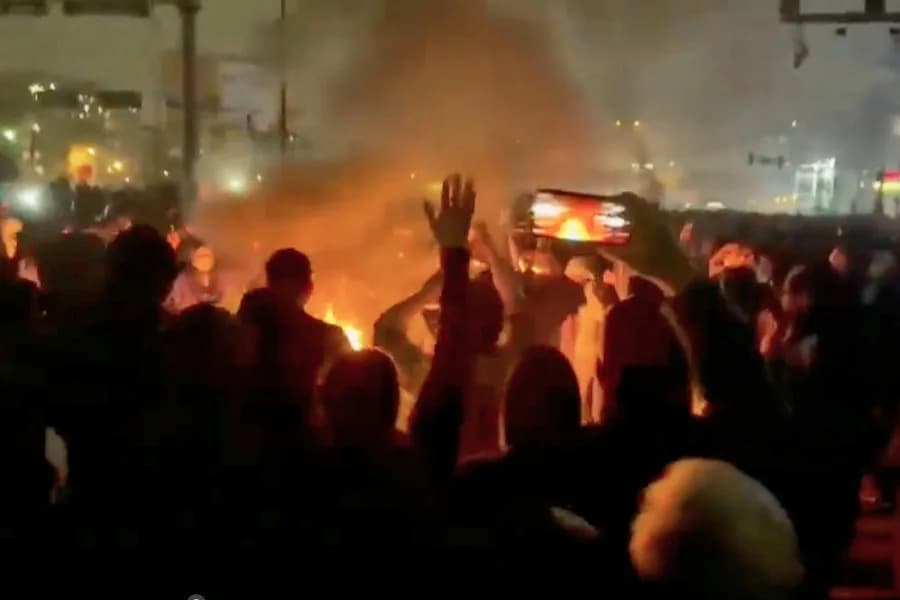
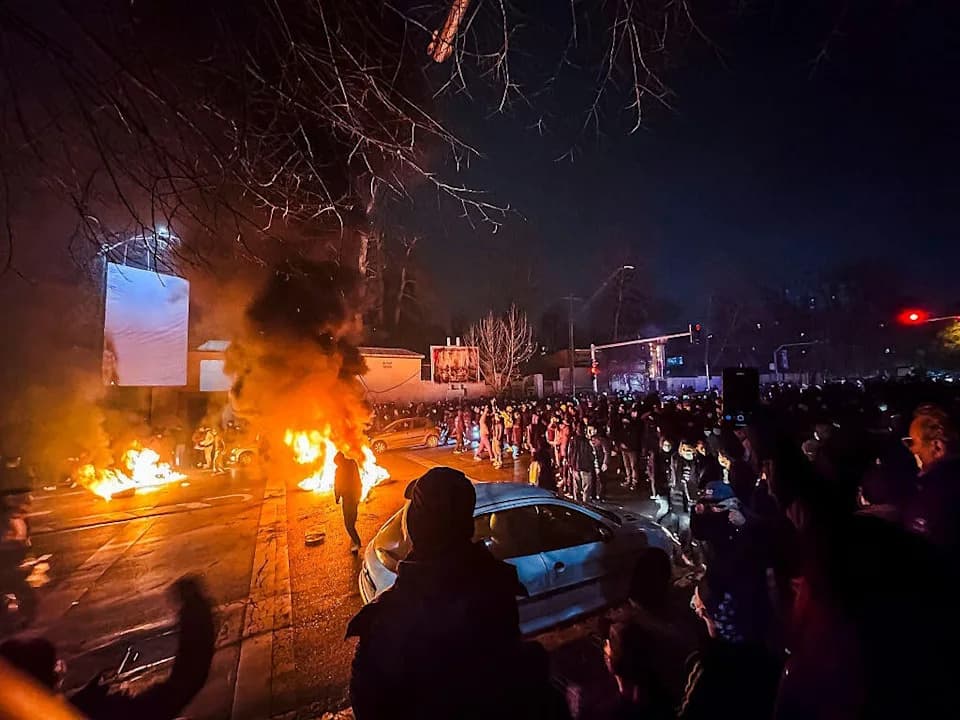
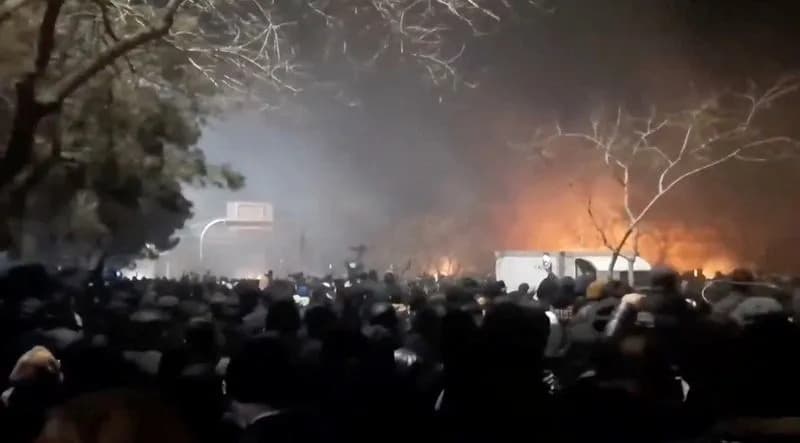
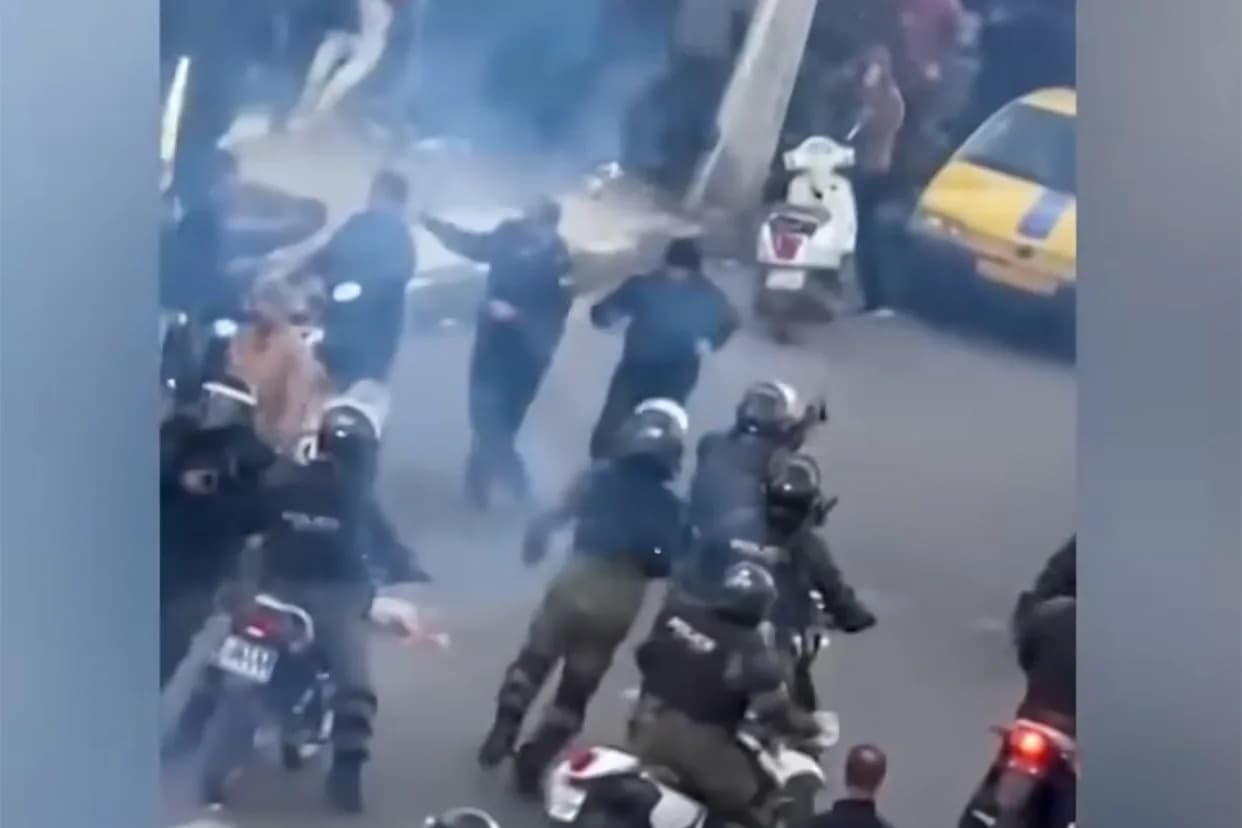
Protests that began in late December over economic hardship escalated into nationwide demonstrations that many observers describe as the most significant challenge to Iran's leadership in years. Rights groups report that security forces responded with lethal force while a nationwide internet shutdown was in effect from January 8.
Communications And Digital Access
NetBlocks reported a brief, heavily filtered restoration of select Google and messaging services before traffic levels fell again. Some users reported temporary access to WhatsApp; international outgoing calls and text messaging were reported to have resumed intermittently. Fars news agency said the chief executive of Irancell, the country's second-largest mobile operator, was dismissed after failing to follow government orders to cut internet services.
Casualty Figures And Verification
Amnesty International said it had verified dozens of videos and testimonies showing what it described as a "massacre of protesters" by security forces. Norway-based Iran Human Rights (IHR) reported verifying 3,428 deaths using sources inside Iran's health system, witnesses, and independent corroboration, but warned the true toll may be higher. Other estimates circulating externally put the death toll substantially higher — ranging from several thousand to figures claimed by some outlets that exceed 10,000 — though independent verification has been hampered by the communications blackout.
Government Response And Legal Action
Iranian authorities say order has been restored and describe the unrest as violent "riots" influenced by foreign adversaries. President Masoud Pezeshkian warned on the social platform X that any attack on Supreme Leader Ayatollah Ali Khamenei would be tantamount to a declaration of war. Judiciary spokesman Asghar Jahangir said rapid trials would be held and warned that some acts could be prosecuted as the capital offence of "moharebeh" (waging war against God). Local media reported deaths among security forces as well as thousands of arrests.
International Reaction And Protests Abroad
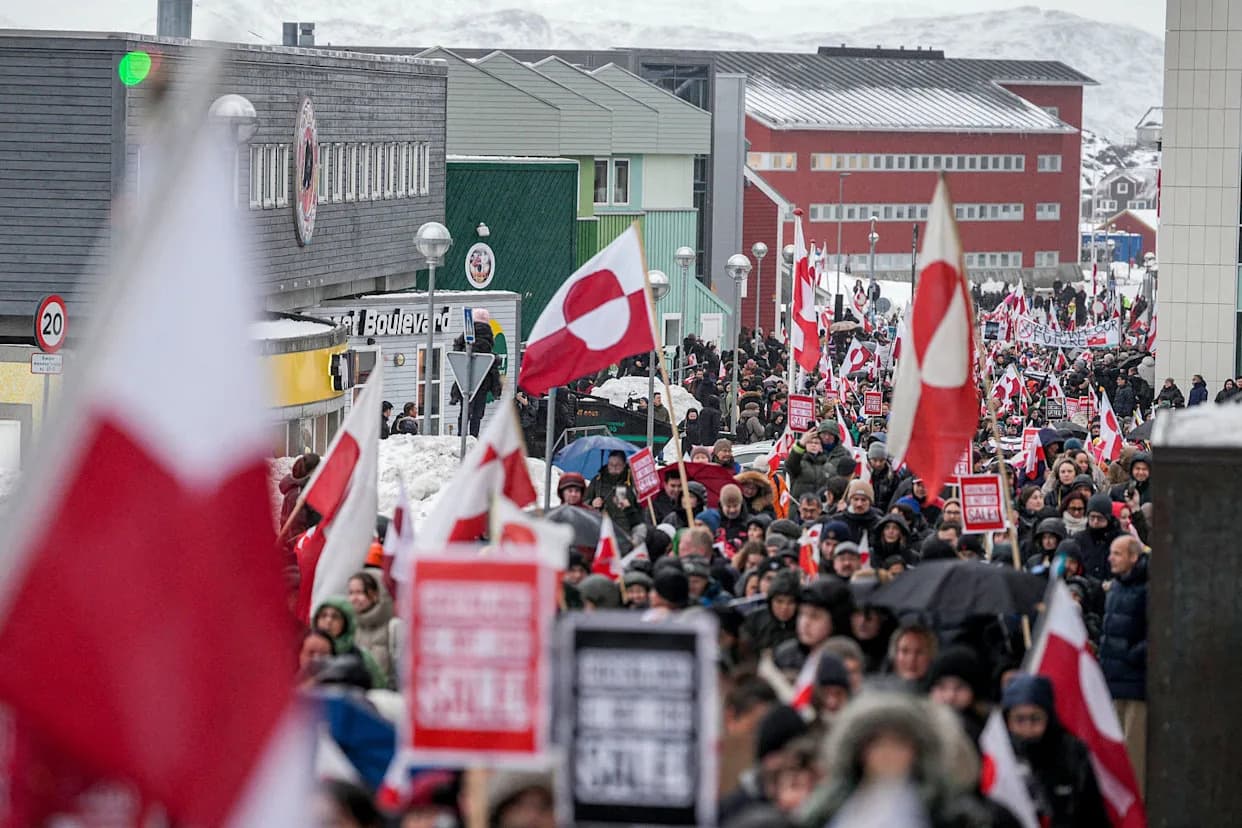
Solidarity demonstrations have continued in cities such as Berlin, London and Paris. U.S. political leaders have publicly criticized Tehran, and tensions between officials in Washington and Tehran have risen amid mutual recriminations. Observers have voiced alarm over reports of executions or death sentences for detainees; analysts warn that harsh punishments could be used to deter further protests.
Note: Many casualty and arrest figures remain contested and are difficult to independently verify because of restricted communications inside Iran.
Help us improve.