The Justice Department, under the Trump administration, has launched investigations and legal challenges that critics say prioritize claims of "reverse discrimination" and seek to curb diversity, equity and inclusion programs. A June letter to Rhode Island and a lawsuit against Minnesota illustrate the department's new emphasis, and a December rule removed disparate-impact liability from Title VI regulations. Former DOJ attorneys warn the shift is politically driven and risks eroding institutional expertise; the department says it is enforcing the law where DEI practices violate federal civil-rights statutes.
DOJ Shift Toward 'Reverse Discrimination' Claims Spurs Turf Battle Over Civil Rights Enforcement

File: Harmeet K. Dhillon speaks at the IAC National Summit on Jan. 17, 2026 in Hollywood, Florida. / Credit: Noam Galai / Getty Images(Noam Galai / Getty Images)
A June letter from the Justice Department to Rhode Island officials reaffirmed a familiar legal principle — that federal civil-rights law "prohibits an employer from discriminating against an individual on the basis of race, color, religion, sex, or national origin." But that routine-sounding notice is part of a broader Justice Department initiative that critics say is reversing decades of enforcement aimed at protecting historically marginalized groups.
New Focus on Alleged "Reverse Discrimination"
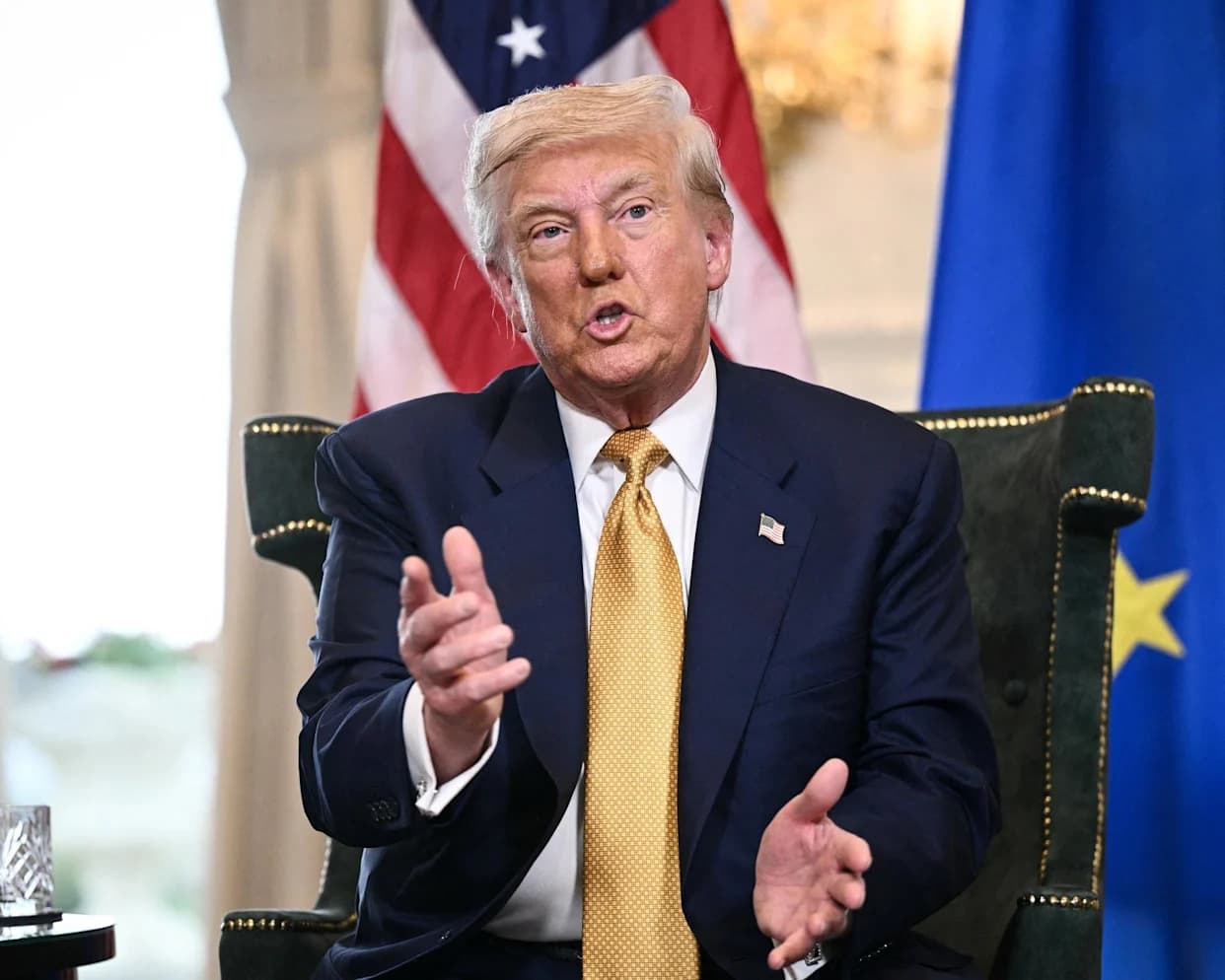
Former Justice Department attorneys told CBS News the department's Civil Rights Division is increasingly prioritizing claims that White people are being harmed by diversity, equity and inclusion (DEI) and affirmative-action programs. The shift was underscored by President Trump's recent comments to the New York Times asserting that civil-rights protections and related programs have disadvantaged White applicants for colleges and jobs.
"I think that a lot of people were very badly treated," the president said. "White people were very badly treated, where they did extremely well and they were not invited to go into a university or a college."
Investigations and Lawsuits
The Rhode Island inquiry examines whether the state discriminated in government hiring while implementing an affirmative-action plan commonly used to promote workforce and student diversity. That probe is one of several recent actions by the department targeting organizations and governments that employ DEI initiatives.
Last week the department also sued the state of Minnesota, challenging a state law that requires affirmative-action programs for civil service hiring and arguing the law conflicts with the Civil Rights Act of 1964.
A department spokesperson defended the renewed scrutiny of DEI practices: "The DEI insanity that took hold of our country over the past decade or so has led to blatant, widespread race and sex discrimination in violation of federal law. The Civil Rights Division has dozens of active investigations into potentially unlawful discrimination adopted under the guise of diversity, equity, and inclusion. Some of these investigations are public, some aren't. When we identify violations of federal law, we will not shy away from taking action."
Policy Changes and Legal Standards
In December, Assistant Attorney General for Civil Rights Harmeet Dhillon announced a rule change eliminating disparate-impact liability from Title VI regulations. Title VI prohibits discrimination based on race, color, or national origin in programs that receive federal financial assistance. Disparate-impact theory covers policies that are facially neutral but have unjustified, disproportionate harms on protected groups, and it has underpinned lawsuits in housing, lending, employment and access to services.
Dhillon argued that removing disparate-impact regulations would require proof of intentional discrimination rather than treating outcomes alone as sufficient evidence of legal violations.
Concerns From Former Officials and Advocates
Former Civil Rights Division attorneys and civil-rights advocates said the shift appears politically driven and risks undermining longstanding protections. Jen Swedish, who previously worked in the Civil Rights Division and now advises former Justice Department staff, said the department is "acting on the president's notion that civil rights laws have harmed White people." She described the new priorities as narrowing the division's focus.
Derrick Johnson, president of the NAACP, called the administration's framing "patently false" and warned that the rhetoric could inflame racial tensions.
Community activist John Wesley of Baltimore cautioned that weakening protections could harm economically vulnerable people of all races. He and other critics also warned that recent departures of experienced civil-rights attorneys will weaken the department's institutional capacity to investigate and remedy discrimination.
Staffing and Institutional Impact
Colleagues at Justice Connection estimate that thousands of Justice Department employees left during the first year of the administration's second term, citing policy changes and new leadership. Former staff say those losses represent hundreds or thousands of years of institutional experience — a consequential drain for the division charged with enforcing civil-rights laws.
Dhillon has said the department is hiring new attorneys for the Civil Rights Division, but it remains unclear whether the department's emphasis on alleged reverse discrimination will attract new recruits or prompt further departures.
What This Means Going Forward
The Justice Department's active investigations and legal challenges signal a sustained effort to scrutinize and potentially limit DEI and affirmative-action practices. The outcome of high-profile lawsuits and regulatory changes will shape how federal civil-rights law is interpreted and enforced, with ramifications for public employers, universities, and organizations that pursue diversity initiatives.
Help us improve.