Summary: The latest protests have intensified debate over who will succeed 86-year-old Supreme Leader Ayatollah Ali Khamenei, but Iran lacks an obvious heir apparent. Exiled figures like Reza Pahlavi have gained visibility, while many reformers inside Iran remain jailed or silenced. The Islamic Revolutionary Guard Corps retains decisive influence and could shape any transition, making a peaceful, uncontested change of leadership unlikely.
Iran’s Leadership Vacuum: Why There’s No Clear Successor to Khamenei

An Iranian woman carries a national flag and a portrait of Iran's Supreme Leader Ayatollah Ali Khamenei in southern Tehran in December 2025. (Morteza Nikoubaz / Morteza Nikoubazl via Reuters)(Morteza Nikoubaz)
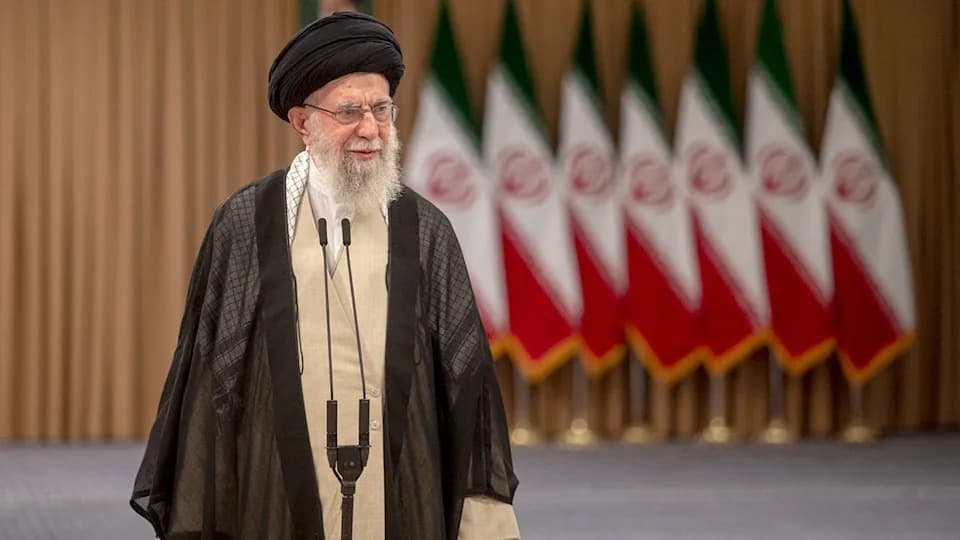
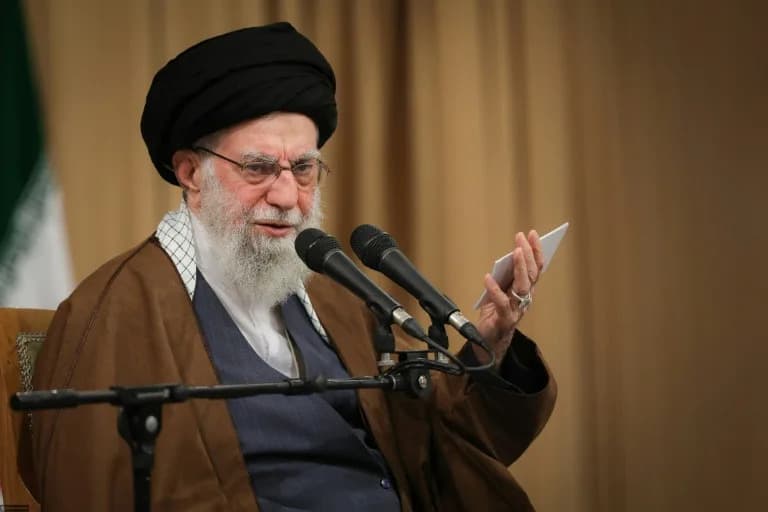
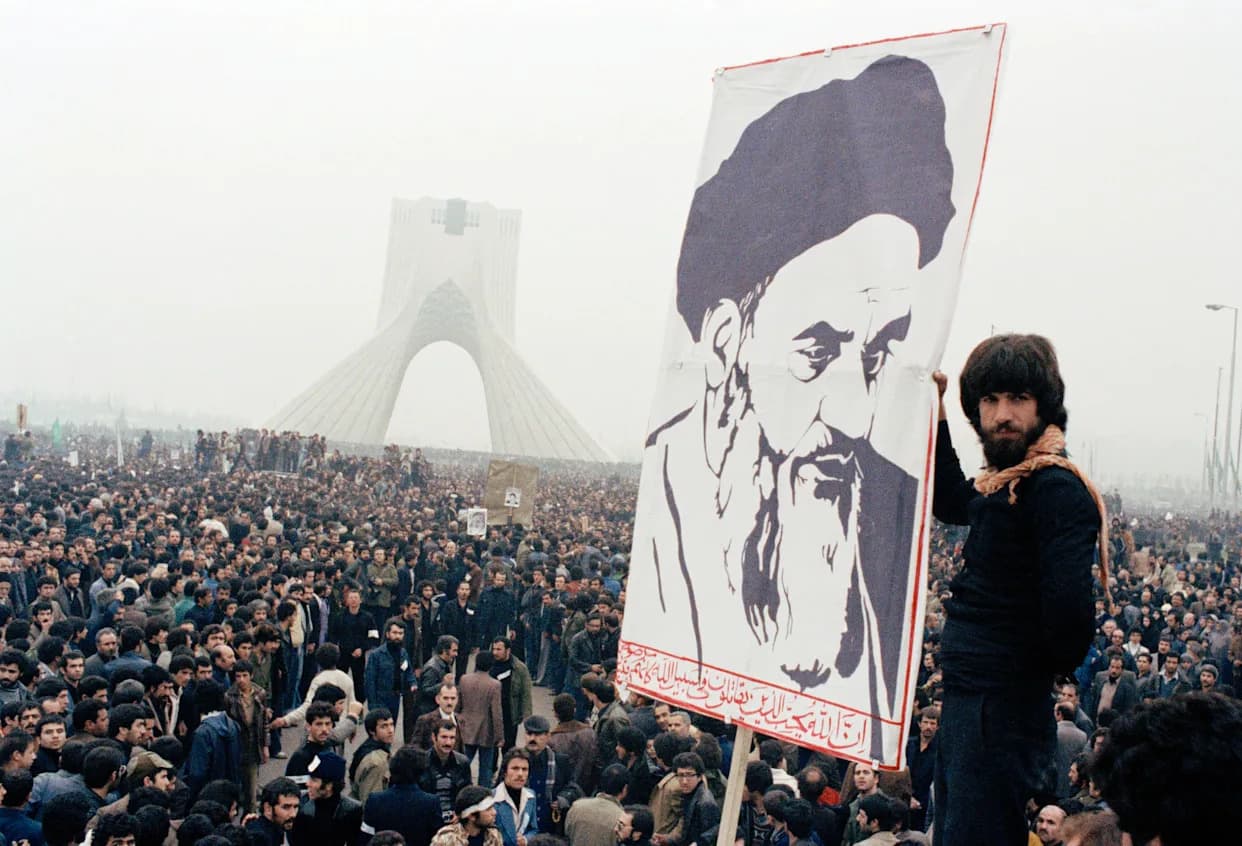
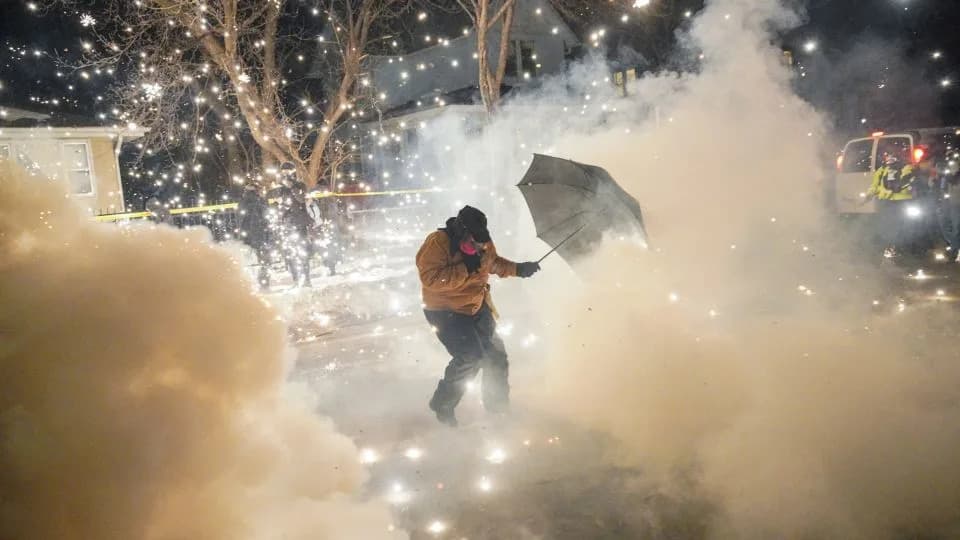
The Iranian regime appears to have suppressed the latest street protests, but the question of long-term leadership remains unresolved. Supreme Leader Ayatollah Ali Khamenei, 86, will eventually need a successor whether by natural death or removal, and recent nationwide unrest has sharpened debate over who might follow him.
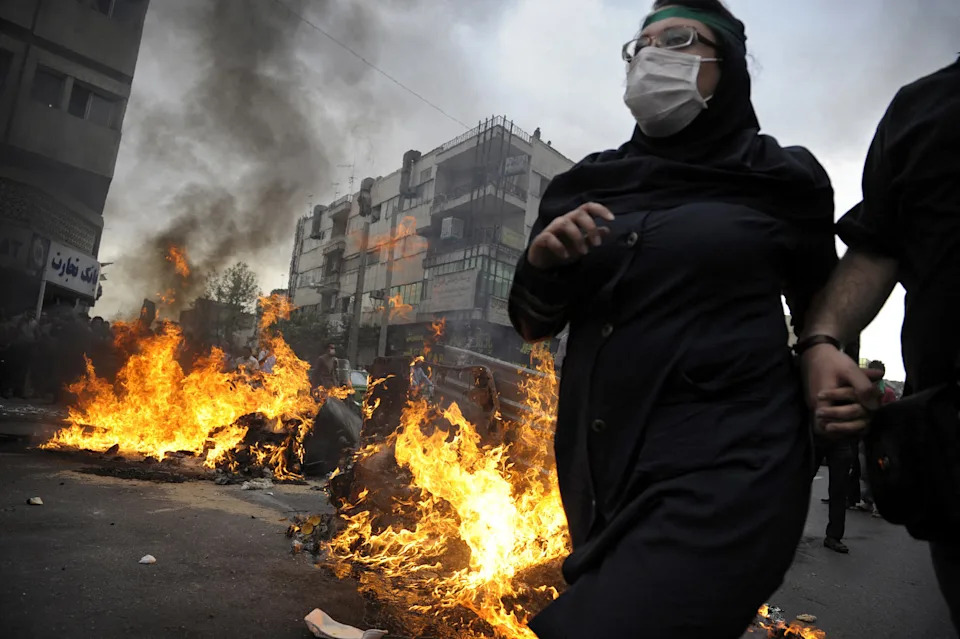
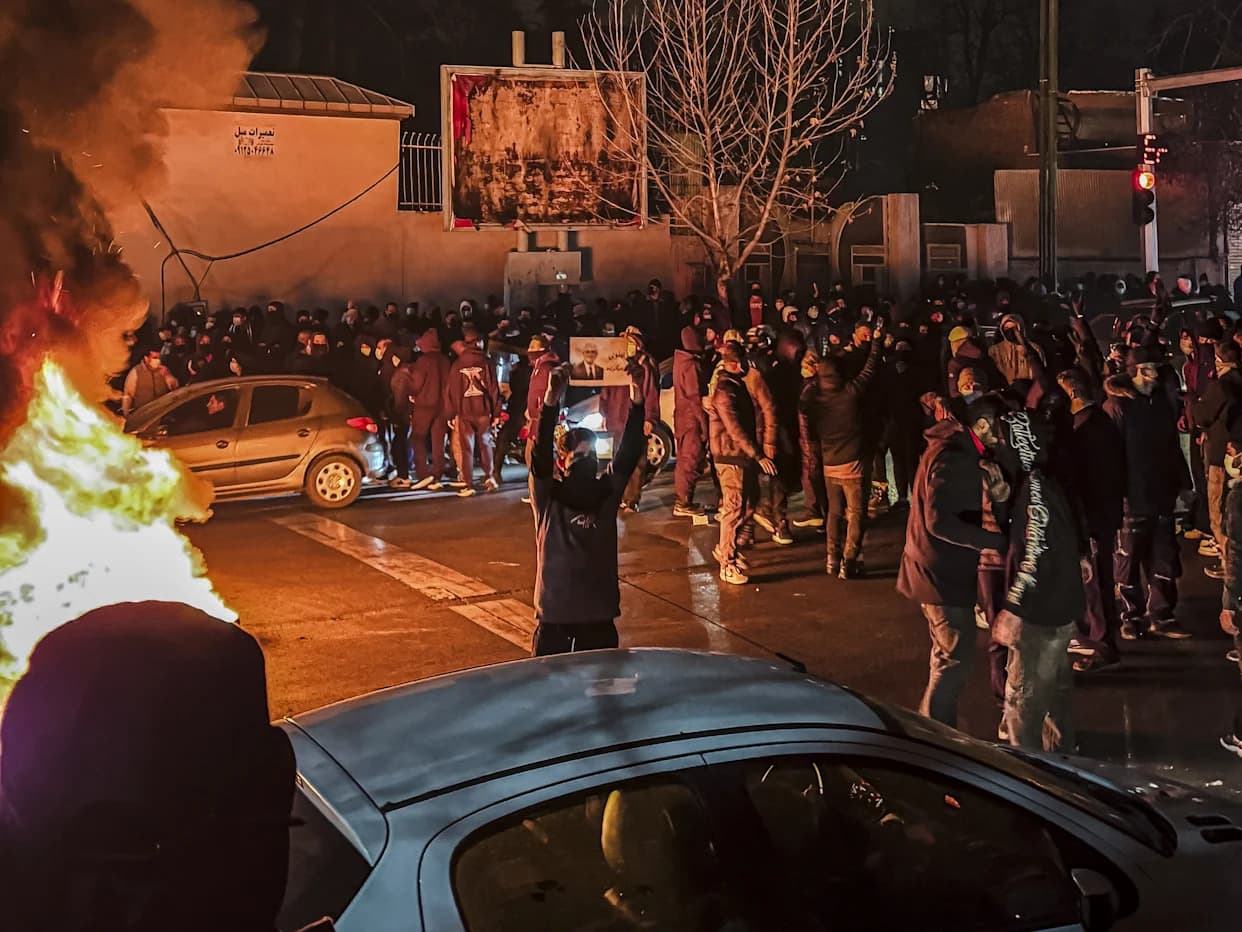
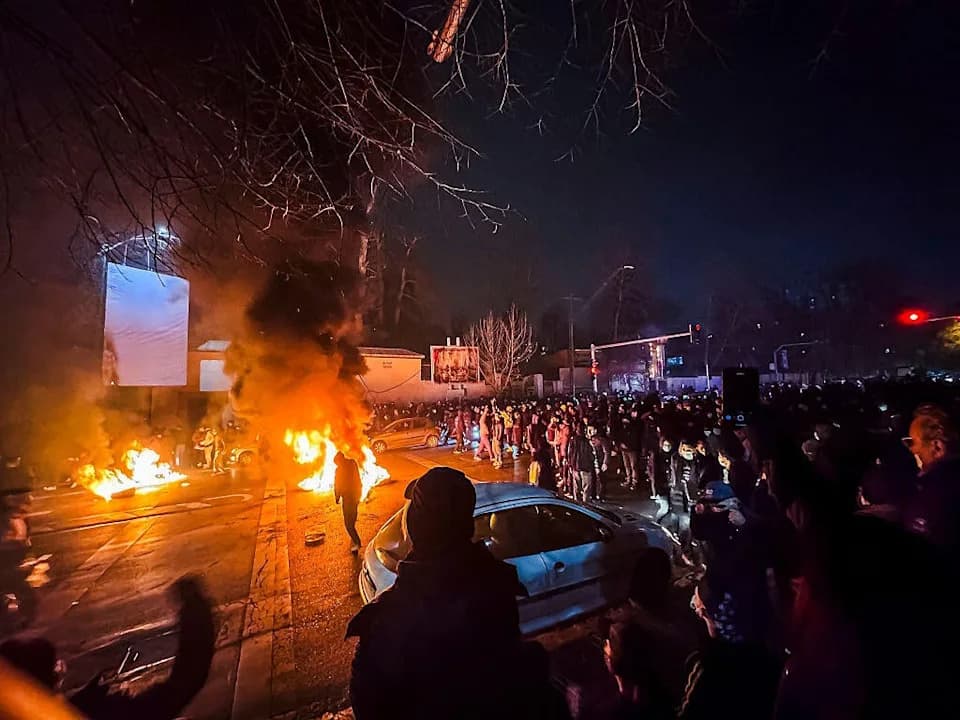
Supporters of defeated Iranian presidential candidate Mir Hossein Mousavi run past burning debris during riots in Tehran in June 2009. (Olivier Laban-Mattei / AFP via Getty Images)(Olivier Laban-Mattei)
Deep Divisions And A Fragmented Opposition
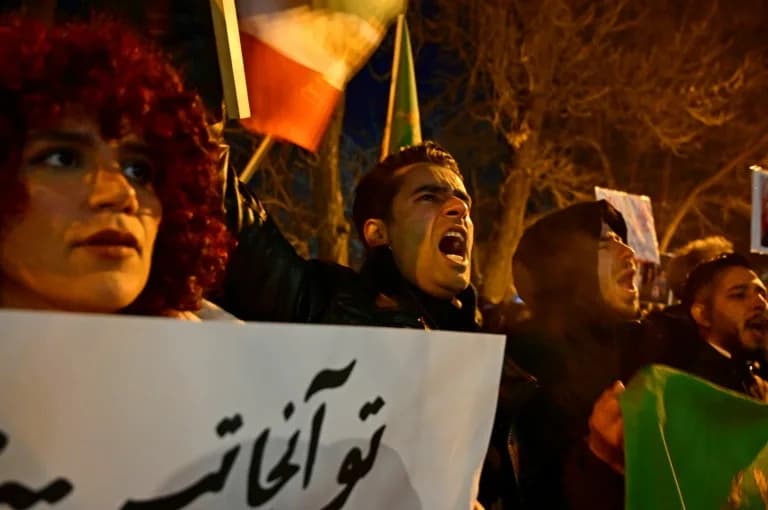
The protests have exposed significant splits within Iran’s clerical establishment, security organs and the opposition. President Masoud Pezeshkian rejected calls to remove the supreme leader, posting on X that “an attack on our country’s Supreme Leader is equivalent to a full-scale war with the Iranian people.” Yet repeated waves of unrest — in 2009, 2019, 2022–23 and now 2025–26 — show sustained public anger without an organized alternative capable of taking and holding power.
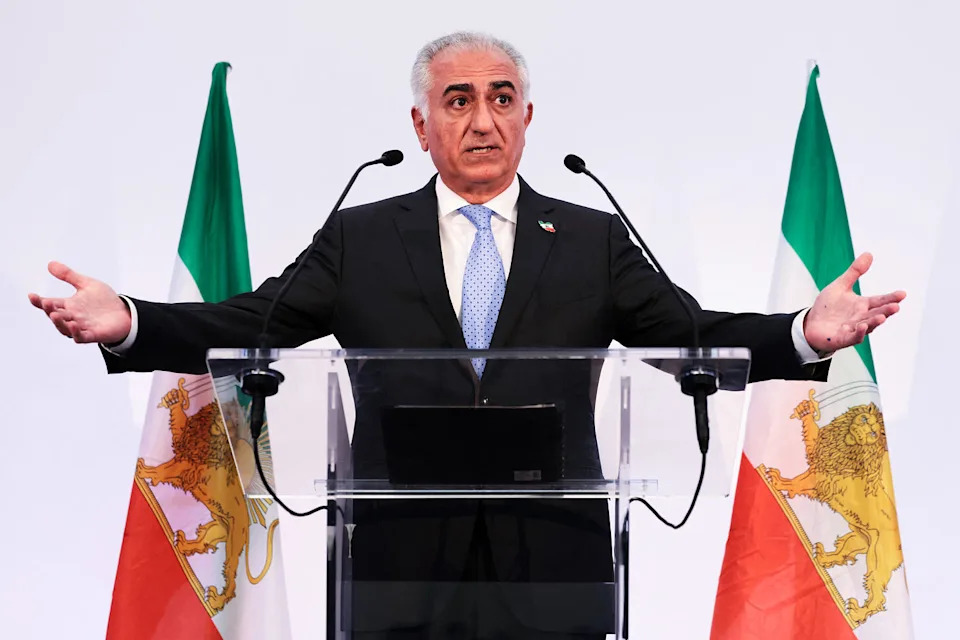
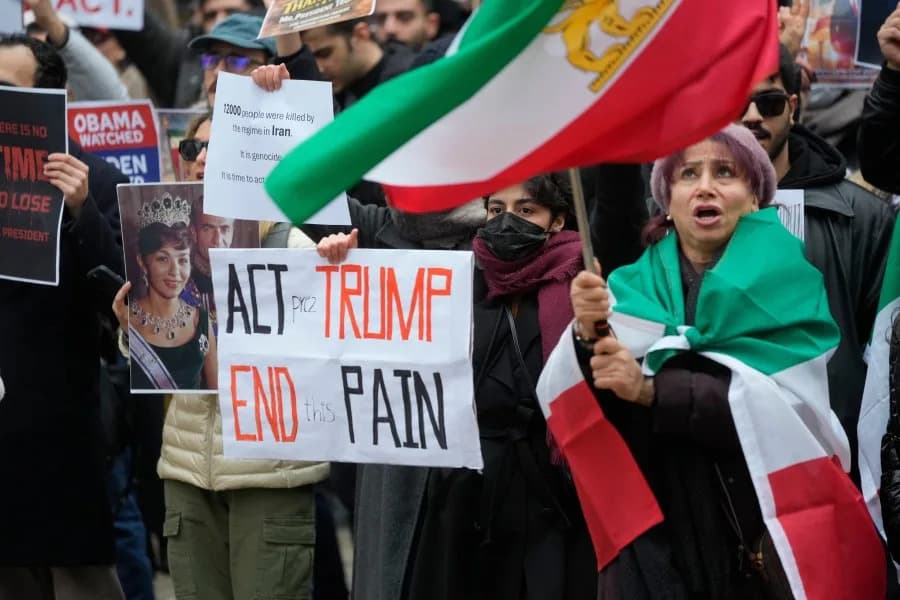
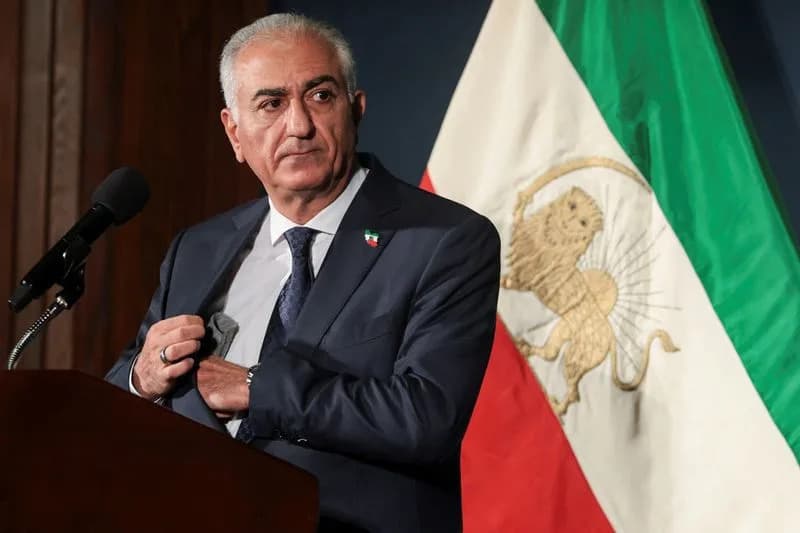
Iranian opposition leader Reza Pahlavi speaks in Paris in June 2025. (Joel Saget / AFP via Getty Images)(Joel Saget)
Why a Smooth Transition Is Unlikely
Analysts warn that a revolutionary overthrow could be violent and chaotic. Ellie Geranmayeh of the European Council on Foreign Relations cautioned that a revolution could bring a “Syria-fication” of Iran — a prolonged and bloody conflict. The economy, battered by sanctions, remains in chronic difficulty, while falling electoral turnout underscores public dissatisfaction.

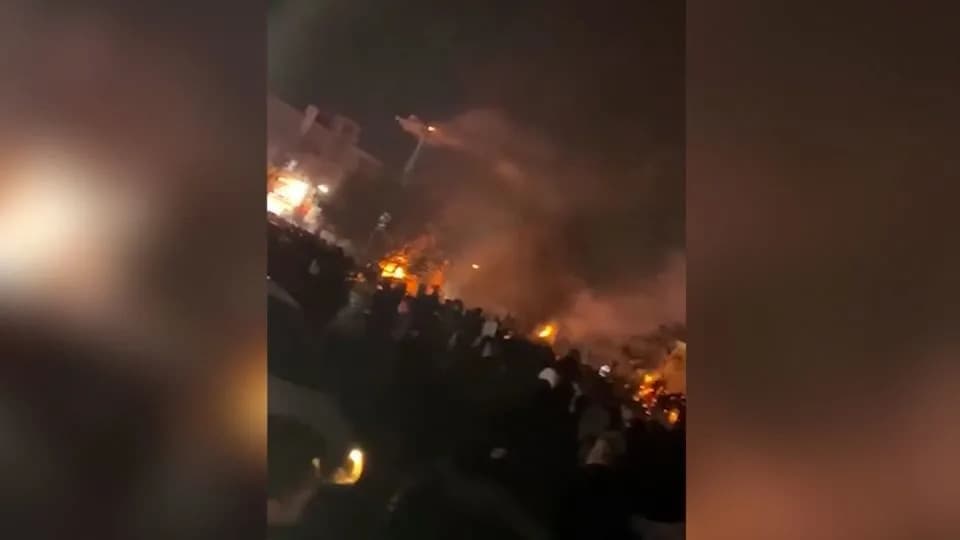
Iranians take care of people injured in an Israeli strike on Keshavarz Boulevard in downtown Tehran in June 2025. (Asad / Middle East Images/AFP via Getty Images)(Asad)
Exiles, Reformers And Repression
Potential reformist leaders — Nobel laureate Narges Mohammadi, former Prime Minister Mir Hossein Mousavi and former deputy interior minister Mostafa Tajzadeh — are jailed or under house arrest, reflecting the regime’s effectiveness at neutralizing dissent. That repression has hindered the emergence of an organized domestic opposition.
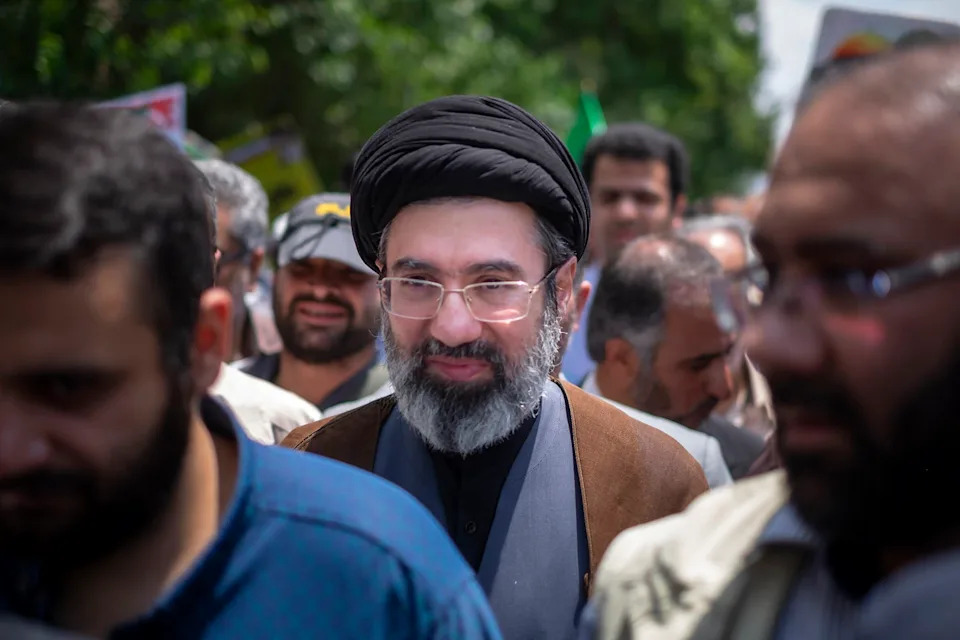
Mojtaba Khamenei in Tehran in 2019. (Morteza Nikoubazl / NurPhoto via Getty Images)(Morteza Nikoubazl)
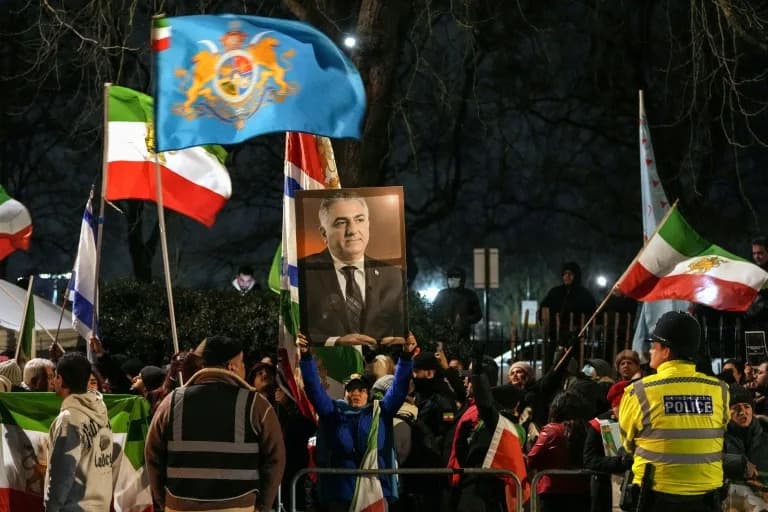
Among exiled figures, Reza Pahlavi, the son of the last shah, has raised his profile and is presenting himself as a transitional leader who could guide Iran toward democracy. He draws support from monarchists in the diaspora and from Iranians frustrated with the theocracy. Critics point out limits to his appeal inside Iran, questions about his policy positions (including controversial comments about Israel-related strikes) and the difficulty of measuring his domestic support given pervasive state control of media and polling.
Power Centers Inside Iran
If Khamenei remains until his death, observers have speculated he might favor his son Mojtaba Khamenei, 56, though Mojtaba’s public profile is low and his backing among senior clerics and members of the Assembly of Experts is unclear. The Assembly of Experts is the clerical body formally tasked with choosing the next supreme leader, and its preferences will matter.
The Islamic Revolutionary Guard Corps (IRGC) is Iran’s most powerful military, political and economic institution. Despite losing senior commanders in last summer’s 12-day war with Israel, the IRGC still controls extensive commercial interests. Many analysts argue the Guard could consolidate to protect those interests and shape any transition — possibly installing a leader who would preserve the status quo while allowing limited ceremonial change.
Other Potential Internal Contenders
Names frequently mentioned as possible successors or influential power-brokers include Ali Shamkhani (an adviser to the supreme leader), Mohammad-Bagher Ghalibaf (hard-line parliamentary speaker) and Ali Larijani (secretary of Iran’s Supreme National Security Council). Ebrahim Raisi, who died in a 2024 helicopter crash, had been viewed previously as a likely contender. Any of these figures would face intense factional opposition inside the system, even as they hold substantial institutional allies.
External Voices And The Risk Of Missteps
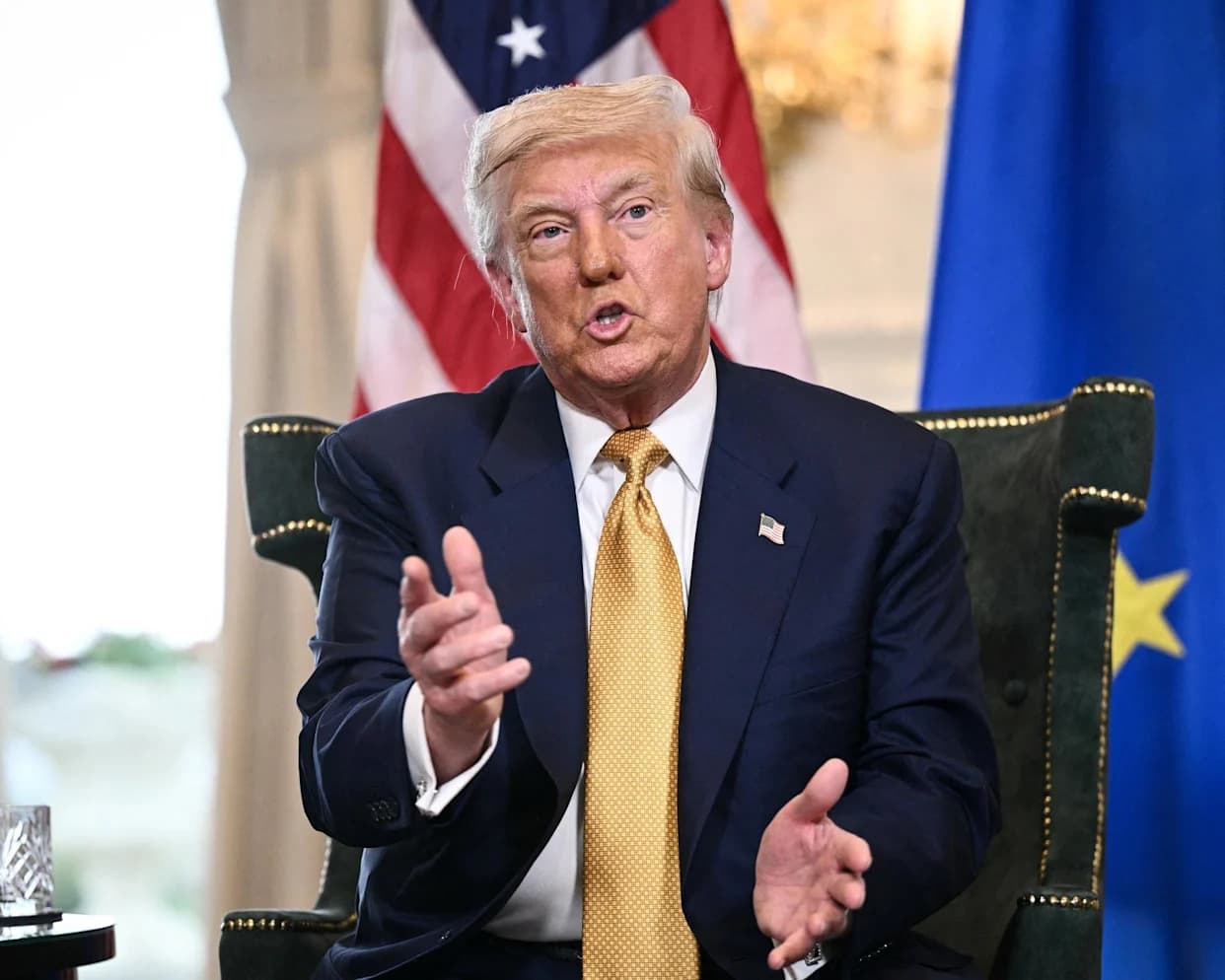
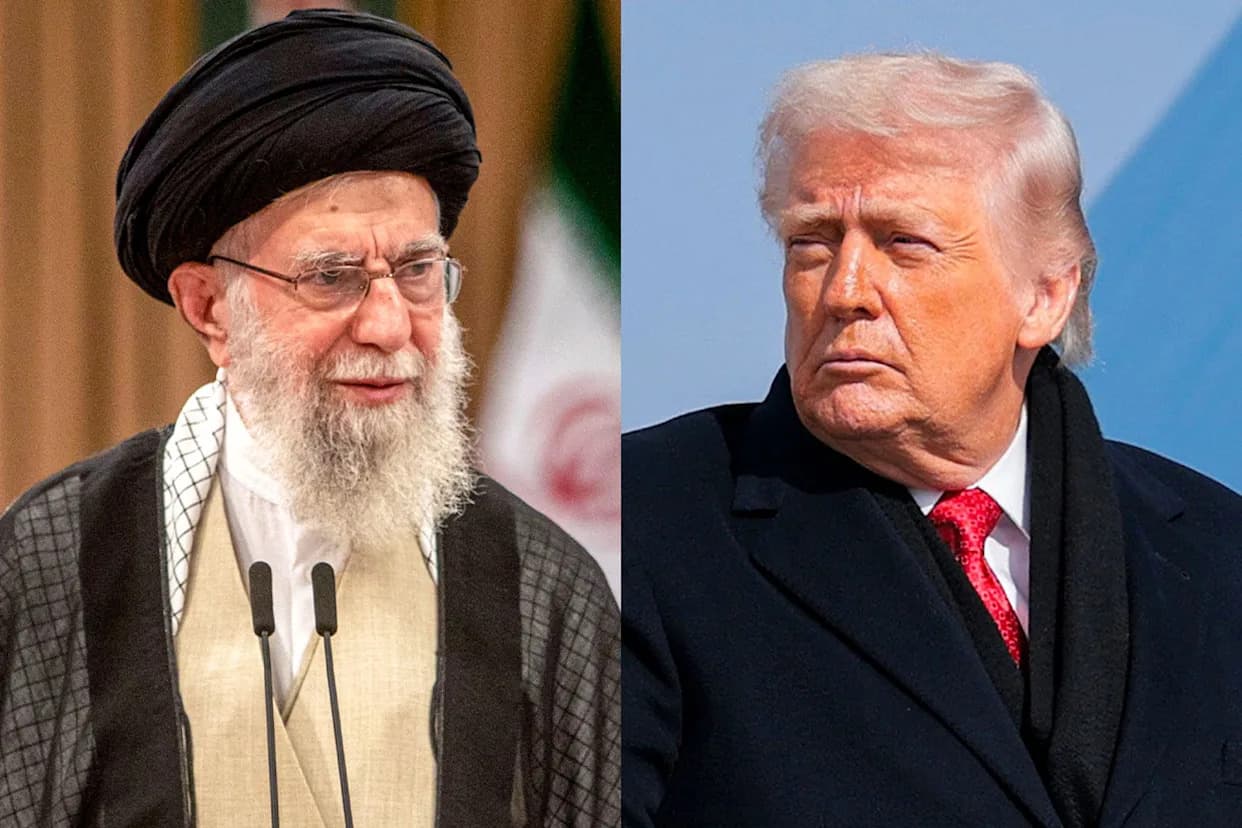
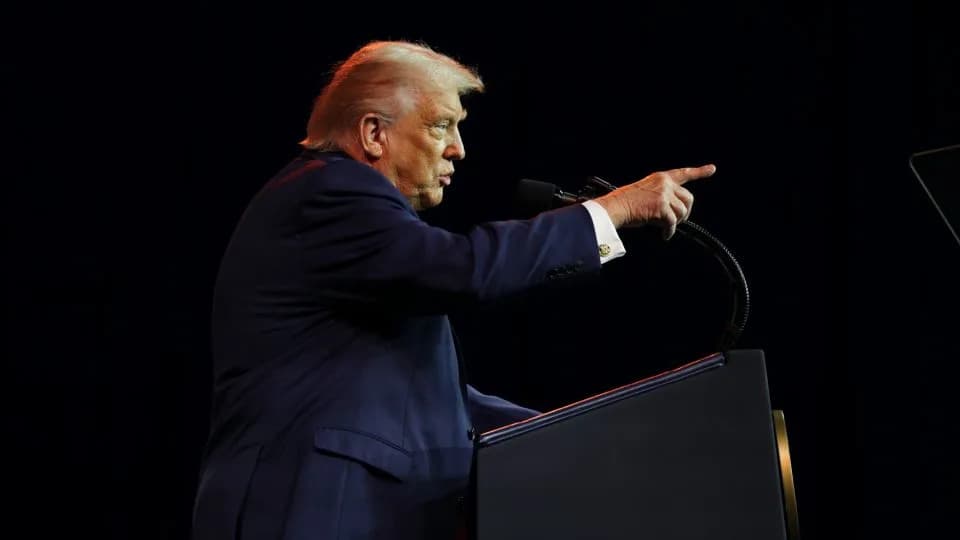
External actors and exiled figures have called for change: former U.S. President Donald Trump told Politico it is “time to look for new leadership in Iran.” Some analysts warn that outside pressure and overly simplistic endorsements of particular individuals risk undermining domestic credibility and could sharpen internal tensions, increasing the chance of violent confrontation.
Bottom line: Iran currently lacks a clear, broadly accepted successor to Ayatollah Khamenei. The IRGC remains the central power broker, the domestic opposition is fragmented and many reformist leaders are detained. Any leadership transition is likely to be contested, complex and potentially destabilizing.
Help us improve.