The Israeli Supreme Court dismissed final appeals by 28 Palestinian families in Batn al-Hawa, Silwan, leaving roughly 700 residents across about 84 families at risk of eviction. The dispute centers on revived claims tied to the 19th-century Benvenisti Trust, now administered by the settler group Ateret Cohanim, and an official probe found irregularities in the trust's finances. Local families describe mounting psychological pressure, community fragmentation, and unaffordable relocation costs as evictions proceed. Children and parents are spending last days together under fear and uncertainty while legal and political battles continue.
'Enormous Pain In My Heart': Mass Evictions Threaten Families Near Al-Aqsa In East Jerusalem

Kayed Rajabi looks out from the rooftop of the home he has been ordered to leave so Israeli settlers can move in [Al Jazeera]
Batn al-Hawa, East Jerusalem — In the final days before they may lose the only homes they have ever known, residents of Batn al-Hawa gather on rooftops and stairs to share fragile moments together. From his family's roof, Kayed Rajabi watches Al-Aqsa Mosque across the Silwan valley and smokes nervously: 'Smoke, smoke, smoke. That is all we can do.'
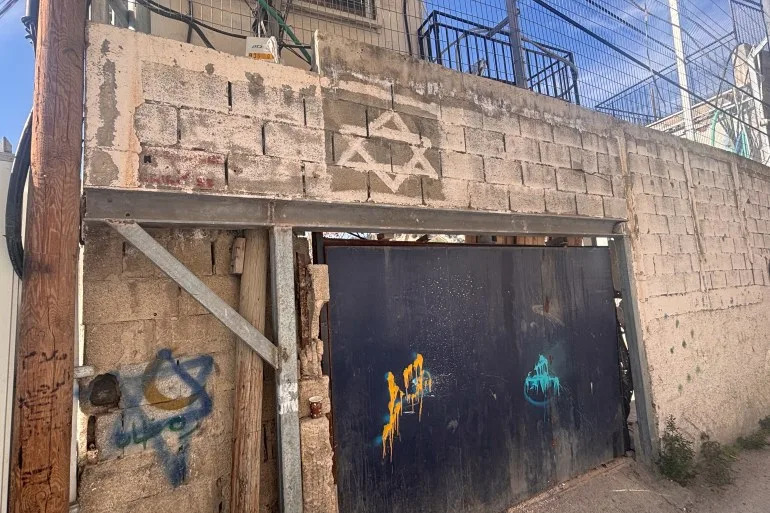
A seized home bearing grafitti in Batn al Hawa, East Jerusalem [Al Jazeera]
A municipal street sweeper who has stopped going to work for fear his family will be expelled while he is away, Kayed said children in the neighbourhood have stopped attending school. 'I was born here,' he says. 'My laughter, my sadness, my joy, and all my friends and loved ones are in this neighbourhood.' For him, the threat of eviction is not just about property: 'This isn’t a building or property that will be destroyed — these are memories they want to erase.'
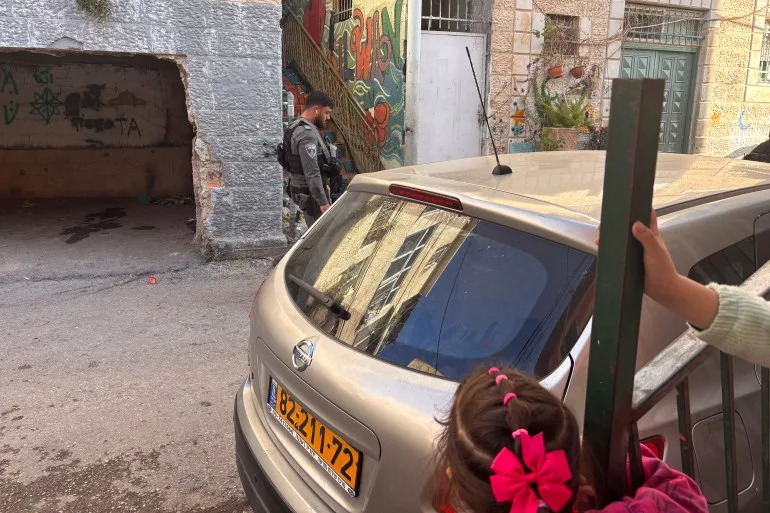
Children from the Rajabi family watch as border police pass by their home in Batn al-Hawa, East Jerusalem [Al Jazeera]
What Happened
At the turn of the year, Israel's Supreme Court dismissed final appeals by 150 Palestinians from 28 families in Batn al-Hawa, paving the way for evictions. On January 12 the execution office at the Ministry of Justice sent formal notices ordering those families to vacate within 21 days. According to local groups, roughly 700 residents across about 84 families now face imminent forced displacement — a number that would make this the largest coordinated expulsion of Palestinians from a single East Jerusalem neighbourhood since 1967.
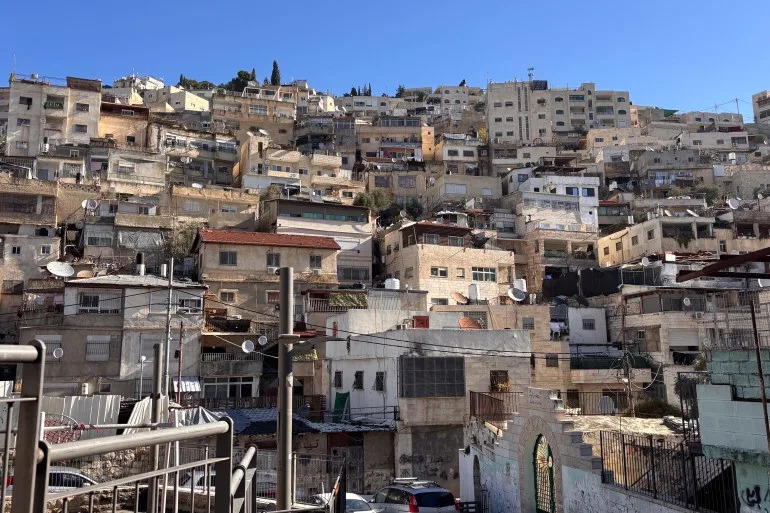
A view of the Batn al-Hawa neighbourhood from the bottom of the Silwan valley [Al Jazeera]
Twenty-four homes belonging to the extended Rajabi family are subject to eviction orders, affecting around 250 people. Some neighbours, including the family of Khalil al-Basbous, have already been forcibly removed. Since November, eight other families in the neighbourhood have been evicted, often amid violence, with Israeli settlers moving into the vacated homes.
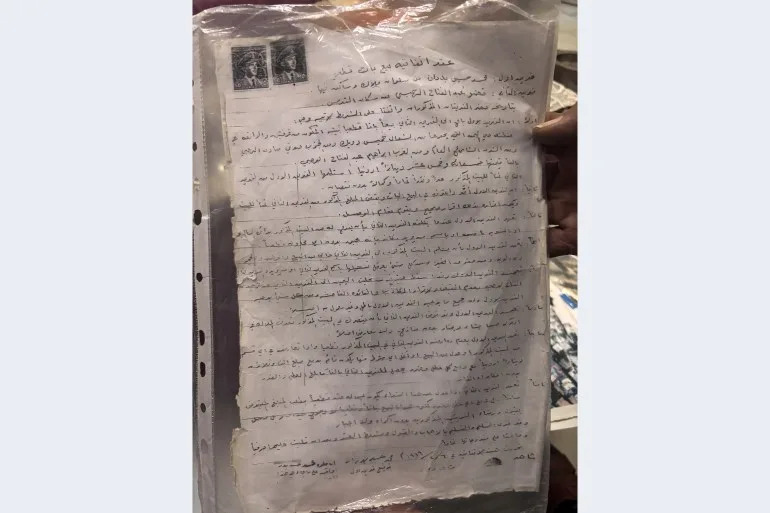
The signed contract showing the Rajabis’ purchase of their land in Batn al-Hawa in 1966 [Al Jazeera]
Historical And Legal Context
The dispute centers on land claims tied to the Benvenisti Trust, created in the 19th century and revived by Israeli courts in 2001. The courts appointed representatives from the settler organisation Ateret Cohanim to administer the trust, which was historically associated with Yemeni Jewish families in the area. Ateret Cohanim has since pursued ownership claims and has issued eviction notices to Palestinian residents since 2015.
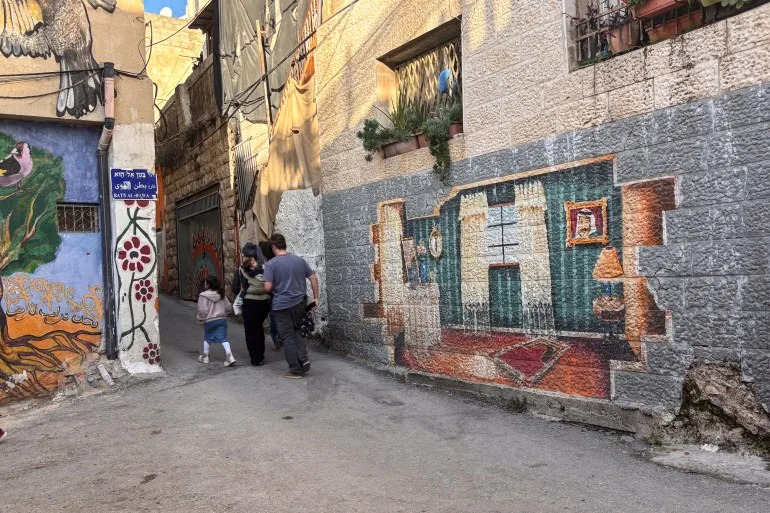
A settler family is accompanied by an armed security guard in Batn al-Hawa [Al Jazeera]
Critics and local researchers argue the revival and administration of the trust have benefited ideological settlers rather than the poor Jewish families the trust was intended to help. An official probe by the Israeli Registrar of Charitable Trusts identified multiple irregularities in the trust's management, including that financial transactions were routed through Ateret Cohanim bank accounts rather than a separate trust account.
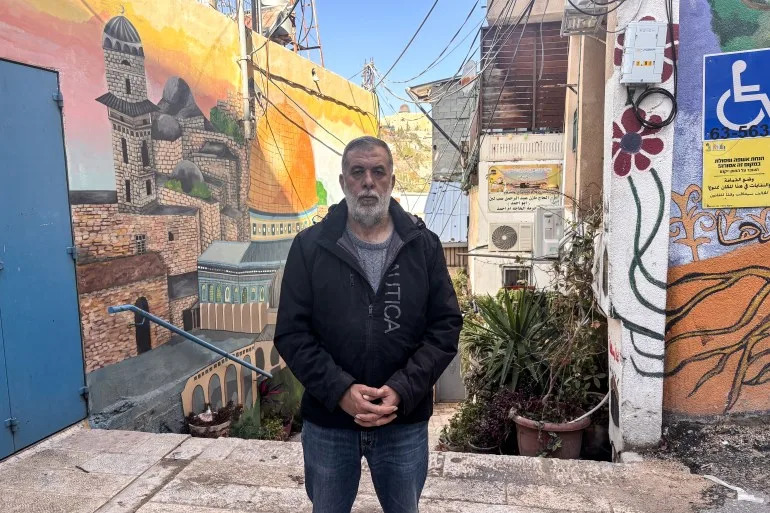
Zuheir Rajabi stands outside his home, with a view of al-Aqsa mosque in background [Al Jazeera]
'It’s very clear that the trust is just a cover for the actions of the settler organisation,' says Aviv Tatarsky of the Israeli NGO Ir Amim.
Ateret Cohanim rejects some accusations and frames its actions as redressing historical injustice. Daniel Lurie, the group's executive director, told reporters the organisation is 'righting an historical injustice' and defended the legal rulings that permit transfers of property.
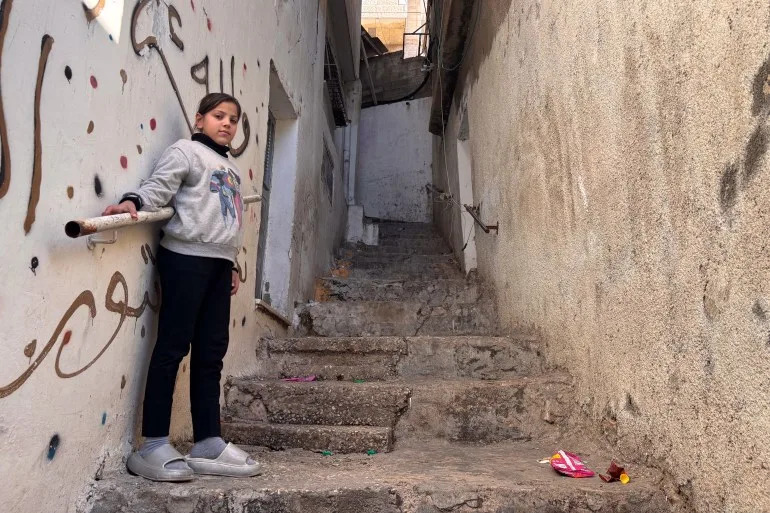
Joury Rajabi stands on the steps leading up to the street from their home in Batn al-Hawa, East Jerusalem, which her family has been ordered to leave [Al Jazeera]
Human Cost
Residents describe sustained psychological pressure from neighbouring settlers, rising confrontations in the street, and the breakdown of community life. 'We are not living,' says Wa’il Rajabi, Kayed's brother. Families report sleepless nights, children having nightmares, and parents trying to soothe them despite their own uncertainty.
Financial realities compound the crisis. Wa’il, who works for Jerusalem municipality and earns about 9,000 shekels a month, says available rent in East Jerusalem now typically starts at 5,000–7,000 shekels plus utilities — unaffordable for many local families. 'How are you going to live on 2,000, 3,000 shekels?' he asks. Many families have spent 'hundreds of thousands of shekels' on legal fees since 2015 trying to delay or prevent evictions.
Children cling to small moments of normalcy: breakfasts on rooftops, games on the stairs, and brief gatherings with cousins and friends — all under the constant fear that their homes will be taken. 'I wish we could live peacefully and play like before,' says 11-year-old Joury, Wa’il's daughter.
Current Status And Outlook
With the Supreme Court rulings in place and execution orders issued, families face imminent eviction unless legal or political developments intervene. Community leaders say they will remain in their homes 'until our last breath,' but many acknowledge they do not know where they would go. The case highlights contested property laws, historical claims, and a broader pattern of housing disputes in East Jerusalem that observers say disproportionately affect Palestinian residents.
As the legal battle continues, Batn al-Hawa's residents face immediate choices between legal appeals, international attention, and the harsh prospect of displacement — a process that is already fracturing long-standing neighbourhood ties.
Help us improve.