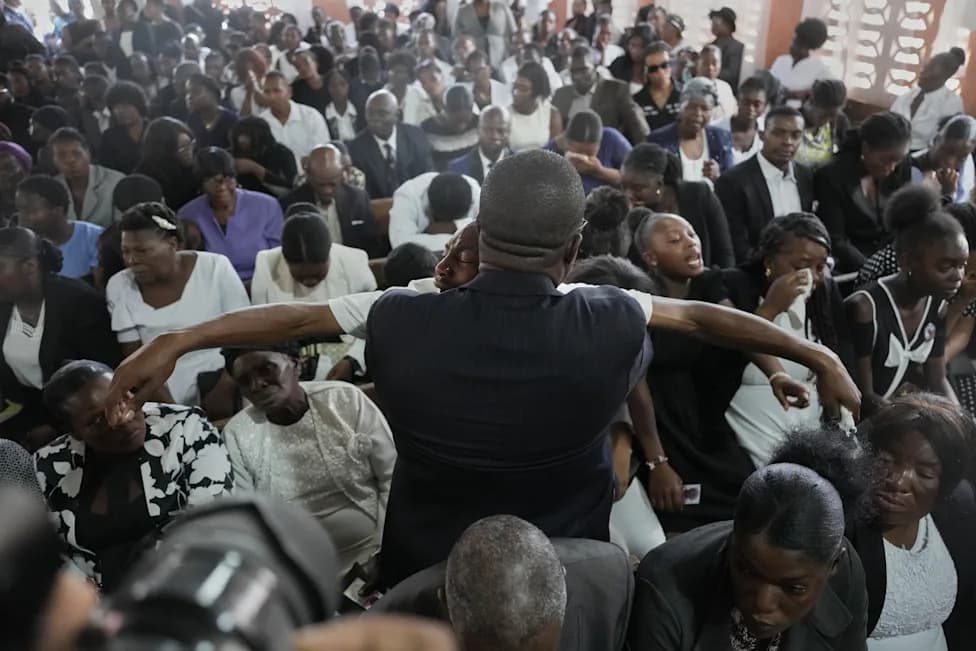
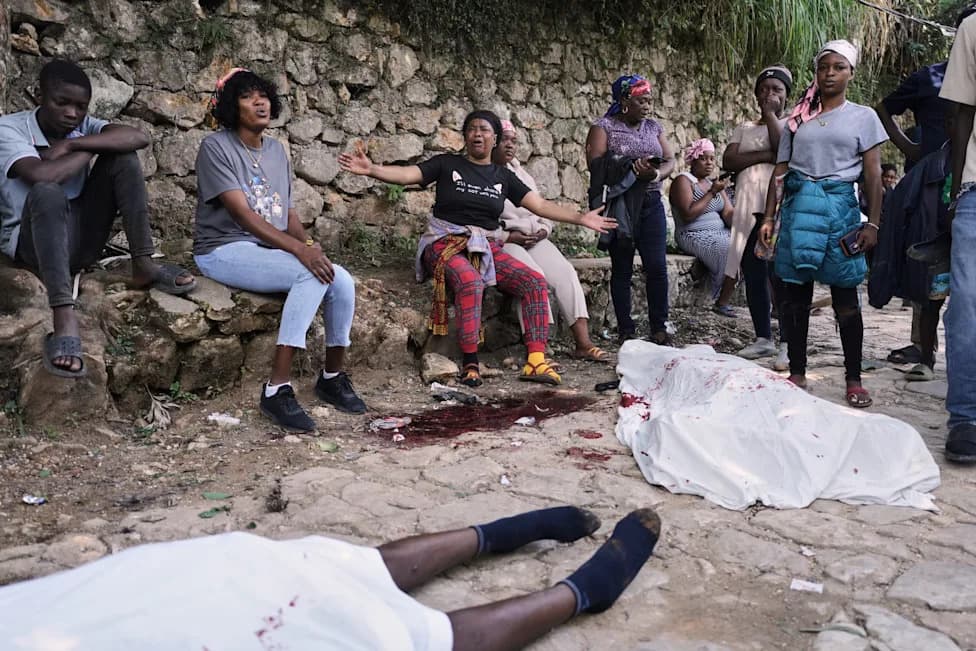
Haitian security forces have launched an intensified operation in Port-au-Prince, including a drone strike that destroyed a house linked to gang leader Jimmy Cherizier ("Barbecue"). Authorities say the strikes aim to prevent gangs from re-establishing control and to restore public order after months of escalating violence. Eighteen countries have pledged troops for a multinational anti-gang force of up to 5,500 personnel, while humanitarian agencies report about 1.4 million people displaced and millions facing acute food insecurity. Transitional authorities plan elections for summer 2026.
Haitian Forces Launch Major Operation in Port-au-Prince, Target Gang Leader's Home

A drone attack in the capital Port-au-Prince targeted one of the homes of Jimmy Cherizier, known as 'Barbecue' (Clarens SIFFROY)(Clarens SIFFROY/AFP/AFP)
Port-au-Prince, Haiti — Haitian security forces have launched a large-scale operation against gang-controlled neighborhoods in the capital, including a drone strike that hit one of the residences of notorious gang leader Jimmy Cherizier, known as "Barbecue," officials told AFP.
Operation Details
The national police communications officer, Frantz Lerebours, said the targeted operation "allowed us to destroy his house and minimize any possibility of his group returning to the area." Authorities reported drone explosions could be heard across the city as operations continued.
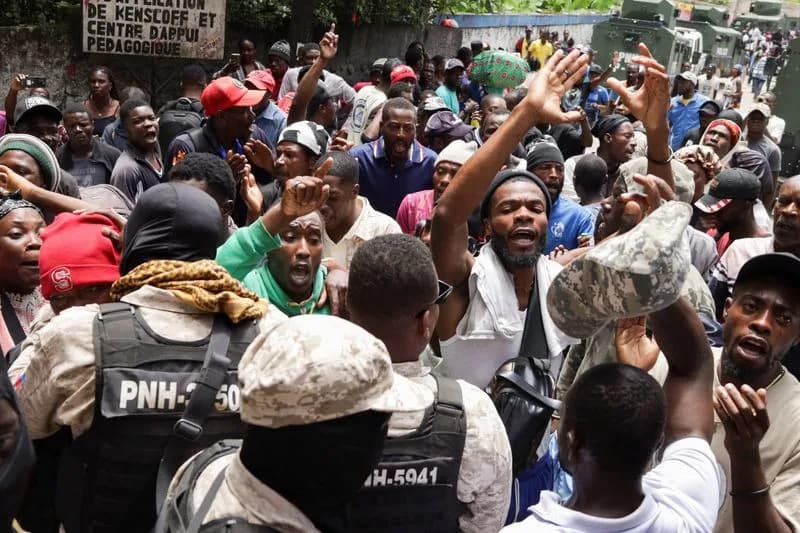
Police operations in downtown Port-au-Prince are being conducted daily with support from an international anti-gang security force pledged by multiple countries, and with assistance from a private security company. Officials described the actions since late December as a series of "intensive operations" intended to "regain control of the capital in the short term."
Context and International Response
Haiti — the poorest country in the Americas — has not held national elections in nine years and faces severe political instability and persistent gang violence. In early 2024, armed criminal groups forced then–Prime Minister Ariel Henry from power, further destabilizing the country.
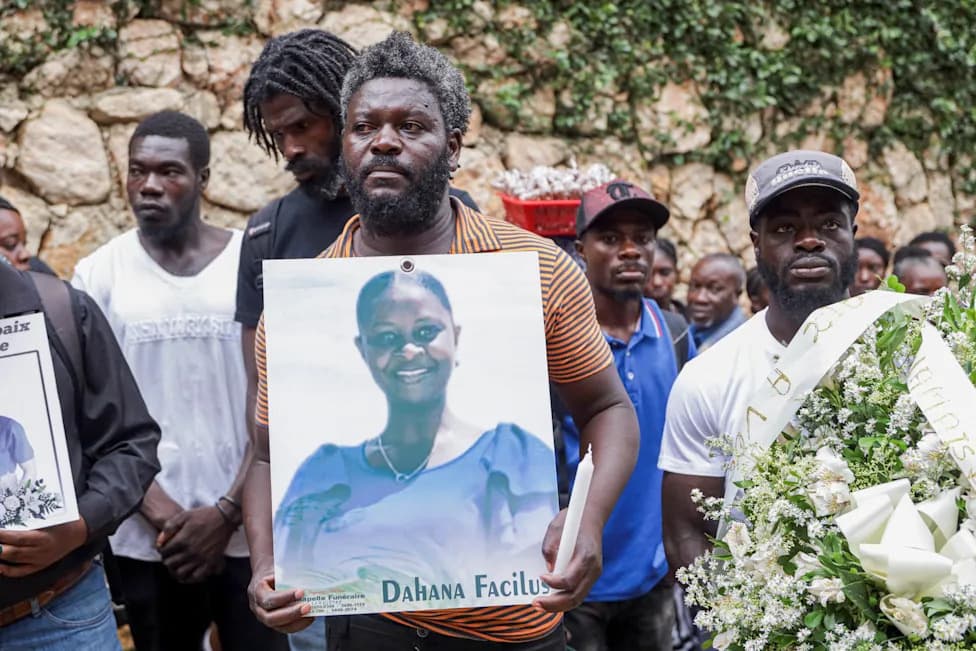
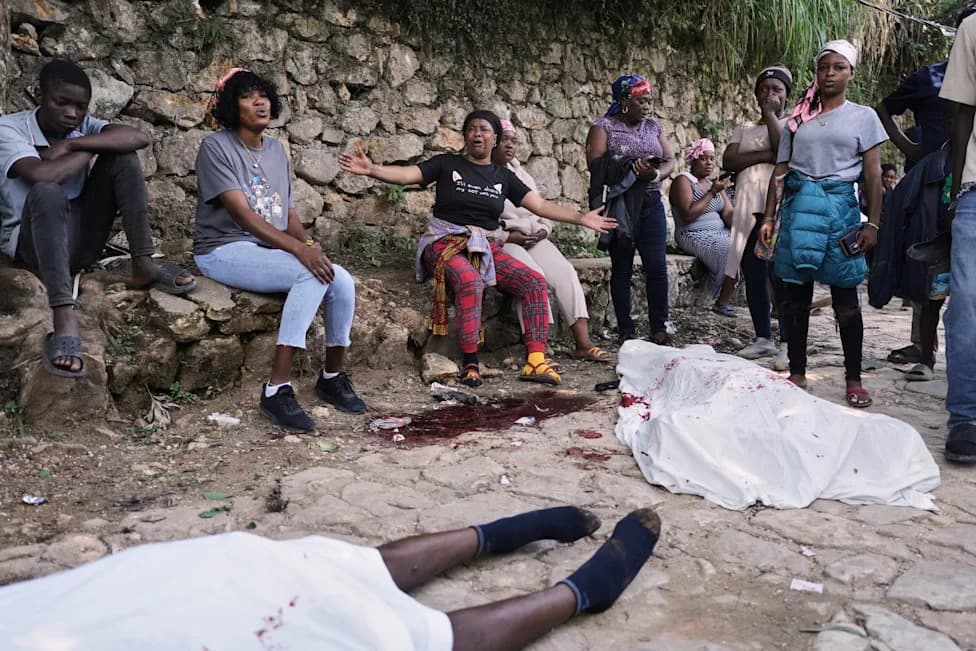
According to United Nations estimates, gangs are responsible for widespread killings, sexual violence, robberies and kidnappings, and now control roughly 90% of Port-au-Prince. Eighteen countries have pledged personnel for a new multinational anti-gang force that the Organization of American States (OAS) says could include up to 5,500 soldiers. OAS Secretary General Albert Ramdin indicated that, if plans proceed, the first half of that force should be deployed by April 1, coinciding with the establishment of a UN support office.
Humanitarian Impact
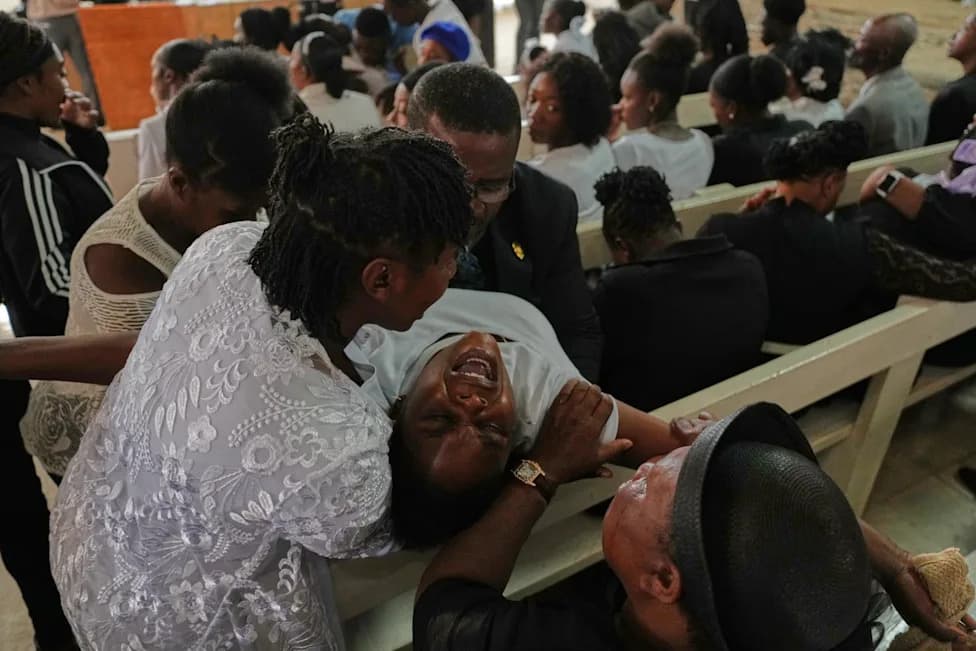
Humanitarian agencies warn the crisis has driven a severe displacement and food emergency. UNICEF reported approximately 1.4 million internally displaced people — including more than 740,000 children — forced from their homes by violence in the capital. An estimated 5.7 million Haitians face acute food insecurity, of whom about 1.2 million are children under five.
"We are working to restore public order," Lerebours said. "We are conducting security patrols in these areas. This has not been possible for several years."
Outlook
Haiti is currently governed by transitional authorities that have announced plans to hold legislative and presidential elections in the summer of 2026. Meanwhile, security operations and the arrival of an international force will be closely watched as both humanitarian agencies and foreign governments assess impact and stability in the coming months.
Sources: AFP, United Nations, UNICEF, Organization of American States.
Help us improve.