Summary: President Trump announced he would stop federal “payments” to sanctuary jurisdictions without clarifying which funds he meant, and his administration has pursued a pattern of policy moves and federal deployments perceived as targeting Democratic-led states. Courts have blocked some actions, including the cancellation of environmental grants to 16 states, while the administration has announced cuts such as a $10 billion child-care reduction to several blue states and the closure of HHS field offices in blue cities. The article warns that treating federal resources and enforcement as instruments of partisan pressure risks deepening national division and raising constitutional concerns.
The White House vs. Blue America: Trump’s Threats to Cut Funding and Deploy Federal Forces

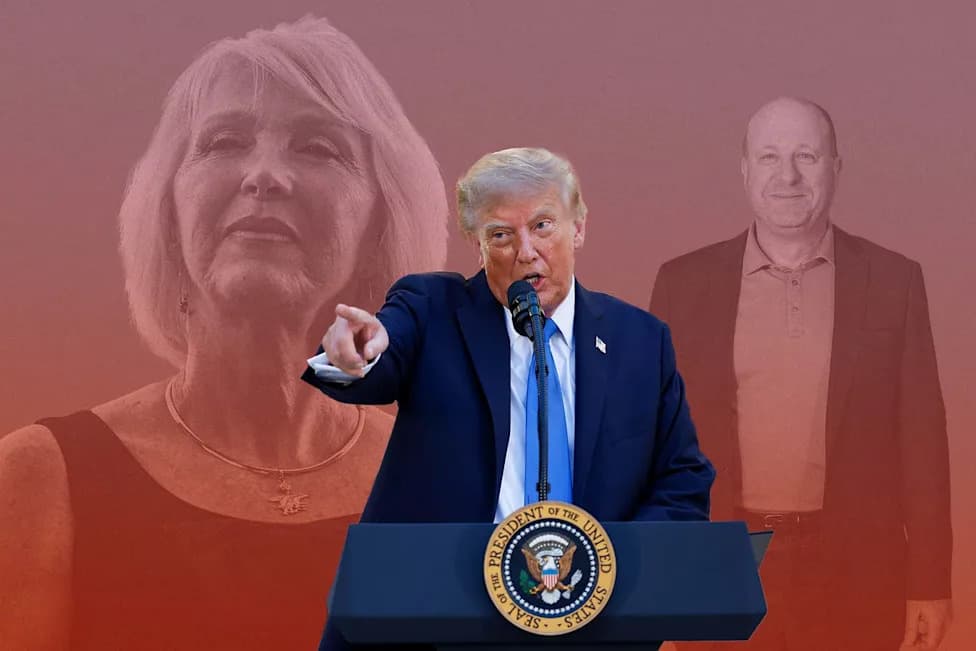
The president of the United States is at war with his own country
On Wednesday, President Trump posted on Truth Social: “EFFECTIVE FEBRUARY FIRST, NO MORE PAYMENTS WILL BE MADE BY THE FEDERAL GOVERNMENT TO STATES FOR THEIR CORRUPT CRIMINAL PROTECTION CENTERS KNOWN AS SANCTUARY CITIES.” He did not clarify what he meant by “payments” — whether highway funds, Medicare reimbursements, education grants, disaster relief, or other federal transfers — and reporters and officials have not identified a consistent definition.
What This Would Mean—and Why It Matters
There is no modern precedent for a White House selectively shutting off federal funding to states based primarily on partisan control. Legally, the president cannot simply switch off broad federal funding streams to states for political reasons, and courts have already intervened to block some administration actions. Still, rhetoric and policy choices that treat states differently by party affiliation risk deepening national polarization and raising serious constitutional and administrative questions.
Examples: Deployments and Funding Moves
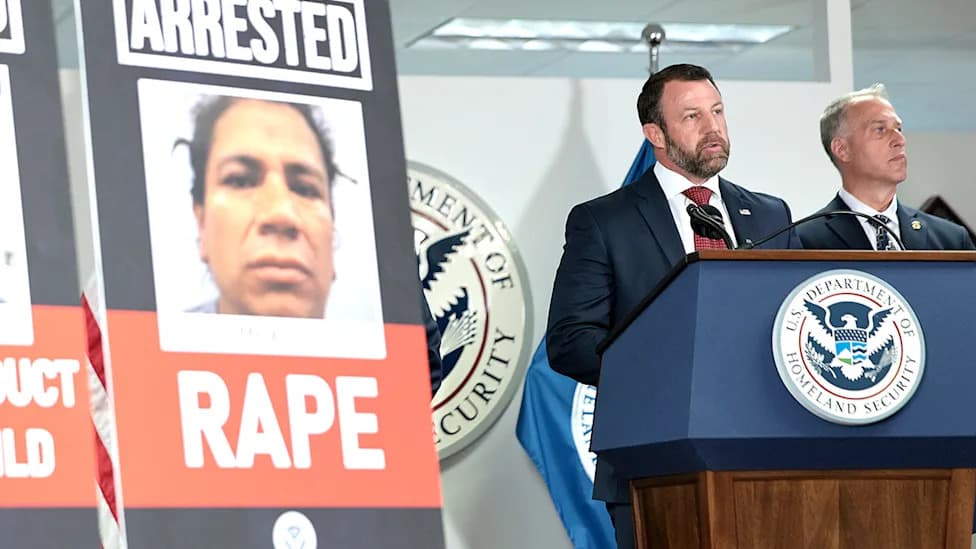
Federal deployments and enforcement operations have become a highly visible element of this approach. Minneapolis has been a focal point: large numbers of federal officers, including immigration agents and Border Patrol personnel, were sent to the city and surrounding areas. Authorities and community leaders have described aggressive tactics, and local officials say the moves feel politically motivated; Governor Tim Walz posted that "Minnesota voted against him three times and now he’s punishing us." The fatal shooting of Renee Good by an ICE officer has intensified scrutiny of those operations.
Other cities that voted heavily for Democrats — including Los Angeles, Washington, Memphis and New Orleans — have also seen increased federal personnel or National Guard presences. Officials indicate more such operations may be planned.
At the same time, the administration has announced or pursued policy changes perceived as favoring Republican-led states: a reported plan to cut roughly $10 billion in child-care funding to California, Illinois, New York, Minnesota and Colorado; the planned closure of six of 10 Department of Health and Human Services field offices, reportedly all in large Democratic cities; withheld disaster aid in certain cases; and a proposed relocation of U.S. Space Command from Colorado to Alabama. Critics argue these moves follow partisan lines rather than neutral policy criteria.
Court Pushback
Court rulings have checked some of the administration’s actions. A federal judge found that the administration acted illegally when it canceled billions in environmental grants to 16 states led by Democrats, observing that officials had acknowledged making grant-termination decisions based largely on whether a state’s voters supported the president in 2024. Earlier, a district court struck down an executive order that would have directed the Department of Homeland Security to deny federal funds to sanctuary jurisdictions.
Why This Is Different—and Dangerous
Partisan distribution of federal favors and local-directed spending have long existed in American politics. But presidents traditionally assert a national role and treat the federal government as serving all citizens. The pattern described here—public threats to cut payments, targeted deployments of federal agents in opposition cities, and internal admissions that partisanship drove funding decisions—represents a departure from that norm. Legal challenges and public debate will continue, but the political and constitutional stakes are high: using federal power in ways perceived as retributive could erode trust in national institutions and deepen civic divisions.
Note: This article summarizes reporting and public statements about administration actions and litigation; several claims have been subject to court review and ongoing reporting.
Help us improve.