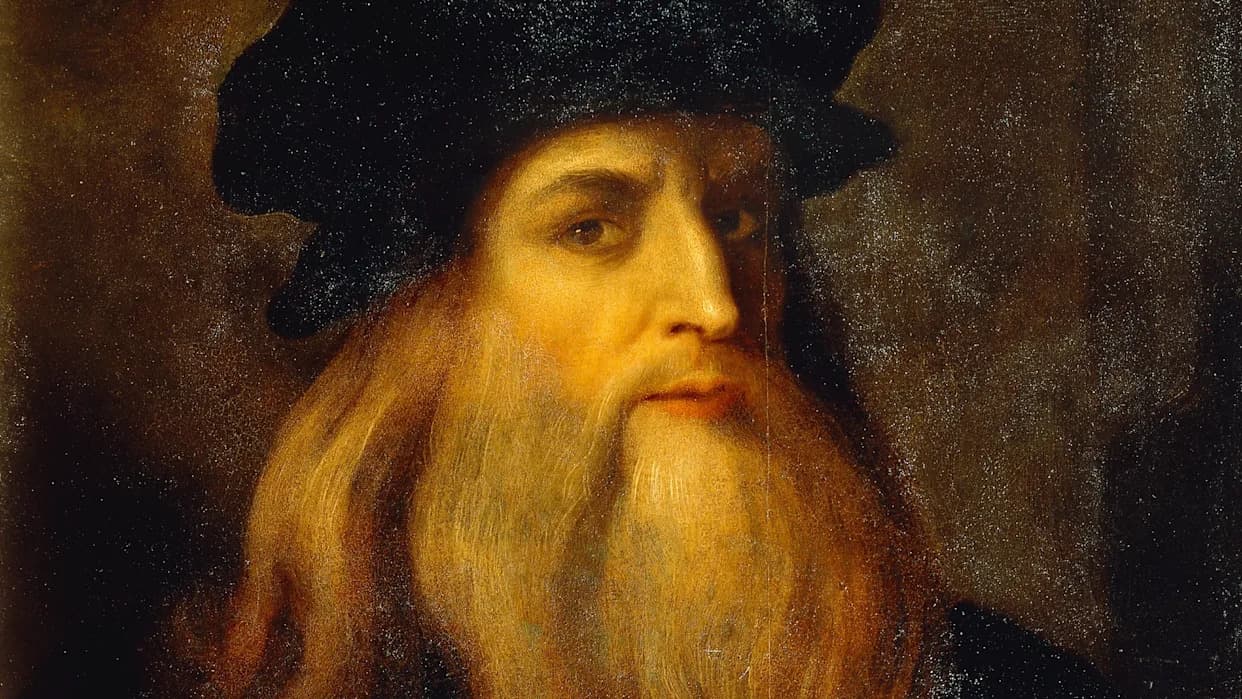
The Leonardo da Vinci DNA Project reports Y‑chromosome markers on a small chalk sketch called "Holy Child" and on a letter thought to be written by Leonardo’s cousin. The team says the markers point to a common paternal ancestor in Tuscany, Leonardo’s home region. Experts caution the result is not conclusive because the drawing’s authorship is disputed and the samples contained diverse environmental DNA. Further independent testing and provenance research are needed to confirm any connection to Leonardo.
Did Leonardo Leave DNA on a Chalk Sketch? Researchers Find Y‑Chromosome Traces on "Holy Child"

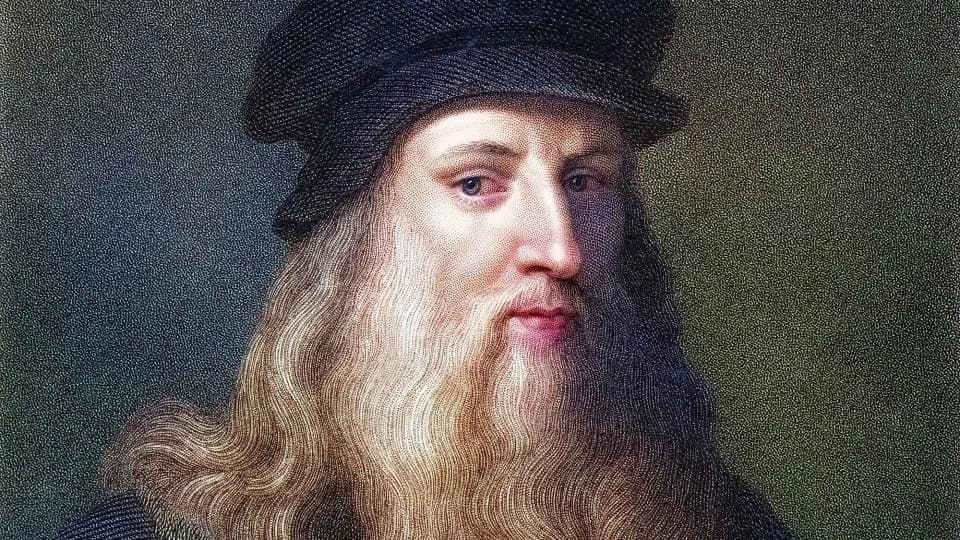
Leonardo Da Vinci's Art May Be Hiding His Own DNAAsanka Ratnayake - Getty Images
A team calling itself the Leonardo da Vinci DNA Project reports detecting Y‑chromosome genetic markers on a small chalk drawing known as "Holy Child" and on a separate family letter. If the markers truly derive from Leonardo da Vinci or his close paternal relatives, the finding would be an intriguing step toward reconstructing the artist's genome — a project the team hopes could one day help locate a possible gravesite and verify the authorship of unsigned works.
What the Researchers Did
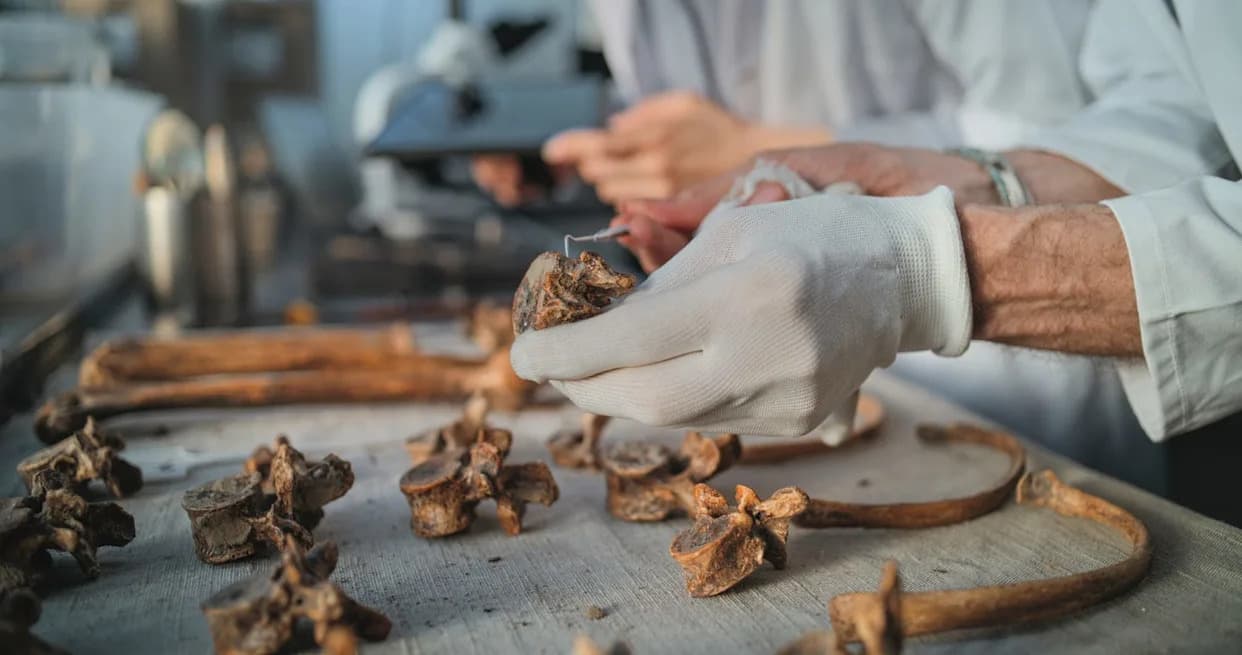
The researchers swabbed the five-by-four-inch chalk sketch, thought to date from about 1472–1476, and a letter believed to have been written by Leonardo’s cousin, Frosino di ser Giovanni da Vinci. Because Leonardo left no direct descendants, the team focused on the Y chromosome to trace paternal-line connections. They also previously obtained samples from six living men who claim the same paternal ancestry. In their analysis the Y‑chromosome sequences from the sketch and the cousin’s letter point to a common ancestor in Tuscany, the region where Leonardo was born.
Why Experts Remain Cautious
Important caveats temper the claim. The sketch’s attribution is disputed: when it appeared at auction in the 2000s it was attributed to Annibale Carracci, and later championed as Leonardo’s by collector Fred Kline, who cited left‑handed hatching as evidence. Other specialists suggest the drawing could be by one of Leonardo’s students. Centuries of handling and environmental exposure also introduce the risk of DNA contamination.
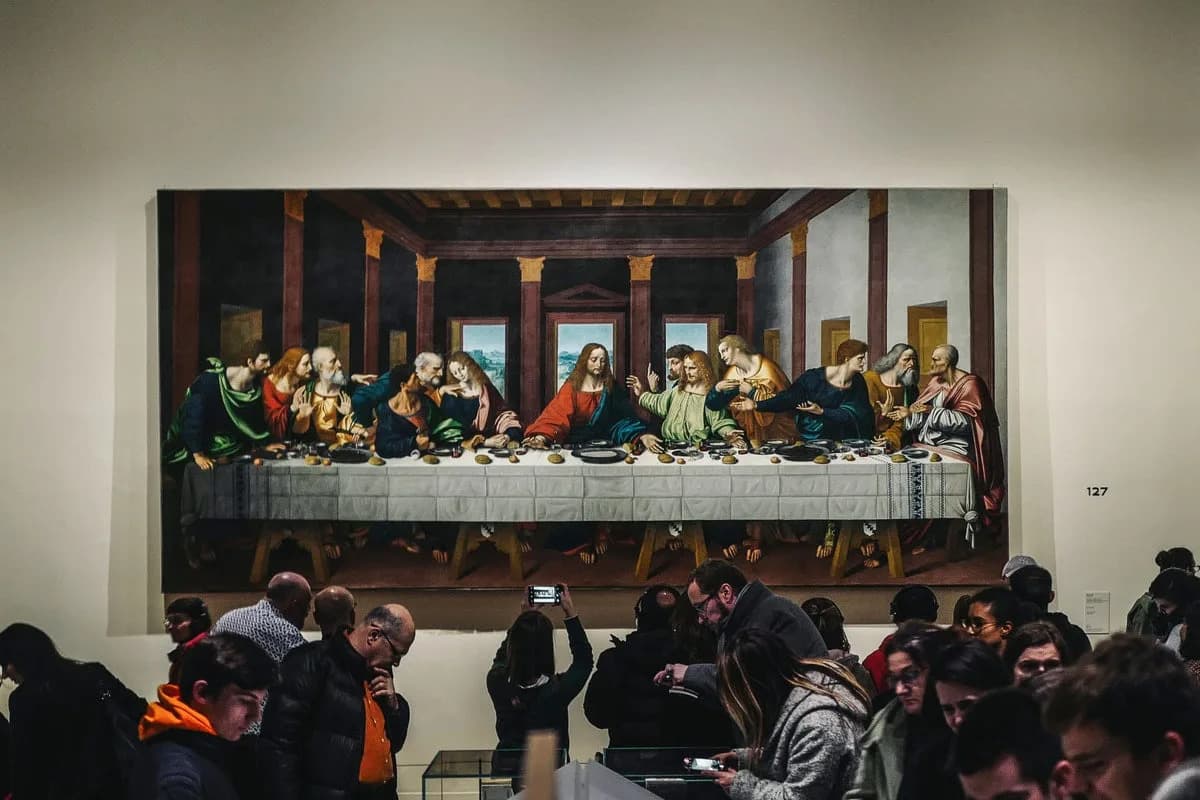
The project found a mixture of DNA on the drawing — not only human material but also fungi, bacteria, plant and viral DNA — which complicates confident attribution to a single historical individual. Observers note that Leonardo sometimes painted with his fingers, making it plausible he could have left biological traces, but shared Tuscan ancestry alone is suggestive rather than definitive.
Why This Matters
Even if the human DNA on the sketch does not ultimately belong to Leonardo, the assortment of biological material recovered from the artwork provides a valuable record of the environments a Renaissance object has encountered over centuries. The claim will likely prompt further testing, independent replication, and debate between geneticists and art historians before any consensus is reached.
Bottom line: The result is an intriguing lead, not proof. Additional tests, rigorous provenance work and independent verification are needed to confirm whether any of the DNA truly came from Leonardo or close paternal relatives.
Reporting on the research has been covered alongside Biography.com and discussed in outlets such as IFLScience; the da Vinci DNA Project’s methods and conclusions remain under scrutiny.
Help us improve.