The Grotta della Monaca caves in Calabria yielded human remains dated to 1780–1380 B.C.E., enabling researchers to reconstruct a Protapennine mountain community's genetic, dietary, and social profile. Genomes show strong affinity with Early Bronze Age Sicily but little eastern Mediterranean input, alongside links to northeastern Italy. Isotopic and genetic evidence indicate pastoralism and heavy dairy consumption despite lactose‑intolerance alleles, and the study reports one unusual parent–offspring kinship case whose social meaning is uncertain.
Ancient DNA Reveals Distinct Bronze Age Mountain Community in Calabria — Surprising Diet and Kinship Revealed
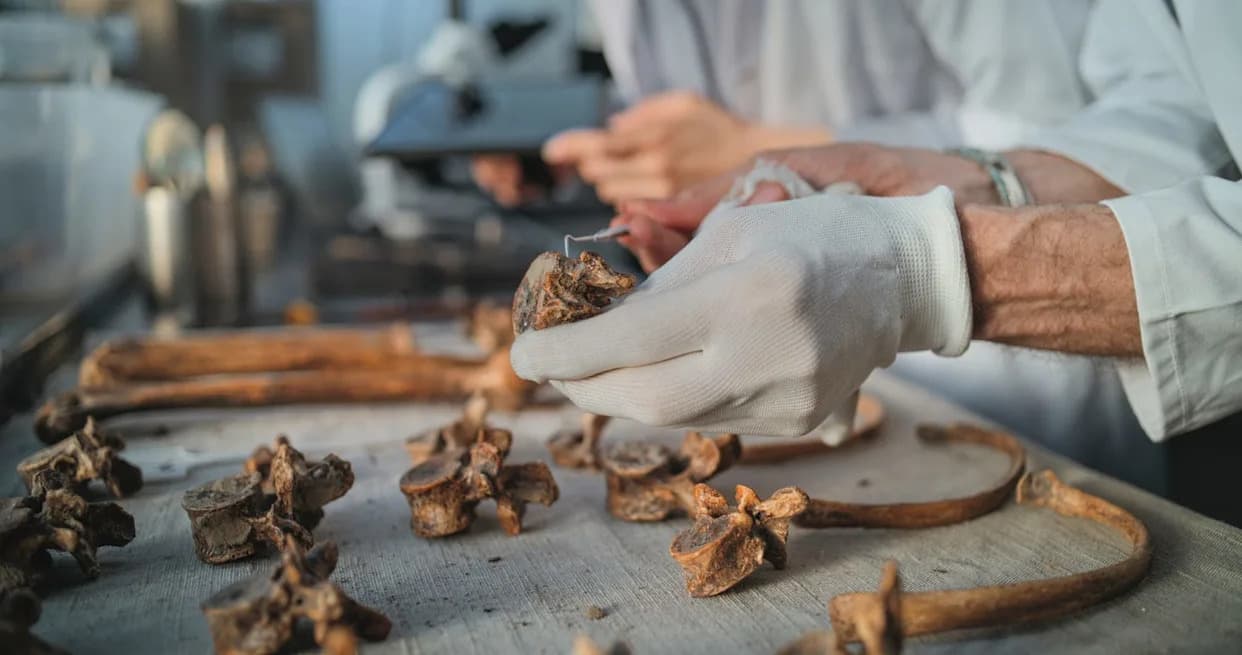
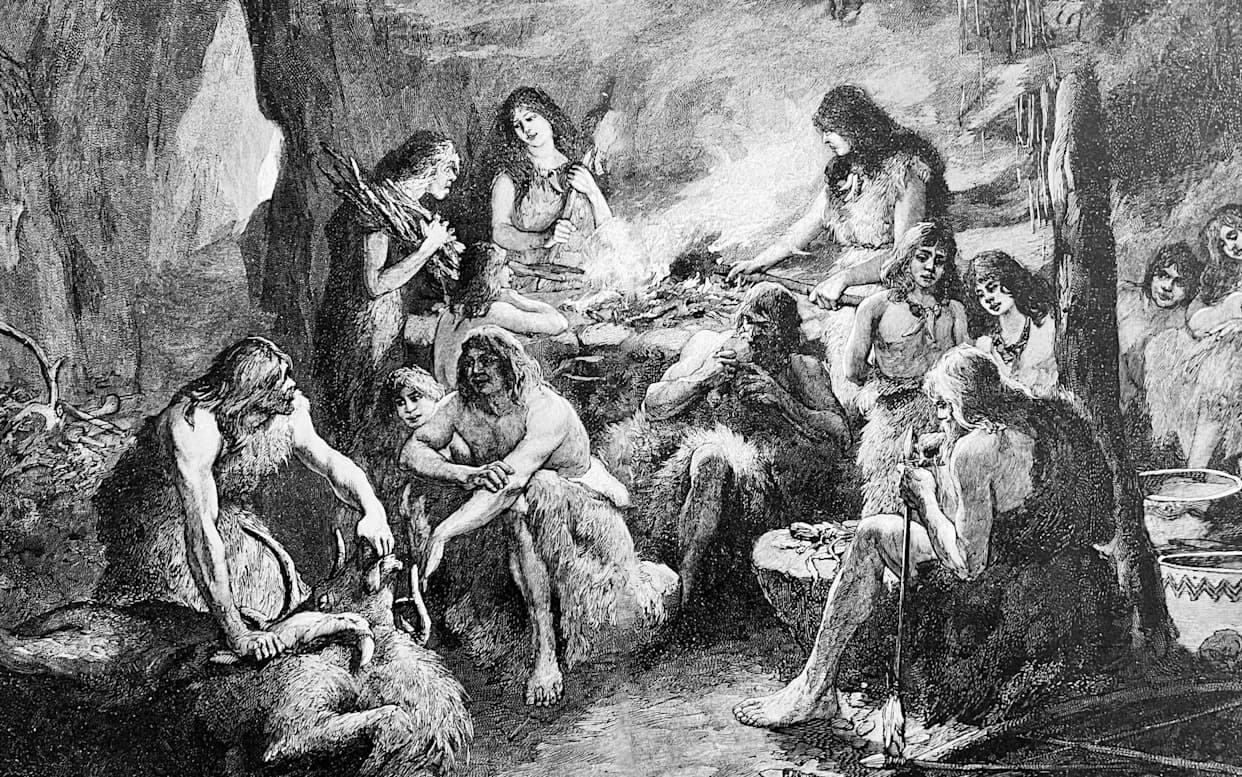
Scientists Found a Lost Community’s DNAEvgeniyShkolenko - Getty Images
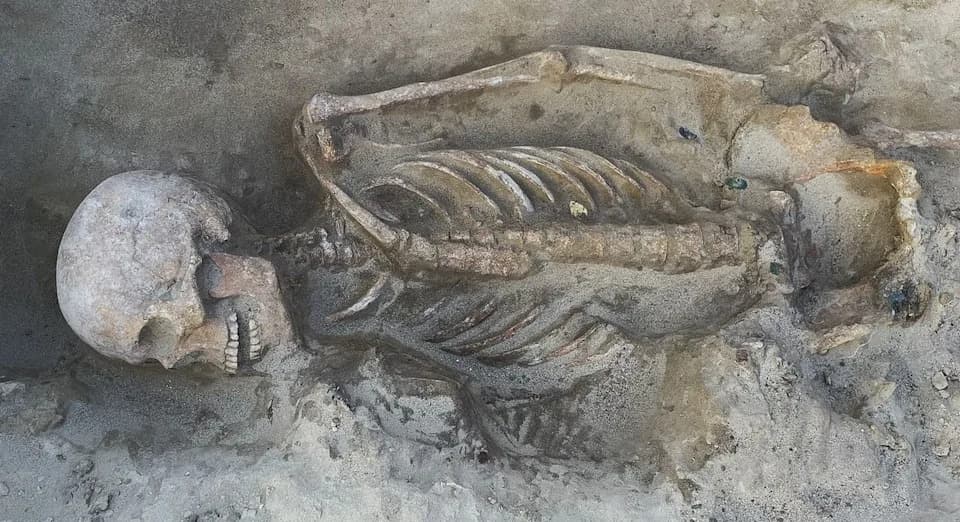
Archaeologists and geneticists have reconstructed the biological and social profile of a distinctive Bronze Age mountain community from the Grotta della Monaca caves in the Pollino massif of Calabria, Italy. Human remains dated to 1780–1380 B.C.E. were analyzed by researchers from the Max Planck Harvard Research Center for the Ancient Mediterranean and the University of Bologna, producing the first integrated genetic and social portrait of a Protapennine community from roughly 3,500 years ago.
Distinct Ancestry and Long‑Distance Connections
Genome-wide data show that the Grotta della Monaca group carried a regional mix of ancestries: strong affinities with Early Bronze Age Sicilian populations, little of the eastern Mediterranean influence seen in some contemporary Sicilian samples, and detectable links to populations from northeastern Italy. Their genomes combine components from European hunter‑gatherers, Anatolian Neolithic farmers, and Steppe pastoralists, creating a local signature for the Calabria mountains while also demonstrating episodes of long‑distance mobility across the Italian peninsula.
Pastoralism and a Dairy‑Heavy Diet Despite Lactose Intolerance Alleles
Isotopic and genetic evidence point to a pastoral economy and substantial consumption of milk and dairy products. Paradoxically, the community carried genetic variants associated with adult lactose intolerance, suggesting that cultural practices—such as dairying, fermentation, or other forms of milk processing—allowed these people to include dairy in their diet despite limited genetic tolerance. As the authors note, cultural adaptation can precede genetic change.
Burial Practices, Kinship Structure, and an Unusual Kinship Finding
The cave likely served as a collective burial site for a single community rather than an unrelated accumulation of remains. Burials were organized with respect to sex and kin relationships, reinforcing family ties in funerary arrangements. The study reports what may be the first archaeologically documented parent–offspring incestuous union in this context. The authors emphasize the distinction between clear biological evidence and its social interpretation, urging caution about inferring cultural norms from a single exceptional case.
"This exceptional case may indicate culturally specific behaviors in this small community, but its significance ultimately remains uncertain," said Alissa Mittnik, co‑senior author and group leader at the Department of Archaeogenetics, Max Planck Institute for Evolutionary Anthropology.
Economic and Environmental Context
Grotta della Monaca, situated at more than 600 meters above sea level in the Pollino massif, shows evidence not only of funerary use but also of local copper and iron ore exploitation. Together, the archaeological, isotopic, and genomic data portray a community that was locally distinct yet engaged with broader Italian and Sicilian networks, adapting culturally and economically to a challenging mountain environment.
Implications: The study highlights how small, geographically situated communities in Bronze Age Italy could maintain distinct genetic signatures while participating in long‑distance exchanges and developing cultural strategies—like dairying—that compensated for biological limitations.
Help us improve.