The study sequenced genome-wide ancient DNA from 14 individuals from Grotta della Monaca in Calabria (Middle Bronze Age, c. 1780–1380 BCE). One individual shows very long runs of homozygosity consistent with a first-degree parental union, most likely a father–daughter pairing. Many other burials reflect close kin relationships, indicating the cave served an extended family or single community over generations. The group's ancestry is mainly Early European Farmer with Steppe and Western hunter–gatherer contributions, and little evidence of eastern Mediterranean or North African input.
Ancient DNA Reveals Likely Father–Daughter Union in Bronze Age Southern Italy

DNA (illustrative). (photo credit: SHUTTERSTOCK)
A groundbreaking ancient DNA study has uncovered unusually close family ties within a Middle Bronze Age burial community in southern Italy, offering a rare window into prehistoric kinship and social organization.
Context and Methods
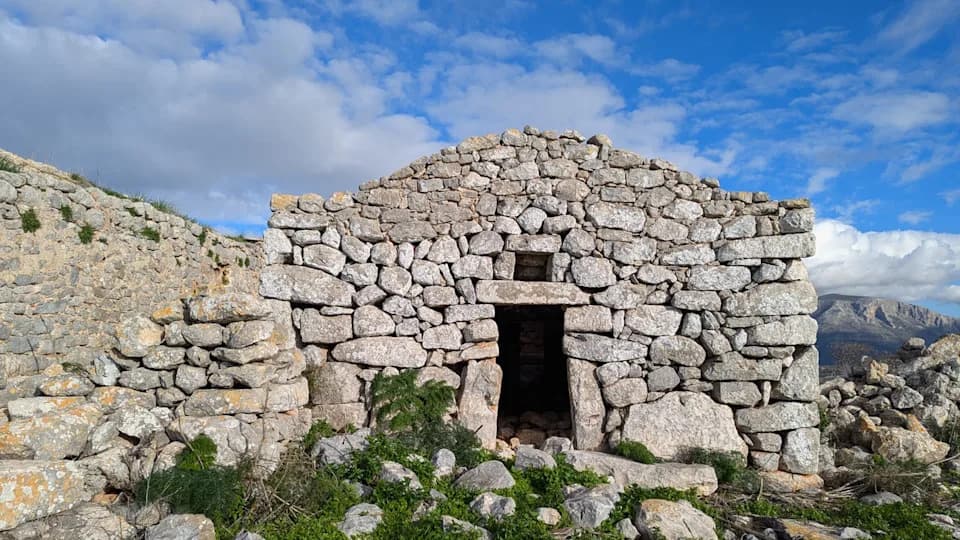
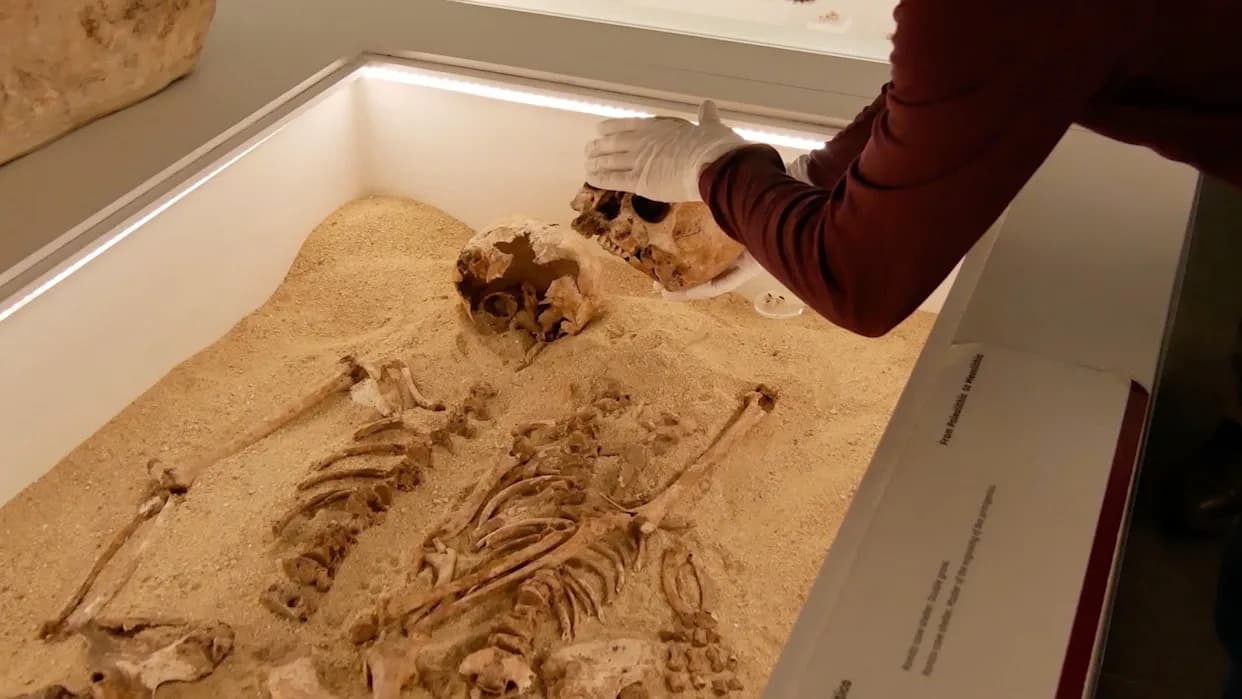
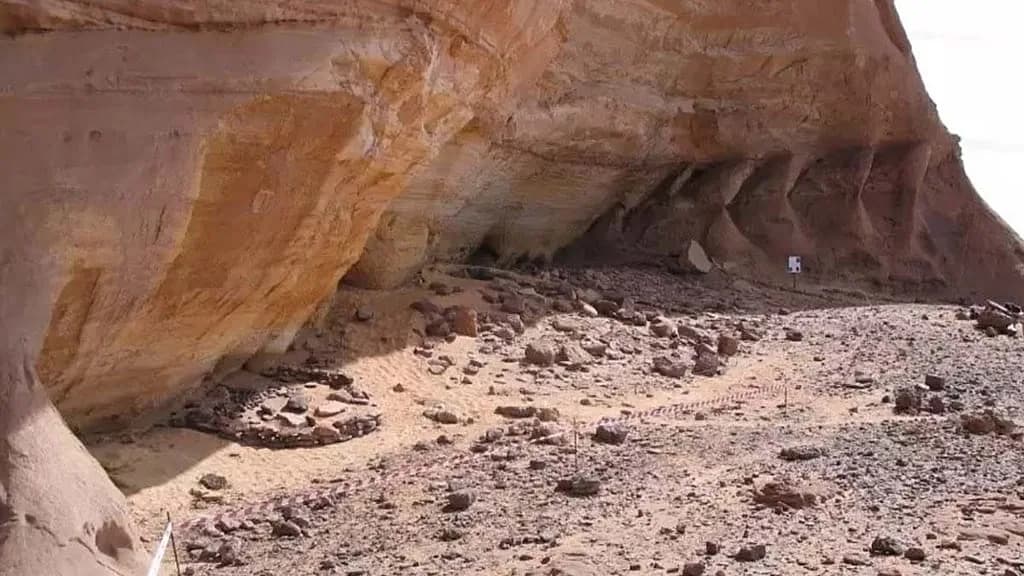
The research, published in Communications Biology, analyzed genome-wide data reconstructed from 14 individuals excavated at Grotta della Monaca, a cave cemetery in Calabria used during the Middle Bronze Age (c. 1780–1380 BCE). By examining patterns of relatedness across the genomes, the team mapped kinship relationships, ancestry components, and population history for a region that has been understudied in archaeogenetics.
Key Genetic Finding: Extreme Parental Consanguinity
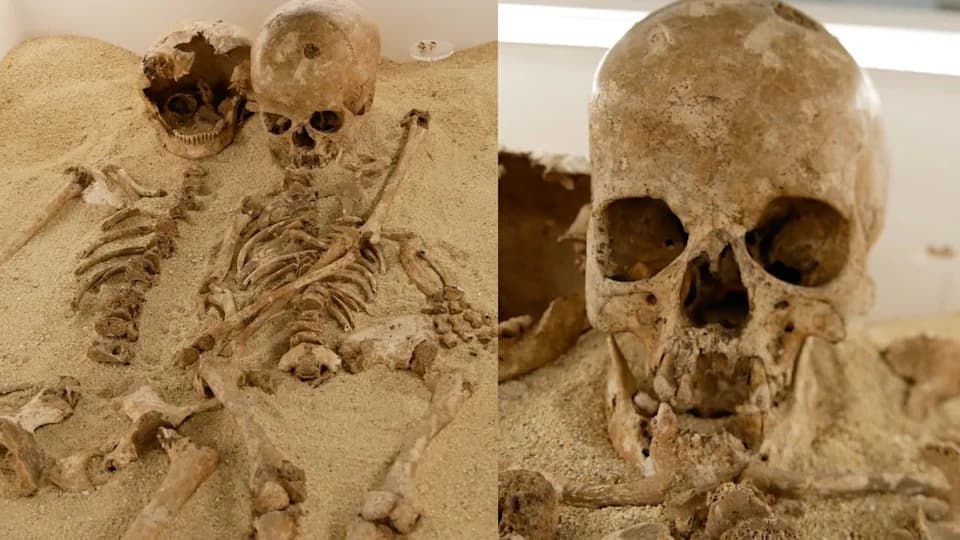
The most striking result concerns a single individual whose genome contains extremely long runs of homozygosity — extended stretches of identical DNA inherited from both parents. These patterns are diagnostic of a child born from a first-degree parental union. The authors report that the genetic evidence is most consistent with a father–daughter pairing, making this one of the clearest and earliest documented cases of such extreme parental consanguinity in the archaeological record.

DNA (illustrative) (credit: Courtesy)
Note of caution: The researchers stress that this appears to be an exceptional case, not evidence that incest was socially accepted or commonplace in the broader population.
Kinship and Burial Use
Beyond the exceptional consanguinity case, many individuals interred in the cave show close genetic relationships, including parent–offspring pairs and extended kin ties. This pattern suggests Grotta della Monaca functioned as a community or extended-family burial location used across multiple generations, rather than a site containing unrelated visitors from distant groups.
Ancestry and Population Dynamics
Genetically, the Grotta della Monaca individuals display the typical Bronze Age Italian ancestry profile: predominantly descended from Early European Farmers, with smaller inputs from Steppe pastoralists and Western hunter–gatherers. The group occupies an intermediate genetic position between early Bronze Age populations from Sicily and those from central and northern Italy. Notably, the study found little evidence for gene flow from the eastern Mediterranean or North Africa, contrasting with patterns observed in some other contemporary southern Mediterranean communities.
Significance
Combined with archaeological context, these results provide a rare and detailed glimpse into how people in a small-scale prehistoric society lived, formed families, and maintained burial traditions. The study highlights the power of archaeogenetics to detect behaviors — such as extreme parental consanguinity — that leave few material traces, while also underscoring the need for caution when interpreting isolated cases from small samples.
Reference: Communications Biology (study of Grotta della Monaca, Calabria — Middle Bronze Age).
Help us improve.