The Journal of Archaeological Research paper challenges the myth that prehistoric humans were chiefly meat eaters by documenting extensive plant processing long before agriculture. Evidence from sites such as the 23,000‑year‑old Ohalo II — which yielded over 150,000 plant remains — shows grinding, pounding and cooking of wild plants. The authors note a physiological "protein ceiling" (about 250–300 g/day) and argue that processed plant foods supplied essential calories and nutrients that helped humans expand into diverse environments.
Ancient humans processed plants long before farming — study debunks the 'Paleolithic meat‑eater' myth

New research shows that prehistoric people were processing and eating plant foods many thousands of years before the development of agriculture. The study, published in the Journal of Archaeological Research, challenges the persistent image of ancient humans as primarily meat eaters and documents widespread use of wild plant resources, including ground nuts and cooked starchy tubers.
Key findings
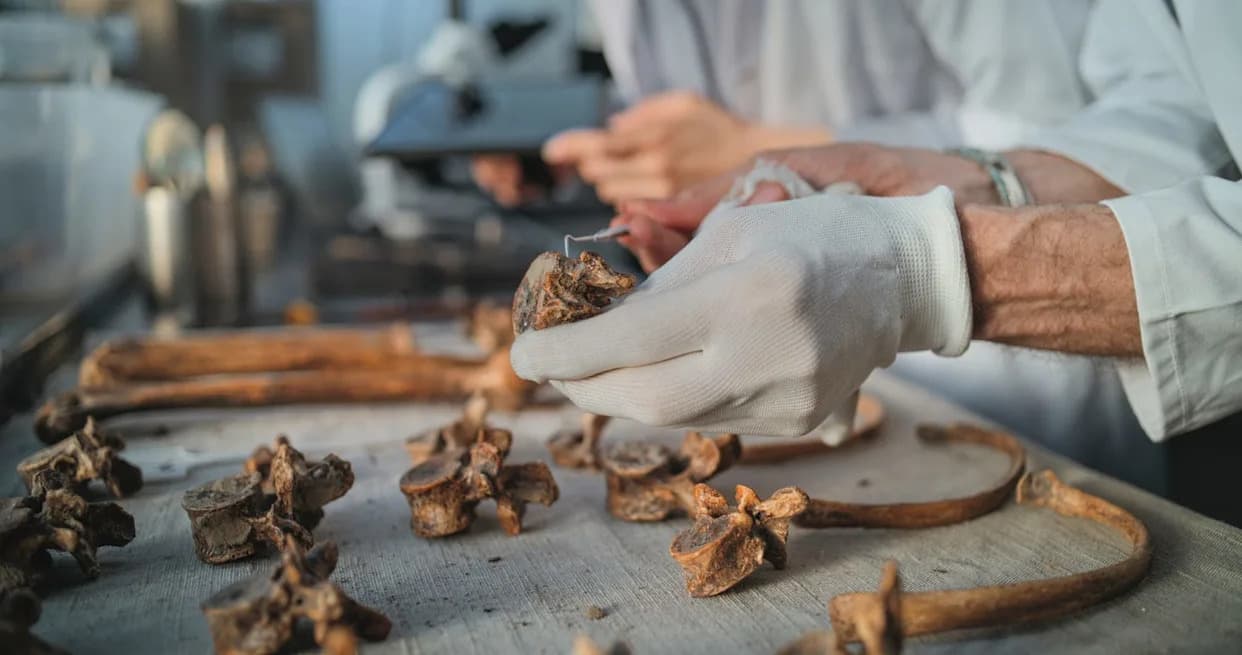
Researchers reviewed archaeological evidence from multiple sites worldwide and concluded that complex plant processing — such as grinding, pounding, cooking and detoxifying — was a major contributor to Homo sapiens' success and geographic spread. These techniques made plant nutrients more digestible, more palatable and more calorically available.
“We often discuss plant use as if it only became important with the advent of agriculture,”
said Anna Florin, lead author and archaeologist at the Australian National University.
“However, new archaeological discoveries from around the world are telling us our ancestors were grinding wild seeds, pounding and cooking starchy tubers, and detoxifying bitter nuts many thousands of years before this.”
Why plants mattered
The authors emphasise a physiological limit to relying on protein alone. Human livers can only maintain a limited pool of circulating amino acids, so diets consisting overwhelmingly of protein risk so-called protein poisoning. The paper cites an estimated dietary "protein ceiling" of roughly 250–300 g per day, beyond which additional calories must come from carbohydrates and fats — commonly supplied by plant foods.
Archaeological evidence
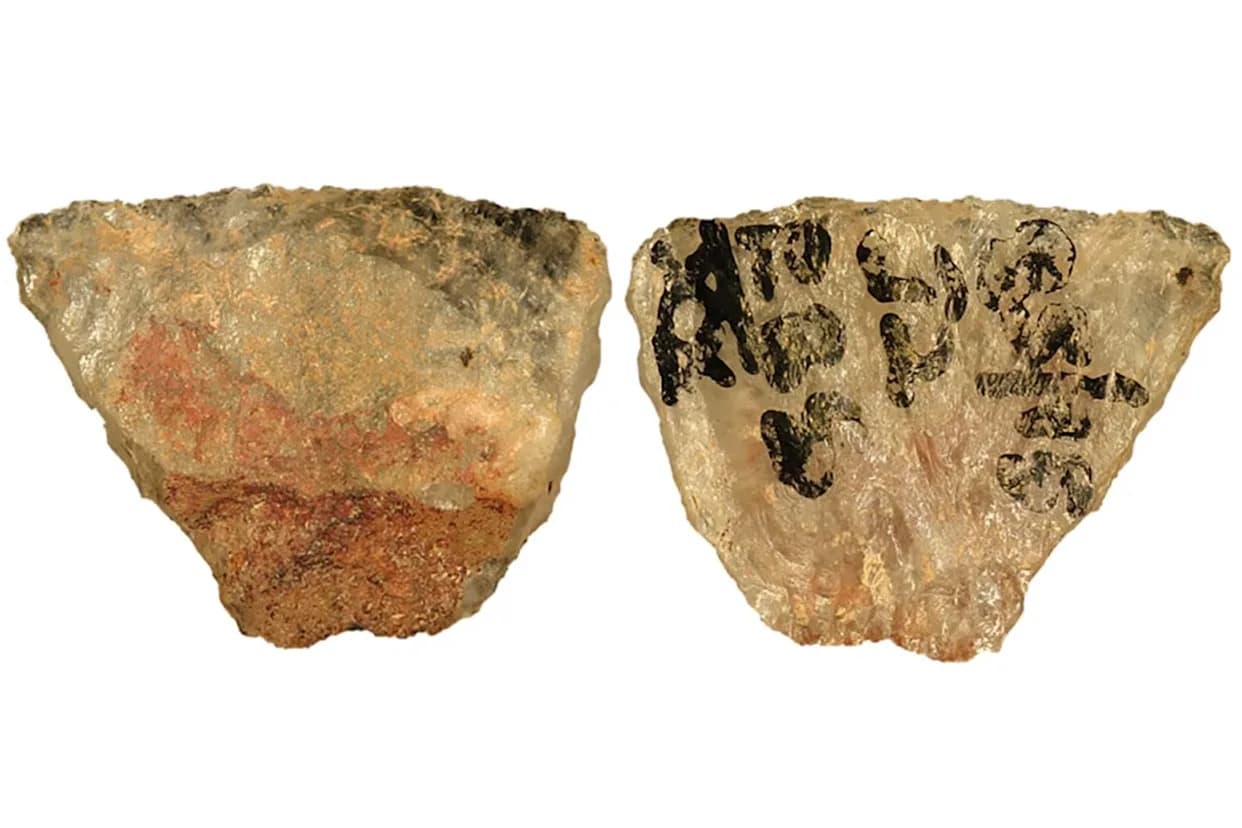
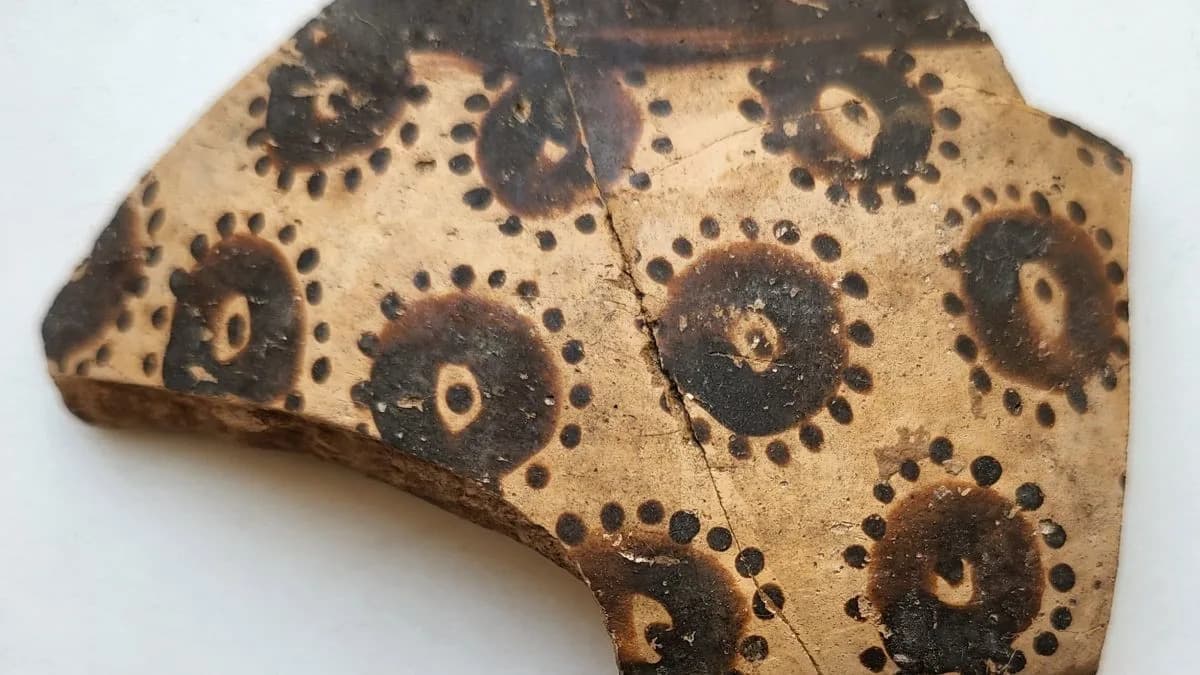
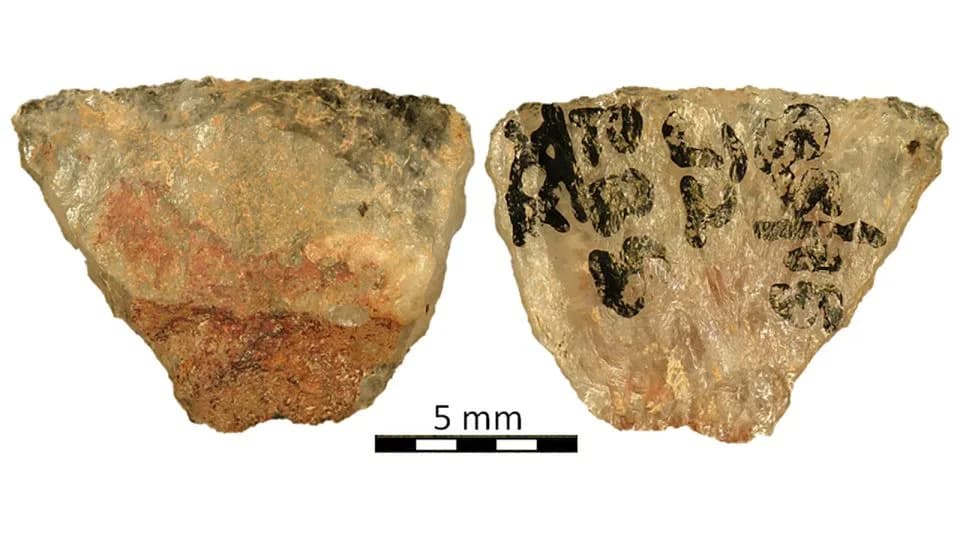
One prominent example is the 23,000-year-old Ohalo II site on the southwestern shore of the Sea of Galilee. Excavations there recovered more than 150,000 plant remains, including abundant charred grass grains, wild cereals and a variety of small-seeded grasses. Wear patterns on tools and residues indicate deliberate collection, grinding, pounding and cooking.
These findings support the view that early humans were skilled, tool-using foragers who transformed wild plants into reliable food sources. Monica Ramsey, co-author of the study, said the ability to process plant foods helped humans "unlock key calories and nutrients, and to move into, and thrive in, a range of environments globally."
Overall, the study reframes our understanding of prehistoric diets: rather than a simple shift from meat to plants only at the dawn of farming, plant processing was an important and long-standing part of human subsistence strategies.
Help us improve.