Archaeologists led by Nick Ashton and Rob Davis have found the earliest direct evidence that Neanderthals deliberately made fire about 400,000 years ago at East Farm Barnham in West Sussex. Flint handaxes with heat damage and fragments of pyrite—used to create sparks—support the conclusion that hominins produced fire on demand. Controlled fire would have enabled cooking, planned habitation sites, social gathering and technological advances, and may have supported increases in brain size during the late Middle Pleistocene.
Neanderthals Sparked Controlled Fire 400,000 Years Ago — Oldest Direct Evidence Yet
This Is the Oldest Evidence of Human-Made FireKypros - Getty Images
A new archaeological discovery at East Farm Barnham in West Sussex has produced the earliest direct evidence that human ancestors deliberately made fire. Researchers led by Nick Ashton and Rob Davis of the British Museum report flint tools showing heat damage and fragments of pyrite—an iron sulfide that generates sparks when struck against flint—indicating intentional spark-based fire-making roughly 400,000 years ago.
The Discovery
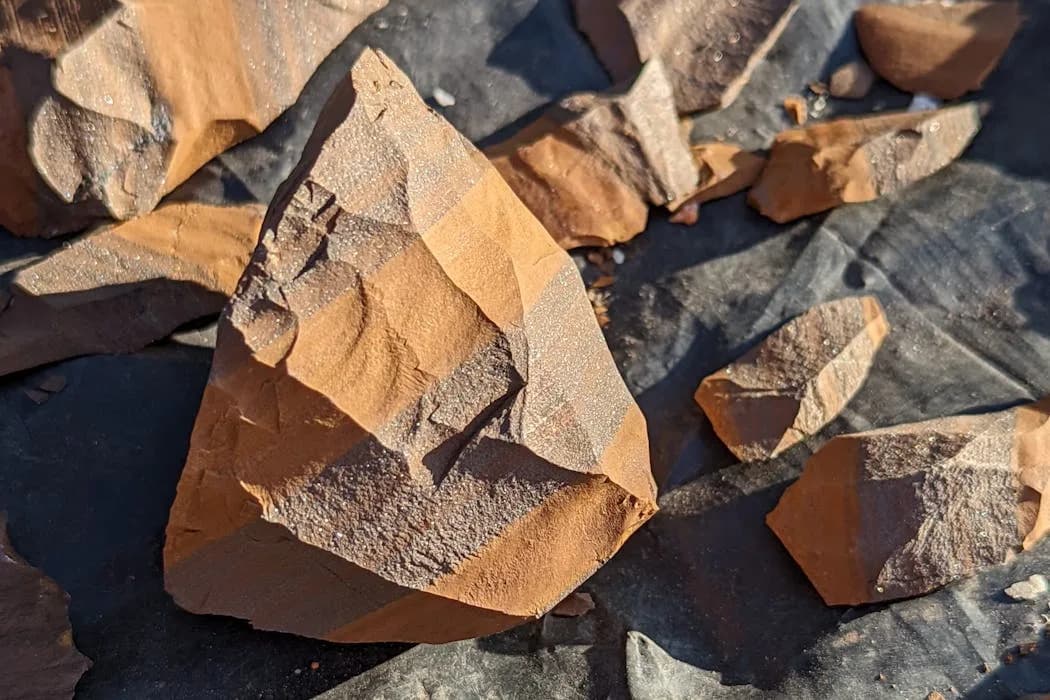
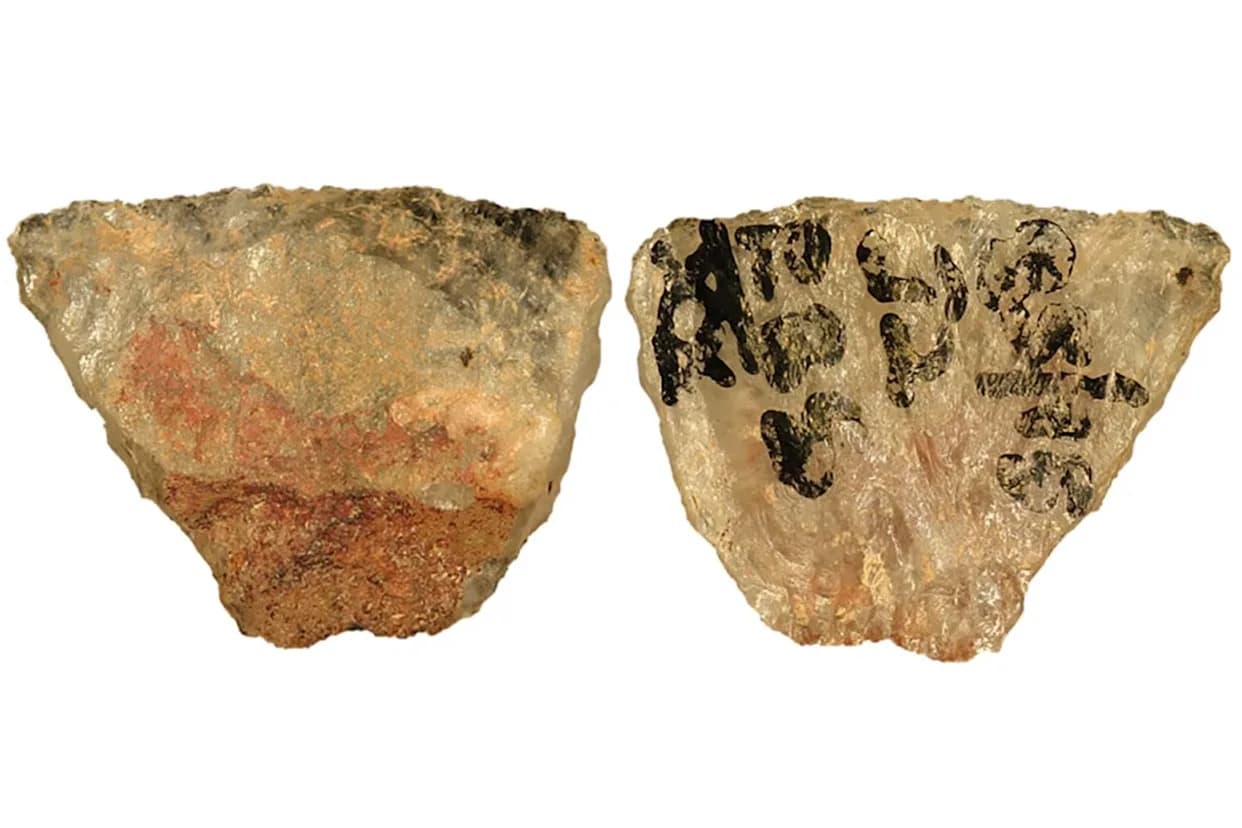
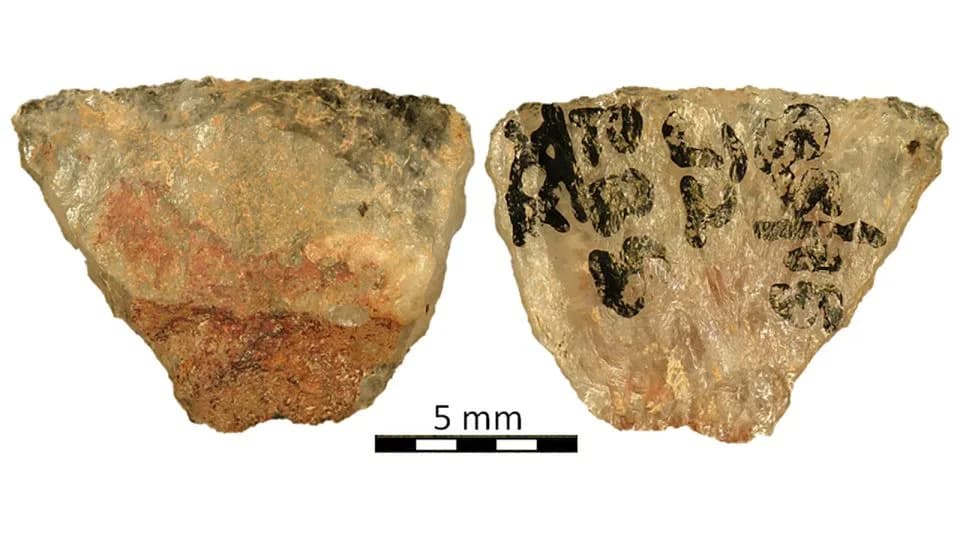
At the Paleolithic site of East Farm Barnham, archaeologists uncovered a pit containing flint handaxes with characteristic heat damage (reddening, cracking and thermal shatter) alongside fragments of pyrite. Because pyrite is uncommon in the local surface geology, the team suggests it was transported to the site, implying purposeful use. Several handaxes appear to have been shattered specifically by heat within the pit, consistent with repeated, controlled fires at that location.
Dating and Attribution
The site's age was determined through stratigraphic dating of sedimentary layers and comparison with nearby fossil assemblages. The timing and regional fossil record support attribution of the finds to Neanderthals. Although no charcoal, ash or bone survived — likely lost to erosion, weathering and chemical dissolution over hundreds of thousands of years — the pattern of heat alteration in the lithic material provides strong evidence for anthropogenic fire.
How Fire Was Made
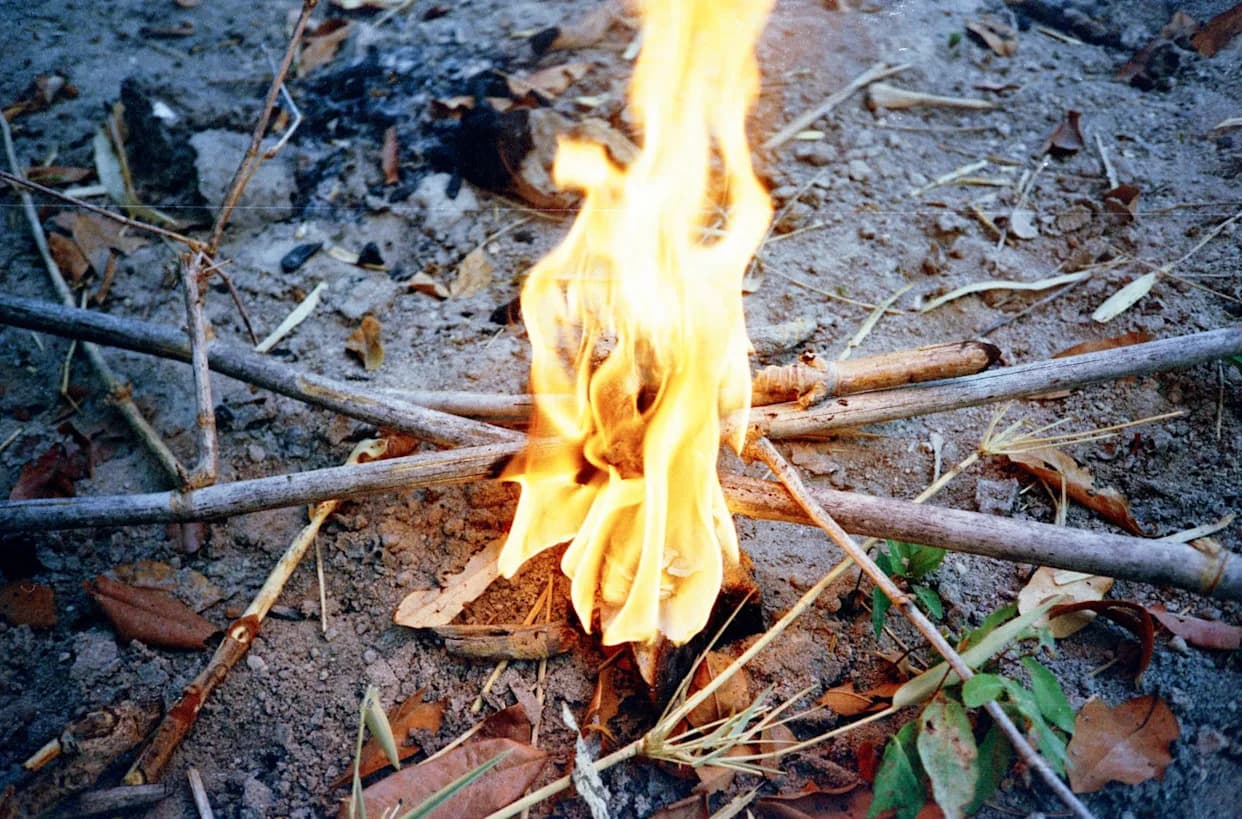
The combination of flint and pyrite fragments suggests Neanderthals used a spark-producing technique: striking pyrite against flint to generate sparks and ignite tinder. This method is a clear example of intentional fire production rather than opportunistic use of natural wildfires.
Why This Matters
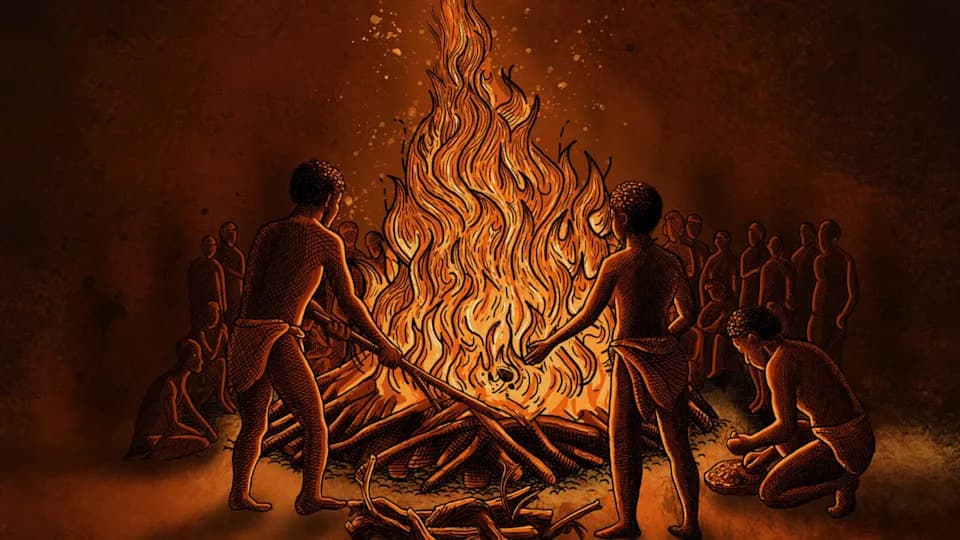
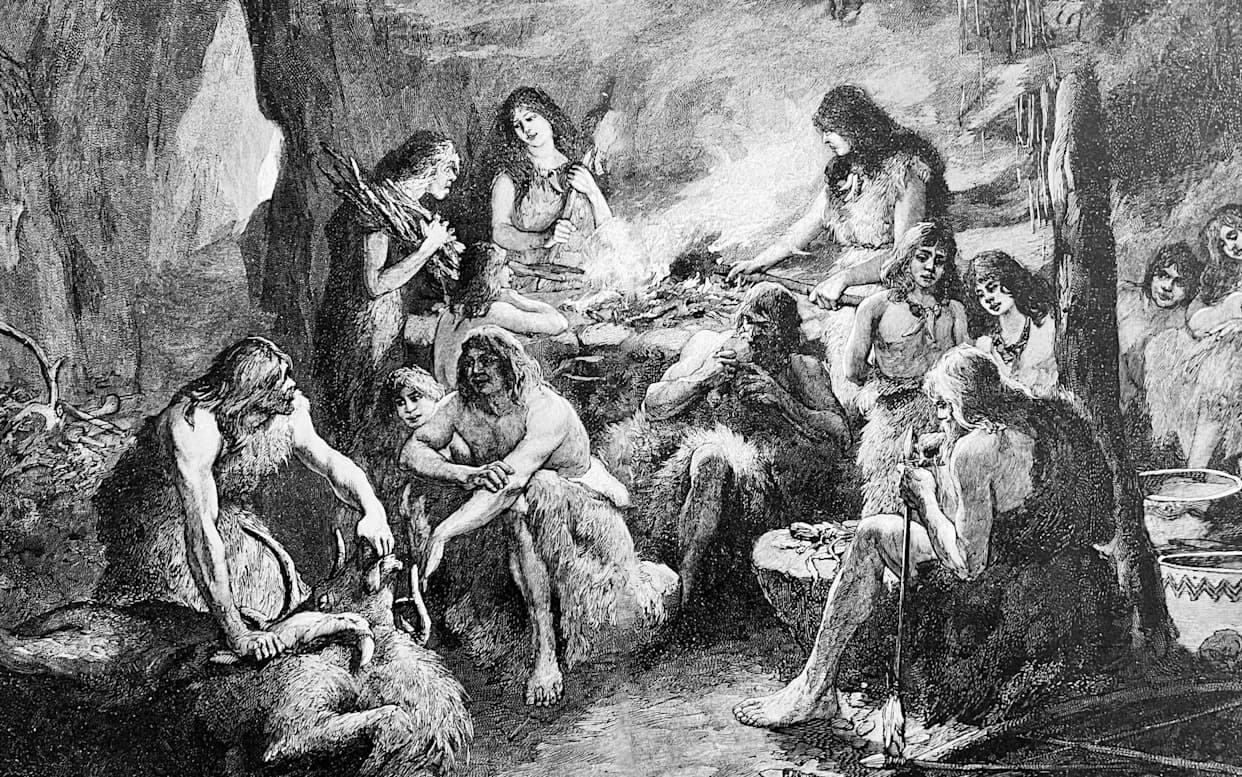
Controlled, on-demand fire would have been a transformational technology. It enables safe, planned living sites instead of dependence on caves or spontaneous wildfires, creates social gathering centers, and—crucially—allows cooking. Cooking increases digestibility and energy yield of many foods, particularly meat and some tubers, which could reduce digestive energy costs and free resources to support larger brains and more complex cognition.
“The emergence of this technological capability provided important social and adaptive benefits, including the ability to cook food on demand—particularly meat—thereby enhancing digestibility and energy availability, which may have been crucial for hominin brain,” write Ashton and Davis in their paper published in Nature.
Controlled fire also likely facilitated technological advances such as bone and wood working, and the production of adhesives (for example, birch tar) used in hafting stone points. The Barnham evidence adds to a growing picture of increasingly complex behavior across Europe in the late Middle Pleistocene, a period (roughly 500,000–300,000 years ago) during which hominin brain size and cultural sophistication were rising.
By showing that Neanderthals could produce fire, rather than only exploit natural blazes, the Barnham find helps overturn outdated stereotypes of Neanderthals as lacking technological skill and highlights their important role in the story of human evolution.
Publication Note: The research is reported by a team from the British Museum and colleagues in a paper published in the journal Nature.
Help us improve.